F1 Tech | McLaren ready to challenge Mercedes in qualifying at Suzuka
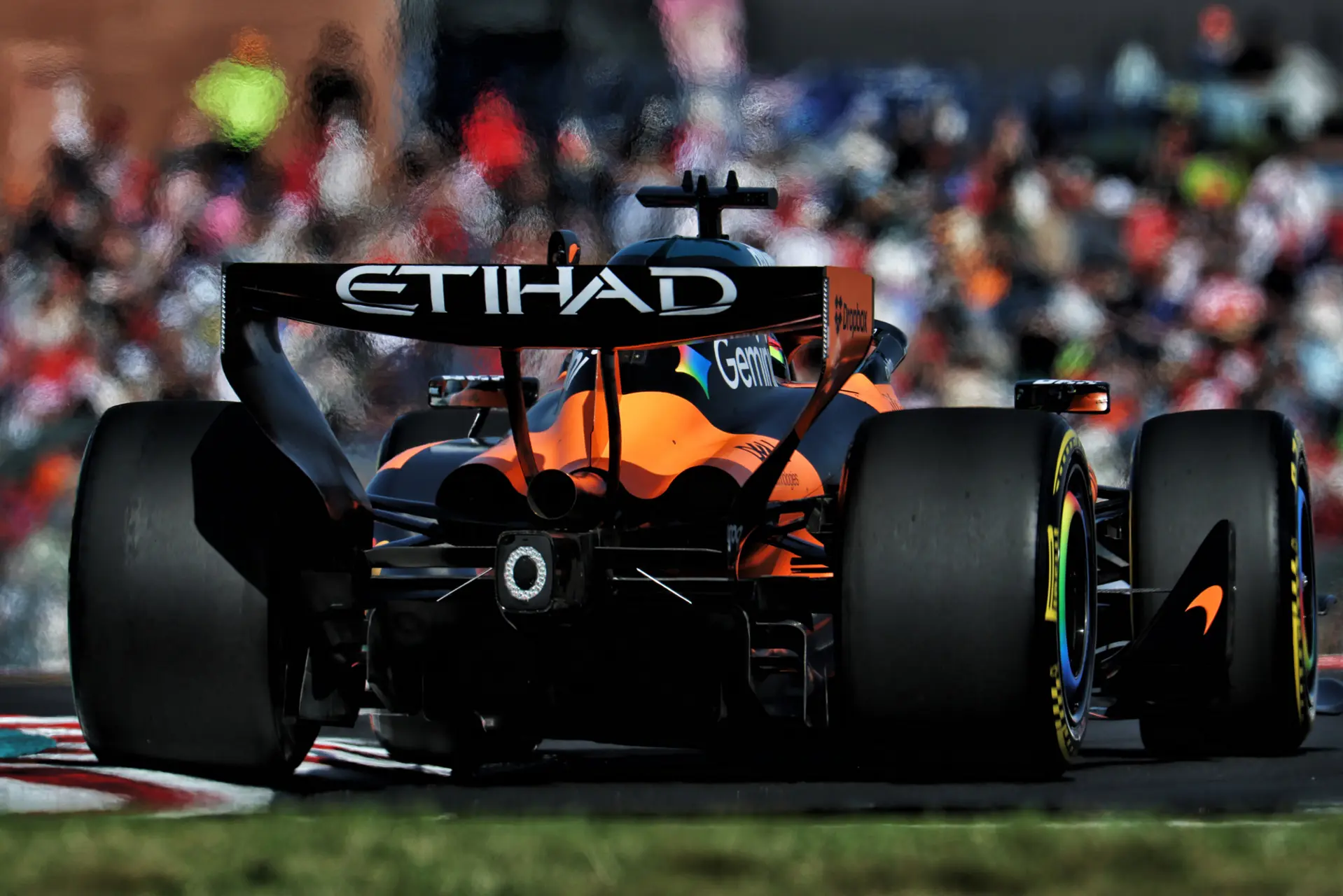
Photo: Race Pictures
20:01, 27 Mar
1 Comments

Francesco is a technical analyst at GPblog, specializing in the technical side of Formula 1. Through illustrations and analysis, he makes complex components and developments accessible to a wide audience.
McLaren topped the time sheets in FP2, showing an extraordinary performance stemming from a better understanding of the PU.
The first day of action at Suzuka offered a different scenario from the one seen during the first two weekends of the season, with Piastri in first place, closely followed by the two Mercedes.
McLaren seems to have started to properly understand their power unit and has managed to unlock even more performance in the single lap, even if Mercedes showed a clear superiority in the race pace simulations done in FP2, proof that the Papaya team still needs to take a step forward in terms of downforce and efficiency.
On the other hand, Ferrari and Red Bull had a difficult first day, with the former struggling with balance issues and the latter bringing a new aerodynamic package, only used by Verstappen, which didn’t seem to give the hoped-for results. Let’s try to have a general look at what happened today.
Read also
ADVERTISEMENT
Make GPblog your preferred source on Google and see our content first in Google Discover and Google News.
McLaren very strong in qualifying sims, Mercedes in race pace
After two hours of practice sessions, McLaren is in front at Suzuka, and it’s quite an unusual result compared to the first two races, especially because the performance came with no particular mistakes or problems on the opponents’ side.
McLaren demonstrated that it has made a big step forward compared to the beginning of the season, when they were the third top team, in front of only Red Bull Racing.
The engineers have managed to better understand the Mercedes Power Unit thanks to a straight collaboration with the Brixworth engineers, which resulted in a better management of the energy throughout the whole lap, especially in qualifying.
ADVERTISEMENT

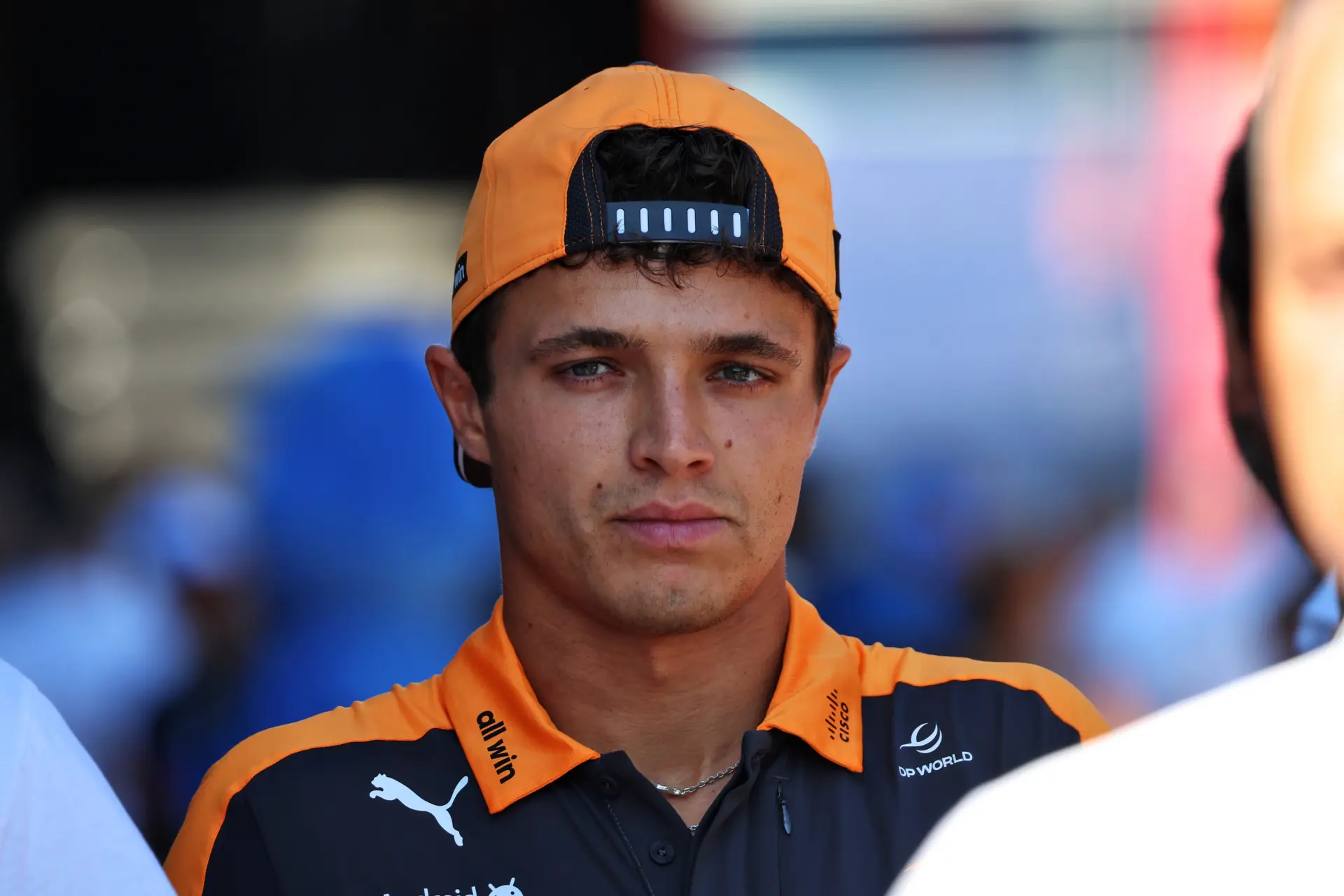
Norris during FP2 at Suzuka - Photo: Race Pictures
The result of this tight collaboration already emerged on Friday in Shanghai, when Norris managed to qualify in front of Hamilton in P3.
Despite the good progress in this area, it is still clear that the MCL40 has its main limitations on the chassis and aerodynamics side: the car behaves very well in slow-speed corners and on kerbs, proof of a very good mechanical system as well as a shorter wheelbase, which inevitably makes the car stronger in those corners.
On the other hand, the MCL40 still lacks downforce in the high-speed corners, where it’s slower compared to Mercedes and Ferrari.
Not by accident, in fact, during the qualifying simulation runs in FP2, Piastri was gaining a lot on the main straight and in the last sector compared to Mercedes, thanks to a different energy deployment strategy and a better car on kerbs at the triangle chicane, while Russell and Antonelli were extremely quick in the first and second sector, where downforce and stability play a crucial role.
ADVERTISEMENT

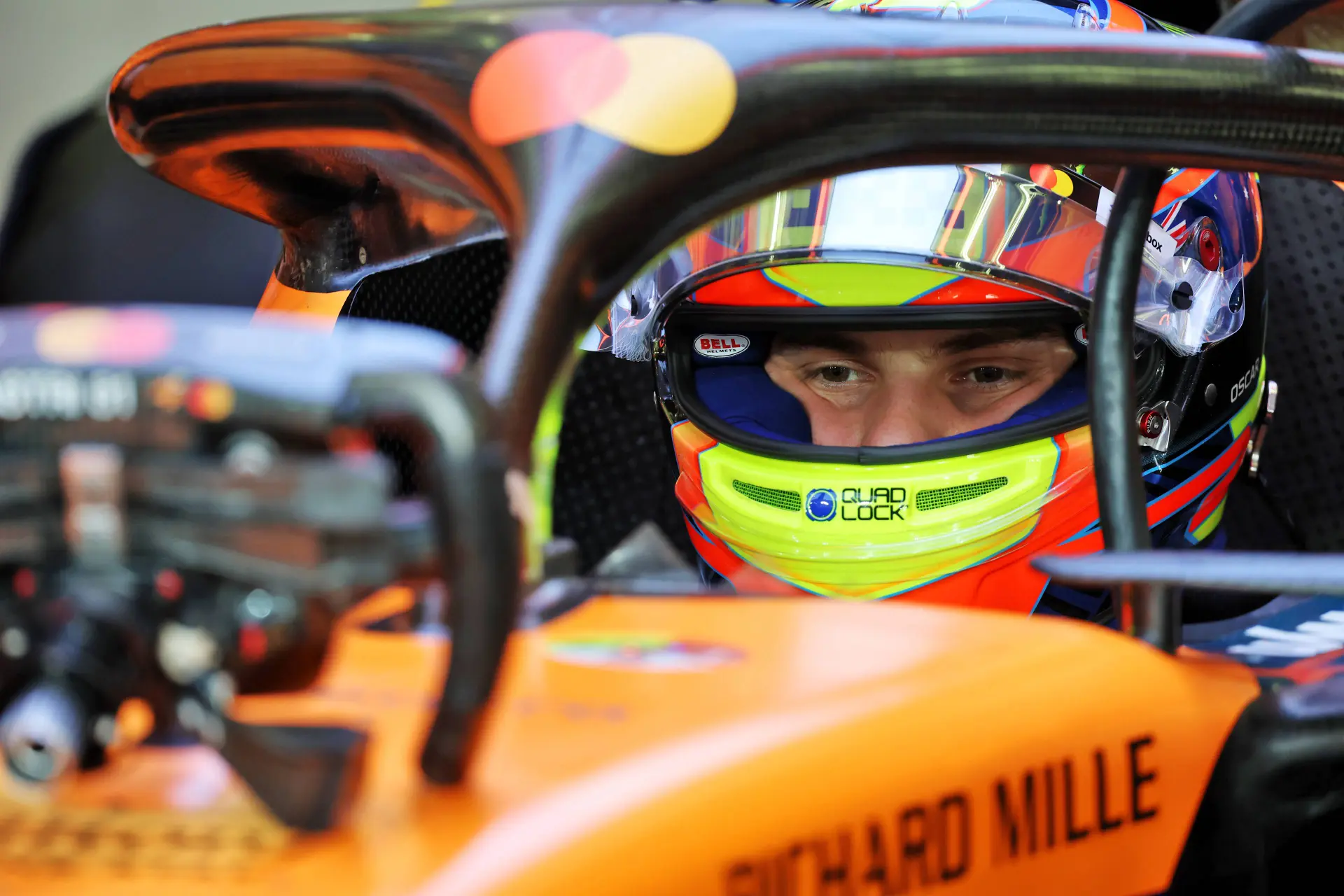
Oscar Piastri during FP2 at the Japanese Grand Prix - Image: Race Pictures
This scenario was also confirmed by the long runs done at the end of the session: Russell and Antonelli were lapping almost a second quicker than Piastri on average, proof of a great superiority in terms of tyre management on such a tough layout.
If things went extremely well on one side of the garage, the same can’t be said for Norris: the World Champion was stopped by a hydraulic issue in the afternoon, which limited his running in FP2 to just 17 laps, with no race pace simulations completed.
For the Woking team, it’ll be fundamental to not have reliability issues on Sunday and to gather as many points as possible: after the last race in China, where both cars failed to take part in the race, the Woking team should aim at improving the performance on tyres to aim for one spot on the podium.
On the other hand, Mercedes had another strong day, with Antonelli and Russell able to set the 2nd and 3rd fastest laps of the day, just a few milliseconds behind Piastri in first place.
ADVERTISEMENT

George Russell during FP2 at Suzuka - Photo: Race Pictures
The W17 behaved in line with what was seen during the first two races, demonstrating a clear superiority in the high-speed corners and in the long straight between the Spoon curve and the Triangle chicane, where the super clipping effect comes into play.
Despite not topping the charts in the qualifying simulations, the Brackley car definitely regained the role of favourite during the race pace simulations, with Antonelli setting constant and phenomenal lap times.
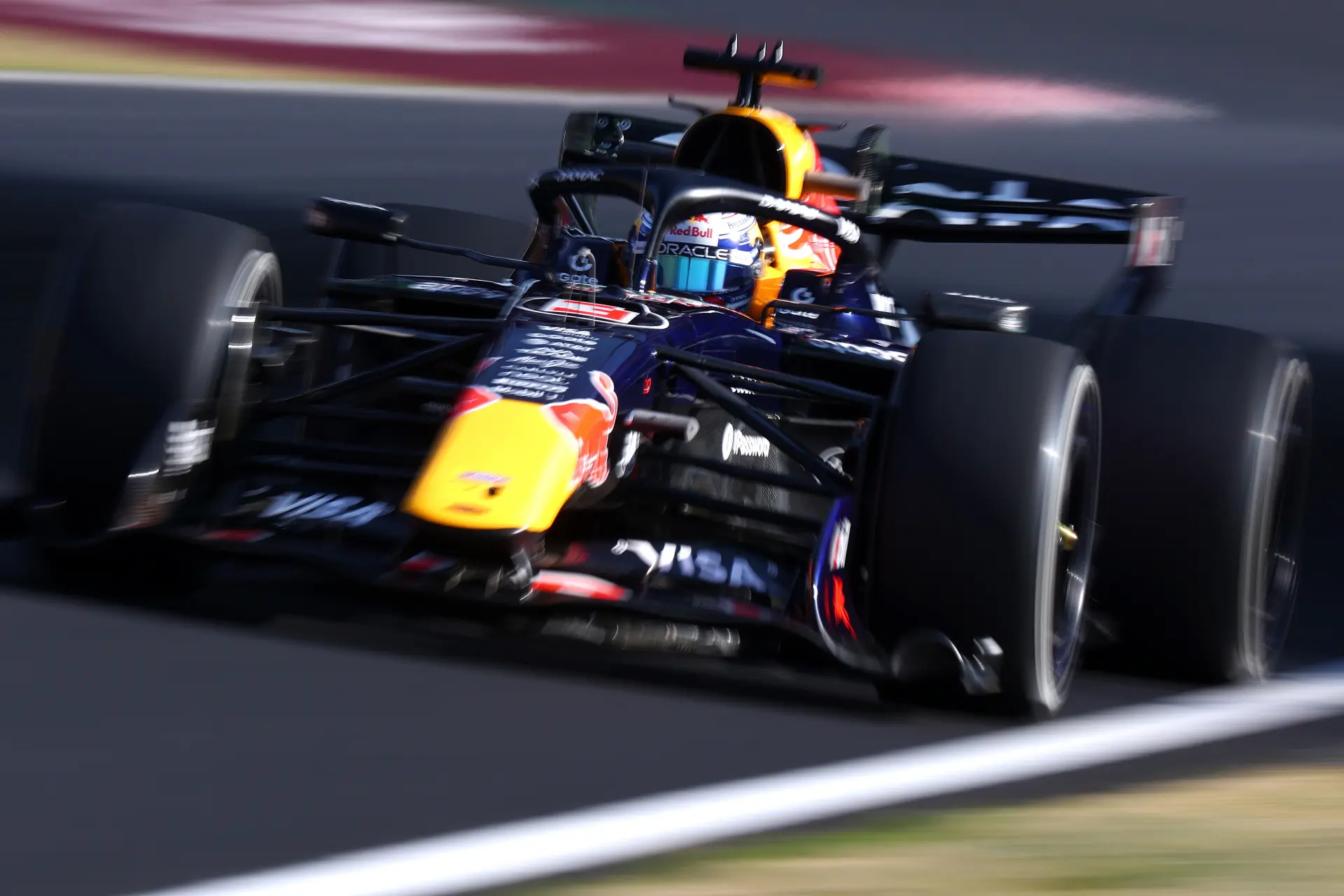
Given their superiority, it won’t be crucial for them to start from the front row on Sunday, as they can clearly perform way better than others and pass them on track according to the performance shown today.
ADVERTISEMENT
Ferrari and Red Bull Racing struggled
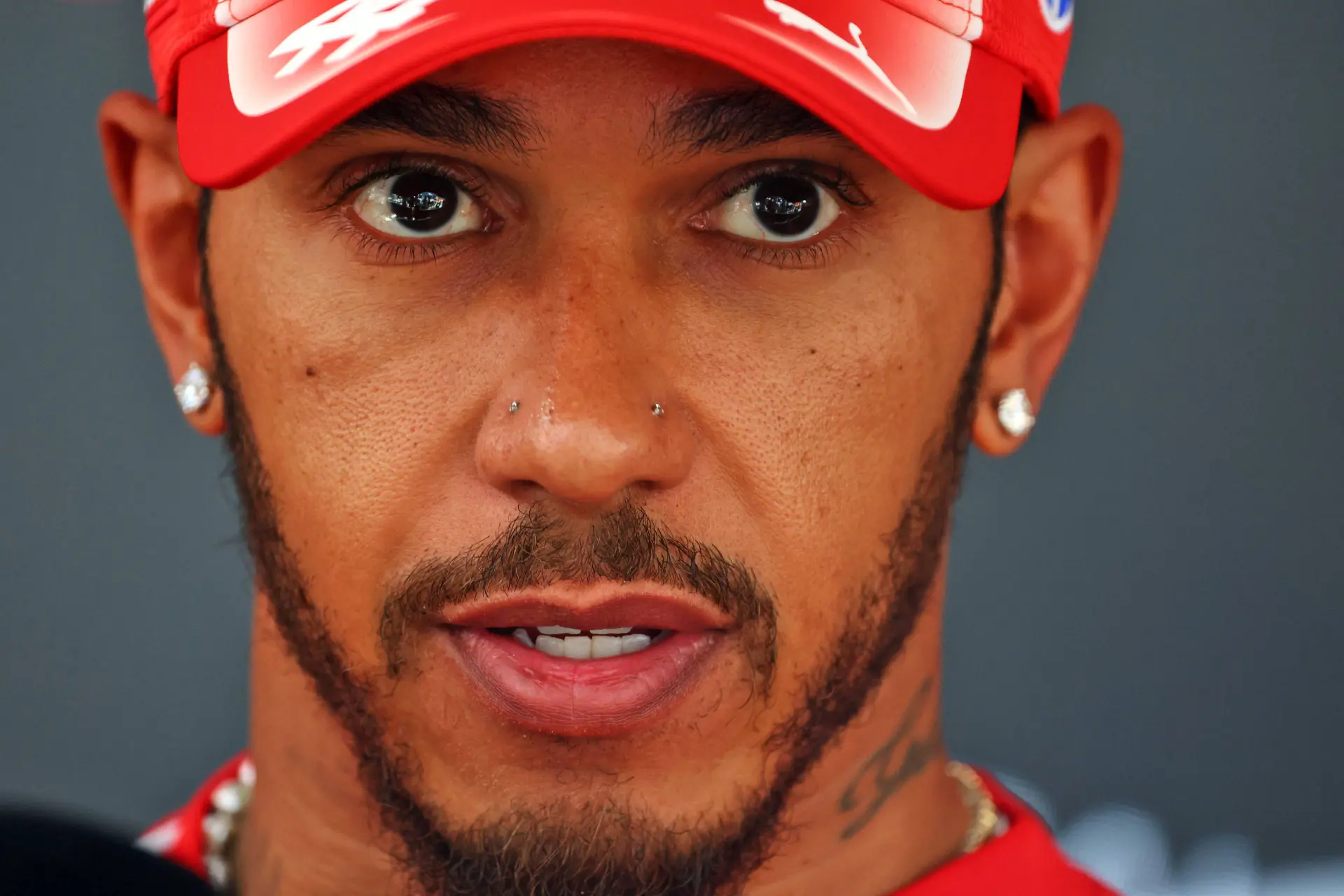
Ferrari and Red Bull Racing both had a very difficult day on track: on the one hand, Ferrari’s Hamilton and Leclerc struggled with the balance, as the SF-26 seemed a bit too pointed on the front axle in the high-speed corners, with the rear stepping out as a consequence and making them lose precious time.
Moreover, the engine gap the Maranello team currently has to Mercedes has been accentuated by the layout, especially as it emerged on the long main straight and the back end straight from the Spoon curve to the last chicane, where Leclerc and Hamilton were losing a lot of time to Piastri, Antonelli and Russell.

Hamilton during race pace simulations in Suzuka - Image: Race Pictures
For the Maranello team, it’ll be super important to find a good set-up and improve the car from a chassis point of view, to be able to get closer to Mercedes and McLaren in qualifying and to possibly attack the Papaya team in the main race, taking advantage of better tyre management.
ADVERTISEMENT
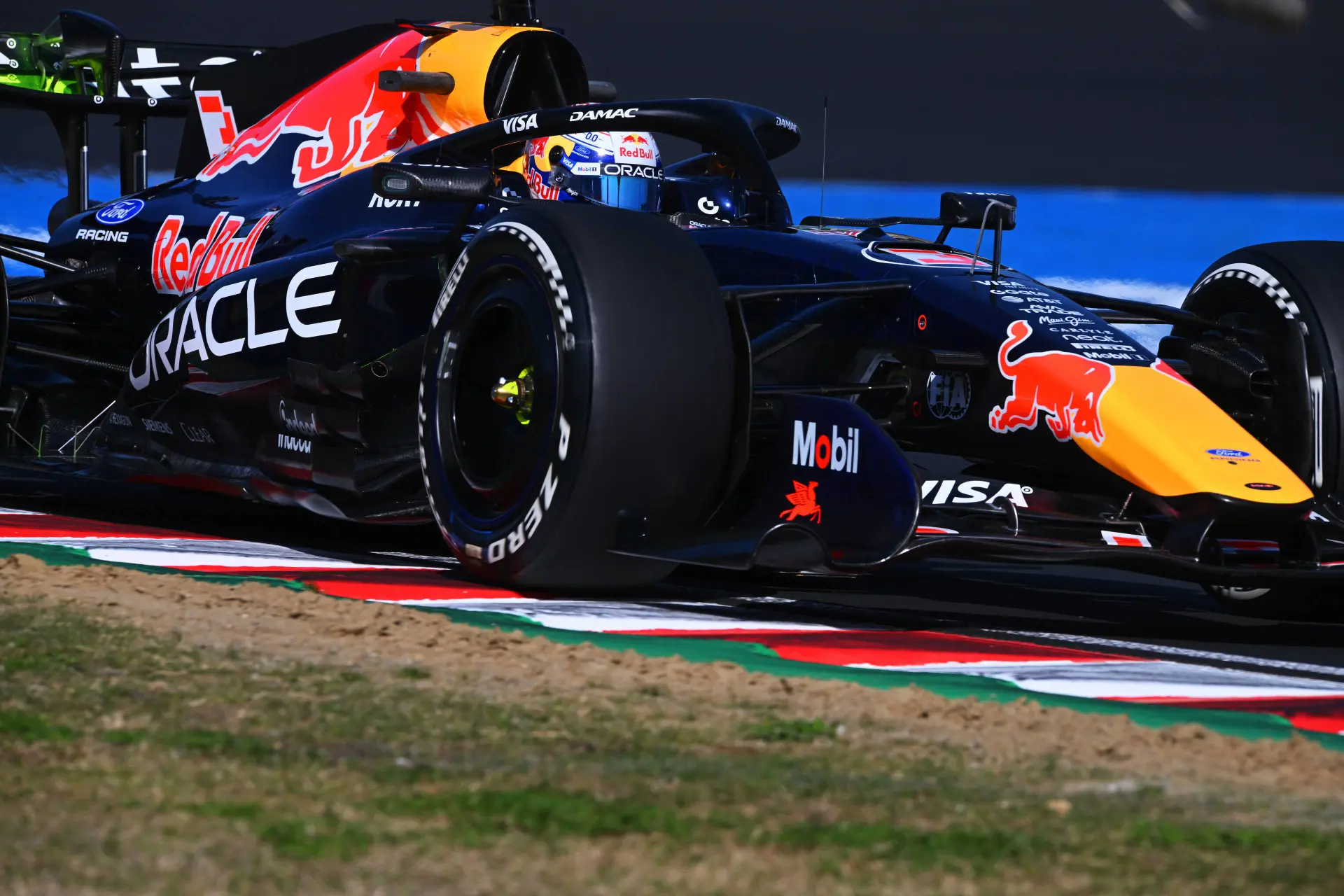
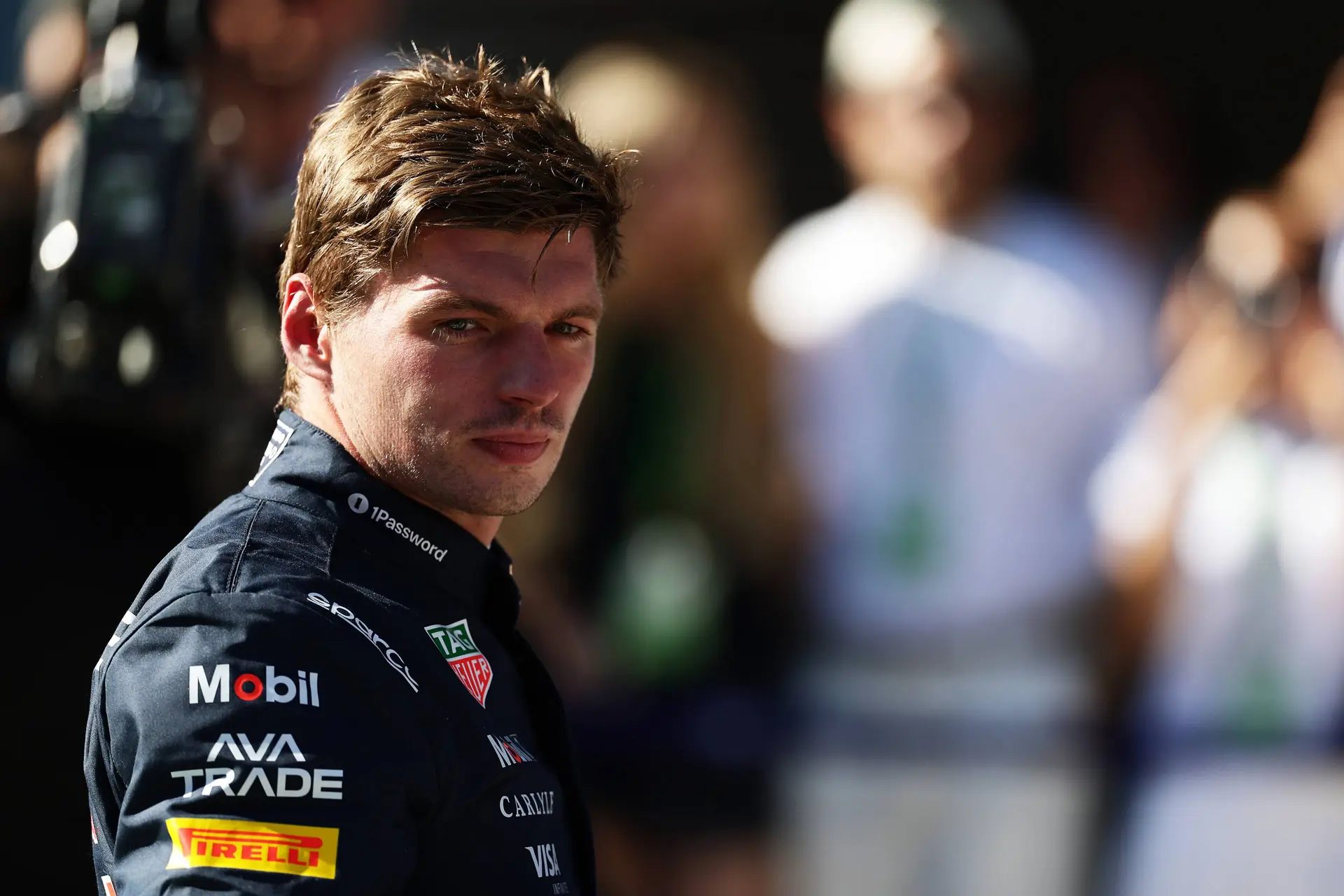
Last but not least, Red Bull had a very difficult day as well. The team introduced a series of upgrades on Verstappen’s car, which featured a new floor and revised sidepods.
As shown in the image below, the new sidepods have a more sloping and elongated shape than the previous version, creating a lateral slide that connects directly to the underbody and no longer to the engine cover (green arrow).
The shape of the sidepods is now very similar to those of the McLaren and aims to maximise the Coanda effect to push air towards the rear of the underbody and the diffuser.
This design also led to a slight reshaping of the cooling inlet, which is now slightly larger than the previous version.
Finally, the underbody has been slightly revised in the terminal section in front of the rear wheels, as it now features a small winglet that helps push the turbulence generated by the rear wheels outwards and prevent it from being absorbed under the underbody (purple circle and arrow).
ADVERTISEMENT

Verstappen's vs. Hadjar's sidepod and floor configuration adopted on Friday at Suzuka - Image: Race Pictures
The updates, however, didn’t seem to give the hoped-for result, as the RB22 still looked very nervous on both axles, as it appeared during the previous two races: in addition to significant understeer, the car also had some snaps from the rear end in the high-speed corners, which made it even more complicated for Hadjar and Verstappen to keep the car on track on all sets of tyres.
As a consequence, the long runs were even more disappointing: while Russell and Antonelli were completing laps in 1.34 low, Verstappen was lapping in 1.36.0, almost two seconds per lap slower than the leading team, which was quite surprising, also taking into account that he had updates on his car.
In conclusion, the first two hours of practice in Suzuka offered a much closer battle between Mercedes and McLaren, which could provide a great show during Saturday’s qualifying session. Ferrari and Red Bull look a bit further behind, but for them it’ll be crucial to work on the set-up and improve their performance to fight for the top-5 on Sunday’s race.
Listen to or watch the GPblog.com video podcast. In the F1 Paddock Update, Jim Kimberley and Ben Hunt discuss the latest Formula 1 news. New episodes are available every Monday and Thursday on YouTube, Spotify, or your favourite podcast app.
ADVERTISEMENT
Follow GPblog on social media to stay updated on all Formula 1 news: Facebook, Instagram and TikTok.
Read also
Don’t miss GPblog in Google
Mark us as a preferred source and our articles will appear more often at the top of Top Stories.
Add as a preferred / source on GoogleRead more about:
latest news

Bahrain Grand Prix
Overview
Friday 02.10.26
Practice 1
04:30 AM
Practice 2
08:00 AM
Saturday 03.10.26
Practice 3
04:30 AM
Qualification
08:00 AM
Sunday 04.10.26
Race
07:00 AM
Friday 02.10.26
Practice 1
Fri 04:30 AM
Practice 2
Fri 08:00 AM
Saturday 03.10.26
Practice 3
Sat 04:30 AM
Qualification
Sat 08:00 AM
Sunday 04.10.26
Race
Sun 07:00 AM
Times are in your local timezone
Rumors
Popular on GPBlog

1
FIA reaches verdict on Hadjar as rival is hit with time penalty
4315 times read
2
F1 Today | Russell beats Verstappen to Baku win, Hamilton responds to Horner rumours
3232 times read
3
Leclerc may have said too much on new Ferrari engine in Baku
2682 times read

4
Hadjar summoned after Baku GP as FIA calls up two more drivers
2180 times read
F1-stand 2026
Season
| Pos. | Driver | Team | Points |
|---|---|---|---|
1 | MercedesMER | 302 | |
2 | MercedesMER | 236 | |
3 | FerrariFER | 199 | |
4 | McLarenMCL | 186 | |
5 | FerrariFER | 179 | |
6 | Red Bull RacingRBR | 163 | |
7 | McLarenMCL | 120 | |
8 | Red Bull RacingRBR | 86 | |
9 | Racing BullsRCB | 59 | |
10 | AlpineALP | 41 |
Loading