F1 Tech | Ferrari ready to be a title contender in 2026 season
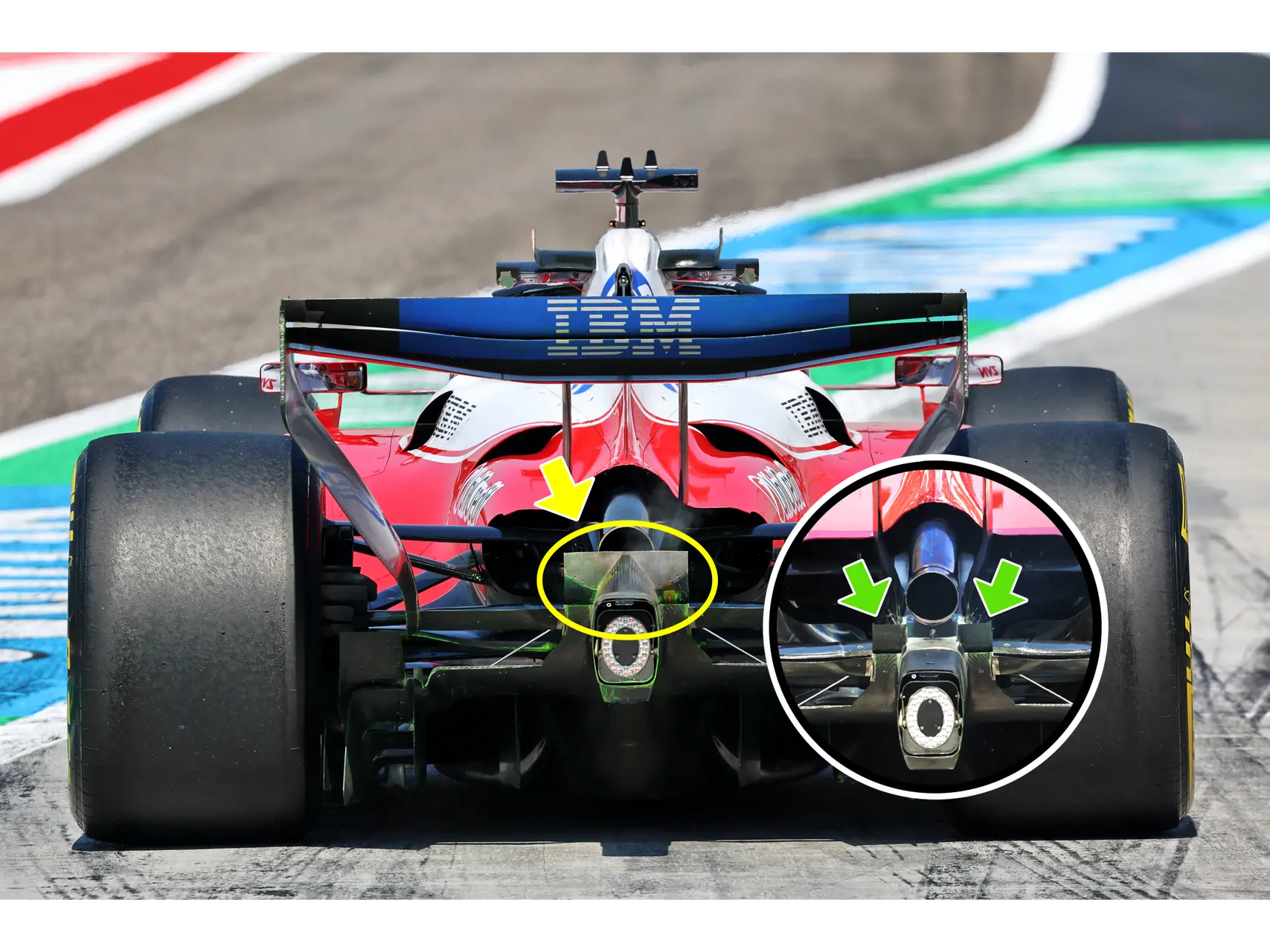
Ferrari's winglet placed just behind the exhaust exit - Image: Race Pictures

Francesco is a technical analyst at GPblog, specializing in the technical side of Formula 1. Through illustrations and analysis, he makes complex components and developments accessible to a wide audience.
Ferrari should be a little behind Mercedes during the first few races of the season, but strong development could clearly bring the Maranello team back into title contention after a few races.
After six days of testing in Bahrain, during which the majority of manufacturers completed a lot of kilometres, the hierarchy among the top teams is still unclear, as some of them have hidden their true potential and have preferred to not reveal their cards too early.
On the other hand, other top teams like Ferrari decided to take full advantage of testing not only to run innovative technical solutions, but especially to make qualifying simulations with soft tyres and low fuel load.
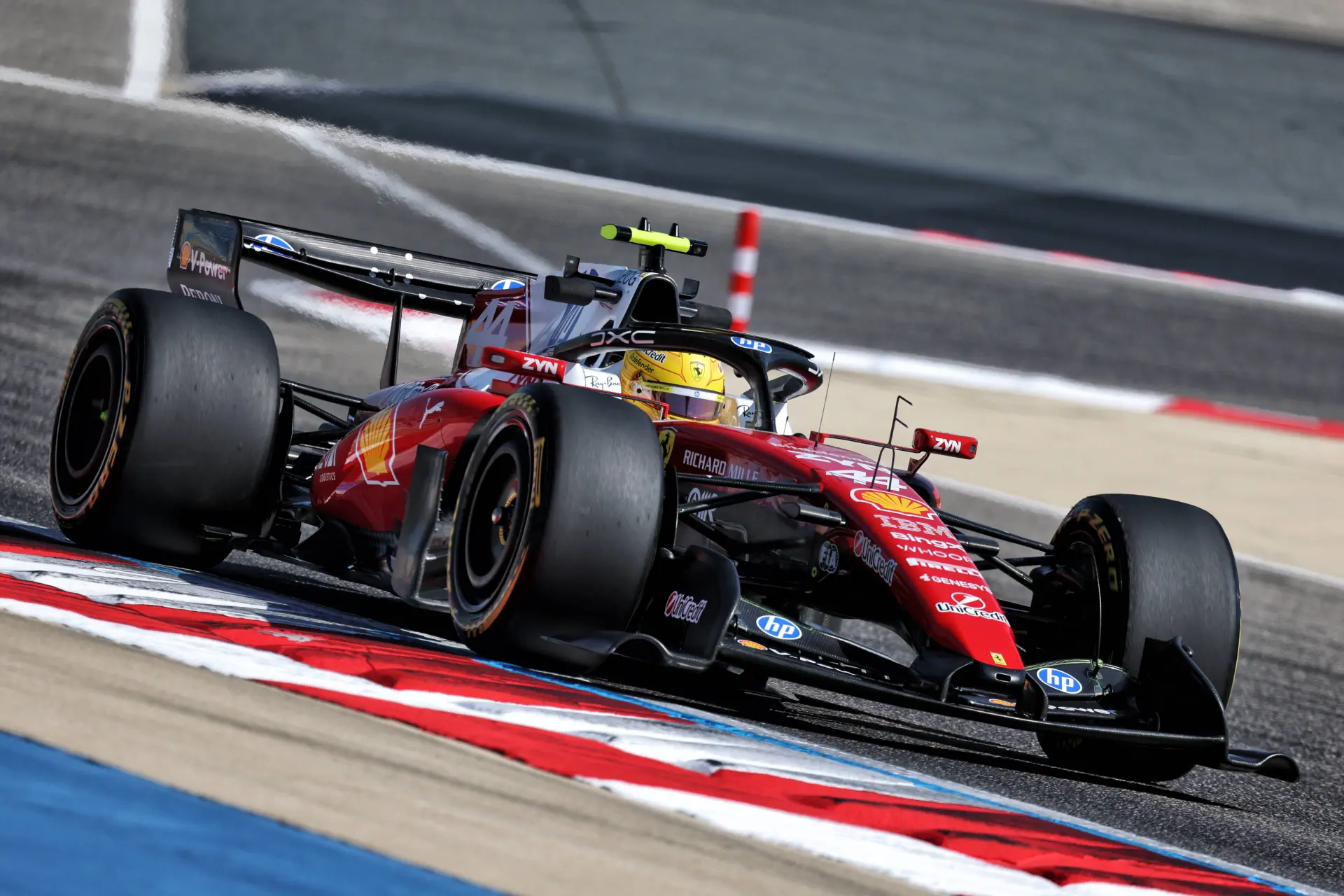
The results that emerged were impressive for the Scuderia, with Leclerc able to set the fastest time of both testing sessions in 1.31.992. This performance, along with the good pace shown in the long runs made in the afternoon session, proved that the new SF-26 is definitely a strong car, but will it be enough to challenge Mercedes during the first few races? Let’s try to find out.
ADVERTISEMENT
A lot of technical innovations during testing
After completing a lot of laps without having big issues in the Barcelona shakedown, Ferrari arrived in Bahrain hopeful to continue their work undisturbed. That was eventually the case, as the team also managed to introduce a series of crucial updates, with some interesting innovations in the rear end area of the car.
The new components mainly concerned the front wing, floor and diffuser, together with the reverse rear wing design seen on the penultimate day of testing last week.
Looking at the front wing introduced during testing, the version used featured a completely revised design: as highlighted in the picture below, the new version of the mainplane features a curved central portion and a more pointed shape, aiming to better channel the flows under the front wing and, consequently, toward the floor inlet (yellow line and arrow).

Comparison of Ferrari's front wings used between Barcelona shakedown and Bahrain testing - Image: Race pictures/Ferrari
ADVERTISEMENT
The top flap, in the new version, has a much more linear trend compared to the previous version, which had a more curved and rounded profile (green line and arrow). As can be seen in the image, this new design tends to divide the flow into two regions: a central one directed toward the underbody and bodywork, and a lateral one, which is pushed outward from the front wheels to maximize the outwash effect.
In this regard, the endplate has also been redesigned to favor this phenomenon and features, in the new version, a more marked curvature toward the outside of the front wheel (light blue line and arrow).
The new front wing enables improved airflow management of the airflow around the front tyres, useful to reduce the drag generated and improve efficiency, a key aspect with this new generation of cars.
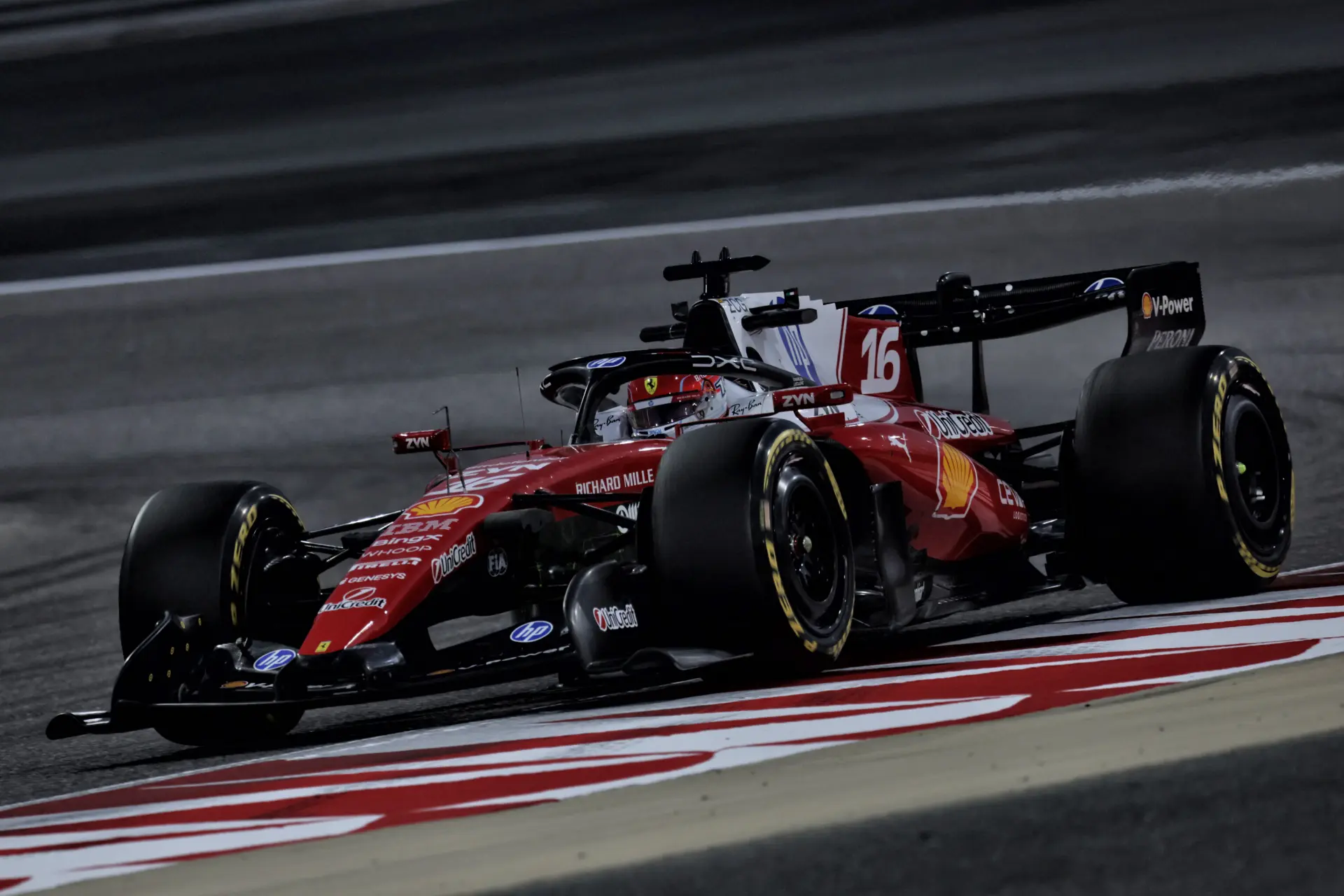
Moving now on to analyse the new floor introduced in Bahrain, two technical aspects immediately catch the eye: the new floor shows visible changes both in the front portion and in the back angle, near the rear tyres. Regarding the changes to the lower side of the floor edge under the bargeboard, this section has been redesigned to improve the generation of vortices that seal off the floor edge.
ADVERTISEMENT
As shown in the picture below, in fact, the new version has a slightly bigger “knife” with a sharper edge, designed to generate vortices. As for the changes to the back floor, the new version features a design developed from the one initially tested in Barcelona(green circle and arrow).

Comparison of Ferrari's floor used in Barcelona shakedown and during testing - Image: Race Pictures
As can be seen in the photo below, the "B" version features two large, cut and folded inverted L-shaped elements positioned in front of the small horizontal winglet, while the "A" version used in Barcelona featured only a small L-shaped carbon profile (ornage circle and arrow).
The goal of this new design is to manage the tire squirt produced by the rear tires differently, managing turbulence and reducing the aerodynamic losses they produce.
The overall goal of this floor design is to minimise the losses produced by both the front and rear tyres’ turbulence, as this could be particularly harmful to the flow underneath the car, useful to generate downforce.
ADVERTISEMENT
Another innovative solution Ferrari introduced during last week’s testing in Bahrain was the so-called ‘Flick Tail Mode’. This new solution, as shown in the picture below, consists of a small winglet placed just behind the exhaust exit and is intended to increase downforce by influencing the exhaust flow towards a lower-pressure area, generating vertical load useful for rear stability.
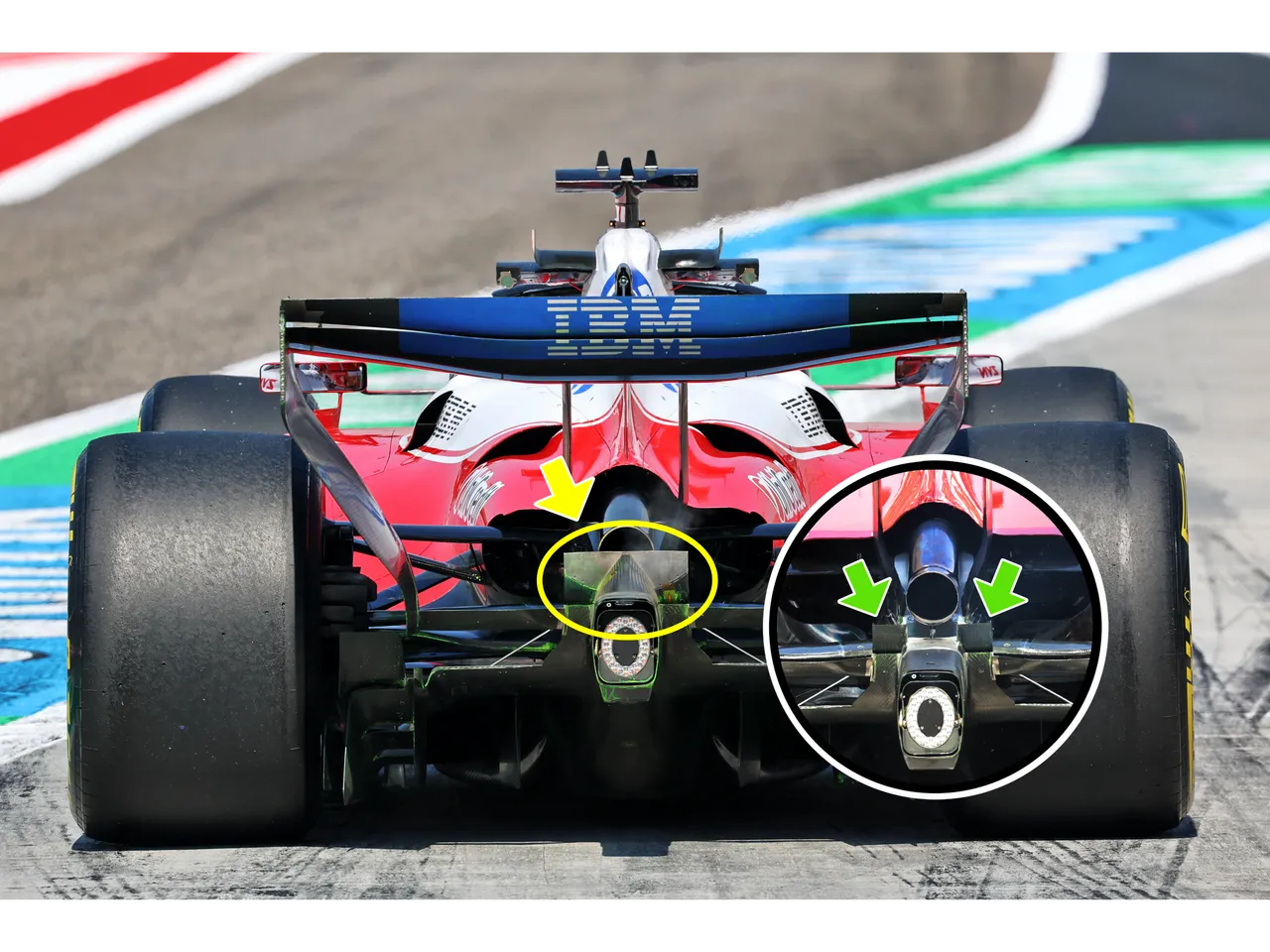
Ferrari's winglet placed just behind the exhaust exit - Image: Race Pictures
From this point of view, Ferrari’s engineers have been particularly smart to design a small winglet and place it as a continuation of the diffuser ceiling, helping the flow extraction and the generation of downforce.
Last but not least, the last technical solution that had rivals legitimately talk about Ferrari was the reverse rear wing design seen during testing: the Italian team’s engineers have placed the DRS actuators in the endplates, removing the actuator that stands in the middle of the wing itself.
By doing so, they managed to design a rear wing able to rotate at an impressive angle of 270° when the system was actuated, inverting the orientation of the wing profiles as well.
ADVERTISEMENT
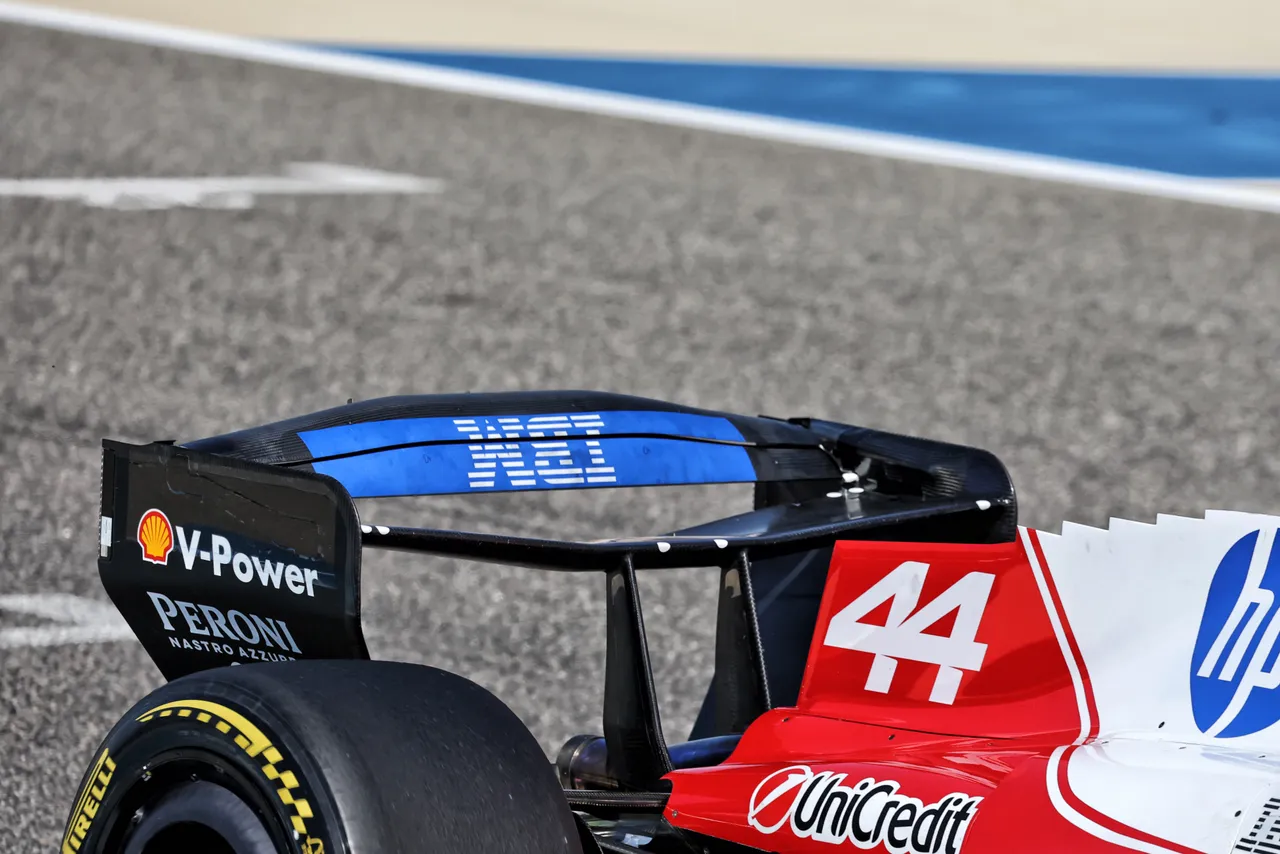
Ferrari's innovative rear wing design introduced during testing in Bahrain - Image: Race Pictures
As a consequence, when the system is activated and the top two flaps are flipped, they produce lift, as they are oriented as an airplane’s flaps. Knowing the intrinsic advantages of this solution is difficult without properly testing it in CFD, but it may reduce drag while also providing a larger opening for air to pass through.
As is visible in the video below, in fact, the new system creates a bigger gap between the mainplane and the trailing edge of the top flap when it’s activated, consequently reducing the surface exposed to air and thus drag.
The gains in terms of speed could be between 5km/h and 10 km/h and that could give Ferrari a huge benefit over their rivals on the straights, both during qualifying and during attacking and defending manoeuvres during the race.
ADVERTISEMENT
As a consequence, all these technical innovations made the car particularly balanced and strong during testing: despite looking still a little bit snappy on the rear end from the onboards, both drivers seemed particularly happy and comfortable both in the long runs and in the qualifying simulations made during the 6 days available in Bahrain.
When asked about the performance shown, Charles Leclerc told the media, including GPblog: “The test day was very smooth, we ran through our programme and tested all the things we planned to,” the Monegasque said at the end of day 3.
“In terms of performance, it’s still difficult to understand where we really stand because teams are hiding their true form, so it’s important not to focus too much on lap times and prepare for the first race.”
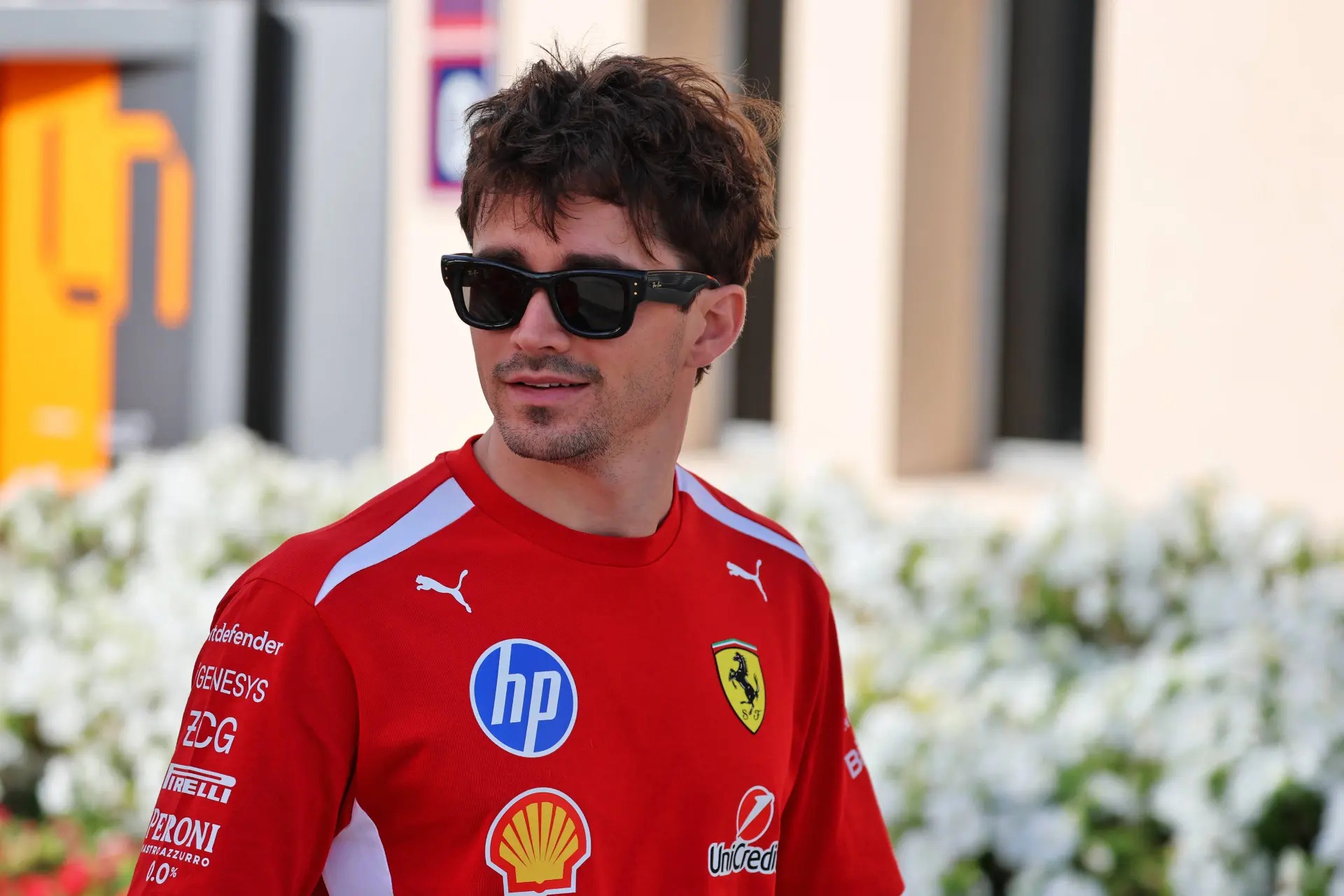
In conclusion, it was a very positive test for Ferrari, with a very strong performance shown on a track where they have particularly struggled over the past few years.
ADVERTISEMENT
For now Ferrari looks like they can challenge Mercedes, but the Brackley team seems to have standbagged a lot in Bahrain, avoiding showing their real potential, seemingly confident in their car’s performance.
A lot will also depend on the effective engine advantage the team will have on competitors when they adopt higher modes, but we’ll just have to wait another week until Australia to understand the W17’s real gap to its competitors.
Read also
Don’t miss GPblog in Google
Mark us as a preferred source and our articles will appear more often at the top of Top Stories.
Add as a preferred / source on Google