The problem with Formula 1’s battery-driven future that left me feeling flat

Photo: Race Pictures
Updated:
2 Comments

Ben Hunt is an award-winning motorsport journalist with over two decades of experience in Formula 1 and international media. As a former editor-in-chief and bestselling author, he delivers in-depth analysis and strategic insight from the highest level of the sport.
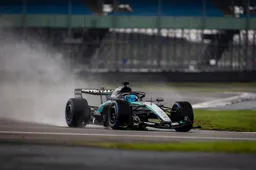
While sitting at McLaren’s MTC on Wednesday, listening to Team Principal Andrea Stella, Chief Designer Rob Marshall, and Technical Director of Performance Mark Temple discuss this season’s new cars, I found myself worrying about Formula 1’s new era.
Not because the cars won’t look good - smaller is definitely better. And not because one team might dominate by exploiting a grey area in the regulations. My concern is far more fundamental: I’m not sure the racing will be any good, or whether fans will even be able to understand it.
I’ve said this for a long time, but my biggest issue with Formula 1 is that its rules are designed by engineers rather than sports fans. The rulebook is indecipherable. The terminology is baffling. The regulatory process is slow and confusing. And we have the remarkable situation of a tyre supplier being required to produce tyres that are not intended to last a full race distance.
Yet even these issues pale in comparison to my concerns about 2026 and beyond.
As Stella, Marshall and Temple spoke about McLaren’s car, the conversation quickly turned to battery deployment. We were told cars using ‘straight mode’ would be easily passed by those deploying energy, while ‘corner modes’ would need to be tailored to individual circuits.
ADVERTISEMENT
We are, of course, used to hybrid engines. But with the new 50:50 split between engine and battery power, energy management becomes far more significant. Drivers who deploy their battery will gain a performance boost - but once that energy is depleted, they will suffer a drop-off while they recharge.
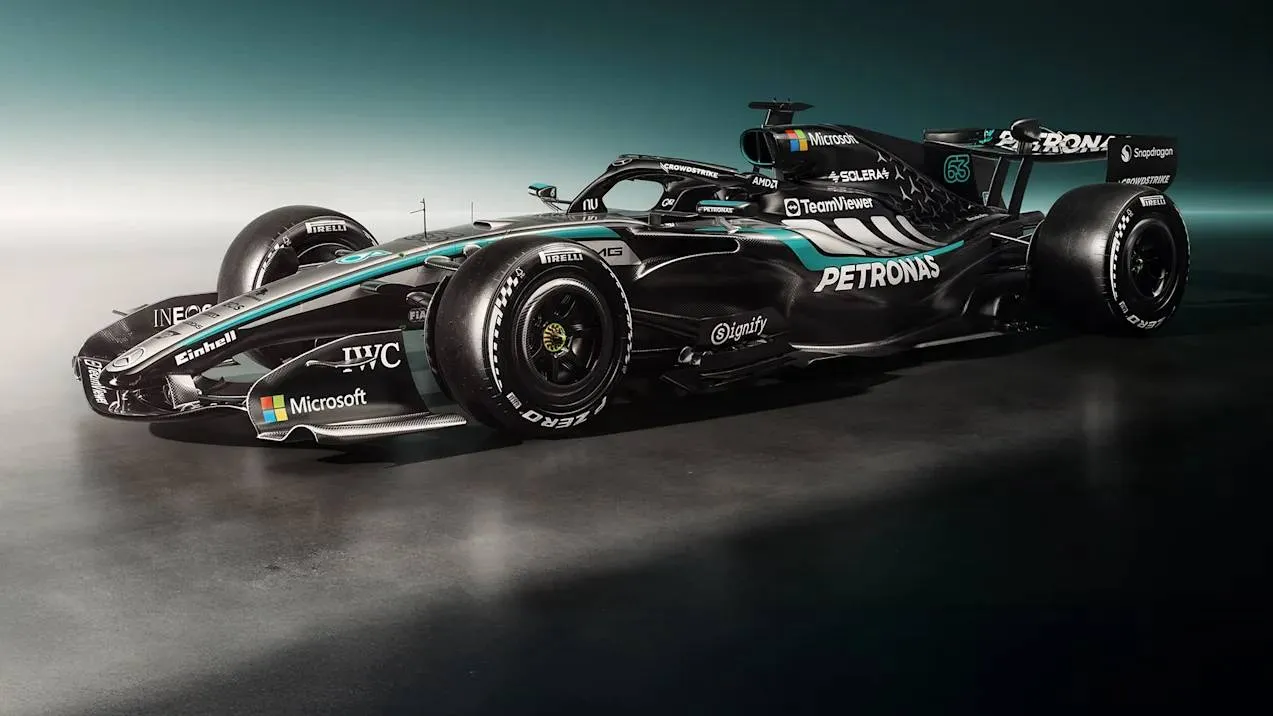
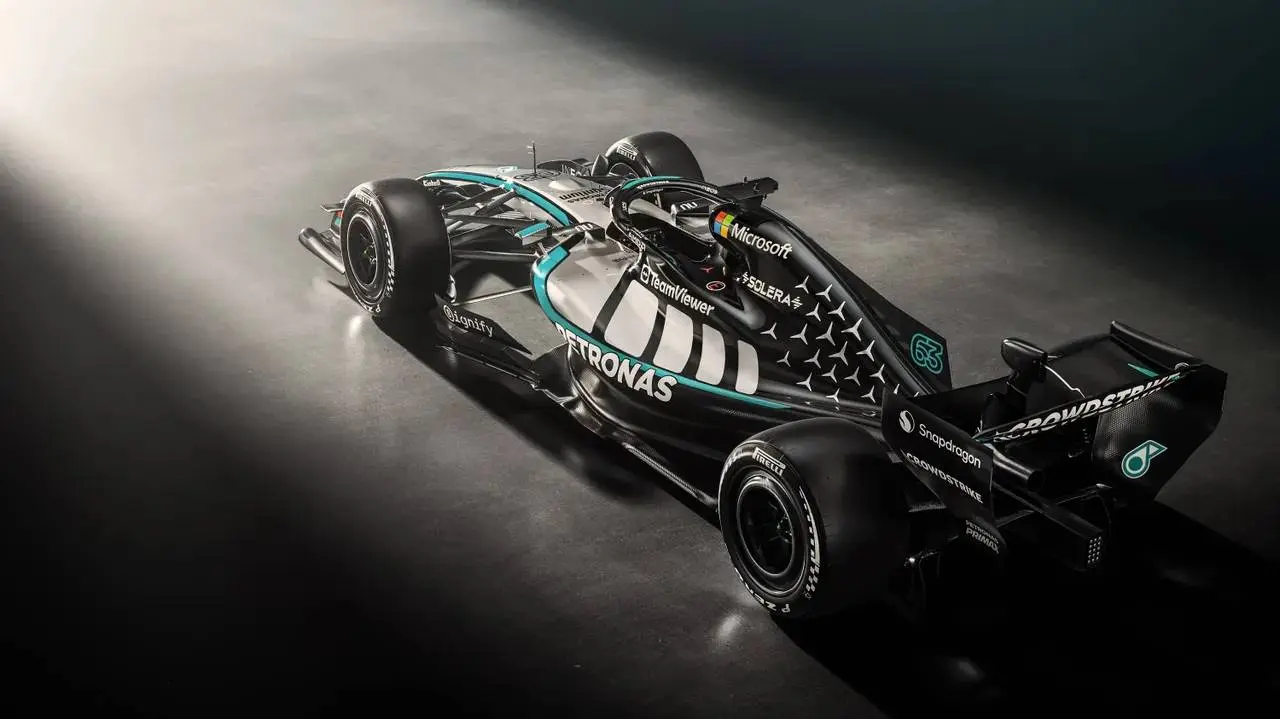
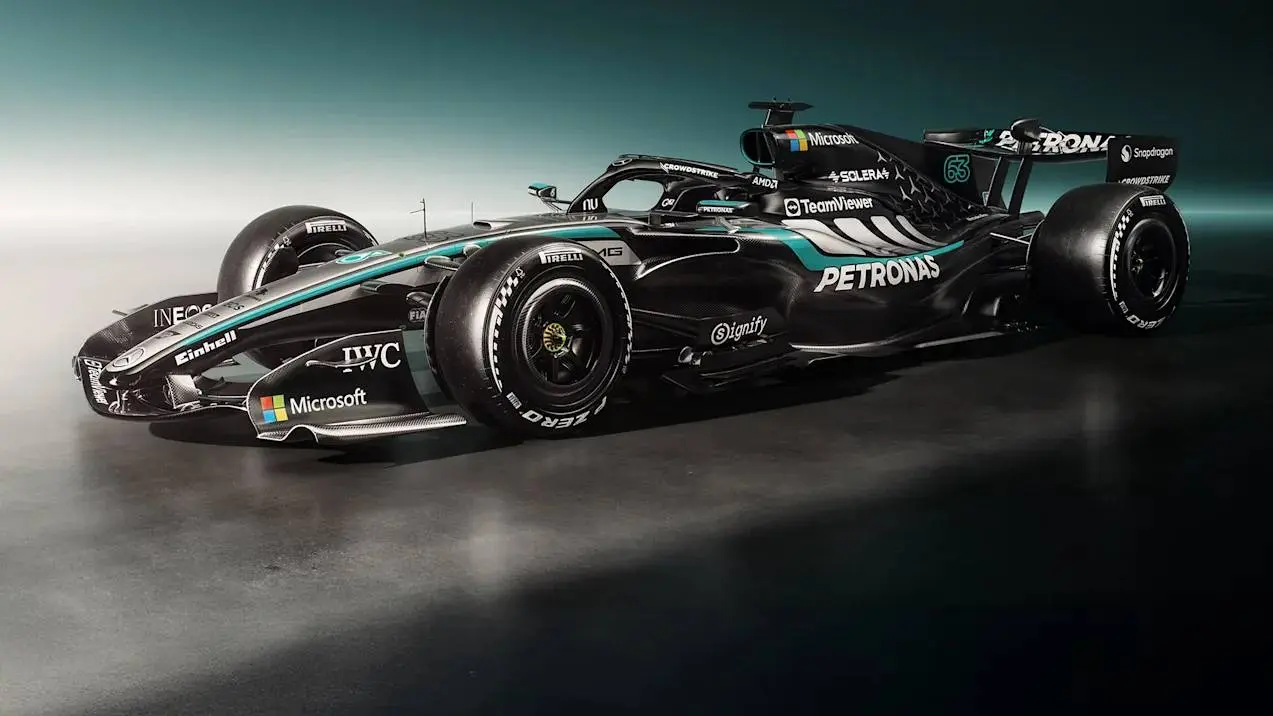
Mercedes' 2026 challenger - Photo: Mercedes AMG F1 Team
My fear is this: does it all become too artificial?
I recently worked in the World Supercross Championship - dirt bikes racing in stadiums. The rules are simple. Petrol-powered bikes race directly against all-electric machines. The racing is exciting, raw, and refreshingly easy to follow.
In this new era of Formula 1, drivers may overtake using battery boosts, only to be re-passed moments later while they regenerate energy through corners. It risks becoming overly complicated.
ADVERTISEMENT
Temple may be right when he says we can expect “more variation and perhaps some unexpected overtaking manoeuvres,” with drivers overcommitting early and compromising themselves later. Maybe that will be a good thing.
But my concern is that fans will be left in the dark - unable to read races or understand what is unfolding in front of them. Engineers and hardcore fans may grasp it easily, but the casual audience Formula 1 is so keen to attract could instead be alienated by increasingly complex cars, rules, and driving styles.
I am all for technological progress. But I am also a believer in good, straightforward racing that fans can understand. My fear is that this new era may be a step too far - and that the sport so many people love risks becoming overly artificial and unnecessarily difficult to follow, catering only for the engineers who write the rules.
Read also
ADVERTISEMENT
F1 Paddock Update
Want to stay up-to-date with what happens in the F1 paddock? Then GPblog's F1 Paddock Update video is the perfect way to do it. Subscribe to GPblog's YouTube channel and turn on notifications to never miss the latest episodes.
Follow us on Spotify as well!
Don’t miss GPblog in Google
Mark us as a preferred source and our articles will appear more often at the top of Top Stories.
Add as a preferred / source on Google