Revealed: Why Sainz was hit with two pit-lane speeding penalties
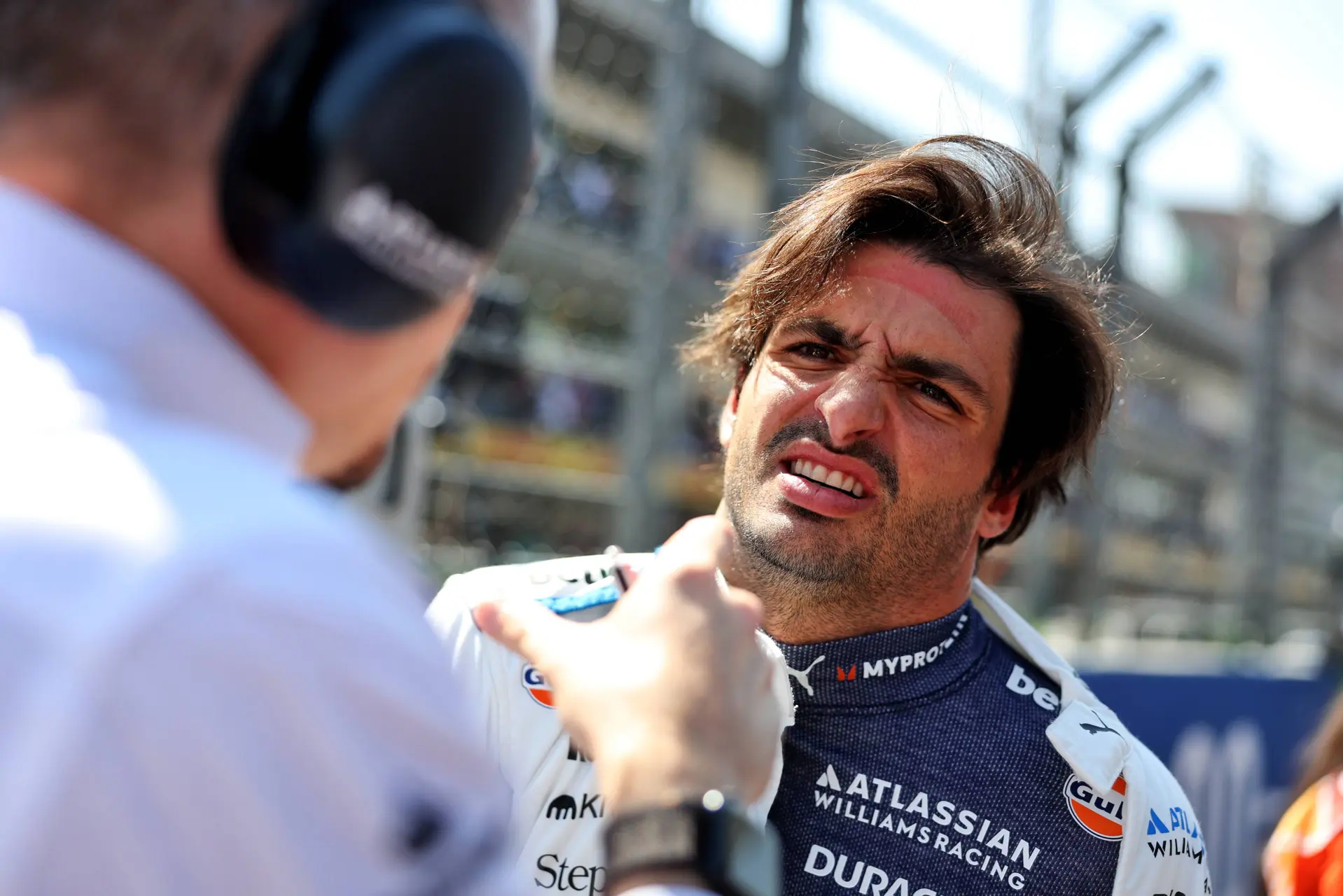
Photo: Race Pictures
Updated:
1 Comments
Tobia is a Formula 1 journalist at GPblog with experience at international circuits. Since 2022, he has covered Grands Prix across Europe, delivering reliable coverage and insights from the paddock.
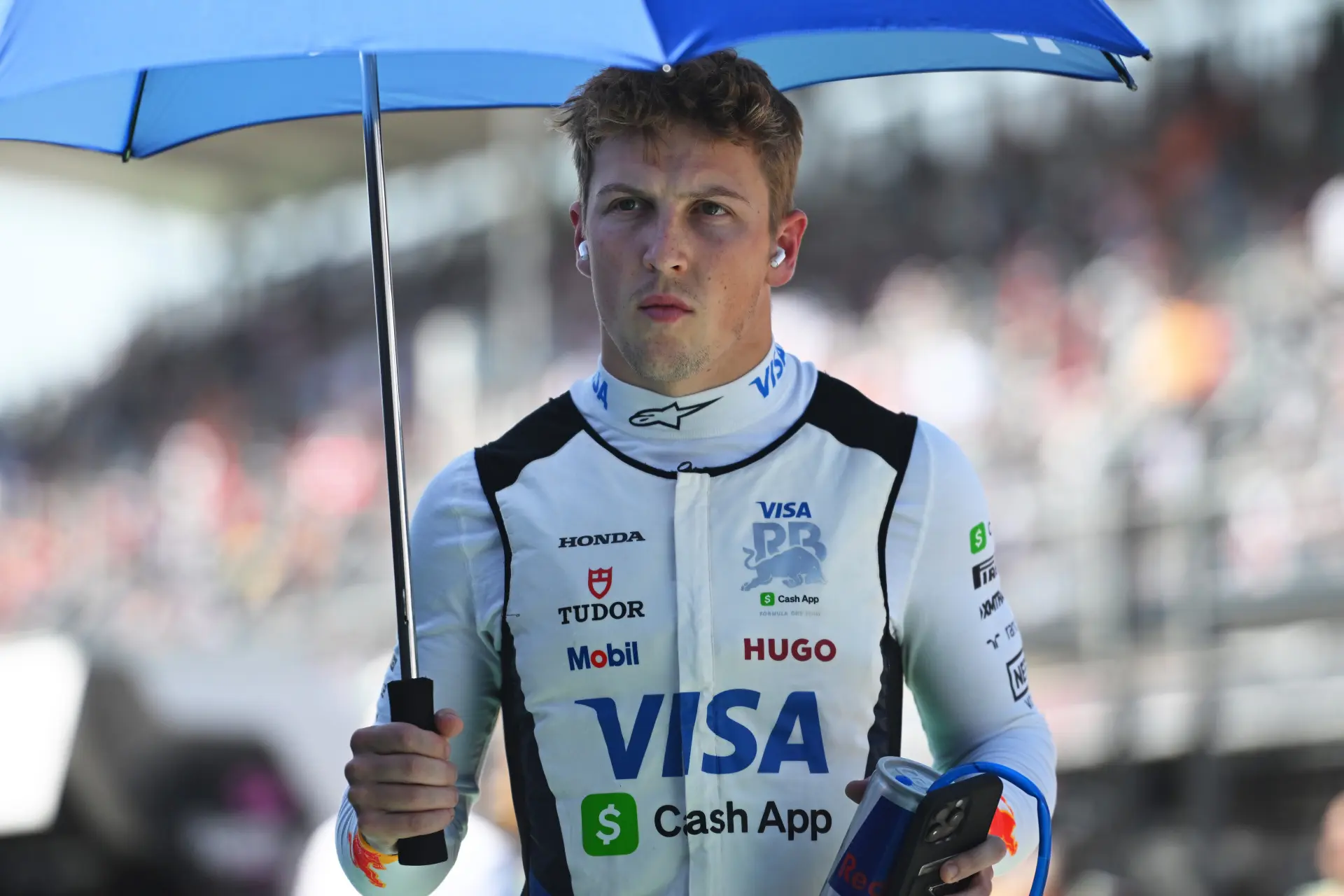
Carlos Sainz reflected on his lap-one collision with Liam Lawson in Mexico, which indirectly led to his double pit-lane speeding penalty later in the race.
"In that contact, we damaged the rim of the first set of tyres, which caused massive vibrations"- Carlos Sainz
Speaking to the media after the race, the Spaniard revealed that the Turn 1 contact damaged the front tyre sensors, which in turn prevented him from activating the pit limiter — a problem that ultimately led to his double penalty.
"We had contact in Turn 1 — he explained - I picked three or four cars side by side. In that contact, we damaged the rim of the first set of tyres, which caused massive vibrations.
"We lost all the sensors of the front tyres, which meant we lost the possibility to engage the pit limiter. Every time I was going through the pit lane we were having issues, because the sensor wasn’t reading and I didn’t know at which speed I was going."
ADVERTISEMENT
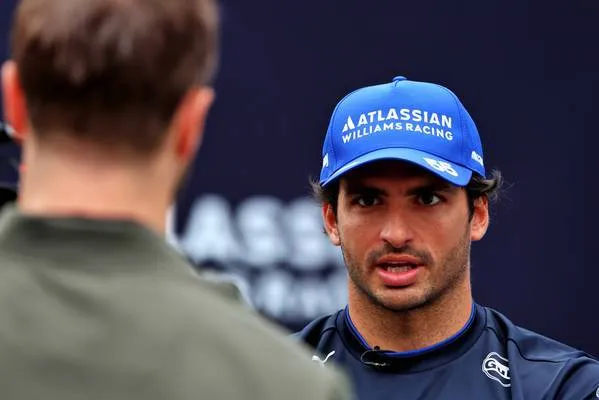
Carlos Sainz - Photo: RacePictures
He finally added: "So every time we were in the pits, we were getting a penalty. In the end, even though we were on for a points-scoring position today, we just had too many issues with the car — too many problems stemming from that Turn 1 incident."
The Spaniard was eventually forced to retire, bringing his Mexican weekend to an end with no points, while his teammate crossed the line in 12th place.
Read also
FIA respond to fans' anger after late VSC at the F1 Mexico GP
ADVERTISEMENT
The Spaniard’s late-race retirement sparked heated debate, as although he parked his Williams safely in the run-off area, the incident still triggered a Virtual Safety Car.
The VSC neutralised the race in line with regulations, but also deprived fans of a potentially thrilling fight for second place between Max Verstappen and Charles Leclerc.
Many argued that the neutralisation was unnecessary, claiming Sainz’s car posed no real danger where it had stopped — yet the FIA later issued a public explanation clarifying why race control decided to deploy the VSC.
Read also

GPblog's latest F1 Paddock Update
ADVERTISEMENT
Want to stay up-to-date with what happens in the F1 paddock? Then GPblog's F1 Paddock Update video is the perfect way to do it. Subscribe to GPblog's YouTube channel and turn on notifications to never miss the latest episodes.
Don’t miss GPblog in Google
Mark us as a preferred source and our articles will appear more often at the top of Top Stories.
Add as a preferred / source on Google