
A filmmaker with a soft spot for Ronnie Peterson, Gilles Villeneuve, Mika Hakkinen and above all, Tazio Nuvolari and Ayrton Senna, is also a diehard Formula One fan since the age of 4 (mid-90's). An avid researcher of the past of Grand Prix Racing since before it was even named F1, and with a thirst for knowledge of the ins and outs of the actuality of the sport, as well as for the technical aspects that define it, is a member of GPblog since 2023, where he has put his love of racing to good use.
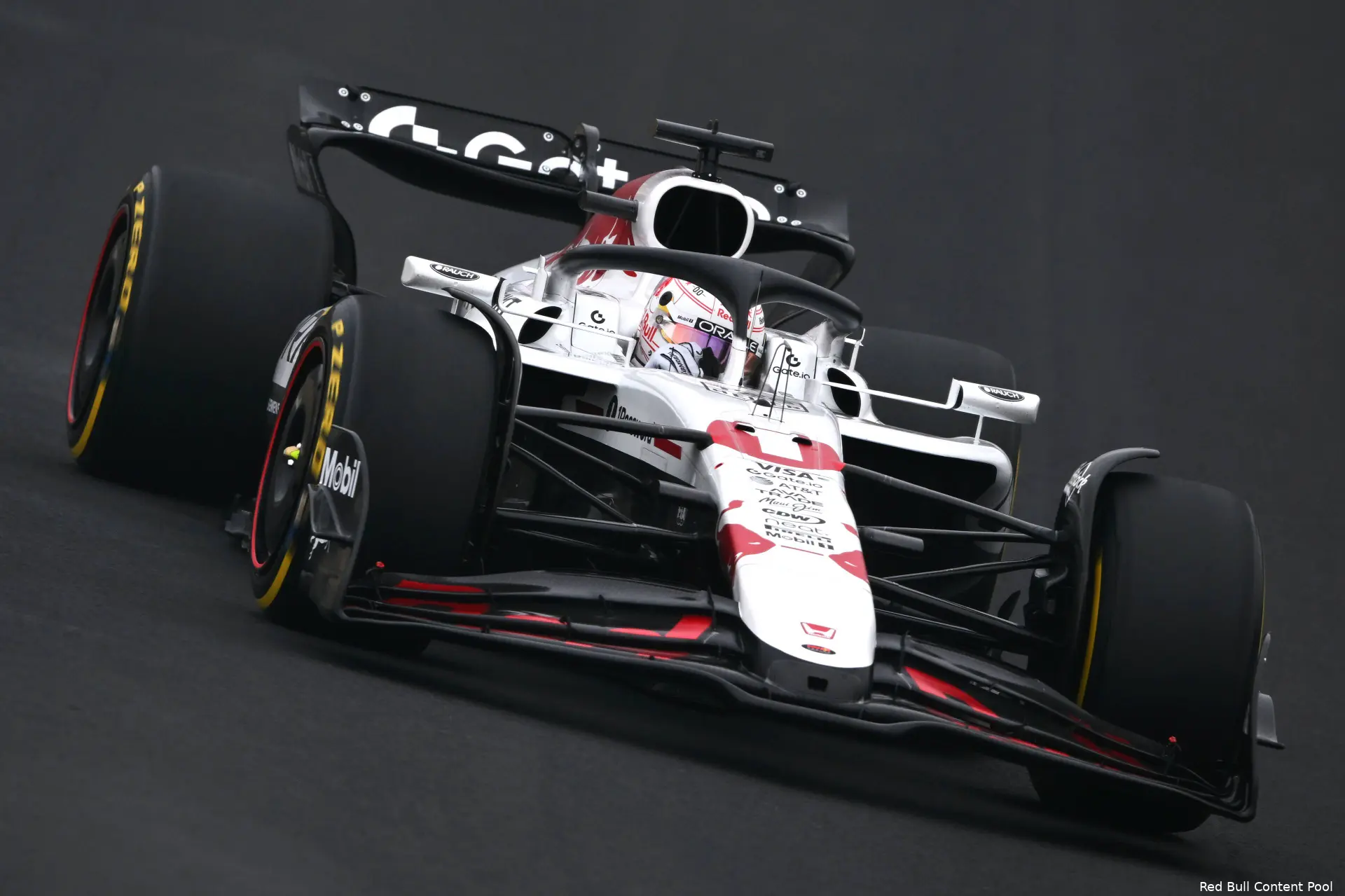
Red Bull Racing's correlation issues hindered them in the early stages of the race weekend in Japan, which the Austrian team managed to turn around, giving Max Verstappen a reason to prove 'why he has number 1 on his car'.
Despite the time Verstappen and new teammate Yuki Tsunoda put in the simulator to find the right configuration for the punishing Suzuka circuit, when the team first ran the RB21 they found that the data from the simulator failed to match that of the track.
Horner saw Red Bull getting the car into the right window
How close to reality, then, is the simulator, and how trustworthy can it be when cross-referencing the data against the information gathered from actual on-track running? "Inevitably those questions always get asked, and the biggest sensor that you have in the car is the driver", said the team principal in the Red Bull hospitality.
"All credit to the team this weekend, that at the beginning of the weekend we looked like we were out the window. We managed to get the car into a decent window and then Max Verstappen demonstrated why he's got the number one on the car", Horner summerised Red Bull's successful weekend in Japan.
ADVERTISEMENT

Don’t miss GPblog in Google
Mark us as a preferred source and our articles will appear more often at the top of Top Stories.
Add as a preferred / source on Google
