After a season of turbulence, Hamilton finally feels at home at Ferrari
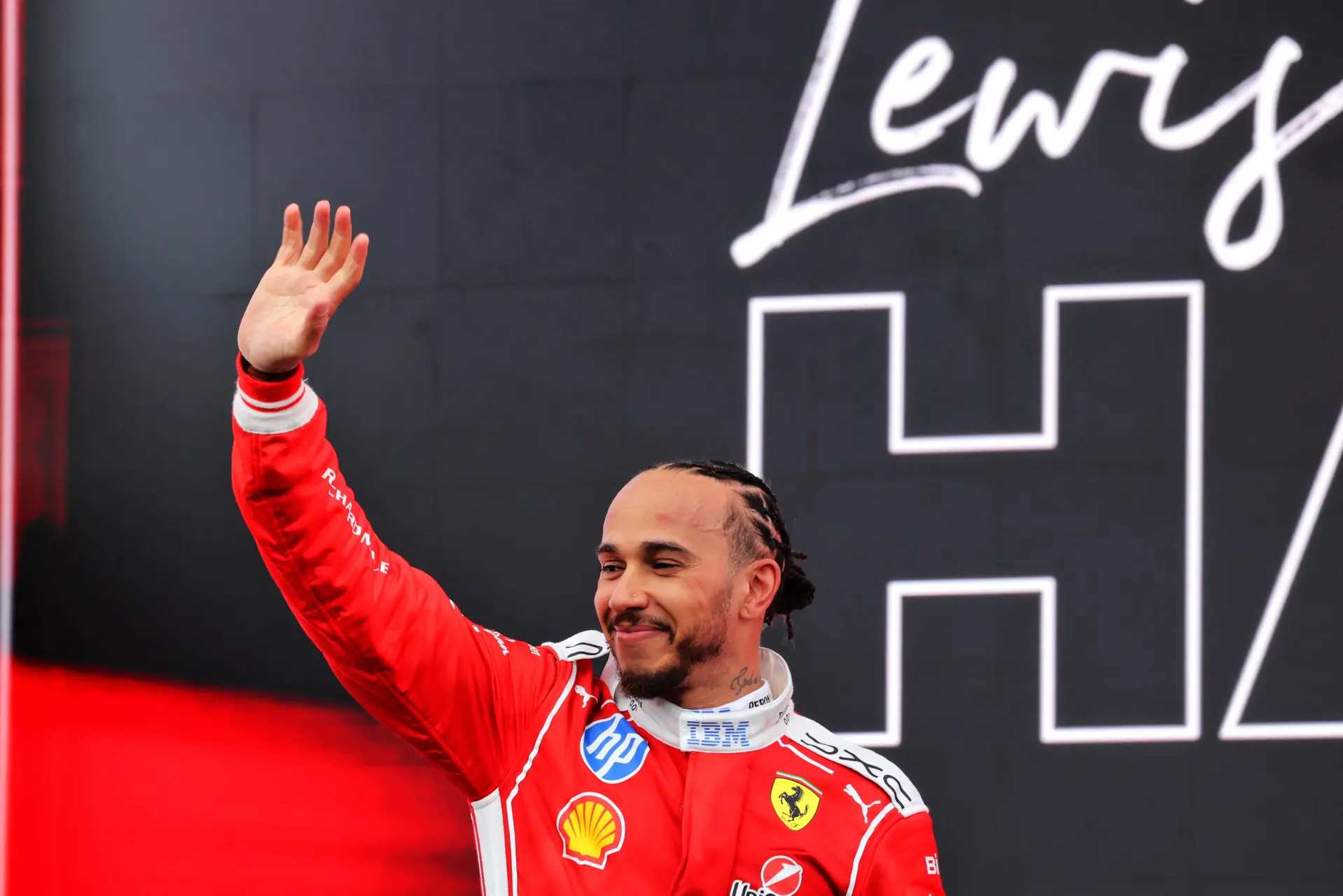
Photo: Race Pictures

Ben Hunt is an award-winning motorsport journalist with over two decades of experience in Formula 1 and international media. As a former editor-in-chief and bestselling author, he delivers in-depth analysis and strategic insight from the highest level of the sport.
Lewis Hamilton insists he has finally found the “right place” at Ferrari after months of frustration, adaptation and relentless self-analysis - and the results are beginning to show.
The seven-time Formula 1 world champion arrived at Maranello carrying enormous expectations. His blockbuster switch from Mercedes was supposed to mark the start of a new era for him and for Ferrari, but the reality proved far tougher than many anticipated. Early struggles with the SF-25 exposed how difficult it is to unlearn more than a decade of habits developed at Mercedes, particularly with a car that demands a radically different driving style.
Now, however, there are growing signs that Hamilton is turning a corner, albeit not being entirely happy with this new set of regulations.

Photo: Race Pictures
Canada GP proves to be acid test
ADVERTISEMENT
After producing his strongest Ferrari performance yet in Montreal, Hamilton admitted he had effectively “moved mountains” behind the scenes to create an environment where he could finally thrive. The breakthrough was not simply about lap time, but understanding the car, the engineers and the working methods inside Formula 1’s most famous team.
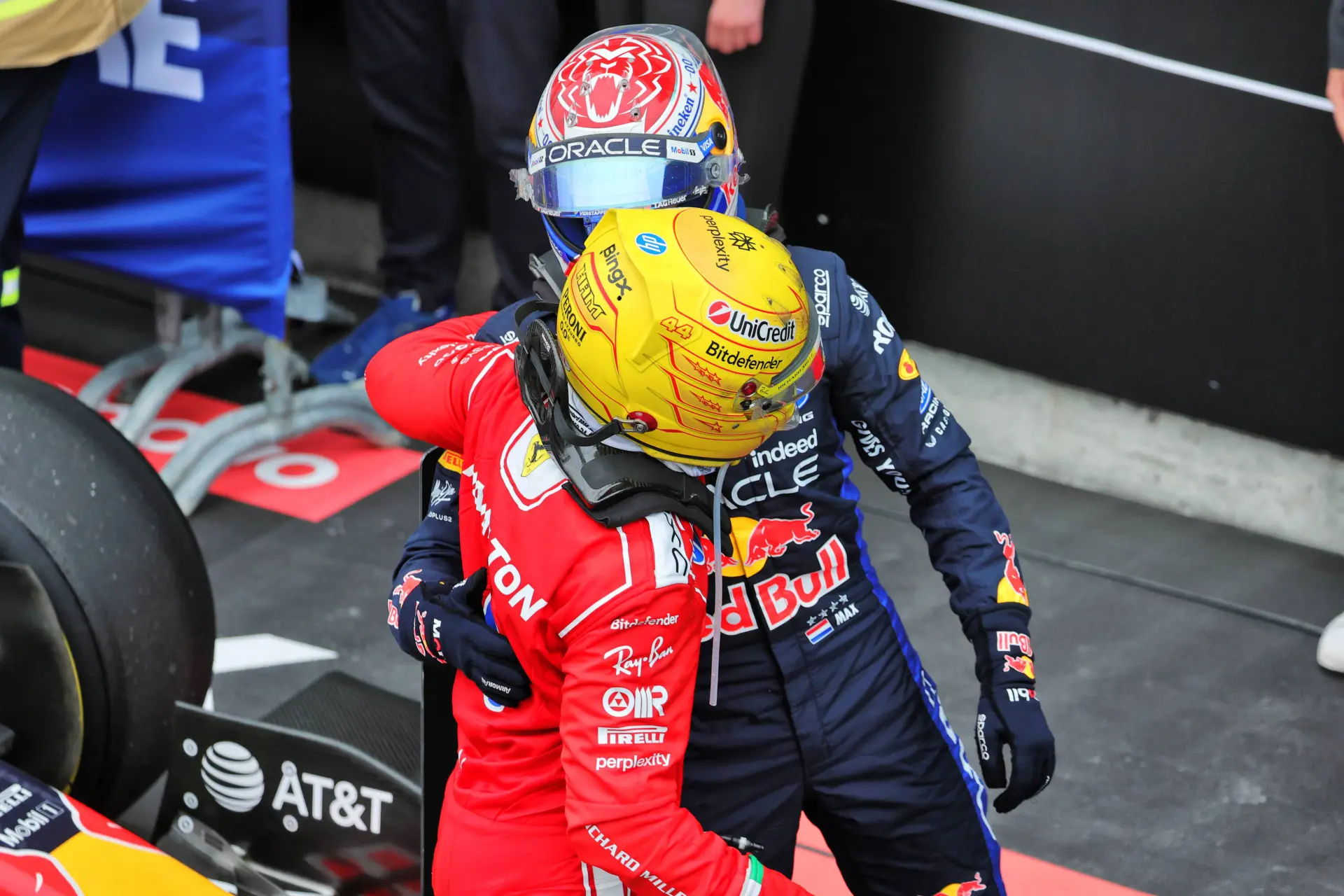
Hamilton’s Ferrari journey has been defined by adaptation from both sides. Team principal Fred Vasseur, who was all-smiles at the end of the race - has repeatedly stressed that while Ferrari must evolve around Hamilton’s preferences, the Briton also has to evolve with the car. That process appears to be accelerating.
One of the biggest changes came through setup direction. Hamilton admitted earlier in the season that moving closer to teammate Charles Leclerc’s configuration delivered what he described as a “night and day” difference in Bahrain. Ferrari’s nervous front-end characteristics had initially left him struggling for confidence, but recent races suggest he is finally beginning to unlock the platform’s potential.
Changes behind the scenes
ADVERTISEMENT
There have also been key structural adjustments behind the scenes, including a new race engineer. Ferrari overhauled Hamilton’s support earlier this year, bringing in experienced personnel better suited to his style and technical feedback. Combined with a more data-driven approach and less reliance on simulator work, the changes have helped Hamilton feel more connected to the car on race weekends.
The shift in mood is striking compared to the opening phase of the campaign, when Hamilton openly admitted he underestimated how difficult life at Ferrari would be. Results lagged behind Leclerc, criticism intensified and doubts inevitably surfaced over whether the move had come too late in his career.
Yet internally, Ferrari appears convinced the long-term project is moving in the right direction. Hamilton himself recently said he feels he is in the best place since joining the Scuderia, with increasing influence over the direction of future car development, which is crucial. The team did not sign Hamilton simply for marketing impact but to provide a winning mentality as it had forgotten what championship success looked like, it's last title coming in 2007.
That ambition remains the goal for now, but after months of searching, Hamilton finally looks comfortable in red and perhaps, for the first time since leaving Mercedes, genuinely at home.
ADVERTISEMENT
Don’t miss GPblog in Google
Mark us as a preferred source and our articles will appear more often at the top of Top Stories.
Add as a preferred / source on Google