Why Racing Bulls saying no to Vowles is the worst news Williams could have got
Updated:
0 Comments

Ben Hunt is an award-winning motorsport journalist with over two decades of experience in Formula 1 and international media. As a former editor-in-chief and bestselling author, he delivers in-depth analysis and strategic insight from the highest level of the sport.
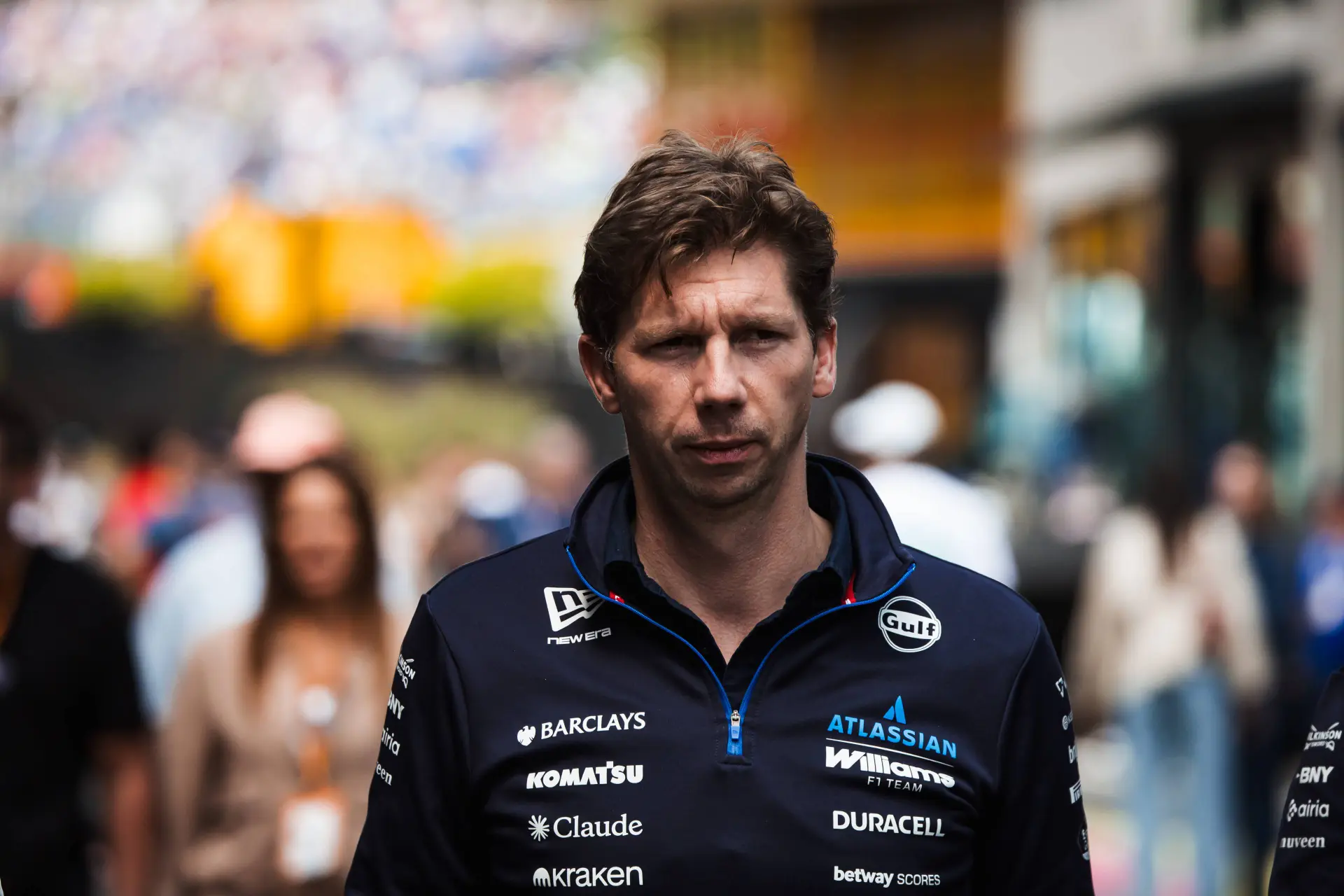
James Vowles has spent weeks building a coalition. He has the backing of Cadillac, Aston Martin, Audi and Alpine. He has the sympathy of Formula 1 management and the FIA. He even has a clear, well-argued case: the cost cap has trapped smaller teams in a cycle of catching up to infrastructure gaps that were locked in before financial regulations even existed. But at the Singapore Grand Prix paddock, the team that may hold the casting vote spoke - and the message was not what Vowles needed to hear.
Alan Permane, trackside operations director at Racing Bulls, made the outfit's position clear, saying: "I don't think we would support a wholesale change to the cost cap rules to start being able to spend huge amounts more money." He acknowledged that tweaks might be possible, and conceded that the existing framework already contains mechanisms for capital investment. But on the fundamental question of whether teams should be given greater spending freedoms based on their championship position, the core of what Vowles is proposing, Racing Bulls offered no encouragement.
That is a huge blow to Vowles' proposal which threatens to kill is move to make change before it even started.
The numbers game
For changes to come into force as early as next season, Vowles needs six of the eleven teams to vote in favour at the next Formula 1 Commission meeting, scheduled for next month. He currently has four confirmed supporters.
ADVERTISEMENT
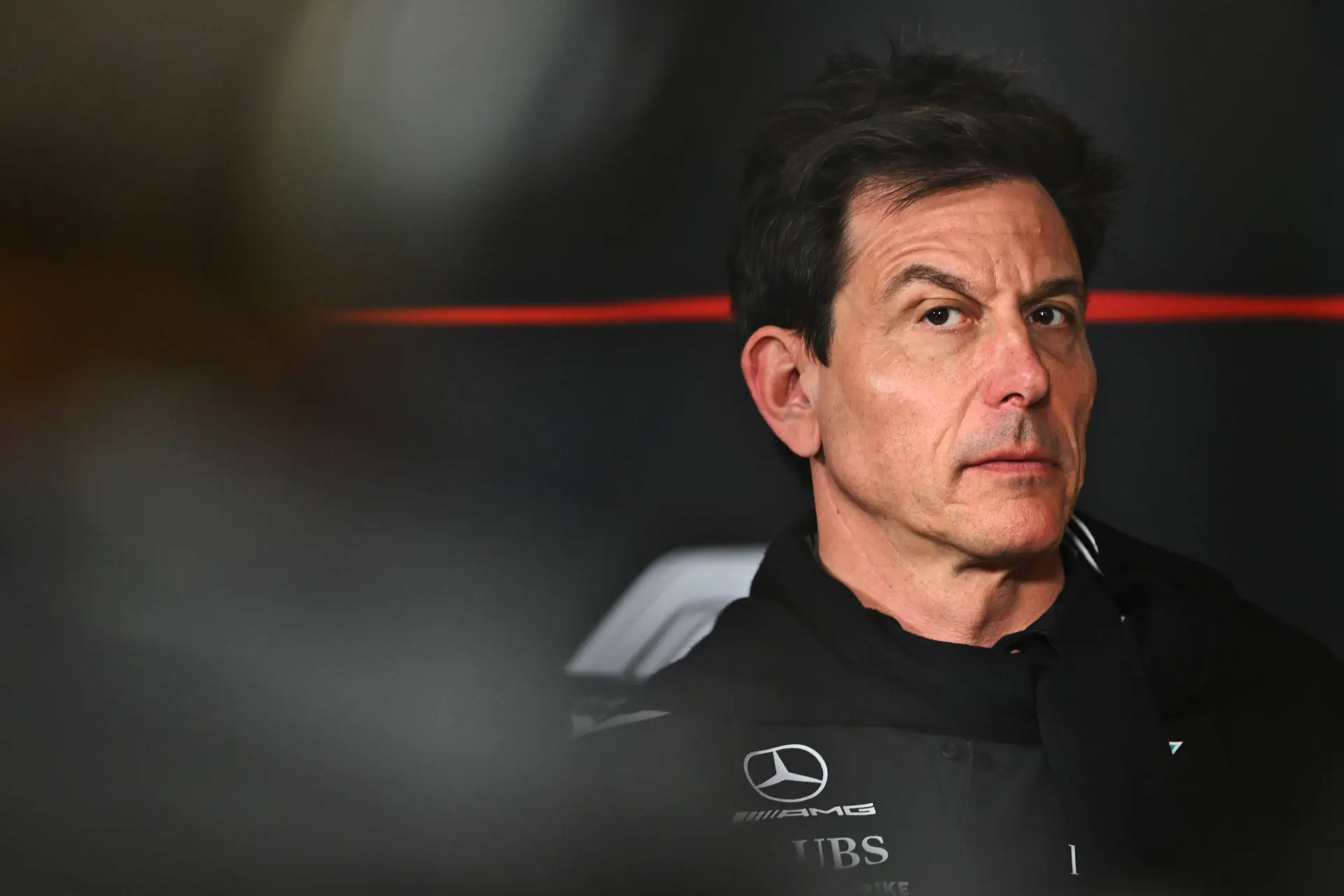
Haas is against it. Mercedes, through Toto Wolff, has expressed scepticism about the championship-position-based mechanism Vowles favours, even while offering sympathy for Williams' underlying situation. McLaren's Zak Brown pointed to his own team's title-winning success as evidence that the system can work, and defended the existing CapEx-OpEx framework.
That leaves Racing Bulls as the swing vote that could take Vowles from four to five, still one short, but the vote most likely to bring Red Bull's influence into the room. Vowles himself believes Red Bull could be "sensible" to his pitch, after all, investing in Racing Bulls' competitiveness raises the value of the whole programme, and greater financial tools for the junior team could only help. He has spoken openly about that logic.
But if Racing Bulls' public position, which was articulated by Permane, reflects the internal thinking at Red Bull's Milton Keynes campus, Vowles' plan for 2026 implementation could already be dead on arrival.
Read also

The weight of the opposition
ADVERTISEMENT
It is not just the vote count that makes Racing Bulls' stance damaging. It is the composition of the opposition that is forming around Vowles' proposal.
Wolff's reservations are understandable. As he explained, Mercedes restructured significantly to comply with the cost cap and has depreciation costs to accommodate as a result. Asking those teams to now fund more generous spending rules for rivals who invested less, or later, is a hard sell, and Wolff said as much, saying: "We just need to find the right balance of not undoing something that we actually consciously changed a year or two ago."
Brown's rebuttal is arguably even more potent because it is rooted in results. McLaren won the constructors' championship without the largest factory, without a works engine, and without the financial muscle of the biggest operations. For Vowles to argue that structural disadvantage makes title challenges impossible, Brown's very existence as a champion is an inconvenient counter-argument.
Add Haas to that group, and Racing Bulls' reluctance puts Vowles in a position where even getting to five votes looks difficult, let alone six.
ADVERTISEMENT
What Vowles actually needs
Vowles has been careful not to demand the cap be scrapped. His proposal is targeted: a catch-up mechanism, linked to championship position, that gives outfits spending more on legacy infrastructure gaps extra room to invest. He has pointed out that a team like Williams is $200 million behind where it needs to be in facilities, and that closing that gap through normal depreciation write-offs would cost $20 million per season for a decade, all coming out of the development budget.
The FIA and Formula 1 management would appear to agree too, but in a sport where any rule change requires coalition-building across competing commercial interests, the politics are just as important as the argument.
Permane's comments suggest that Racing Bulls, and by extension Red Bull, are not yet convinced that the problem is serious enough to justify the solution Vowles has put forward.
Whether Vowles can change that thinking before the Commission vote next month will likely determine whether his reform effort succeeds this year or gets pushed back to 2028, where only four votes are needed but the timeline for any impact stretches further into the future.
ADVERTISEMENT
For now, the team that Vowles most needed to win over has delivered its verdict in public. It was not the answer he was looking for.
Don’t miss GPblog in Google
Mark us as a preferred source and our articles will appear more often at the top of Top Stories.
Add as a preferred / source on Google