
Ludo van Denderen is a motorsport journalist at GPblog, specializing in Formula 1 and international racing series.
The Bahrain Grand Prix may still be six weeks away on the calendar, but Formula 1 doesn’t have nearly that long to decide whether the race can realistically go ahead amid rising tensions in the Middle East. Here’s why.
On paper, the fourth round of the yet-to-start Formula 1 season might feel distant. In reality, April 12 — when the lights are set to go out at the Bahrain International Circuit — is fast approaching. Logistically, F1 must arrive much earlier: following the Japanese Grand Prix on March 29, part of the championship’s freight is scheduled to be flown directly to Bahrain, meaning preparations begin in roughly four weeks.
That is, if transporting everything is even possible. Airspace over Bahrain and several neighbouring Gulf states is currently closed, leaving figures such as Nyck de Vries and members of the McLaren team effectively stranded in their hotel in Bahrain, with no clear indication of when departures will be allowed.
With increasingly hostile rhetoric emerging from Israel, the United States and Iran, the situation shows little sign of easing quickly. As tensions persist, Formula 1 faces a rapidly approaching dilemma: press ahead, postpone — or call the race off altogether?
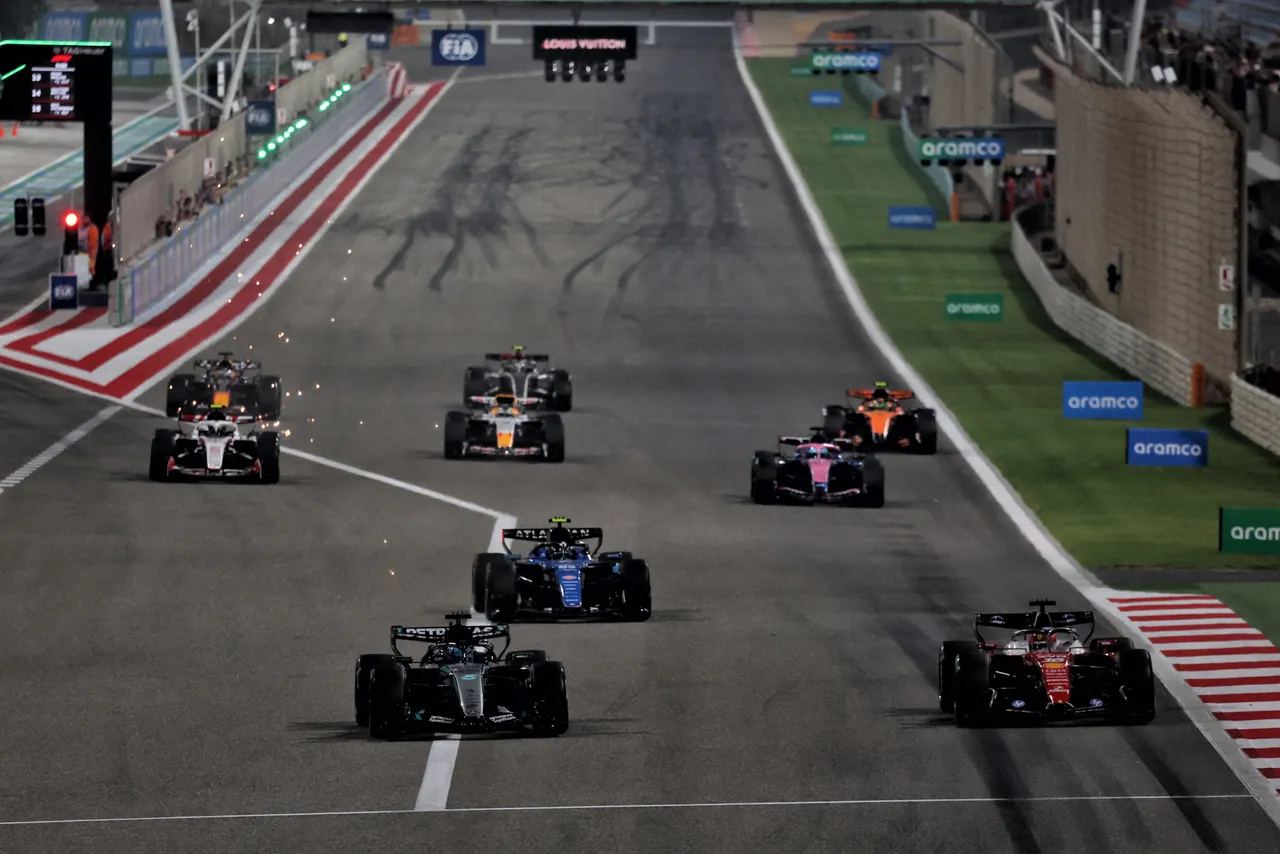
Photo: Race Pictures
ADVERTISEMENT
Formula 1 faces difficult dilemma
It’s a devilish dilemma for the sport. If the plug is pulled on the race too early and it turns out to be relatively calm in the region in four weeks’ time, the intervention will have been for nothing. But waiting too long leads to all sorts of logistical problems.
As mentioned, how do you get all the equipment to its destination? And how safe is it for the staff? Suppose the F1 cars and equipment manage to reach Bahrain as normal, only for the conflict to flare up again; no one wants F1 to end up stranded after all, as is happening to De Vries now.
Formula 1 is closely monitoring the situation, as the organization told GPblog on Saturday. That the situation is causing plenty of headaches is, at any rate, a certainty.
ADVERTISEMENT
Read also



Don’t miss GPblog in Google
Mark us as a preferred source and our articles will appear more often at the top of Top Stories.
Add as a preferred / source on Google