F1’s V8 discussions gather pace but 2030 remains a target, not a settled date
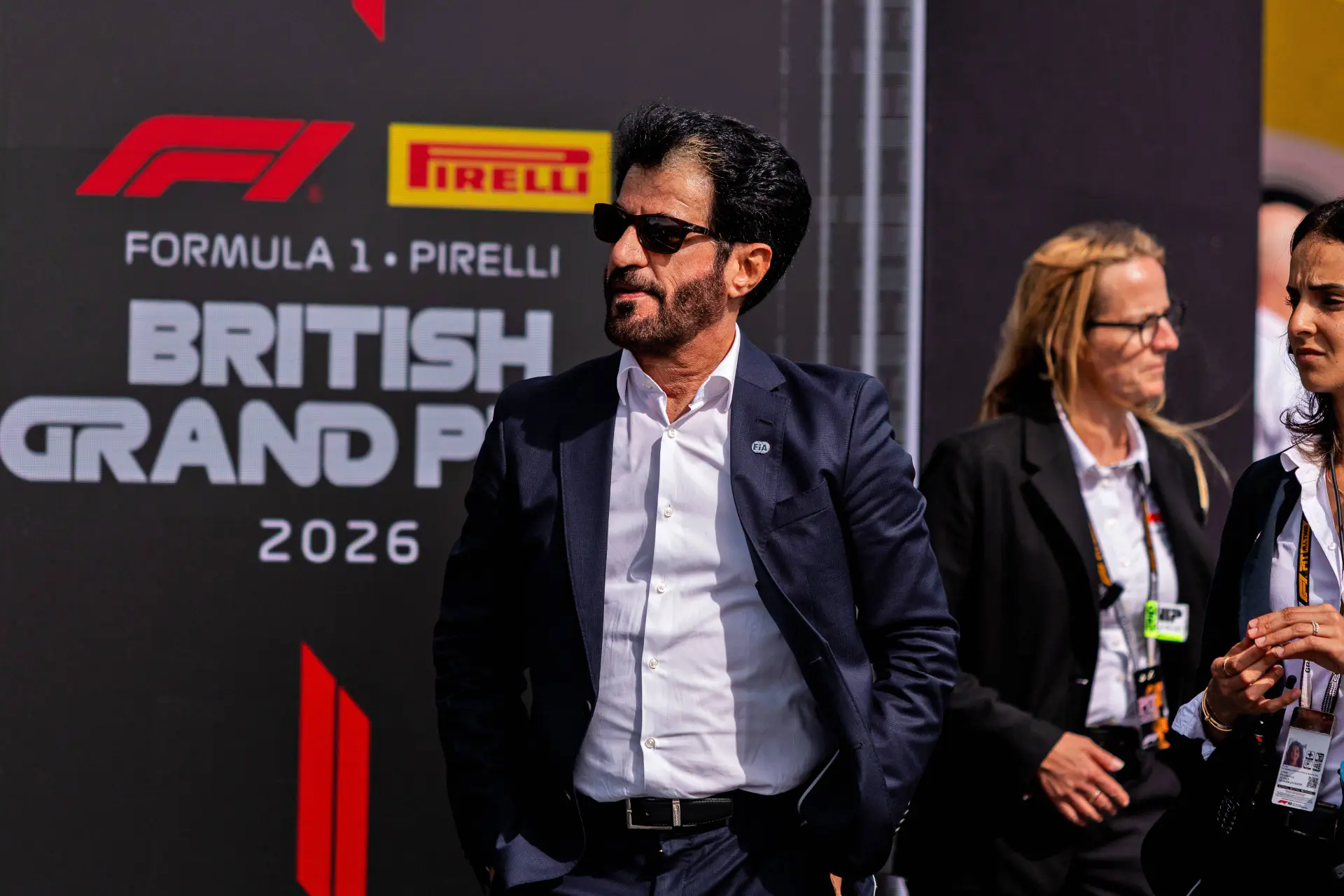
Photo: Race Pictures

Ben Hunt is an award-winning motorsport journalist with over two decades of experience in Formula 1 and international media. As a former editor-in-chief and bestselling author, he delivers in-depth analysis and strategic insight from the highest level of the sport.
Formula 1 is edging towards a serious discussion about a future V8 engine but what is really on the cards and is it a realistic option to the hybrid units we currently have?
The concept under discussion centres on a 2.1-litre turbocharged V8, a smaller turbo and a reduced electrical component. The reported proposal would retain hybrid power, including a 200kW electric motor, with some energy available continuously and additional power reserved for an overtaking or push-to-pass function.
That would not be a return to the old, non-hybrid V8 formula. The aim, as described in reporting, is to simplify the package while retaining electrification and sustainable fuel. The balance between those goals is precisely what remains to be negotiated.
Why simplicity is part of the appeal
FIA president Mohammed Ben Sulayem has argued that simpler engines could reduce costs. The broader ambition is also to make future cars lighter: The FIA technical director Nikolas Tombazis wanted cars to come “comfortably below 700kg”.
ADVERTISEMENT
Those ambitions are ambitious. A less complex power unit could potentially reduce manufacturing and operating costs, while a lighter car could improve the driving experience. But neither result follows automatically from changing the engine layout. The size of the hybrid system, the battery, fuel requirements and the rest of the car’s design all affect the final weight and cost.
The V8 discussion also involves manufacturers’ priorities. Teams and engine suppliers want a package that remains technically relevant and offers meaningful competition, rather than a formula that makes the power unit a standardised commodity. The details will determine whether a simpler engine can also preserve the engineering contest that manufacturers value.
The timing remains the most obvious uncertainty
The current power-unit rules are planned to run through 2030, which points towards 2031 as a more straightforward start for a new formula. The FIA has also expressed hope that the V8 could arrive in 2030. That is an ambition, not a confirmed date.
ADVERTISEMENT
There is already a history of debate around the idea. GPBlog previously reported that the FIA wanted a lighter and cheaper V8 formula for 2030, while another report examined how Stefano Domenicali viewed the possibility of a V8 comeback. Those stories provide context, but they do not mean the proposed package has been approved.
The next step is not to declare the V8’s return inevitable. It is to establish which parts of the concept manufacturers will support, how much electrical power remains, what the cost targets mean in practice and whether the transition can happen before or after 2030. Until those questions are answered, F1 has a direction under discussion and not a finished engine formula.

Don’t miss GPblog in Google
Mark us as a preferred source and our articles will appear more often at the top of Top Stories.
Add as a preferred / source on Google