Oscar Piastri’s winless 2026: what has kept the breakthrough out of reach?
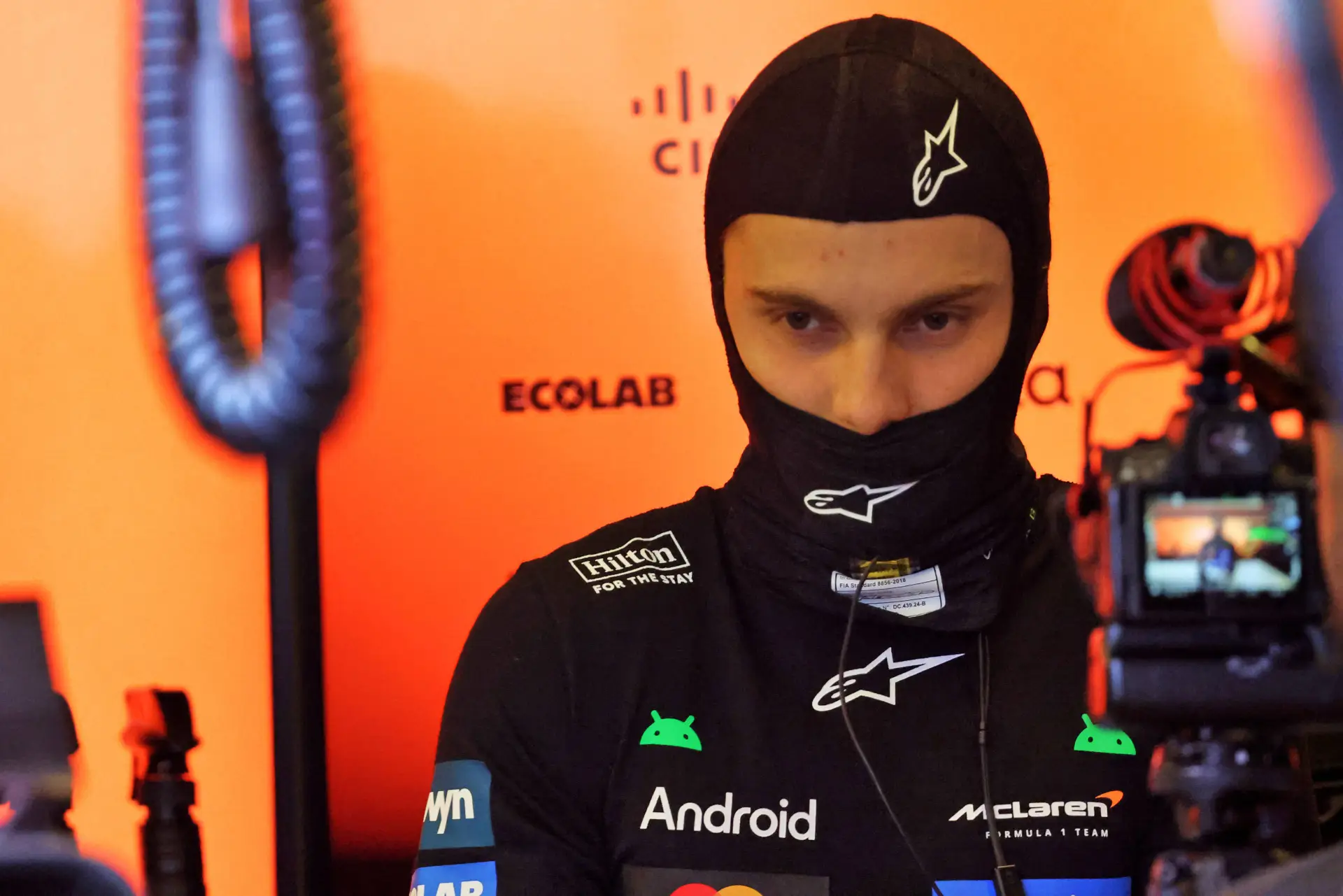
Oscar Piastri must be aggressive at the start - Photo: RacePictures

Ben Hunt is an award-winning motorsport journalist with over two decades of experience in Formula 1 and international media. As a former editor-in-chief and bestselling author, he delivers in-depth analysis and strategic insight from the highest level of the sport.
Oscar Piastri’s 2026 season has not followed the trajectory many expected after his title challenge the previous year. The McLaren driver has yet to win a Grand Prix in 2026, and the gap to team-mate Lando Norris has made his campaign a subject of scrutiny. The central question is not whether Piastri has the talent to win, but why the breakthrough has remained elusive.
One explanation has been adaptation to the current generation of cars. The 2026 regulations have changed the demands placed on drivers, and Piastri has spoken about the difficulty of finding consistent performance.
Team principal Andrea Stella has described the issue as technical rather than psychological, with the team working to help Piastri become more instinctive in how he approaches the car.
A driver can be fast and capable while still struggling to extract the maximum from a package that does not naturally suit their preferred style. When the car’s behaviour is unpredictable, a driver may need to spend more time processing what it is doing instead of relying on established references. At the highest level, even a small loss of confidence or consistency can affect qualifying, tyre management and race execution.
ADVERTISEMENT
McLaren have responded by shifting engineering resources toward Piastri and using lessons from the process that helped Norris through a difficult period in the past. GPBlog reported on McLaren’s support for Piastri, with Stella emphasising that the team is trying to address the performance issue directly.
The challenge is that development does not happen in a vacuum. McLaren’s upgrades must improve the car overall, but the team’s rivals are also bringing changes and finding performance. Piastri has expressed frustration that upgrades have not necessarily moved McLaren forward relative to the field, even when they have behaved as expected. His comments about McLaren’s struggles underline how difficult it can be to judge progress when competitors are improving at the same time.

A victory in one of the three remaining races would change the picture
A first win would change the feel of the season, but it cannot be treated as a simple cure. Piastri needs a weekend where the car’s pace, his confidence and the race circumstances align. That could mean qualifying closer to the front, managing tyres effectively and capitalising when opportunities appear.
ADVERTISEMENT
The final three races offer limited time, but they also give Piastri a chance to finish the year with momentum. A win may be difficult, particularly against a field that includes a resurgent Red Bull and a strong Mercedes, yet a sequence of clean, competitive weekends would still matter.
Piastri’s season should be assessed honestly without reducing it to a single statistic. The absence of a victory is significant, but the reasons behind it, and how he responds, will tell more about his development. The final stretch is an opportunity to show that the difficulties have been part of a learning curve rather than a permanent step backwards.
Don’t miss GPblog in Google
Mark us as a preferred source and our articles will appear more often at the top of Top Stories.
Add as a preferred / source on Google