Why Las Vegas is one of Formula 1’s hardest circuits to predict
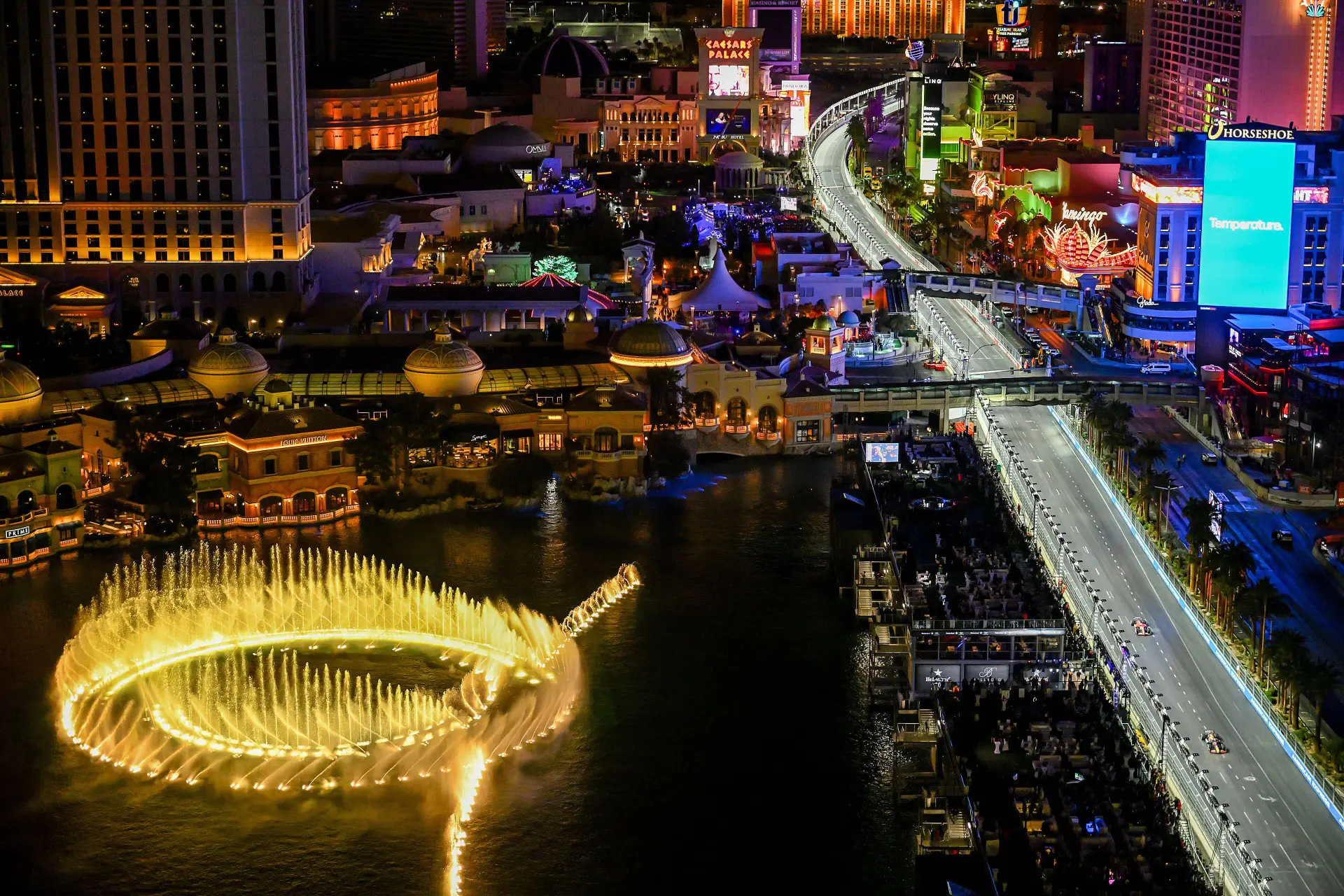
The long straight of the Las Vegas Strip Circuit presents a tyre dilemma every year - Photo: Red Bull Content Pool

Ben Hunt is an award-winning motorsport journalist with over two decades of experience in Formula 1 and international media. As a former editor-in-chief and bestselling author, he delivers in-depth analysis and strategic insight from the highest level of the sport.
Las Vegas is one of Formula 1’s most recognisable venues, but the spectacle is only part of the story. For teams, the street circuit presents a technical puzzle shaped by cold night-time conditions, long straights and the challenge of getting tyres into the right operating window.
The city’s setting changes the atmosphere of the weekend, but it also affects the racing. Track action takes place after dark, when temperatures can fall and grip becomes harder to manage. That can make tyre preparation particularly important. A car that struggles to warm its tyres may lack confidence and performance, while a set-up that works well in one session may not provide the same balance as conditions shift.
Max Verstappen has identified tyre performance as a key factor. The Red Bull driver has said it is difficult to predict the competitive order in Las Vegas because cars can behave differently in the cold. That uncertainty makes the first practice sessions more than routine preparation: they are an opportunity for teams to gather information and learn how their package responds.
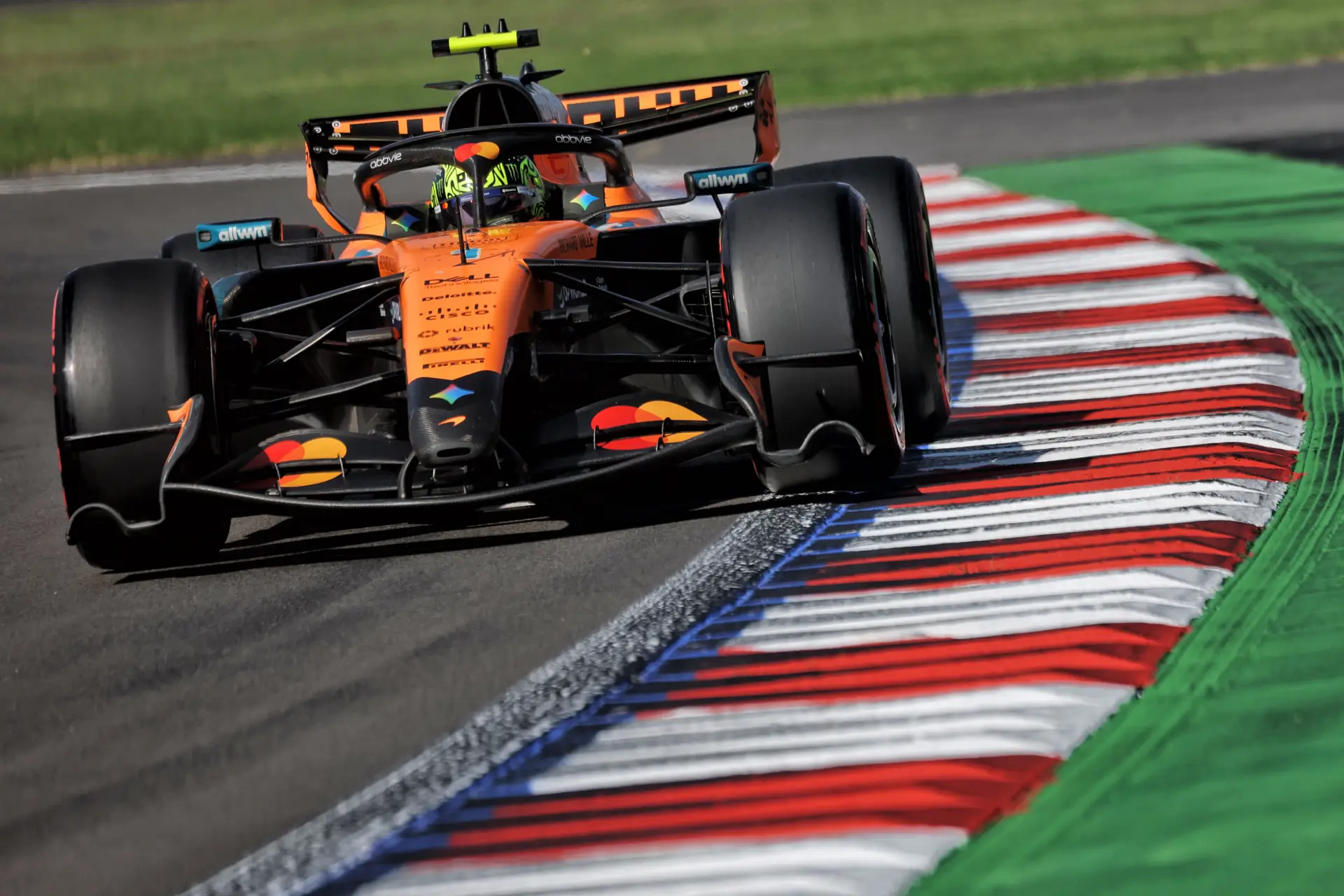
The circuit’s long straight creates another problem to solve. Under the 2026 regulations, energy management is a central part of performance. Drivers and engineers must decide how best to deploy energy across the lap, balancing acceleration and top speed with the need to remain competitive elsewhere. Verstappen has suggested that drivers may need to use the slipstream and manage deployment carefully along the straight.
ADVERTISEMENT
GPBlog’s coverage of Verstappen’s Las Vegas comments highlights why the venue can be difficult to forecast. A long straight might appear to favour a particular power-unit or aerodynamic approach, but the overall lap still depends on how the car performs through the other sections and how well its tyres respond to the cold.
The night-time schedule adds another variable. Teams must interpret data collected in sessions that take place in conditions closer to qualifying and the race, while balancing the limited practice time available. A strong Friday does not guarantee a strong Saturday if the track temperature or tyre behaviour changes.
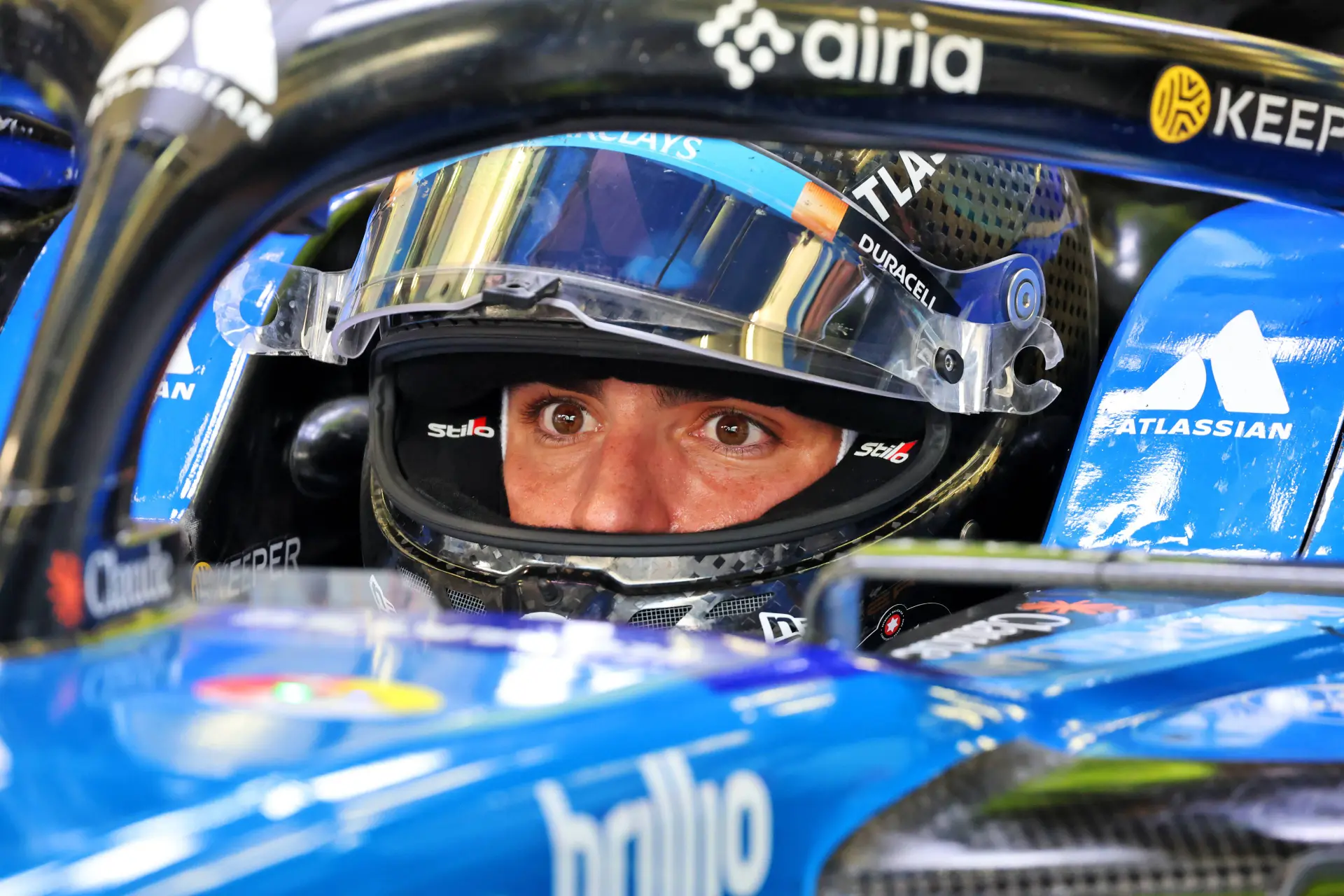
That is part of what makes Las Vegas compelling. The circuit’s visual identity is unmistakable, but the competitive order is not always obvious. Drivers need confidence on a fast street track, teams need to make accurate set-up decisions, and both must respond quickly when the conditions are unfamiliar.
GPBlog’s full weekend schedule sets out the unusual timing of the event. Once the cars take to the track, the real question will be which teams can adapt fastest and not simply which arrive with the strongest expectations.
ADVERTISEMENT
Don’t miss GPblog in Google
Mark us as a preferred source and our articles will appear more often at the top of Top Stories.
Add as a preferred / source on Google