
Ben Hunt is an award-winning motorsport journalist with over two decades of experience in Formula 1 and international media. As a former editor-in-chief and bestselling author, he delivers in-depth analysis and strategic insight from the highest level of the sport.
Max Verstappen’s late-season form has transformed the closing chapters of Red Bull’s 2026 campaign. After a difficult opening phase, the team has found a more competitive rhythm, and Verstappen has turned that improvement into victories and a run of results that put him in contention for second in the drivers’ standings.
The shift has not been a single overnight breakthrough. Car development, understanding of the package, execution across a race weekend and the ability to convert opportunities all matter. Red Bull’s resurgence has looked like a combination of those factors, with the team appearing increasingly capable of extracting performance as the season has progressed.
The results have improved and consolidated by wins
Verstappen’s results have been central to that recovery. His wins in Singapore and Mexico, followed by a second-place finish in São Paulo after starting near the back because of power-unit penalties, helped him climb to second in the championship.
The Brazil result was especially valuable: rather than allowing a compromised starting position to define his weekend, he recovered through the field and came away with a major points haul.
ADVERTISEMENT
GPBlog covered Verstappen’s comments after Red Bull’s turnaround, while the team’s late-season progress has also been linked to its own power-unit project. That context matters because a strong result is not just about one driver. Reliability, energy deployment and the ability to race consistently are all part of what a team must deliver under the 2026 regulations.
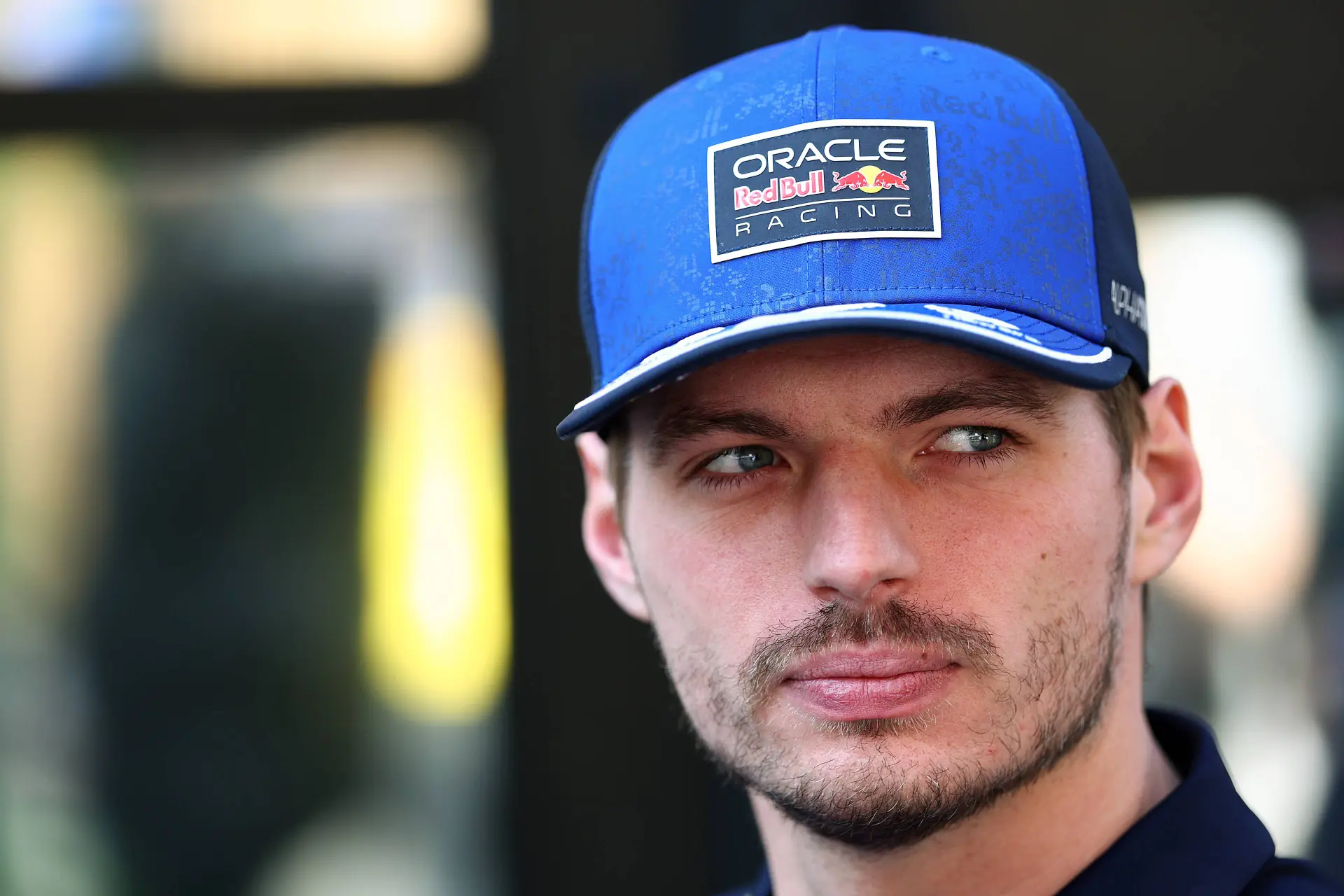
He has almost singled-handedly led Red Bull's charge
The resurgence has also changed the constructors’ picture. Red Bull have moved ahead of McLaren into third, but the advantage remains vulnerable with three races left. McLaren’s win in Brazil showed that the fight is not settled, and the final rounds will test whether Red Bull can sustain its recent pace or whether its rivals can respond.
There are reasons to be cautious before calling this a full revival. A late run of strong results does not erase the earlier difficulties, and different circuits can expose different weaknesses. Las Vegas, for example, presents a distinctive test with low temperatures, long straights and difficult tyre preparation. Verstappen himself has said the track’s competitive order can be hard to predict. His comments on what could decide the Las Vegas GP underline that even a team in form cannot assume the next weekend will follow the last.
ADVERTISEMENT
Still, Red Bull’s late-season surge has given the team momentum when it matters. It has put Verstappen in the fight for the runner-up position and given the team a lead to defend in the constructors’ standings. The final triple-header will show whether this is a temporary peak or evidence that Red Bull have found a stronger foundation for the next phase and more importantly, how that shapes things for next year.
Don’t miss GPblog in Google
Mark us as a preferred source and our articles will appear more often at the top of Top Stories.
Add as a preferred / source on Google