

Ben Hunt is an award-winning motorsport journalist with over two decades of experience in Formula 1 and international media. As a former editor-in-chief and bestselling author, he delivers in-depth analysis and strategic insight from the highest level of the sport.
In Formula 1, only one team wins the constructors’ championship. But when the title is decided, the rest of the standings do not suddenly become irrelevant. Ferrari’s push to secure second place in 2026 is a reminder that positions further down the table carry sporting and substantial financial weight.
Lewis Hamilton has spoken about Ferrari’s objective of holding second in the constructors’ standings, describing it as important for the people back at the factory. That emphasis says something about how teams view the championship. The result is not only a statistic for the record books; it can also represent the return on months of work by engineers, mechanics and support staff.
GPBlog’s report on Hamilton’s target for Ferrari captures that perspective. The title is the ultimate prize, but finishing second can still be a meaningful benchmark, especially when a team has had to manage difficult weekends, development setbacks and fierce competition.
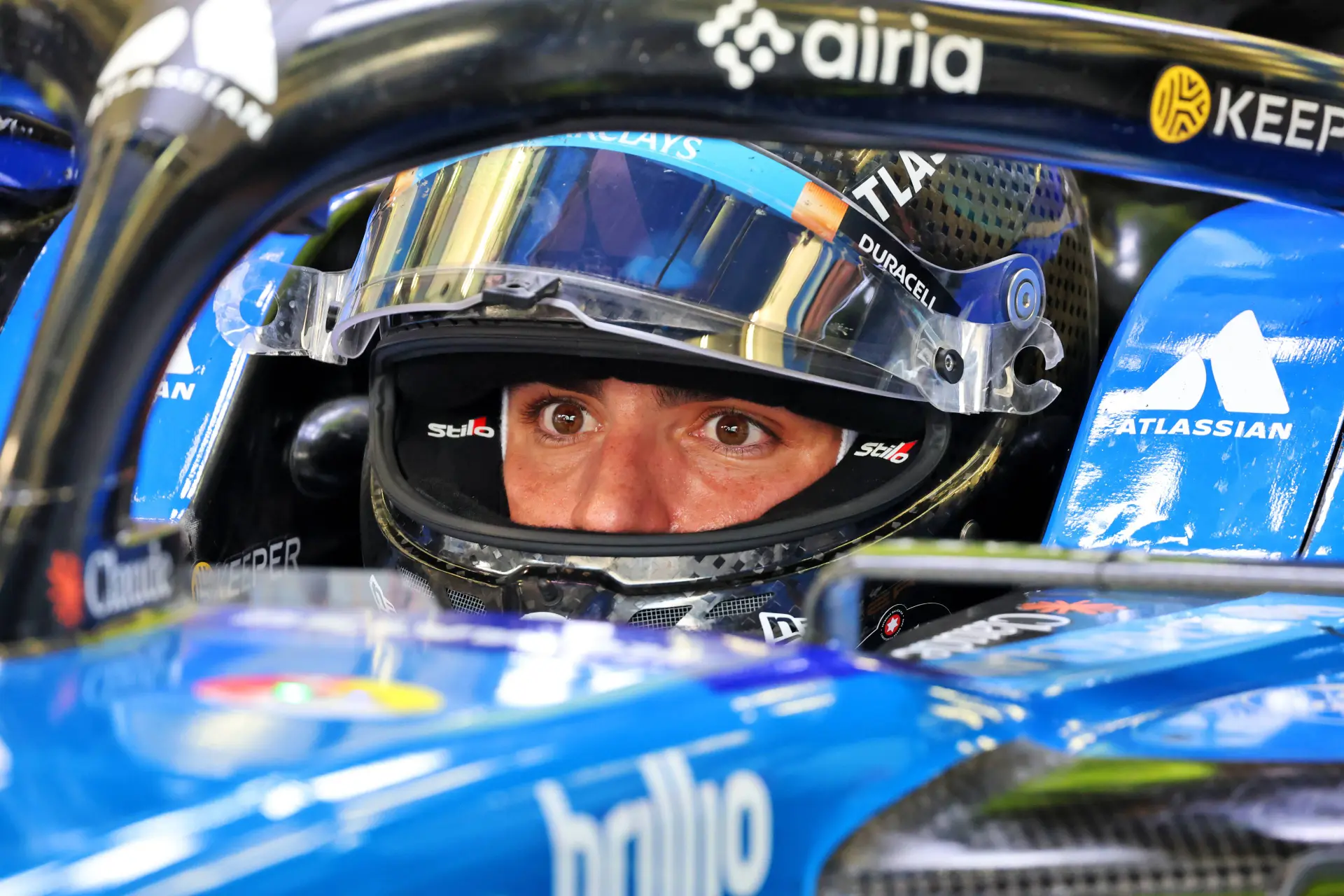
The importance of prize money
ADVERTISEMENT
There is also a financial dimension. Formula 1’s commercial distribution is influenced by championship position, so teams have a practical reason to score as many points as possible. The precise value of a position can depend on commercial arrangements and the sport’s agreements, but the general incentive is clear: finishing higher is preferable to finishing lower - around $131m for second place while there is $120m for third.
That does not mean every driver cares equally about the same target. Verstappen has said that his personal focus is not on whether he finishes second, third or fourth; he wants to win and help Red Bull achieve its team objective. GPBlog’s coverage of his comments on the Las Vegas GP illustrates the difference between a driver’s individual priorities and a team’s wider goals.
For Ferrari, second place can serve as a measure of progress and a platform for the next season. Hamilton has also pointed to the importance of working on the next car, meaning the final races must balance immediate results with long-term development. A team cannot simply ignore the present in the name of the future, but it must avoid sacrificing its next campaign for marginal short-term gains.
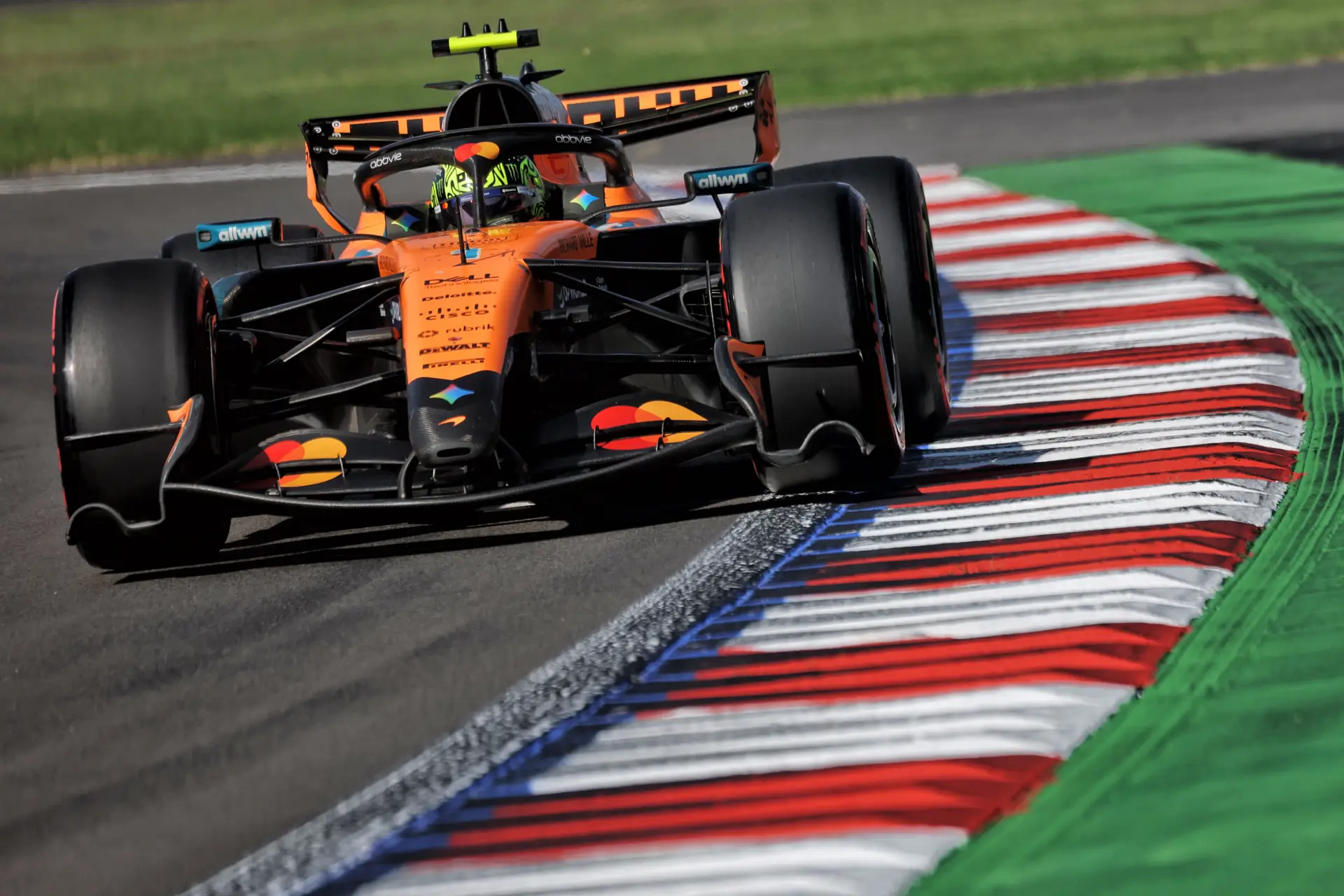
A strong end to the season can show progress, especially for teams under pressure
ADVERTISEMENT
The constructors’ standings also shape how a season is remembered. A team’s final position becomes shorthand for its performance, even when the reality behind it is more complicated. Two teams may finish close together after very different paths: one might have started strongly and faded, while another improved late and clawed back points.
That is why the final races can matter even after the championship trophy has been decided. Ferrari’s pursuit of second is not a substitute for a title, but it is a real objective with consequences for the team and the people who work for it. GPBlog’s 2026 standings report shows how the picture changed after Mercedes clinched the championship in Brazil.
In F1, the gap between first and second is obvious. The value of second may be less glamorous, but it is still worth fighting for.
Don’t miss GPblog in Google
Mark us as a preferred source and our articles will appear more often at the top of Top Stories.
Add as a preferred / source on Google