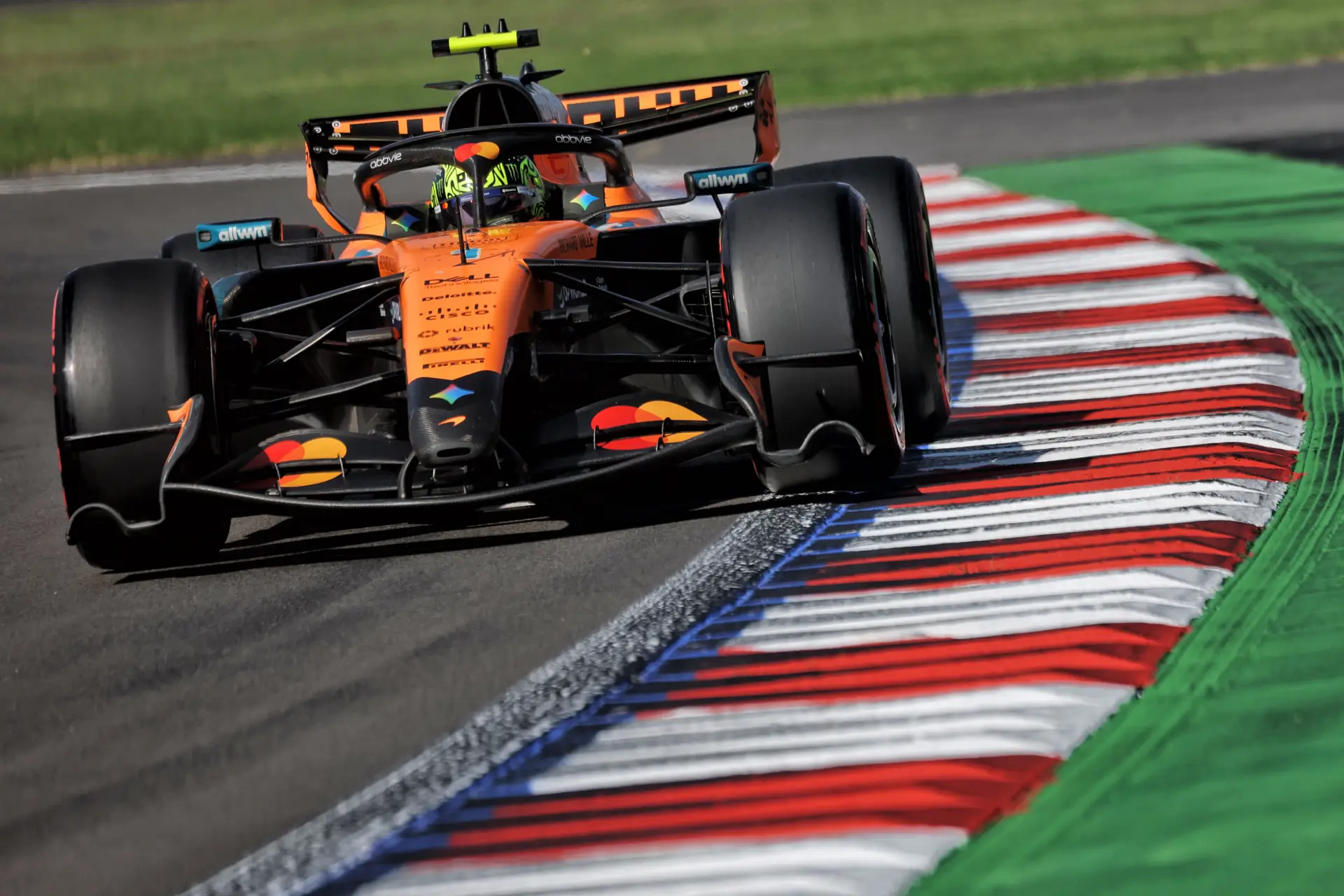
Hamilton’s message to F1’s old guard: Experience should bring empathy, not contempt
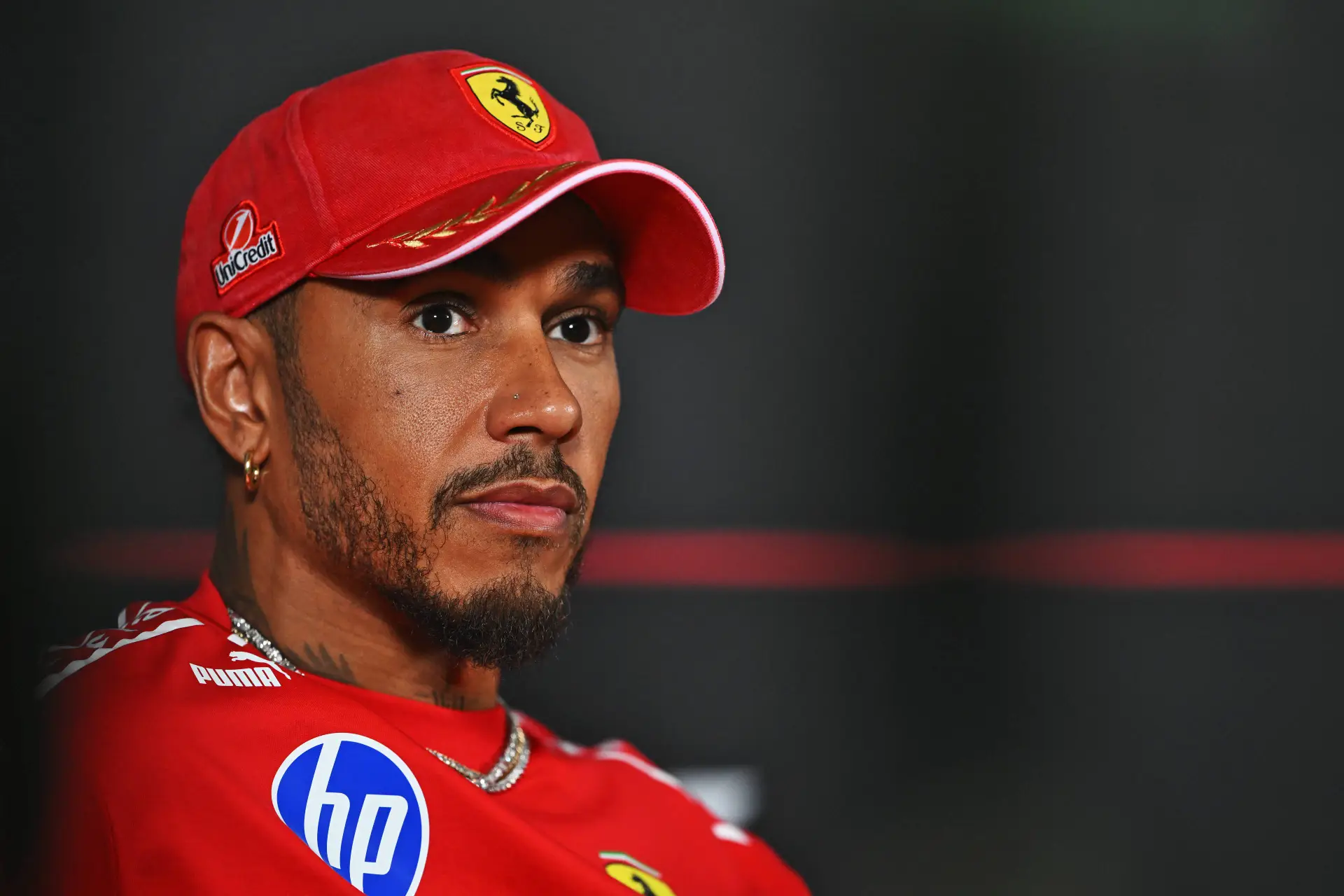
Photo: Race Pictures

Ben Hunt is an award-winning motorsport journalist with over two decades of experience in Formula 1 and international media. As a former editor-in-chief and bestselling author, he delivers in-depth analysis and strategic insight from the highest level of the sport.
Lewis Hamilton has hit back at comments made by former Formula 1 drivers but his argument was wider than any one disagreement. The Ferrari driver says he sees older drivers “talking smack” about young people, and suggested that those who have experienced F1’s pressures should know better than to dismiss the next generation.
Hamilton did not name anyone in his criticism and he described wanting to avoid becoming “that type of driver” himself in the twilight of his career.
Of course, scrutiny is not new to Formula 1, but social media has made it more immediate and more personal in the run of social media attacks on drivers from trolls, not to mention the ruthlessness of the sport and the pressure to deliver consistently, Hamilton’s point is that those who once lived through the pressure should recognise its force.
Of course, scrutiny is not new to Formula 1, but social media has made it more immediate and more personal in the run of social media attacks on drivers from trolls, not to mention the ruthlessness of the sport and the pressure to deliver consistently, Hamilton’s point is that those who once lived through the pressure should recognise its force.
Criticism is part of sport - but so is context
Formula 1 needs honest criticism. Drivers are paid to perform at the highest level, and journalists, pundits and former competitors should be able to question decisions, pace and racecraft. Candour is not the same as disrespect, though, and Hamilton’s intervention asks where that line sits.
ADVERTISEMENT
There is a difference between explaining why a driver made a mistake and reducing that driver to the mistake. Analysis can be direct without becoming dismissive. The most useful voices are often those able to combine technical knowledge with an appreciation of what it takes to compete under extraordinary pressure.
Hamilton’s broader position is not that young drivers should be shielded from scrutiny. It is that scrutiny should be informed by experience. That distinction is important in an era when a forceful soundbite can travel further than a nuanced explanation.
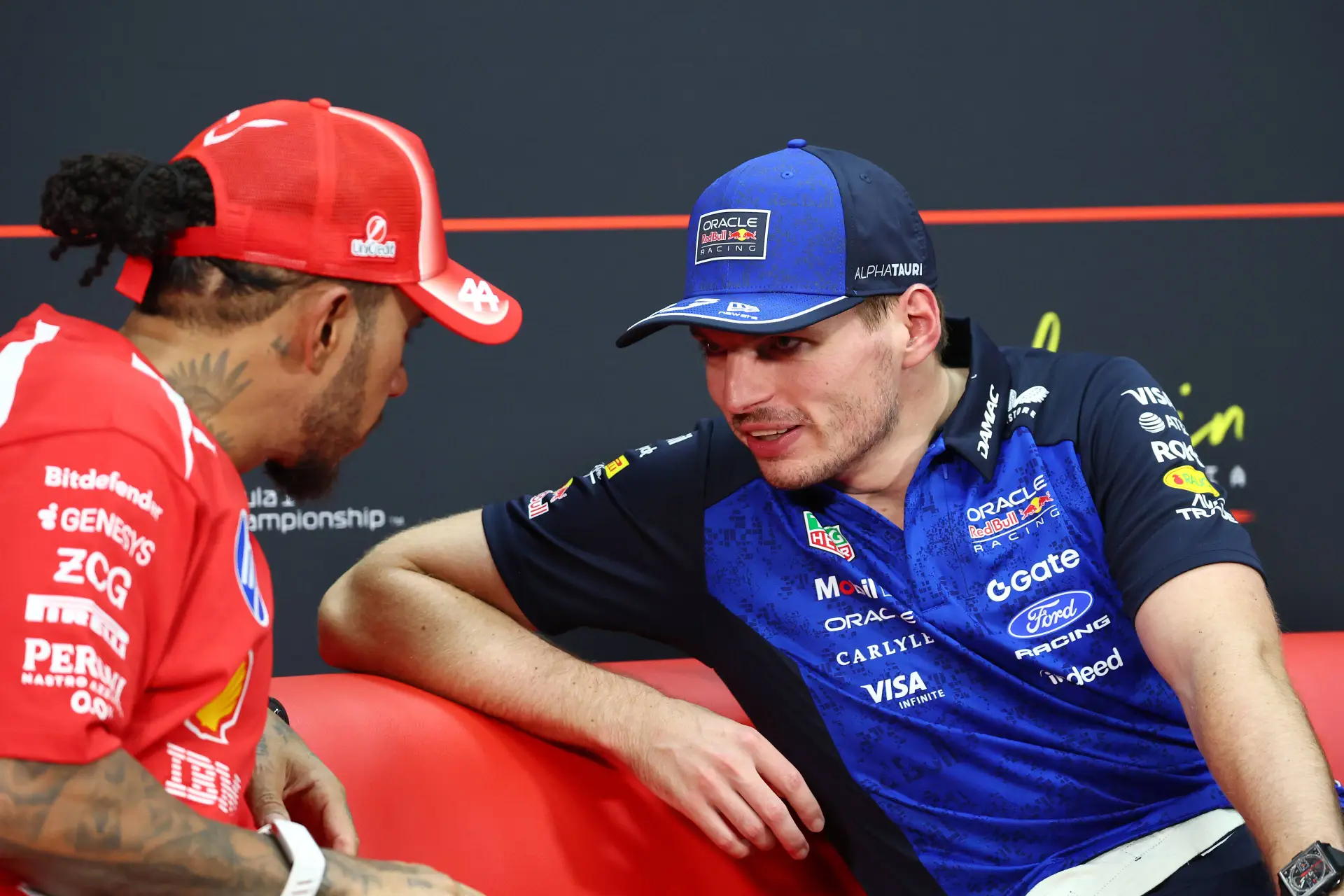
The timing of his statement is also curious, given a number of fractions appearing between F1 drivers and the media.
A standard Hamilton may be held to himself
ADVERTISEMENT
The seven-time world champion has made clear that he does not want to become a veteran who talks down the drivers following him. That pledge will inevitably be measured against his own future comments, just as today’s retired drivers are judged by their public criticism.
His own recent focus at Ferrari is competitive: he has spoken about securing the team’s position while keeping an eye on the next car, as detailed in GPBlog’s report on Ferrari’s end-of-season goals. It is a reminder that even the sport’s most experienced figures remain active participants in its pressures and debates.
Hamilton’s comments also connect with GPBlog’s earlier coverage of his criticism of former drivers’ treatment of young talent. The more interesting question now is what follows: whether F1’s older voices can preserve sharp analysis while showing the perspective that only experience can bring.
That is not a demand for politeness at the expense of truth. It is a call for criticism that explains, rather than simply condemns. In a sport that depends on its next generation, Hamilton believes the people who have already been there should know the difference but it remains a tightrope walk between expressing opinions and overstepping the mark.
ADVERTISEMENT
Don’t miss GPblog in Google
Mark us as a preferred source and our articles will appear more often at the top of Top Stories.
Add as a preferred / source on Google