F1 Tech | Key changes coming to 2026 cars
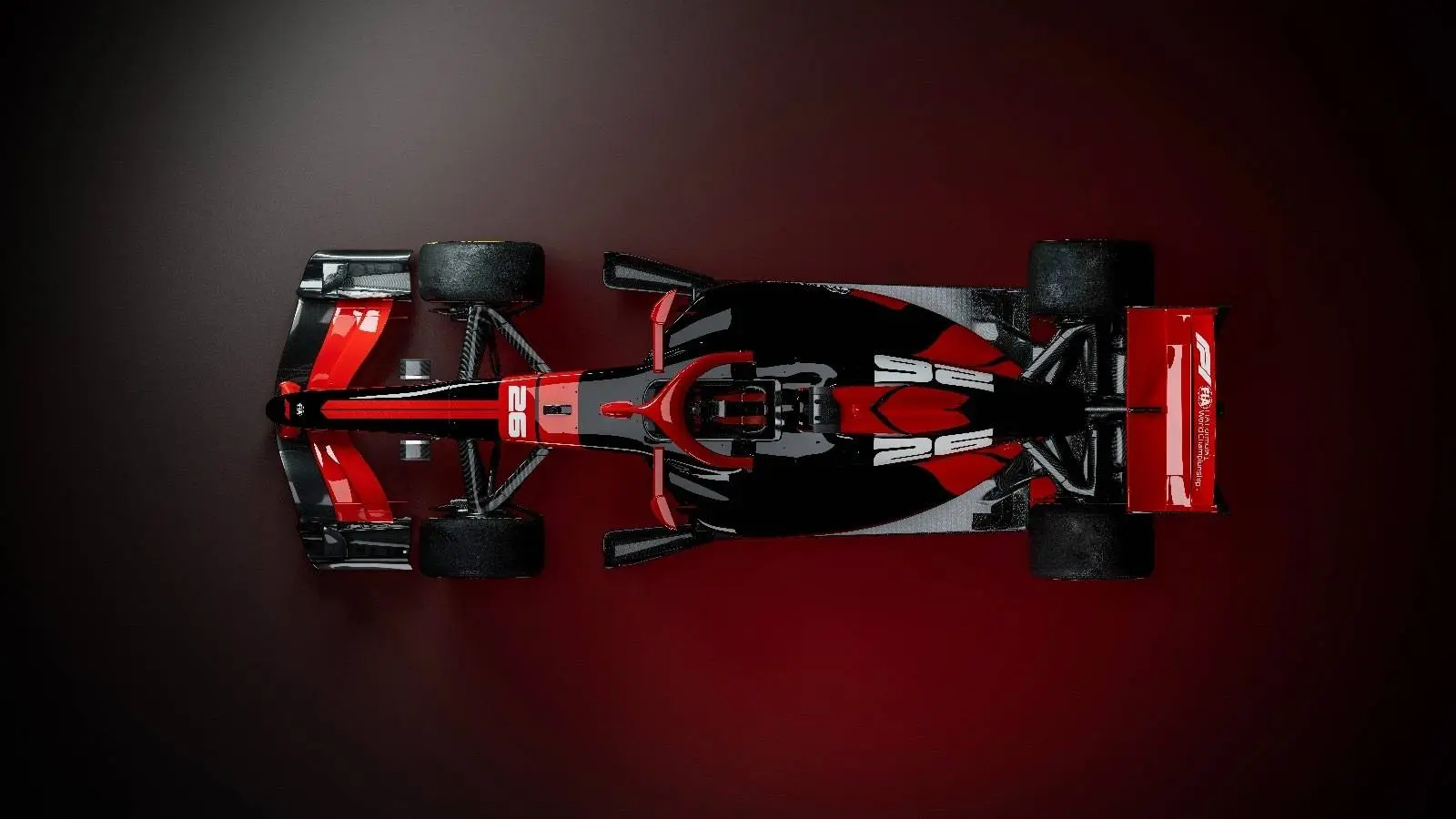
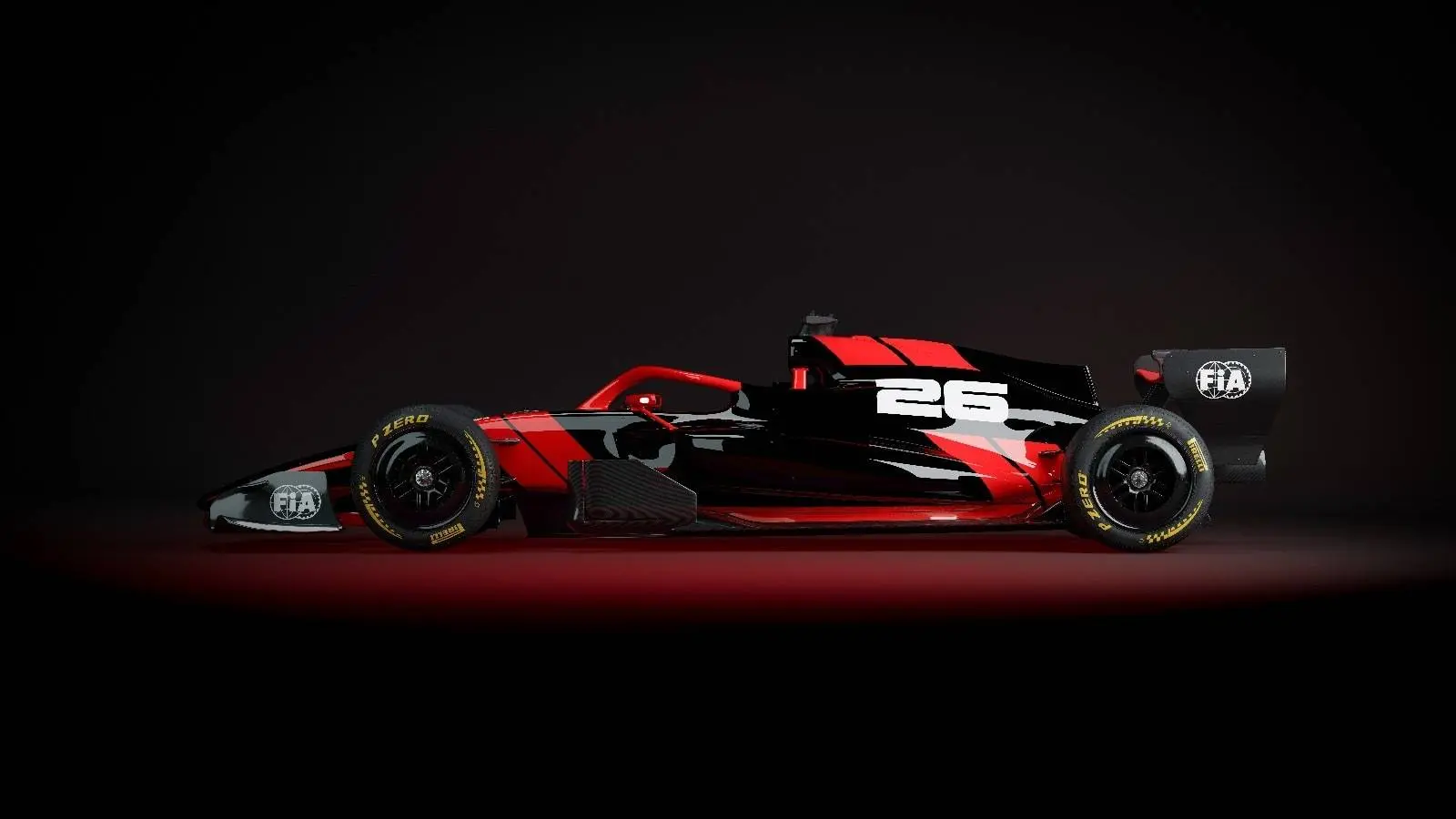
Rendering of the new 2026 F1 cars - Photo: F1
21:00, 17 Dec 2025
0 Comments

Francesco is a technical analyst at GPblog, specializing in the technical side of Formula 1. Through illustrations and analysis, he makes complex components and developments accessible to a wide audience.
2026 cars will feature major technical changes, set to favour racing on track.
With less than two months until the official shakedown in Barcelona, it’s the perfect time to take a deep dive into what’s coming next season as a completely new generation of cars prepares to hit the grid.
A key change lies in the powertrain: the internal combustion engine and battery will now share power equally at 50/50. This has prompted the FIA to introduce significant updates to car aerodynamics, size, and weight, all aimed at creating tighter racing and more thrilling on-track battles. Let’s break down the main changes in detail.
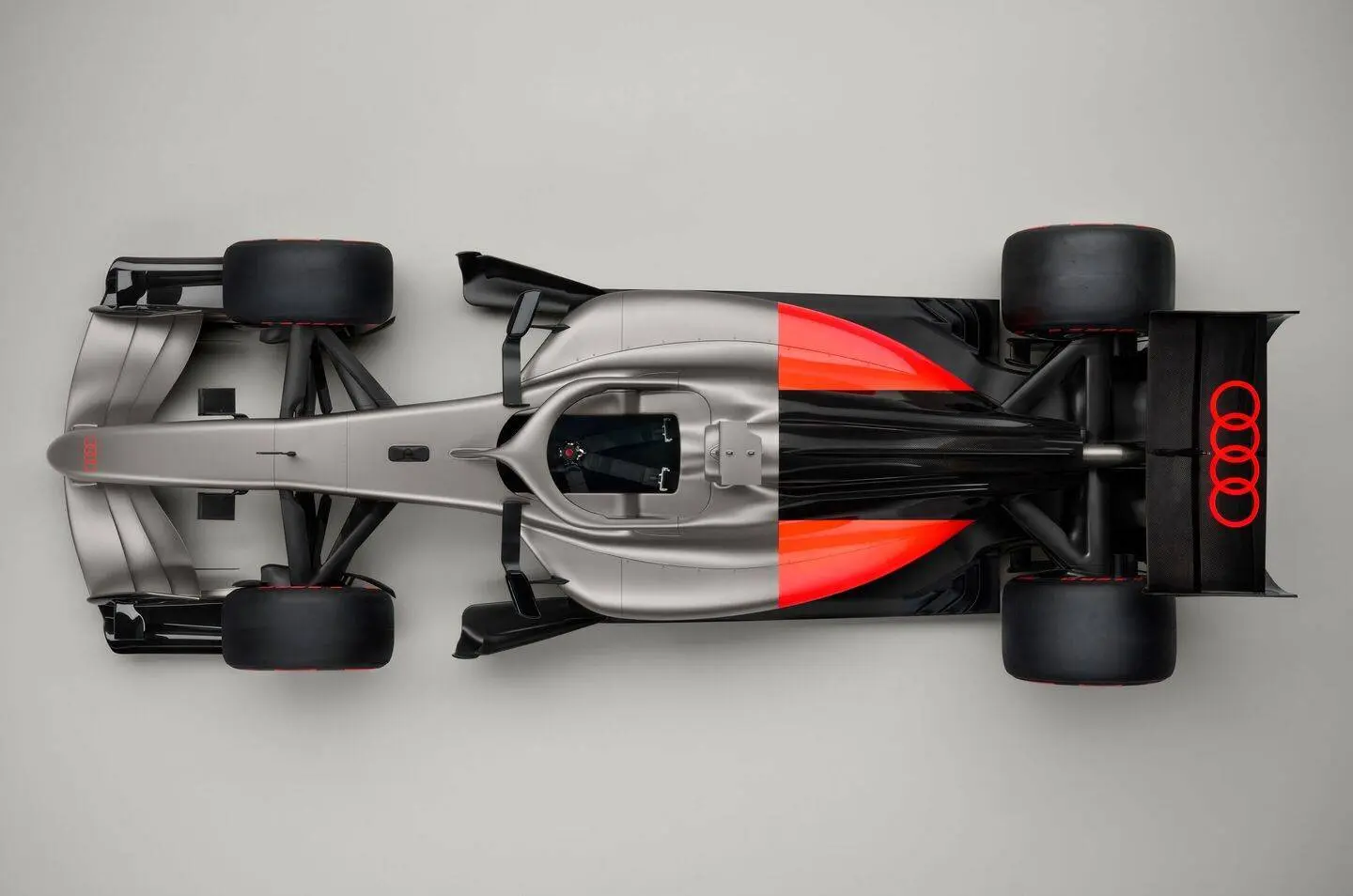
A completely new engine
2026 cars will have a completely new way of generating power. Since 2014, 18% of the total power generated has come from the electrical side (MGU-K and MGU-H), with the remaining 82% coming from the internal combustion engine. From next season, this ratio will drop to 50/50, meaning that the ICE and the MGU-K will produce the same amount of power.
ADVERTISEMENT
This is with significant consequences for the engine’s design: the ICE will still be a 1.6 L V6 engine, but it’ll burn only sustainable fuel, derived from municipal waste, carbon capture, and non-food biomass. On the electrical side, the MGU-H will disappear, due to its complex design and weight; the battery will be charged exclusively by the MGU-K (which harvests energy from the braking phase and lifting), which will produce 350 kW, an increase of almost 300% compared to the current one (120 kW).
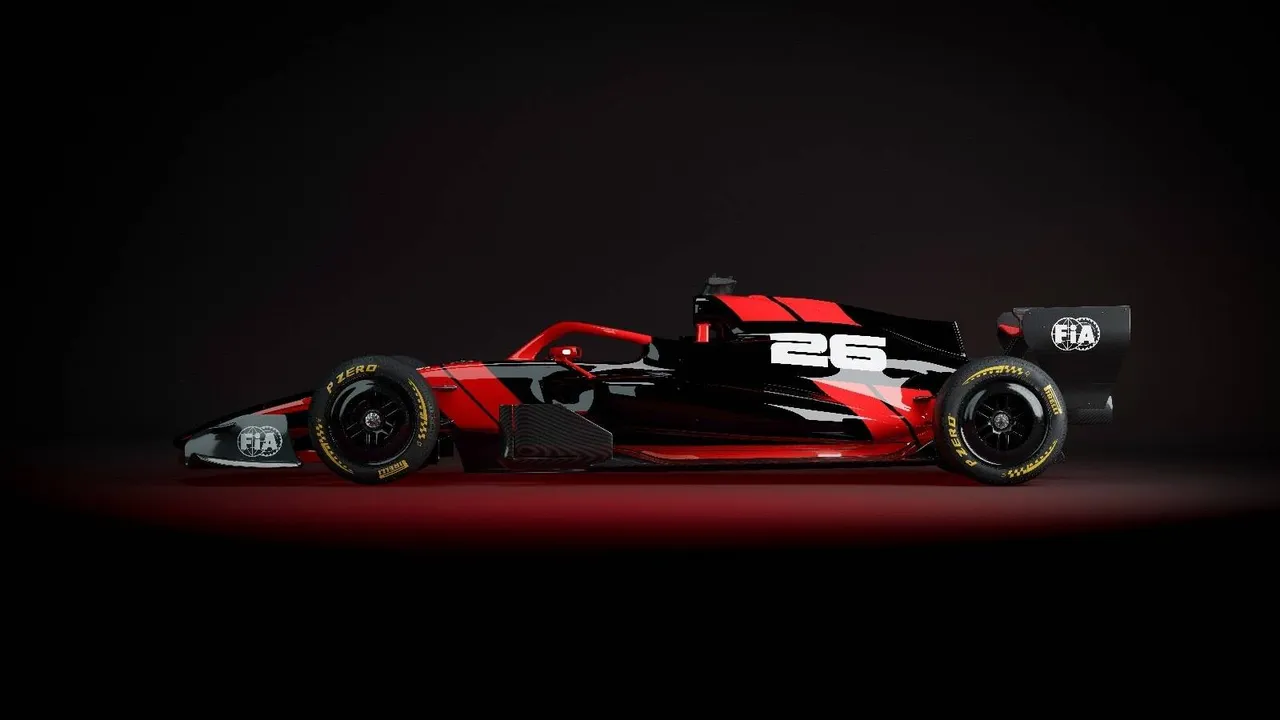
Rendering of the new 2026 cars - Photo: F1
During the race weekend, drivers will have three different engine modes available:
- Overtake mode: when the driver is within a second of the car in front, he’ll have an extra amount of power (0.5 MJ) available to overtake. This new mode replaces DRS and it can be used all on one straight or can be deployed around the whole lap.
- Boost mode: with this function, drivers will manage the energy stock in the battery (ERS) and use it to defend or attack, together with the Overtake mode, depending on the position.
- Recharge: this mode is used by drivers to recover energy under braking and on throttle lifts at the end of the straights or in some specific sections of the track.
Smaller size and new aerodynamics
ADVERTISEMENT
As concerns the cars’ size, they’ll be smaller and lighter compared to the ground effect cars used until this season: to make the car more agile in slow speed corners, the FIA decided to shorten the wheelbase by 200 mm, to a final length of 3400 mm. Also, the width will be reduced by 100 mm, from the current 2000 mm down to 1900 mm. The floor’s length has also been reduced by 150mm in the new generation of cars.
Not only will the bodywork face major dimension changes, but also the tyres: while keeping 18-inch compounds, Pirelli’s 2026 front tyres will be 25mm narrower, with the rear 30mm narrower compared to the current rear tyres.
For what concerns the weight is concerned, the 2026 cars are set to have a minimum weight of 768 kg, compared to the ground effect’s 798 kg. The FIA also estimates that the downforce generated by the new generation of cars will be reduced by about 15-30%, while the drag will decrease by 40%, allowing the new cars to reach way higher speeds on the straights.
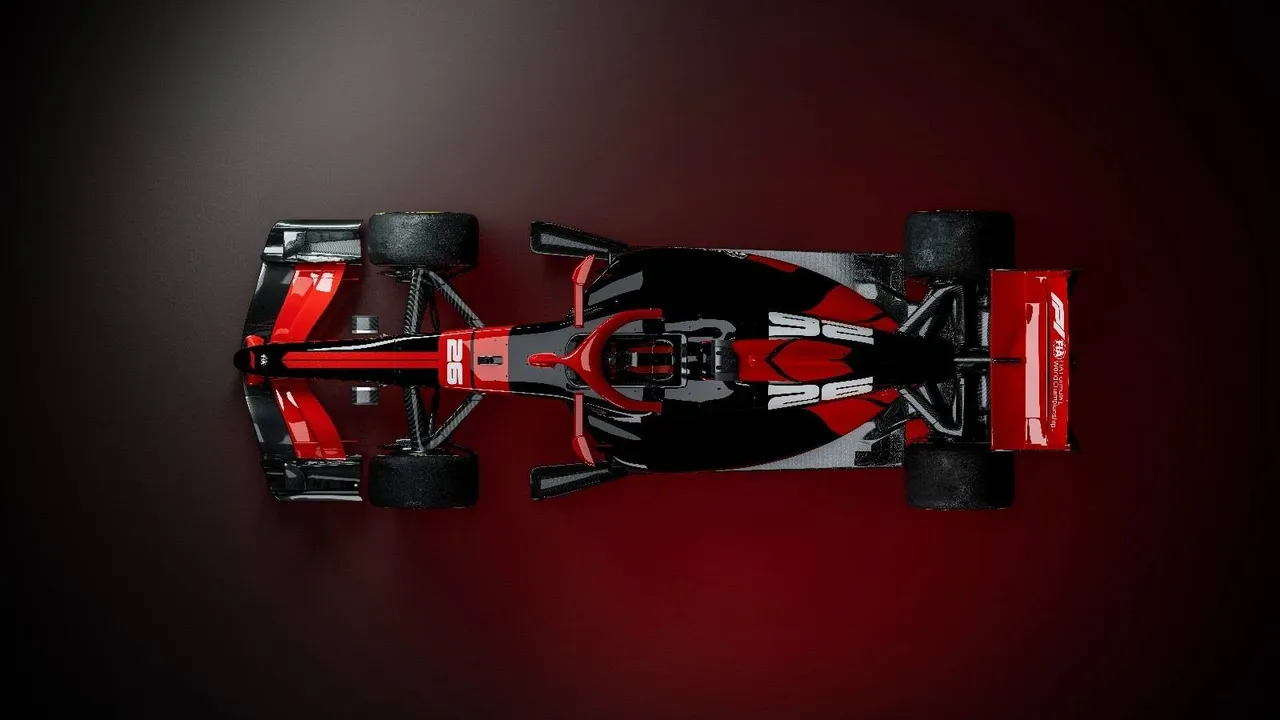
Rendering of the new 2026 F1 cars - Photo: F1
Regarding aerodynamics, the front and rear wings will be profoundly different from the specifications used up until the recent Abu Dhabi Grand Prix. Both wings will only feature 3 elements, and the beam wing will disappear. The front wing’s elements will be narrower and will have a completely different trend compared to the ground effect version, with a bigger and more complex endplate, to allow more aerodynamic development.
ADVERTISEMENT
Another important change will be active aero: drivers will be able to adjust front and rear wing angles in specific sections of the track. In corners, cars will be in “corner mode", with the wings having the highest angle of attack to generate as much downforce as possible. On the straights, instead, drivers will engage the “straight mode", which opens the wings to reduce drag and increase top speed.
This mode will be available to every driver in every lap, to gain as much top speed as possible on the straights and make overtakes in places we’re not used to seeing.
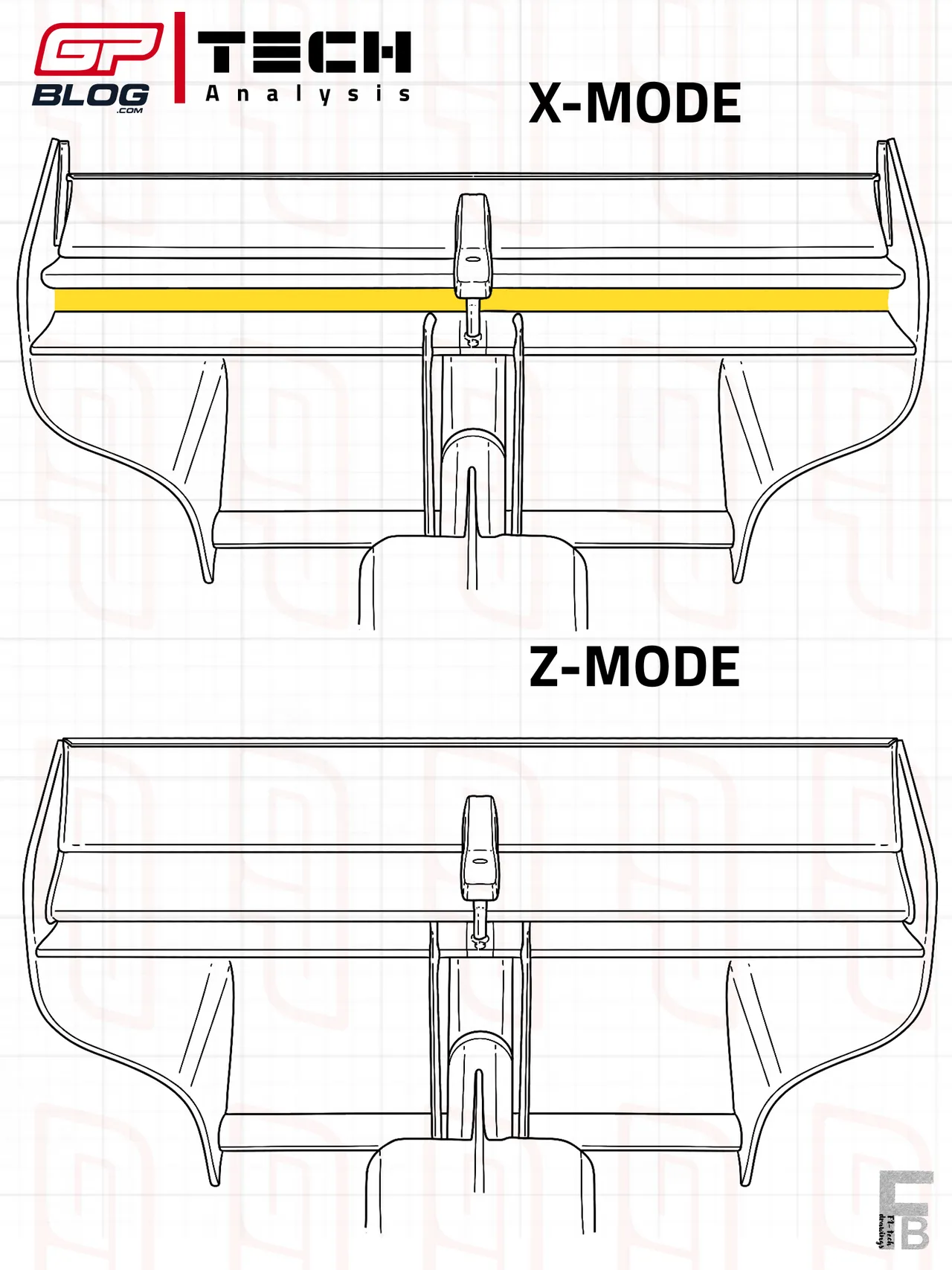
The "straight mode" and "corner mode" on the rear wing of the new 2026 cars - Image: Francesco Bianchi
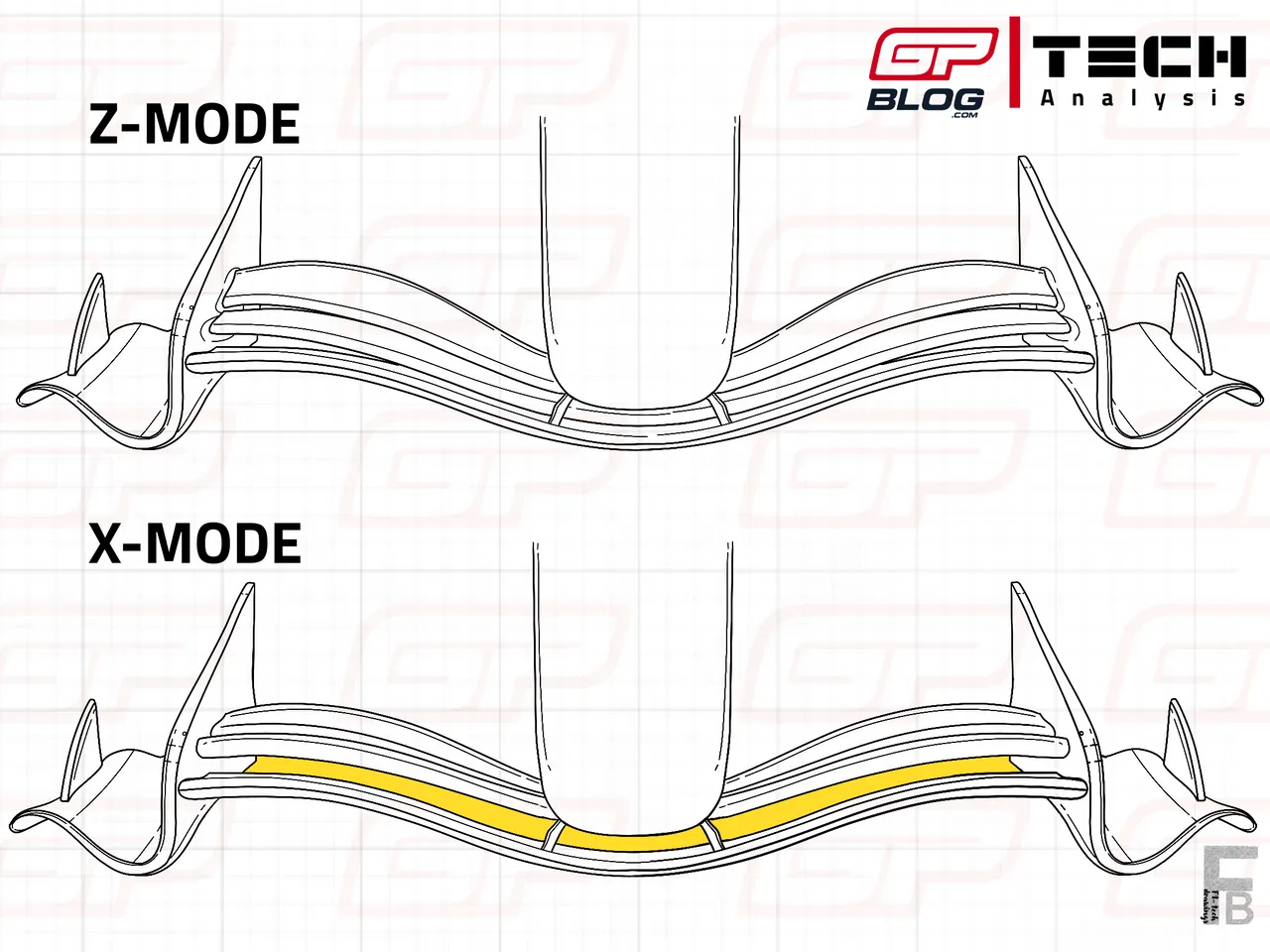
The "straight mode" and "corner mode" on the front wing of the new 2026 cars - Image: Francesco Bianchi
From the aerodynamic point of view, the goal of the 2026 cars’ design has been to favour in-washing effect: to reduce the turbulent wake produced by the floor and tyres, the FIA’s technical department have designed all aerodynamic elements to push the air to the bodywork rather than to the outside, as it’d have contributed in producing a turbulent wake, making overtaking more difficult.
ADVERTISEMENT
Particularly significant, in fact, is the design of both the front wing and the long outer fence just behind the front tyres: these two components, based on the design shown by the F1 and FIA model, mainly aim at pushing the wake to the aero surfaces and limiting out-washing. The front wing endplate design, however, will feature a lot of micro-aerodynamic solutions to try and push the air around the front tyres as much as possible, as this also generates an advantage from a performance point of view.
Cars will also feature a flat floor and low-powered diffuser, which will reduce the downforce generated by the bodywork, but will also allow teams to use more conservative ride heights and softer mechanical set-ups: this will translate into more predictable and less sensitive cars.
New safety measures
Last but not least, the new cars will also feature some specific solutions to improve safety: the driver’s survival cell will be subjected to stricter tests, with side intrusion safety also improved, and with a roll hoop design improved to take 23% more load compared to the structure used up until this season. The front section structure will be split into two different stages to dissipate more energy and better protect the drivers in big impacts. To also reduce contacts in low-visibility conditions, all cars will feature mandatory flashing lights on the side of their mirrors.
In conclusion, the 2026 F1 cars represent a big challenge from the technical point of view for engineers, as there’ll be plenty of factors set to have a big impact on performance. On the driver’s side, the different engine modes and the need to charge the battery will make it fundamental to adopt specific strategies to have as much energy as possible on the straights for defending and attacking.
ADVERTISEMENT
Read also



Don’t miss GPblog in Google
Mark us as a preferred source and our articles will appear more often at the top of Top Stories.
Add as a preferred / source on GoogleRead more about:
latest news



Azerbaijan Grand Prix
Overview
Thursday 24.09.26
Practice 1
08:30 AM
Practice 2
12:00 PM
Friday 25.09.26
Practice 3
08:30 AM
Qualification
12:00 PM
Saturday 26.09.26
Race
11:00 AM
Thursday 24.09.26
Practice 1
Thu 08:30 AM
Practice 2
Thu 12:00 PM
Friday 25.09.26
Practice 3
Fri 08:30 AM
Qualification
Fri 12:00 PM
Saturday 26.09.26
Race
Sat 11:00 AM
Times are in your local timezone
Popular on GPBlog

1
Verstappen highlights painful detail after impressive win over 100 kart drivers
1997 times read

2
Verstappen takes 35 minutes to complete epic kart challenge
1501 times read
3
F1 Today | Full 2027 calendar confirmed, Ocon expected to be replaced by Camara
926 times read

4
Hamilton breaks silence on Ferrari staff shake-up rumors
766 times read
F1-stand 2026
Season
| Pos. | Driver | Team | Points |
|---|---|---|---|
1 | MercedesMER | 292 | |
2 | MercedesMER | 211 | |
3 | FerrariFER | 191 | |
4 | McLarenMCL | 186 | |
5 | FerrariFER | 167 | |
6 | Red Bull RacingRBR | 145 | |
7 | McLarenMCL | 120 | |
8 | Red Bull RacingRBR | 71 | |
9 | Racing BullsRCB | 59 | |
10 | AlpineALP | 41 |
Loading