The stubborn Ferrari F1 limitation that risks ending Hamilton's career
Photo: Race Pictures
Updated: 22:27, 24 Dec 2025
4 Comments

A filmmaker with a soft spot for Ronnie Peterson, Gilles Villeneuve, Mika Hakkinen and above all, Tazio Nuvolari and Ayrton Senna, is also a diehard Formula One fan since the age of 4 (mid-90's). An avid researcher of the past of Grand Prix Racing since before it was even named F1, and with a thirst for knowledge of the ins and outs of the actuality of the sport, as well as for the technical aspects that define it, is a member of GPblog since 2023, where he has put his love of racing to good use.
At Ferrari, things are done one way only: the Maranello way, a philosophy that, for almost two decades now, has yielded zero world titles.
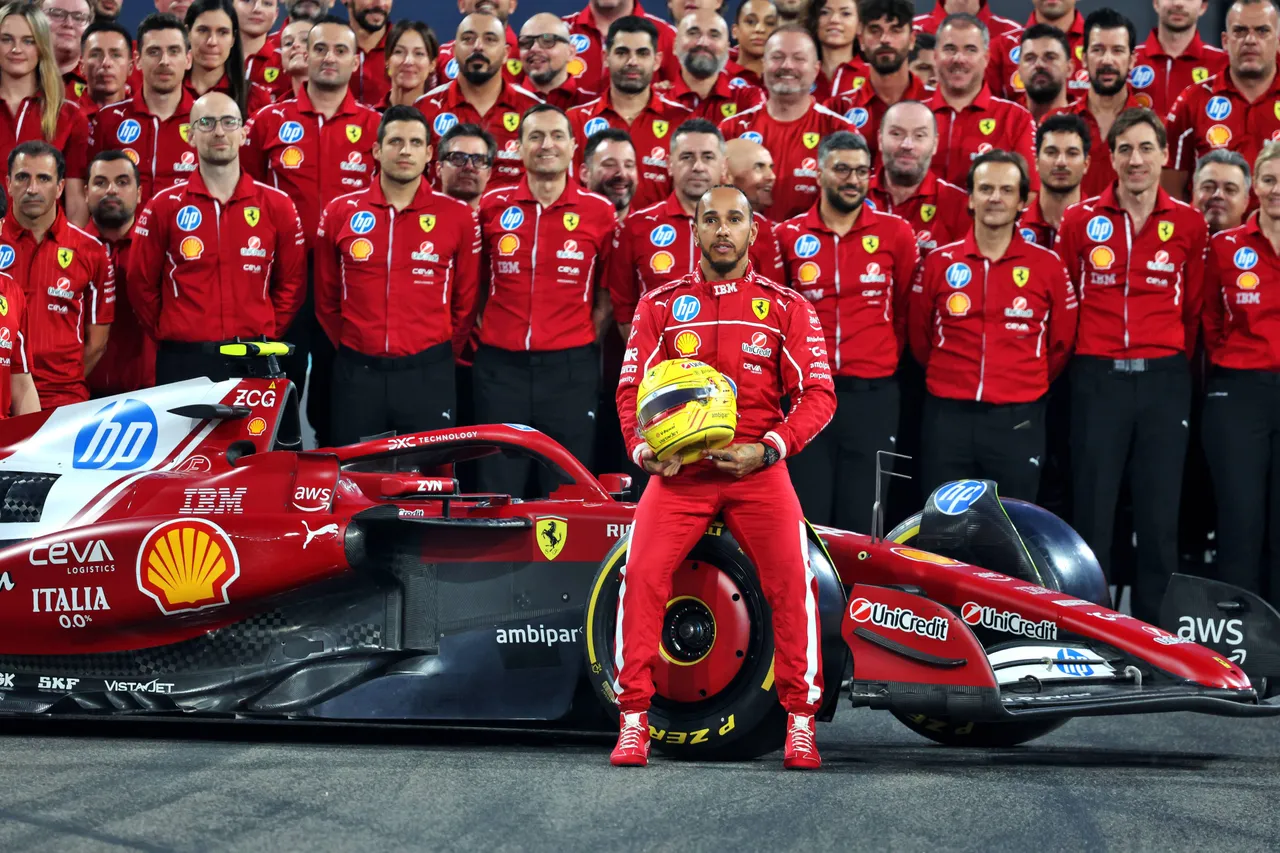
Lewis Hamilton finished P6 in the Drivers' Standings in his first season at Ferrari, 86 points off teammate Charles Leclerc. Photo: RacePictures.
After Michael Schumacher’s illustrious 11-year run, Ferrari has crowned just one champion, Kimi Räikkönen in 2007. Following a Constructors’ title in 2008, the team has neither won another championship nor mounted what could reasonably be described as a sustained title challenge.
The problem, however, has never been a lack of drivers capable of winning championships. Three Formula 1 champions have taken the coveted red seat in the past 15 years, Fernando Alonso, Sebastian Vettel and Hamilton, only to spearhead failed title bids in which the Scuderia itself was often the decisive limiting factor. The issue, bluntly put, is cultural.
Ferrari must evolve past outdated F1 driver concept
ADVERTISEMENT
Ferrari must accept that structures need to evolve with time. In a sport as marginal, technical, and volatile as Formula 1, it is naïve, if not negligent, to pretend that a team's inaction to a driver's input does not directly influence results.
Driver feedback has long been a cornerstone of Adrian Newey's design philosophy. It was also instrumental in helping Red Bull crack the previously undecipherable RB21, as the team consciously shifted emphasis away from simulation-heavy data and began listening more closely to Max Verstappen's input.
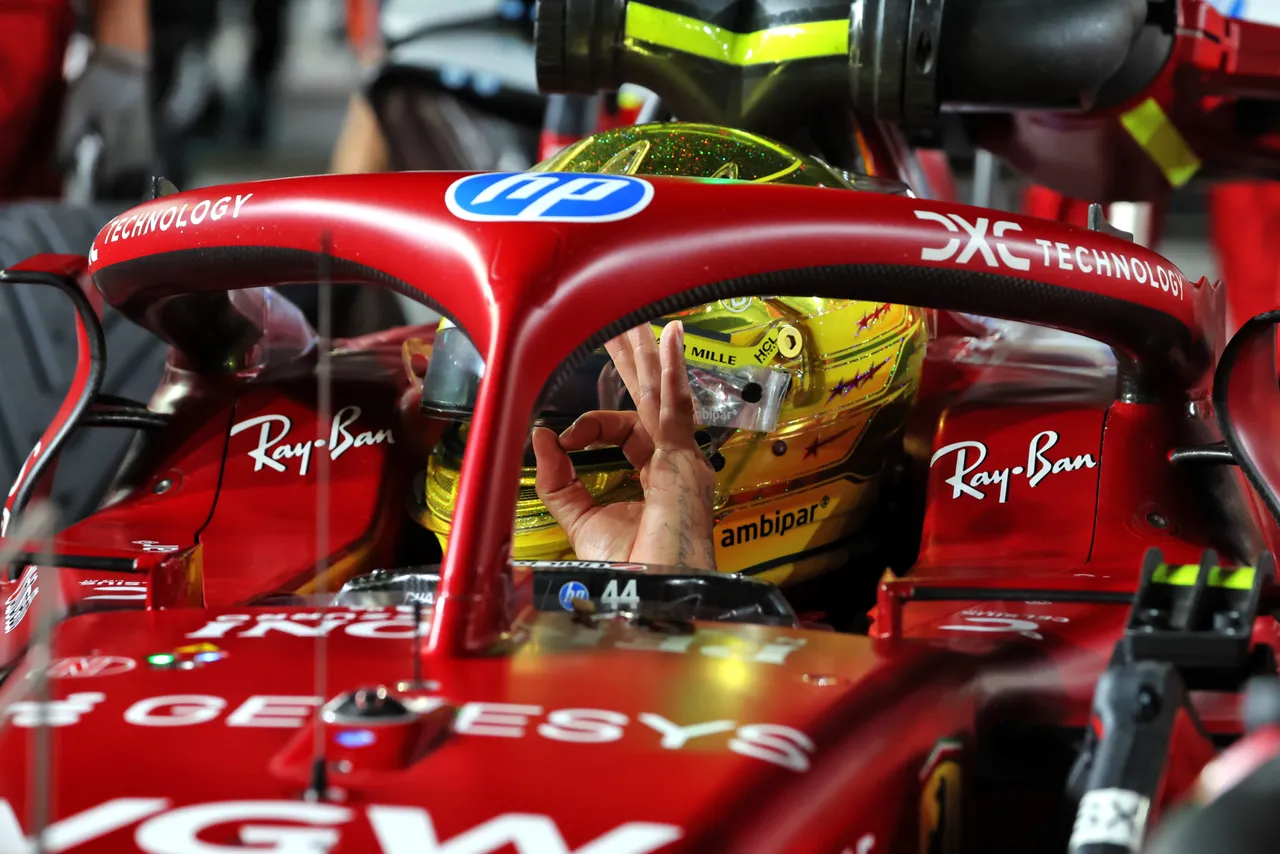
Lewis Hamilton giving his team the okay in Singapore. Photo: RacePictures.
In Formula 1's modern era, a driver's role extends far beyond the confines of the cockpit. The act of driving is merely the final output of an exhaustive process that includes preparation, development work, simulator sessions, and technical feedback, commitments that, in terms of time and influence, far outweigh the minutes spent on track.
That reality alone raises a fundamental question: is a driver’s value off the circuit now just as important as what they deliver on it?
ADVERTISEMENT
Why Ferrari’s dry spell may not end soon
Former Ferrari team principal Maurizio Arrivabene recently outlined what he considers a career-ending trait in Formula 1 drivers: when they begin offering engineering feedback, “it’s over.” Echoing comments previously made by Ferrari chairman John Elkann, Arrivabene - who led the team in Vettel's era - reinforced the belief that drivers should focus solely on racing and leave the technical direction to others.
That outlook reflects a deeper problem. Drivers are not outsiders to the engineering process, they are a critical part of it. Even when a driver’s assessment is imperfect, their perspective alone could help push the team forward in one way or another.
And when that driver is Lewis Hamilton, a seven-time world champion forged at both McLaren and Mercedes, dismissing his input borders on self-sabotage.
Hamilton's input could be the differentiator at Ferrari
ADVERTISEMENT
Ferrari’s long-standing mantra of “Ferrari above all” has increasingly overridden the value of key individuals within the organisation. What once sounded noble now feels outdated and, more importantly, performance-capping. It inevitably raises a simple but uncomfortable question: why sign Hamilton at all?
If Ferrari sought a driver who would merely extract lap time and refrain from challenging internal processes, even those in clear need of evolution, then signing Hamilton was a fundamental miscalculation. His value has never been confined to 'just' driving a car quickly.
With Hamilton, the Scuderia would be wise to fully exploit the breadth of his experience and technical understanding. Used correctly, that knowledge could help reset Ferrari’s cycle of near-misses. Ignored, it risks becoming just another chapter in a story the team has been repeating for far too long.
Hamilton contract clause leaves Ferrari powerless
Reports suggest Lewis Hamilton’s Ferrari contract runs through 2027, with an option he alone can trigger for 2028, potentially limiting Ferrari’s flexibility to make earlier changes. Read the full story here.
ADVERTISEMENT
GPblog's latest F1 Paddock Update
Want to stay up-to-date with what happens in the F1 paddock? Then GPblog's F1 Paddock Update video is the perfect way to do it. Subscribe to GPblog's YouTube channel and turn on notifications to never miss the latest episodes.
Read also
ADVERTISEMENT
Don’t miss GPblog in Google
Mark us as a preferred source and our articles will appear more often at the top of Top Stories.
Add as a preferred / source on GoogleRead more about:
latest news


Bahrain Grand Prix
Overview
Friday 02.10.26
Practice 1
04:30 AM
Practice 2
08:00 AM
Saturday 03.10.26
Practice 3
04:30 AM
Qualification
08:00 AM
Sunday 04.10.26
Race
07:00 AM
Friday 02.10.26
Practice 1
Fri 04:30 AM
Practice 2
Fri 08:00 AM
Saturday 03.10.26
Practice 3
Sat 04:30 AM
Qualification
Sat 08:00 AM
Sunday 04.10.26
Race
Sun 07:00 AM
Times are in your local timezone
Rumors
Popular on GPBlog

1
FIA reaches verdict on Hadjar as rival is hit with time penalty
4711 times read
2
F1 Today | Russell beats Verstappen to Baku win, Hamilton responds to Horner rumours
3379 times read
3
Leclerc may have said too much on new Ferrari engine in Baku
2918 times read
4
Dismissal looms for Vasseur, Horner positions himself for Ferrari
1798 times read
F1-stand 2026
Season
| Pos. | Driver | Team | Points |
|---|---|---|---|
1 | MercedesMER | 302 | |
2 | MercedesMER | 236 | |
3 | FerrariFER | 199 | |
4 | McLarenMCL | 186 | |
5 | FerrariFER | 179 | |
6 | Red Bull RacingRBR | 163 | |
7 | McLarenMCL | 120 | |
8 | Red Bull RacingRBR | 86 | |
9 | Racing BullsRCB | 59 | |
10 | AlpineALP | 41 |
Loading