Verstappen's F1 2026 test forecast signals the work that's yet to be done

Photo: Red Bull Content Pool
Updated:
7 Comments

A filmmaker with a soft spot for Ronnie Peterson, Gilles Villeneuve, Mika Hakkinen and above all, Tazio Nuvolari and Ayrton Senna, is also a diehard Formula One fan since the age of 4 (mid-90's). An avid researcher of the past of Grand Prix Racing since before it was even named F1, and with a thirst for knowledge of the ins and outs of the actuality of the sport, as well as for the technical aspects that define it, is a member of GPblog since 2023, where he has put his love of racing to good use.
Formula One is scheduled to put the F1 2026 cars on track for the first time in a 'secret' test in Barcelona at the begining of next year.
"We’ll probably spend more time waiting in the pits than sitting in the car."- Max Verstappen.
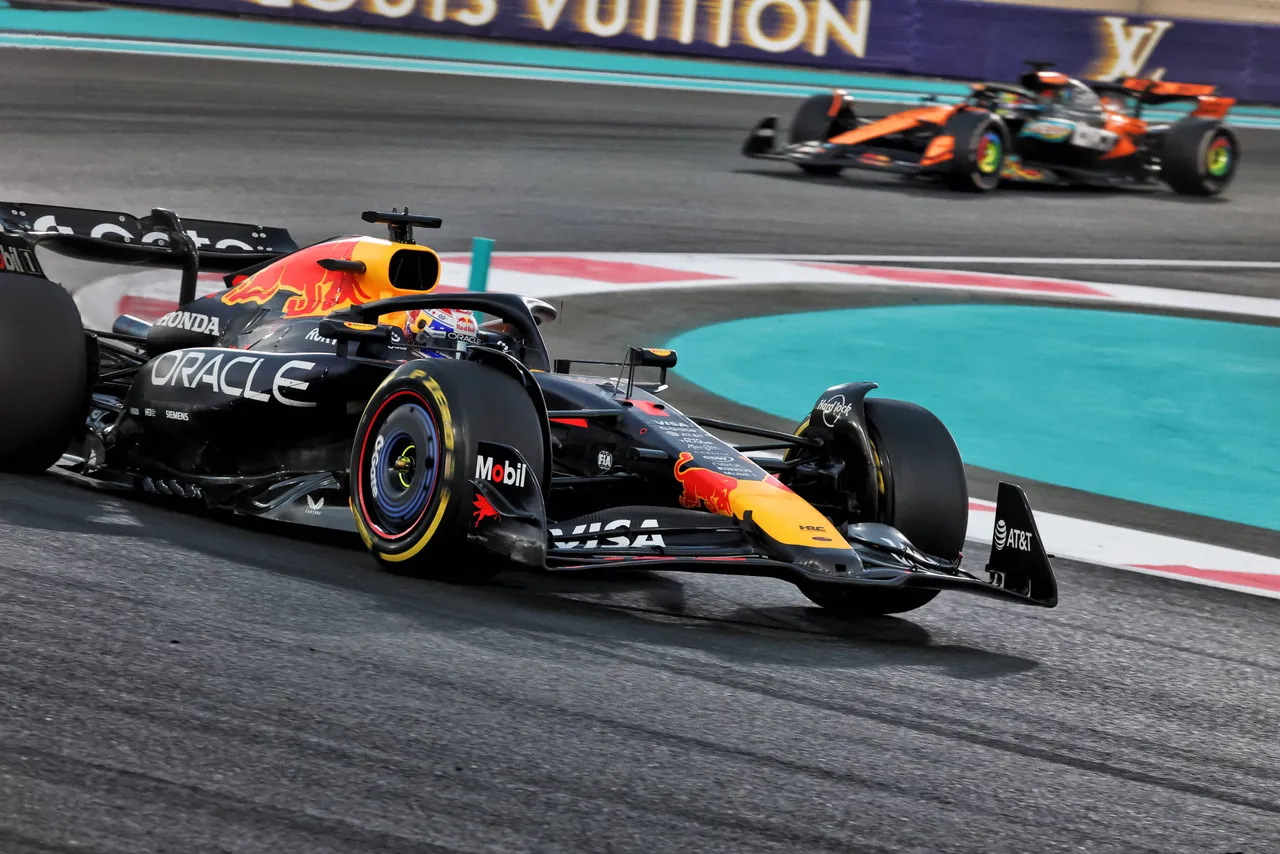
Max Verstappen driving the RB21 in Abu Dhabi. Photo: Race Pictures
Given the massive endeavour the new technical regulations suppose for the teams, the FIA and the whole of F1 agreed on holding an ealier private 4-day test prior to the the six days split into two three-day pre-season sessions that will take place in Bahrain from 11-13 and 18-20 February ahead of the season opener in Australia come 4 March 2026.
The behind-closed-doors testing days are fixed between 26 and 30 January, and Red Bull Racing driver Max Verstappen's estimations signal the work the F1 grid is still to do to be race-ready for the Australian Grand Prix.
ADVERTISEMENT
"At the first test in Barcelona at the end of January, we’ll probably spend more time waiting in the pits than sitting in the car," Verstappen told Blick.
Why F1 teams need a private test ahead of F1 2026
A few gremlins rearing their ugly heads here and there are always expected during pre-season testing, but the technical challenge the upcoming Formula One season represents for all F1 teams and power unit manufacturers as well, warrants time as this is the first time the very complex F1 2026 cars will actually hit the track.
From active aerodynamic components, to engines running on a 50% electrical power output, engineers and mechanics need time to ensure the optimisation of all the intricate processes that will allow next year's F1 machines to operate at their peak and produce the level of racing spectacle the FIA has aimed for.
And thus, although a few tinkers and tweaks separate us from seeing the new F1 cars hit the track in mid-February in Bahrain, the work is not completely done yet.
ADVERTISEMENT
Red Bull witnesses title-yielding partnership come to an end
Honda issued a farewell statement to Red Bull Racing after the 2025 season, ending their successful, amicable partnership. Read the full story here.
GPblog's latest F1 Paddock Update
Want to stay up-to-date with what happens in the F1 paddock? Then GPblog's F1 Paddock Update video is the perfect way to do it. Subscribe to GPblog's YouTube channel and turn on notifications to never miss the latest episodes.
ADVERTISEMENT
Read also



Don’t miss GPblog in Google
Mark us as a preferred source and our articles will appear more often at the top of Top Stories.
Add as a preferred / source on Google