Tobia is a Formula 1 journalist at GPblog with experience at international circuits. Since 2022, he has covered Grands Prix across Europe, delivering reliable coverage and insights from the paddock.
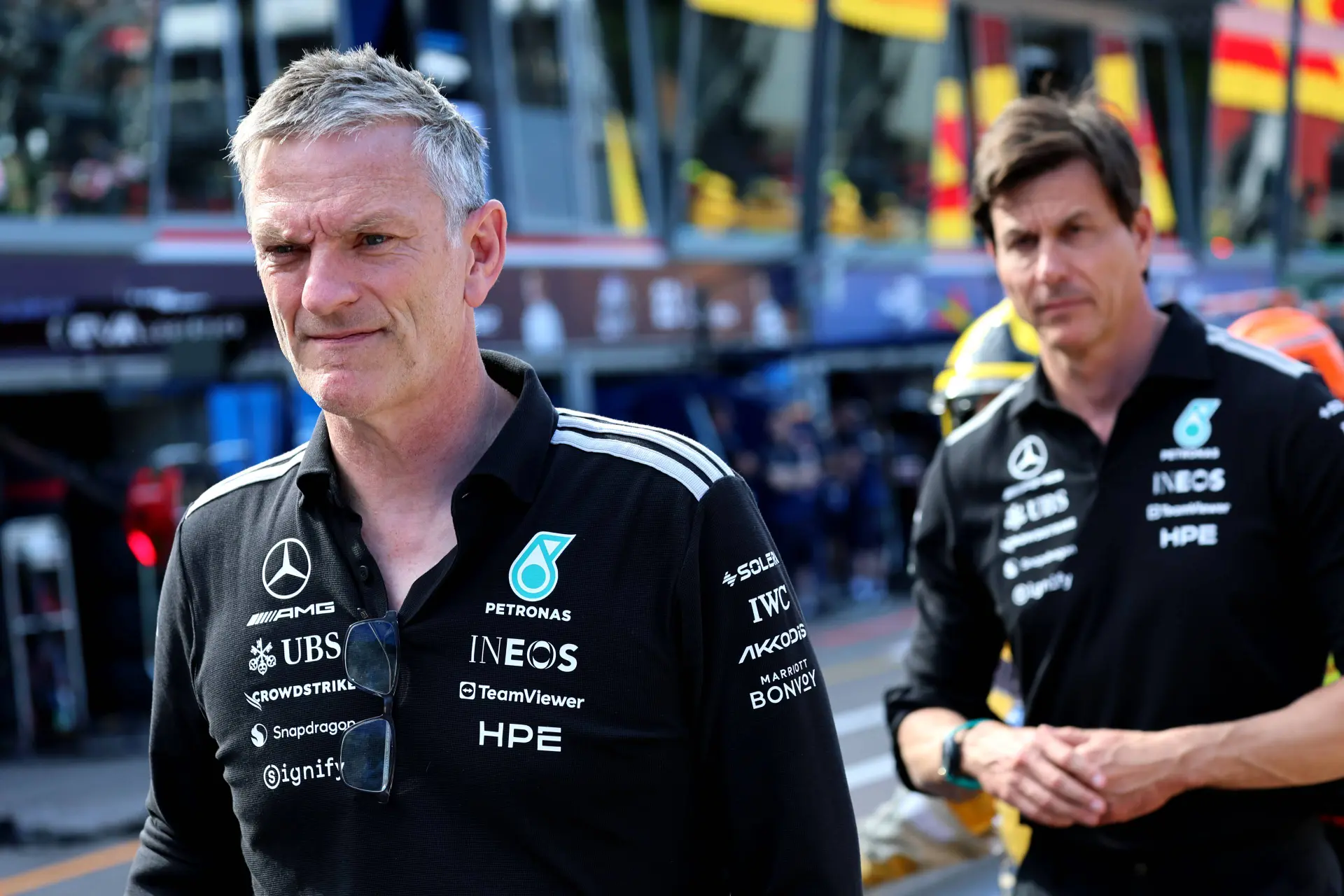
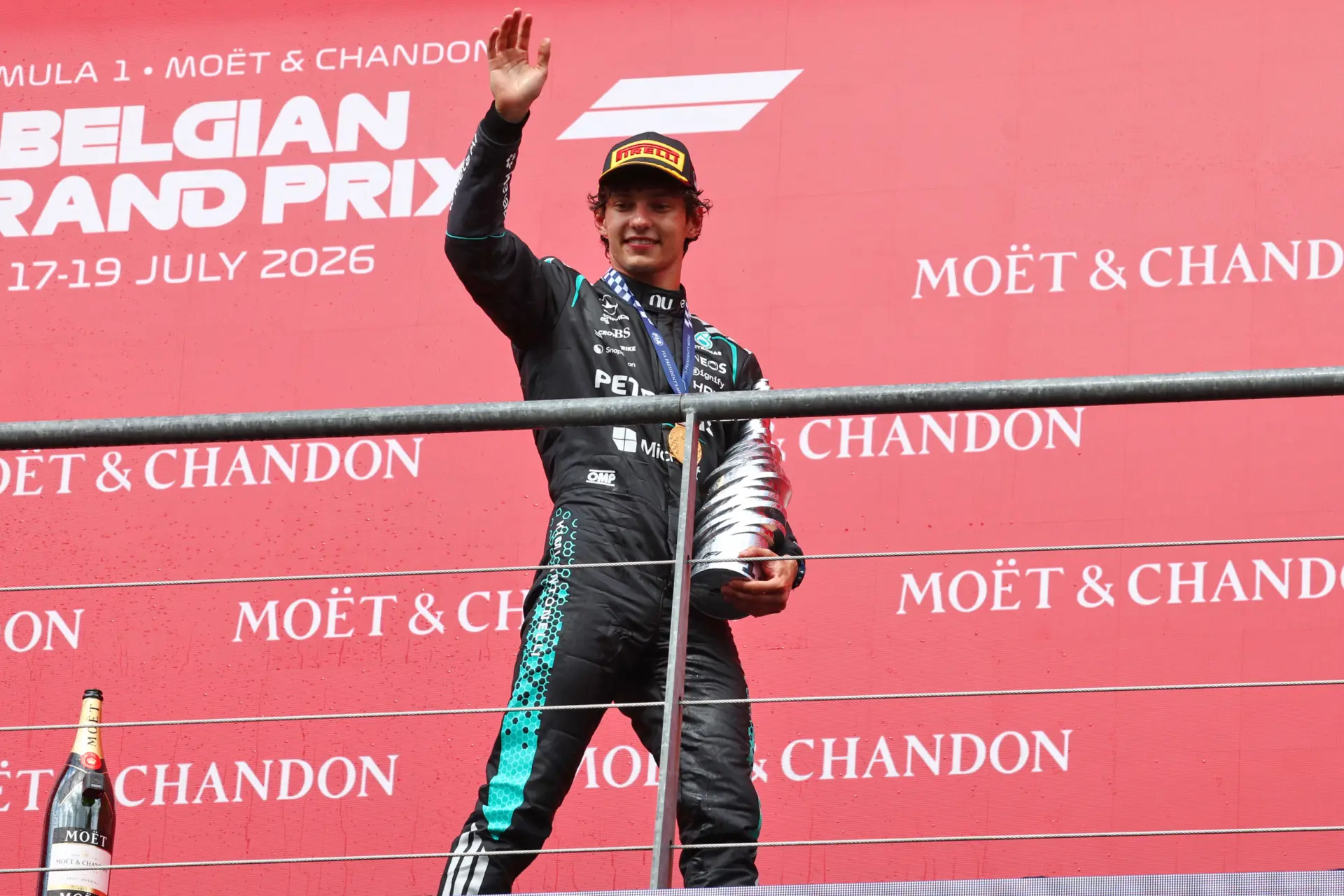
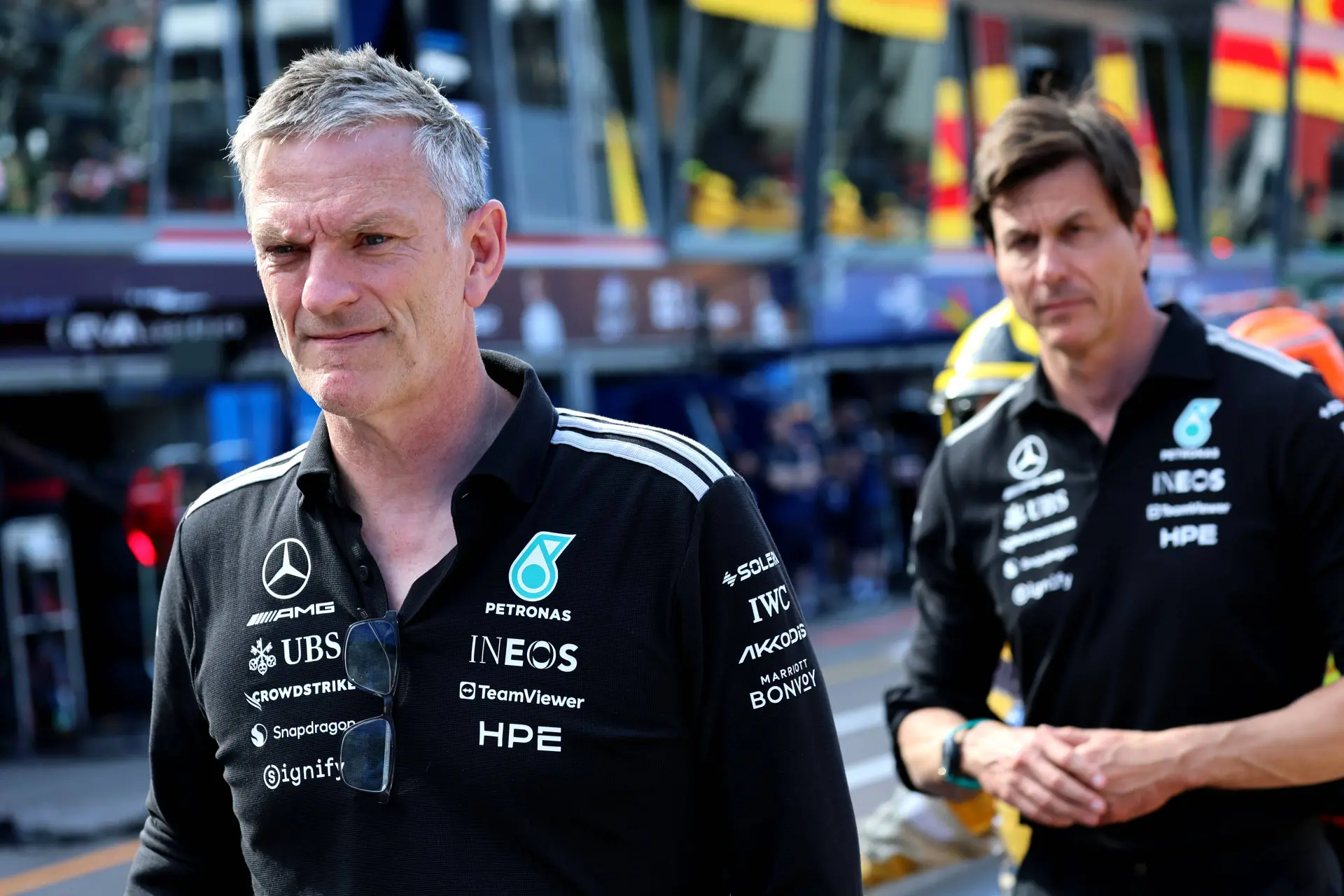
Mercedes technical director James Allison has outlined the development strategy the team intends to follow during the second half of the season, after the W17 deliberately received far fewer upgrades than those of its closest rivals during the opening half of the campaign.
Mercedes has so far been able to rely on the W17's clear performance advantage, which was evident from the very first race of the season. That has allowed the team to take a more measured, step-by-step approach to development rather than immediately introducing major upgrades, as direct rivals Ferrari and Red Bull have done, with both already committing a significant portion of their budget to improving their cars.
Speaking on the NU Silver Arrows Show, Allison explained that Mercedes deliberately pushed the development of its launch-spec car later than ever before in an effort to make the W17 as competitive as possible from the opening race. That approach meant the team effectively delayed the start of work on its first major upgrade package compared to some of its rivals.
“We did everything in our power to launch a car at the start of the year that was going to be strong. One of the things about our development strategy was we took a decision internally on the aerodynamic side and on the bodywork side of the car that we were going to leave it later than we’ve ever left a car before.”

Photo: Race Pictures
ADVERTISEMENT
According to him, other teams finalised their initial cars earlier and were therefore able to turn their attention to subsequent developments sooner, explaining why Mercedes has appeared quieter in the upgrade race so far.
Rather than reacting immediately when rivals introduce new parts, the team's strategy is to stick to its development schedule and deliver larger performance gains later, with the aim of restoring its advantage whenever the competition closes the gap.
“Other teams maybe didn’t arrive as close to the wire, and as a consequence, they updated their car sooner because they fixed their car earlier in time,” he continued. “They then were developing the first upgrade to arrive sooner in the season.”
“Our strategy is just to try to keep our nose ahead and make sure that the next lump of performance that we deliver will restore the status quo ante. We just have to ride out these scary events where other people bring in all their fancy new bits.”
ADVERTISEMENT
Allison warns of the biggest 'dilemma' no F1 team can escape
Speaking on the same podcast, Allison explained that Mercedes faces the familiar dilemma of deciding when to stop developing its current car and shift its resources towards next season. With the development race still moving at a rapid pace, he warned that switching focus too early could leave a team vulnerable to its rivals making significant gains over the final part of the campaign.
The Mercedes technical director nevertheless expressed confidence in the team's position, pointing to the performance already uncovered in the wind tunnel and further developments that are yet to reach the track. Allison believes Mercedes has enough potential in the pipeline to remain at the front of the ongoing development battle, particularly given the points advantage it has already built.
He also stressed that extracting the maximum from those upgrades will not be enough on its own. Mercedes must ensure the new parts are introduced smoothly and effectively while avoiding the reliability problems and self-inflicted setbacks that have affected the team too frequently during the first half of the season.
Read also
ADVERTISEMENT
Don’t miss GPblog in Google
Mark us as a preferred source and our articles will appear more often at the top of Top Stories.
Add as a preferred / source on GoogleRead more about:
latest news
Bahrain Grand Prix
Overview
... ...
Practice 1
...
Practice 2
...
... ...
Practice 3
...
Qualification
...
... ...
Race
...
... ...
Practice 1
...
Practice 2
...
... ...
Practice 3
...
Qualification
...
... ...
Race
...
Times are in your local timezone
Rumors
Popular on GPBlog

1
F1 Today | Russell tops timesheet in 'first session' in Malaysia as Verstappen turns 29
6296 times read
2
George Russell tops the 'first session' of the week in Malaysia
1709 times read
3
Lance Stroll’s salary revealed: how many millions Aston Martin pays
1151 times read
4
Max Verstappen turns 29: Kelly Piquet shares birthday photos with special cake
892 times read
F1-stand 2026
Season
| Pos. | Driver | Team | Points |
|---|---|---|---|
1 | MercedesMER | 302 | |
2 | MercedesMER | 236 | |
3 | FerrariFER | 199 | |
4 | McLarenMCL | 186 | |
5 | FerrariFER | 179 | |
6 | Red Bull RacingRBR | 163 | |
7 | McLarenMCL | 120 | |
8 | Red Bull RacingRBR | 86 | |
9 | Racing BullsRCB | 59 | |
10 | AlpineALP | 41 |
Loading