'McLaren made the same decision and no one even said anything about it'
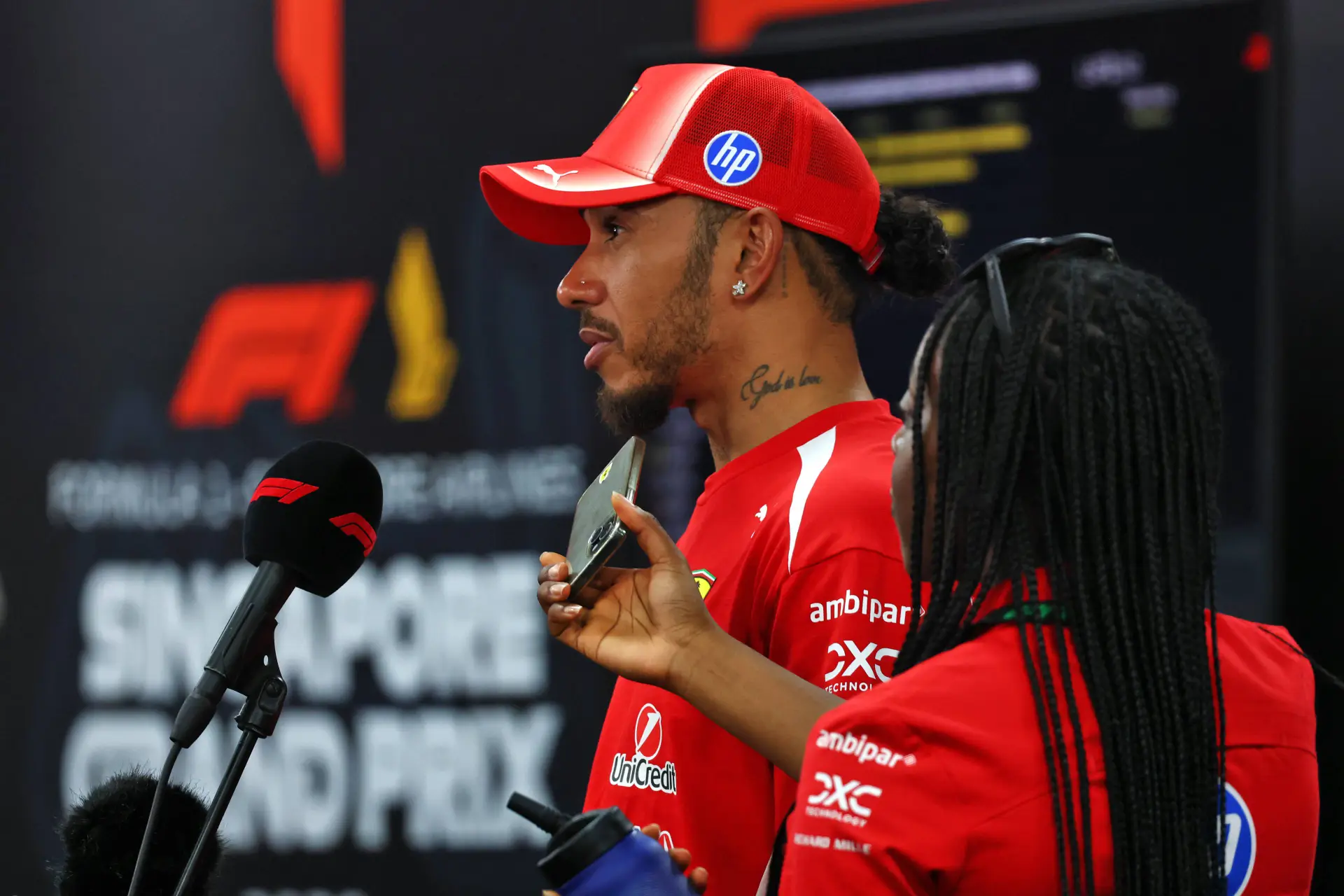
Photo: Race Pictures
Tobia is a Formula 1 journalist at GPblog with experience at international circuits. Since 2022, he has covered Grands Prix across Europe, delivering reliable coverage and insights from the paddock.
Lewis Hamilton has revisited Ferrari's strategic gamble at the start of the Bahrain Grand Prix, which ultimately backfired, stressing that such decisions are not made by one person alone.
Hamilton refuses to blame Ferrari as he points to McLaren's identical error
Speaking to Sky Sports ahead of the weekend, the seven-time world champion launched a strong defence of his team, arguing that Ferrari faces considerably more criticism than its rivals despite making similar strategic decisions. Hamilton pointed to McLaren, which he claimed had made the same mistake without attracting the same level of scrutiny.
The Briton also defended Ferrari's strategy department, stressing that such decisions are not made by a single individual but are instead the result of collective discussions involving team principal Fred Vasseur, Matteo Togninalli, his race engineer and himself. Hamilton explained that he had repeatedly expressed his belief that the conditions called for intermediate tyres, but ultimately accepted the alternative views presented by his colleagues.
“We do, for some reason, as a team, get far more flack than anybody else. McLaren made the same decision and no one even said anything about it. You know, or they made some excuse of some sort. McLaren made the same mistake and the same call. It was ultimately a mistake. But it's not the strategist.
ADVERTISEMENT

Photo: Race Pictures
“And I think, unfortunately, my strategy team gets the brunt of the call. But in actual fact, the call didn't come from the strategist. The call comes from collectively us working together. Fred, Matteo (Togninalli), myself, my engineer, we make the decision together and we discuss it and we put our input basically, we put all our ideas and our information into the pot and whether that's good or not.
Reflecting on the decision, Hamilton acknowledged that his initial instinct had been correct and admitted regretting not trusting his own judgement. However, he emphasised that everyone involved had been working towards the best possible outcome, even if the final decision proved to be wrong. The Ferrari driver revealed that extensive discussions since took place within the team, with the aim of improving its decision-making process and reaching the right conclusions more consistently in the future.
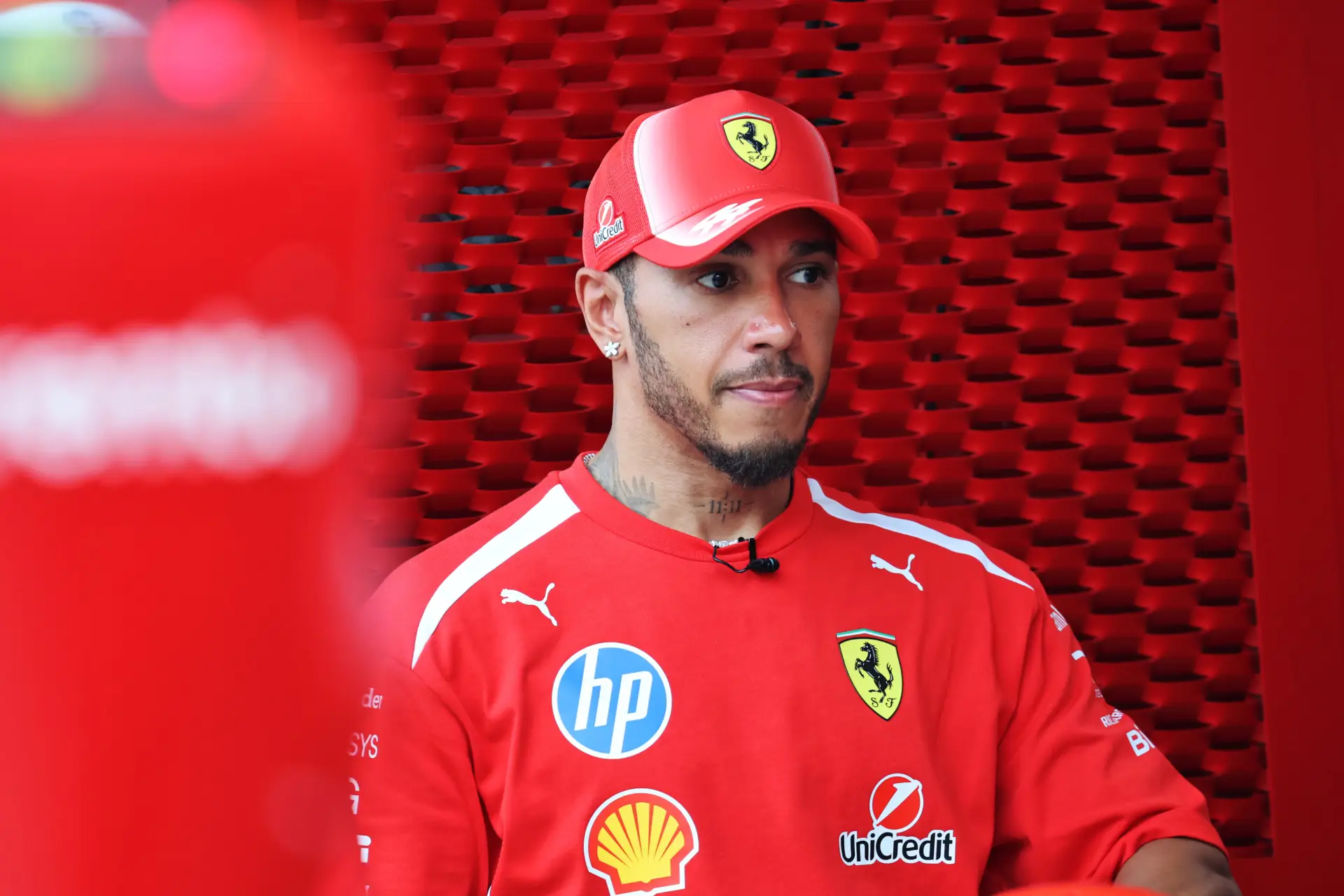
“As I said, I went into the pit lane and I'm like, it's wet. I go to pit wall and I'm like, it's wet. I come back to the garage and I'm like, guys, we should be on the Inters. And then they all give a different perspective. And when, if you've got three people giving you a different perspective, you eventually get convinced by that and you're like, okay, I'll go with what you suggest. And that's how you work as a team. And you hope that three are more right than one.
ADVERTISEMENT
“But in some scenarios, it's the other way around. And you were right, and your gut feeling was right. And then you're like, damn, I should have gone with my gut. But everyone's generally trying to do the best they can. It wasn't good enough. We've had a huge discussion about it. We're going to try and work on how we can come to a better conclusion more consistently in the future.”
Hamilton’s second-place Bahrain GP restart raises questions over FIA procedure
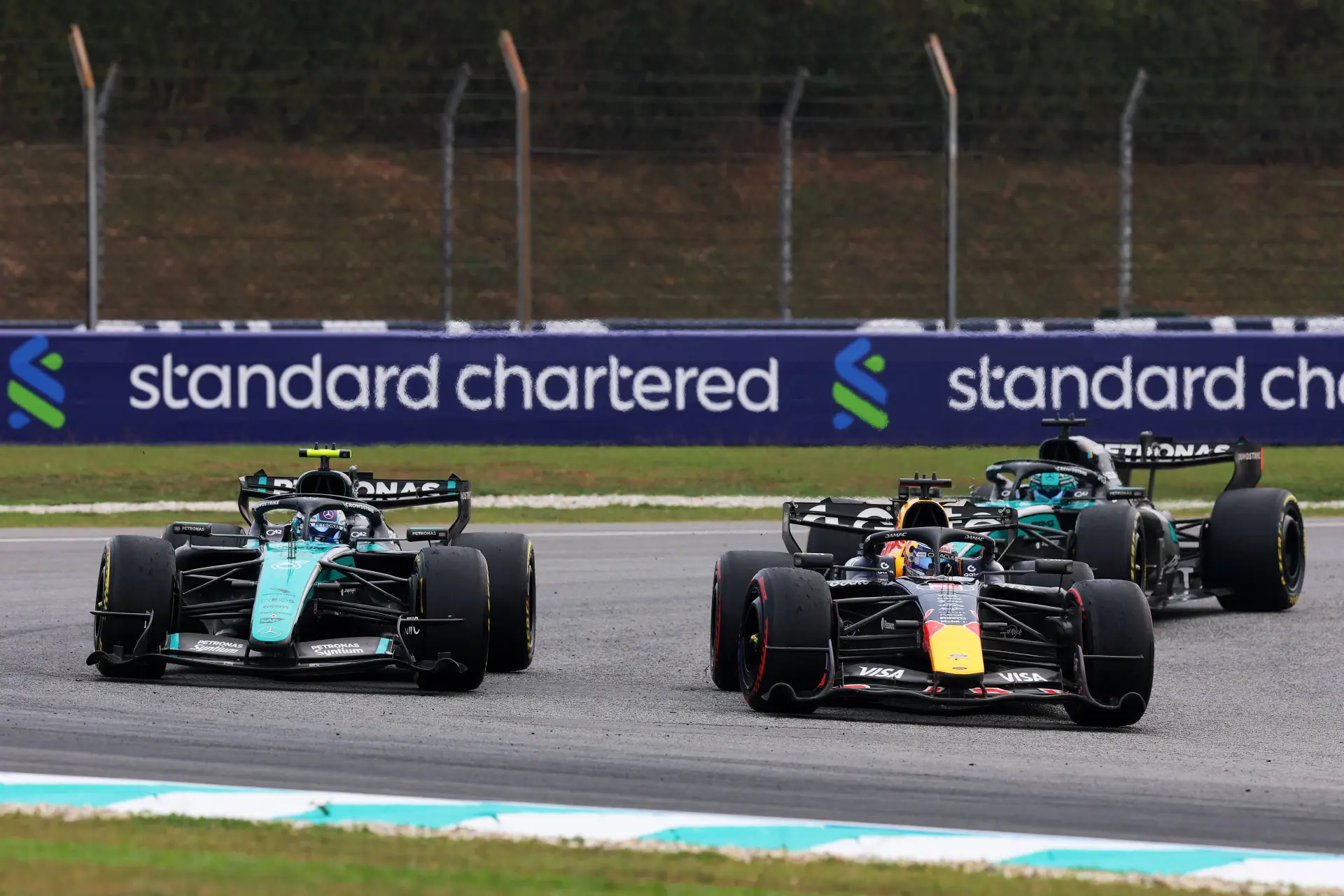
Among the many talking points to emerge from the Malaysian Grand Prix at Sepang, the chaotic start procedure has continued to generate debate, particularly over the FIA's decision to restore the original grid order despite the cars returning to the pit lane in a different sequence. Former Aston Martin Head of Race Strategy and current F1 pundit Bernie Collins has questioned the decision, which allowed Lewis Hamilton to reclaim his second-place starting position following the software issues that disrupted the formation lap.
The controversy centres on Article B5.15.1 of the regulations, which states that cars entering the pit lane behind the Safety Car following a suspended start procedure should be arranged in the order in which they entered.
Collins acknowledged that reverting to the original grid order was understandable given the extraordinary circumstances, but stressed that the regulations explicitly address such situations. Although the events at Sepang were considerably more chaotic than those the provision was originally intended to cover, she pointed out that the rule nevertheless exists.
ADVERTISEMENT
Collins also highlighted the frustration that the decision could have caused among teams and drivers who had gained positions during the disrupted formation lap, whether through better engine management, a greater understanding of the situation or simply good fortune. By restoring the original starting order, those advantages were effectively wiped out, potentially leaving some teams feeling unfairly treated.
Don’t miss GPblog in Google
Mark us as a preferred source and our articles will appear more often at the top of Top Stories.
Add as a preferred / source on Google