Good news for Alonso and Stroll: this is when Honda will deliver its power unit update
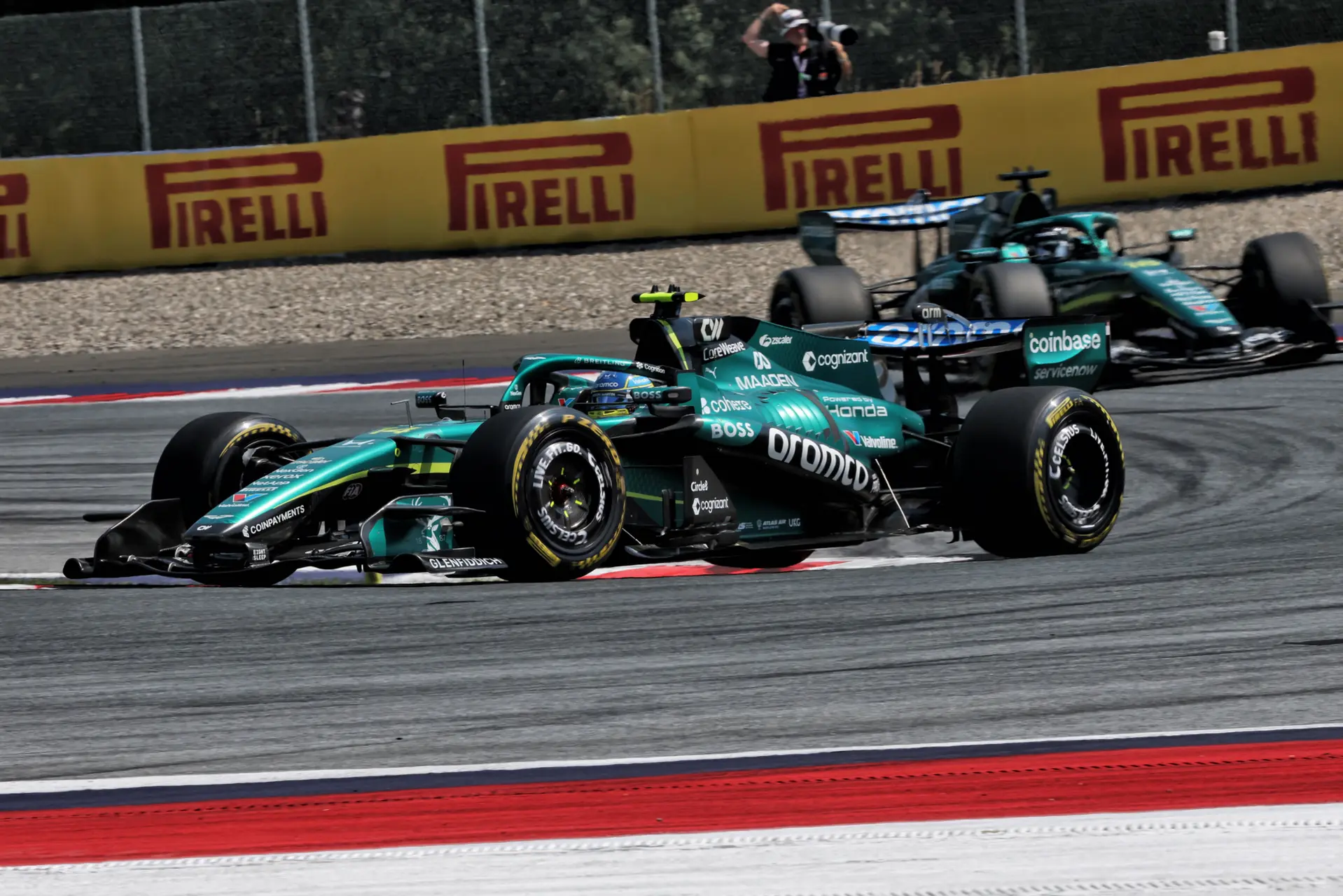
Photo: Race Pictures

Kada Sárközi joined GPblog as an editor ahead of the 2023 Formula 1 season. He graduated with a BA in Sports Journalism in the UK and has covered Grands Prix and other F1 events live.
Honda has now confirmed the Formula 1 weekend during which it plans to introduce its power unit updates for Aston Martin, with Shintaro Orihara confirming the timeline at Silverstone.
Aston Martin has experienced a difficult start its partnership with Honda in Formula 1, as the team has scored a single point so far this season in Monaco with Fernando Alonso.
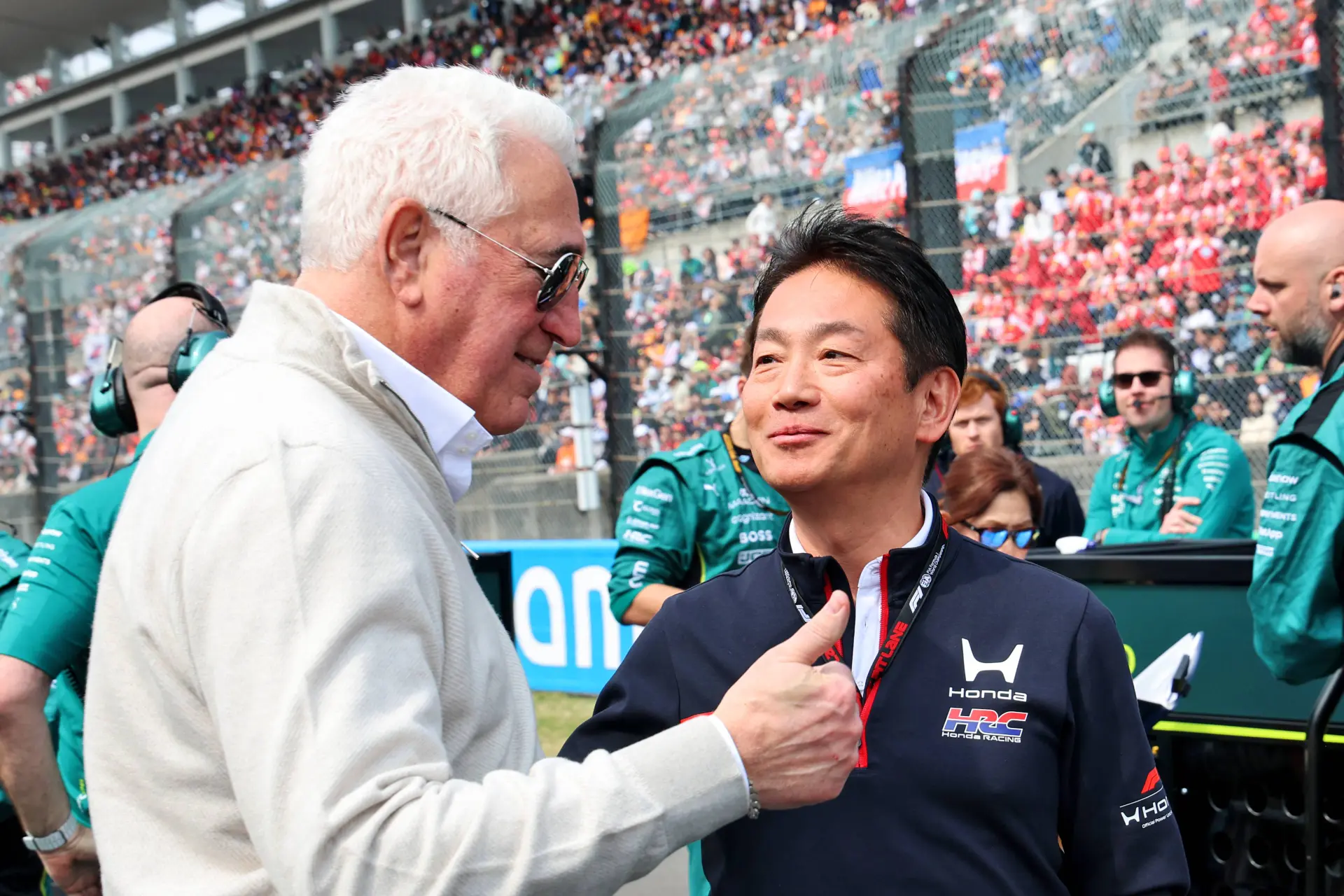
Ohitara, Honda's Trackside General Manager and Chief Engineer outlined a timeline to GPblog, among others. He said: "I kept saying summer, but that may be a boring answer. So I would say our target is the Netherlands. So we are working hard to complete our job list to achieve bringing new power into the Netherlands. That is our target.
"Purely we focus on internal. Our focus point is to improve engine performance, so we are working on combustion chamber shape and also we modify pre-chamber. And also, we will change combustion chamber shape to improve our combustion performance. Also, we are working to reduce friction by modifying the lubrication system. That is what we are working on. And also, of course, to improve reliability, because if we increase performance, we need to increase reliability. So still, we have a quite big list to complete, but we are working hard to achieve the goal by the Netherlands."
Thanks to ADUO, Honda can use so-called "jokers" to update its power unit. These do not carry over to next season. Asked about how many jokers would be used by Zandvoort, Ohitara added: "I can't explain in detail how many, but we have a big list, so we will bring many updates to the Netherlands, so I can't say how many, but quite big parts we will modify."
ADVERTISEMENT

Photo: Race Pictures
Newey reveals when Aston Martin's 'big aerodynamic package' will arrive
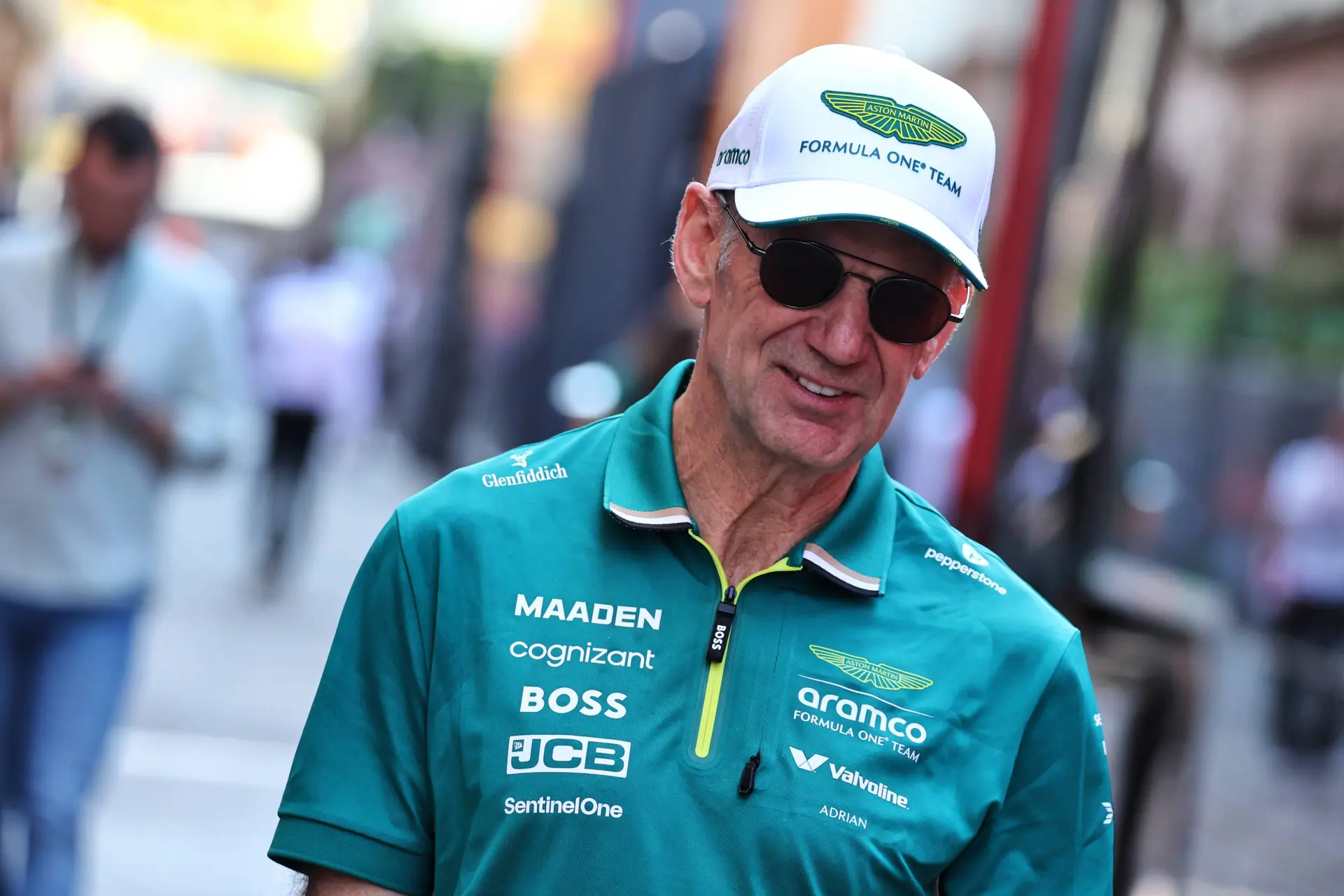
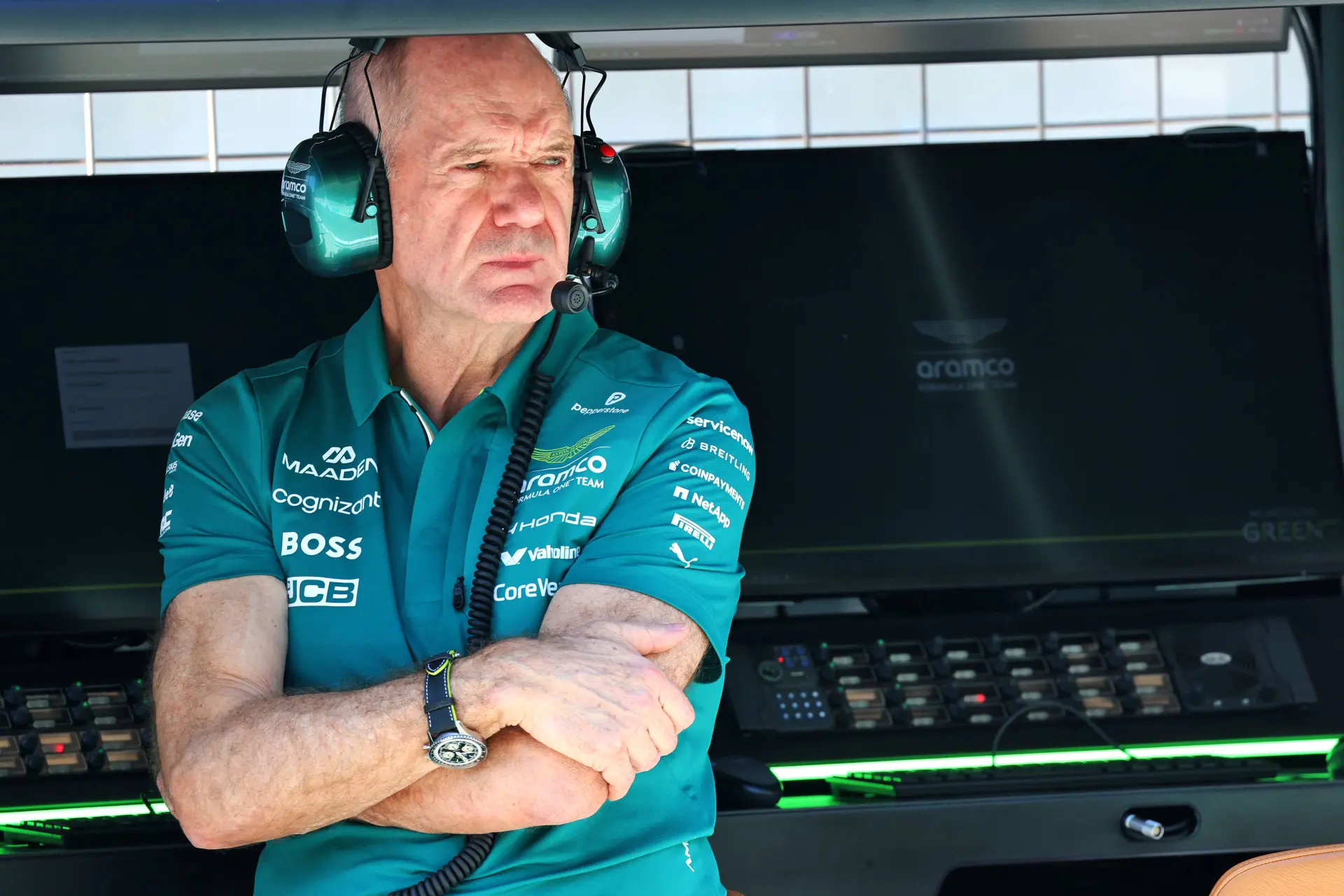
Speaking on the latest episode of Aston Martin's Undercut, team principal Adrian Newey explained the team's plans to introduce changes to the car's chassis as well.
"We plan to introduce our upgrade in Hungary on both cars. The main structural elements remain the same – the chassis and gearbox architecture don't fundamentally change – but we've taken weight out of both, which required re-homologating and crash testing the forward chassis.
"The front suspension is unchanged. The rear suspension is slightly revised. We've developed a new nose and substantially revised aerodynamic surfaces. So, while the core structure is similar, it's a big aerodynamic package coupled with significant weight reduction. The target is to get very close to the weight limit."
ADVERTISEMENT
Don’t miss GPblog in Google
Mark us as a preferred source and our articles will appear more often at the top of Top Stories.
Add as a preferred / source on GoogleRead more about:
latest news


Bahrain Grand Prix
Overview
... ...
Practice 1
...
Practice 2
...
... ...
Practice 3
...
Qualification
...
... ...
Race
...
... ...
Practice 1
...
Practice 2
...
... ...
Practice 3
...
Qualification
...
... ...
Race
...
Times are in your local timezone
Rumors
Popular on GPBlog

1
Lando Norris reveals why he skipped karting with F1 drivers
1873 times read
2
FIA reaches verdict on Hamilton following Bortoleto impeding incident in FP2
1726 times read

3
Hamilton gives first indication of Ferrari’s true pace after Bahrain GP FP2
1123 times read
4
Verstappen sends warning to Mercedes in race simulations as Ferrari waits
1045 times read
F1-stand 2026
Season
| Pos. | Driver | Team | Points |
|---|---|---|---|
1 | MercedesMER | 302 | |
2 | MercedesMER | 236 | |
3 | FerrariFER | 199 | |
4 | McLarenMCL | 186 | |
5 | FerrariFER | 179 | |
6 | Red Bull RacingRBR | 163 | |
7 | McLarenMCL | 120 | |
8 | Red Bull RacingRBR | 86 | |
9 | Racing BullsRCB | 59 | |
10 | AlpineALP | 41 |
Loading