Formula 1 teams under enormous time pressure after growing support for new engines
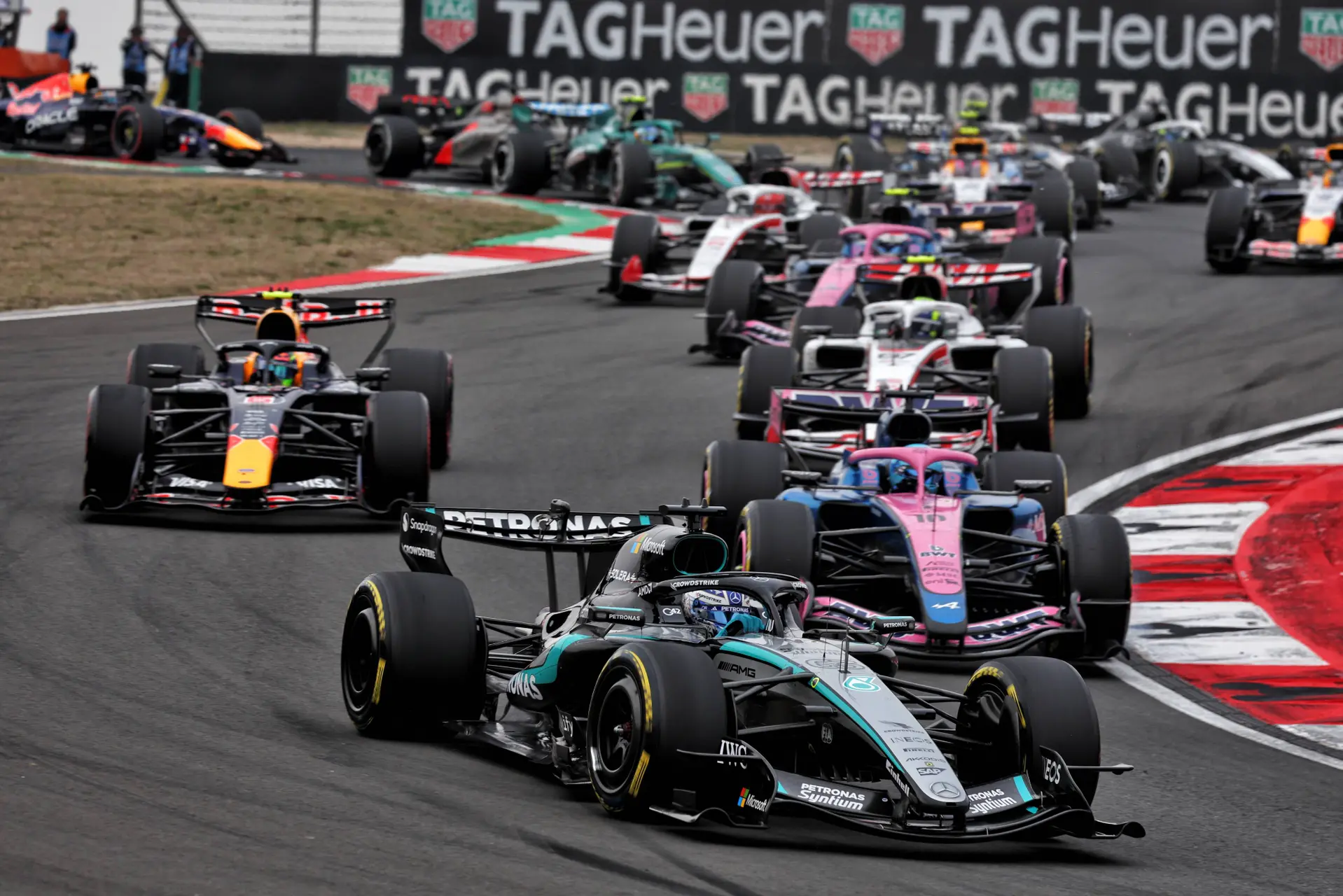
Photo: Race Pictures

Ludo van Denderen is a motorsport journalist at GPblog, specializing in Formula 1 and international racing series.
The Formula 1 teams and the engine manufacturers must make a decision in the very short term on whether to make changes to power unit hardware. If revised engines are to be introduced in the sport in 2027, time is running out.
After the FIA and the teams agreed to make software adjustments to the engines starting from the Miami Grand Prix, a debate has flared up over whether the changes go far enough. Andrea Stella was the first to indicate that he also wanted changes to the hardware, after which Red Bull Ford joined the McLaren team boss. Audi is also not opposed in principle to such an adjustment.
Time is running out for the manufacturers
As a result, the calls to change the power units are growing louder, as drivers such as Max Verstappen, Fernando Alonso, and Lando Norris indicated. At the same time, the drivers realize that talks cannot drag on too long if a new engine is to be ready by 2027. A final decision must be made within a few weeks at the latest, because manufacturers need time to build new engines.

Andrea Stella - Photo: RacePictures
ADVERTISEMENT
If that's the case, Mercedes, Ferrari, Red Bull Ford, Audi, and Honda will have ‘only’ half a year to make structural changes to the design of their engines. Given that they have spent years developing the 2026 engines, that is an exceptionally short timeframe.
What will Mercedes do?
Much will depend on Mercedes’ stance. Will the manufacturer agree to a major change, especially when the Germans currently have by far the best power unit on the F1 grid? The answer to that question could easily be ‘no’. On the other hand, Mercedes does not need to agree if the other manufacturers plus the FIA and Formula One Management are in favor of a change.
That does not change the fact that Mercedes can prolong the process, which could mean that while there is ultimately a willingness to change the hardware for 2027, there is simply not enough time to take such a step by then.
ADVERTISEMENT



Don’t miss GPblog in Google
Mark us as a preferred source and our articles will appear more often at the top of Top Stories.
Add as a preferred / source on Google