FIA introduce 2026 rule change to prevent qualifying episode repeat
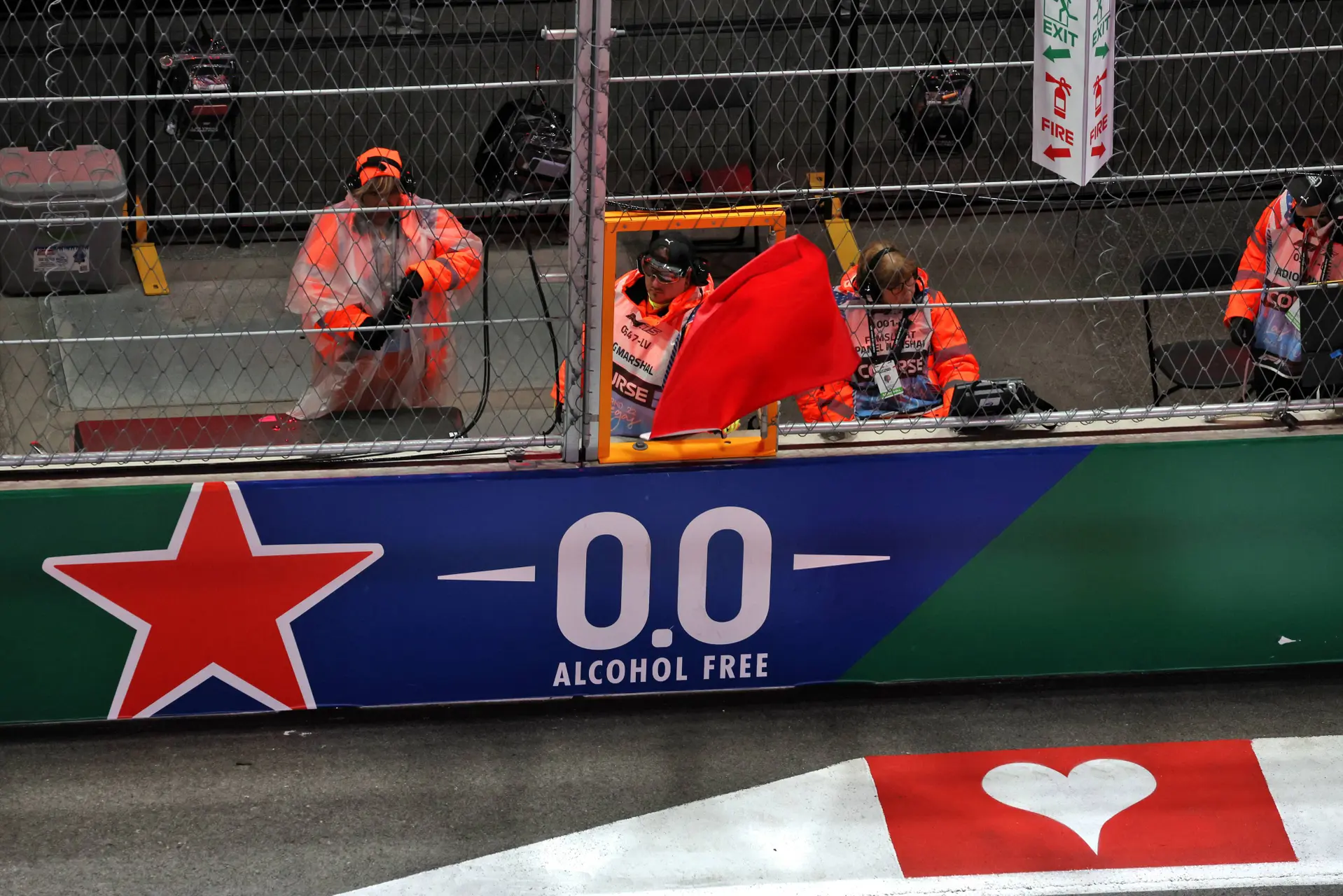
Photo: Race Pictures
Tobia is a Formula 1 journalist at GPblog with experience at international circuits. Since 2022, he has covered Grands Prix across Europe, delivering reliable coverage and insights from the paddock.
The FIA has introduced a tweak to the 2026 rules aimed at preventing a repeat of the qualifying issues caused by red flags, such as those seen at Imola.
Qualifying at Emilia Romagna GP was heavily disrupted in Q1 by two red flags triggered by on-track incidents, including a crash involving Franco Colapinto. Amid the stoppages, Oliver Bearman was on a flying lap when the second red flag was deployed.
The controversy arose when the Brit crossed the start-finish line just seconds after race control had called the red flag, with onboard footage appearing to show no red-flag lights on his car at the moment he completed the lap.
Despite this, the FIA ruled that the red-flag signal had been transmitted electronically three seconds earlier, meaning the lap was deemed invalid under the official timing data. As a result, Bearman’s lap time was deleted by the stewards, leaving him eliminated in Q1 and classified 19th, narrowly missing out on a place in Q2.
Photo: Race Pictures
ADVERTISEMENT
The FIA has now introduced a clarification into the International Sporting Code to prevent similar situations from arising next season: “Where an automobile crosses the control line to complete a lap after the red flag has been displayed: (a) that lap time shall not be considered valid; (b) the moment of first display shall be determined by the official timekeeping system or, where this is not available or not synchronised, as jointly confirmed by the race director or clerk of the course and the chief timekeeper; (c) if a lap time is nevertheless recorded after the first display of the red flag, the stewards shall delete that lap time.”
The FIA has confirmed that this procedure will apply to all sessions, including qualifying and the race, removing any remaining room for interpretation.
FIA heeds Russell’s stance in 2026 F1 regulations shake-up
The FIA has opted for a far tougher stance after reflecting on feedback from across the paddock, with George Russell among those who had publicly argued that protest fees should be significantly higher following Red Bull’s unsuccessful challenge after the Canadian Grand Prix.
From 2026 onwards, teams will face a steep financial deterrent when considering protests or a right of review, as the fee is set to leap from €2,000 to €20,000. Any protest that is upheld will see the money returned, but failed attempts will come at a cost, with the sum deducted from the team’s cost cap.
ADVERTISEMENT
The appeal process has also been updated under Article A7.5.4. Read the full story here.
Read also
GPblog's latest F1 Paddock Update
Want to stay up-to-date with what happens in the F1 paddock? Then GPblog's F1 Paddock Update video is the perfect way to do it. Subscribe to GPblog's YouTube channel and turn on notifications to never miss the latest episodes.
ADVERTISEMENT
Don’t miss GPblog in Google
Mark us as a preferred source and our articles will appear more often at the top of Top Stories.
Add as a preferred / source on Google