F1 insider pinpoints the real culprit behind engine compression ratio saga

Nikolas Tombazis with George Russell in the paddock, Photo: Race Pictures

Tobia is a Formula 1 journalist at GPblog with experience at international circuits. Since 2022, he has covered Grands Prix across Europe, delivering reliable coverage and insights from the paddock.
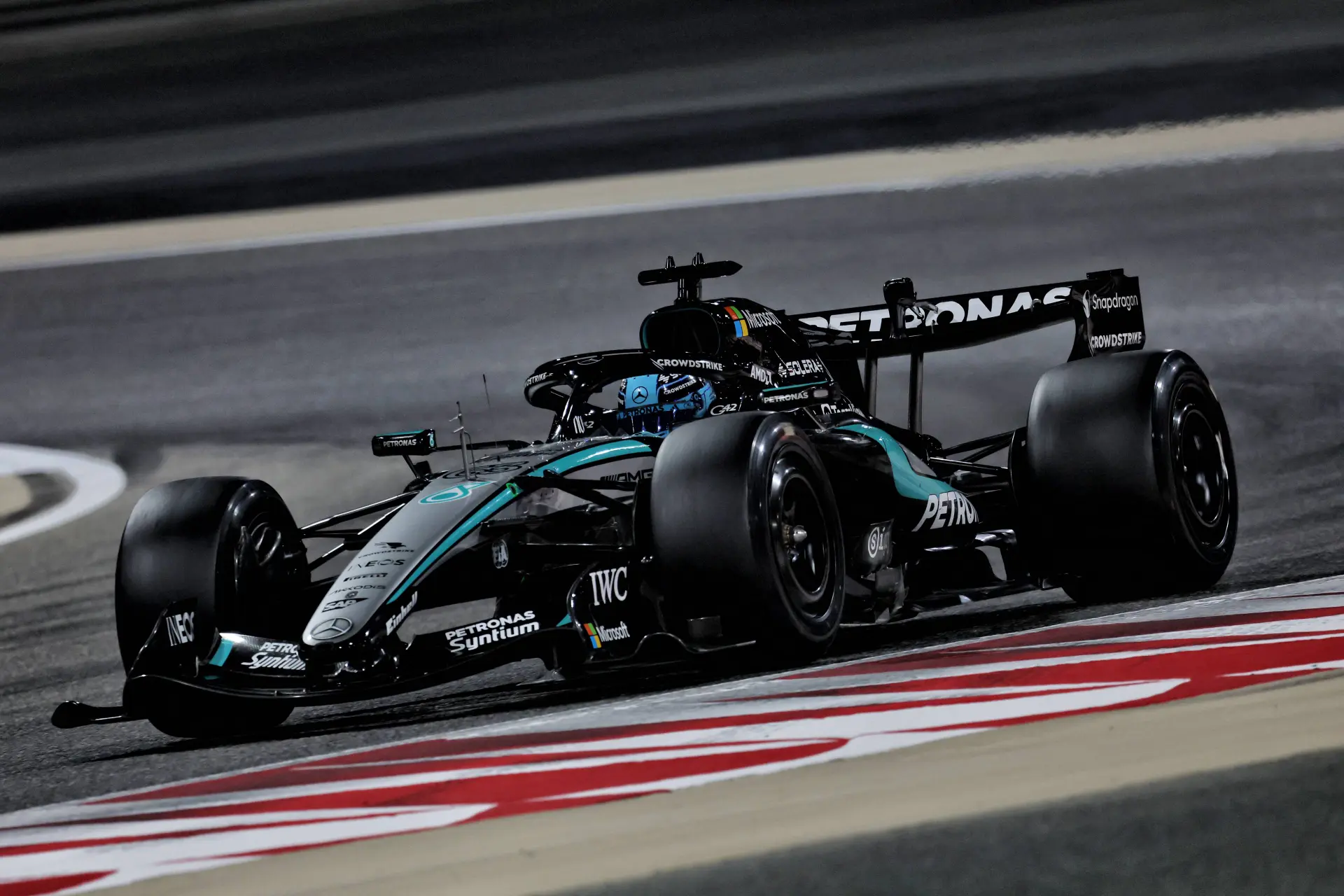
David Coulthard believes it was the FIA itself that created the conditions for the heated debate over Mercedes’ engine compression ratio 'trick'.
“An operational window of an F1 car isn’t sitting in a garage at ambient temperature. It is out on track. That’s where they should be designing the rules and regulations”- David Coulthard
Did the FIA trip itself up in drafting the 2026 regulations?
Speaking on the Up To Speed podcast, the former Formula 1 driver believes the FIA effectively scored an own goal through the way the regulations were written, leaving enough room for teams to interpret certain articles to their advantage by exploiting regulatory grey areas.
“I’ve read recently they’re going, ‘Well, we’re only about 20 people writing the rules and F1 teams of hundreds of people, which is why we didn’t figure out the loophole and then close it down’.
ADVERTISEMENT
“If the regulation makers did a better job, quite frankly, of understanding the operational window of a Formula 1 car. An operational window of an F1 car isn’t sitting in a garage at ambient temperature. It is out on track. The engine temperature at 110°, everything red hot, brakes at over 1000°. That’s where they should be designing the rules and regulations.”

David Coulthard during the 2025 F1 Italian Grand Prix. Photo: RacePictures
FIA introduces rule change in regulations concerning Mercedes' power unit 'trick'
On Saturday, the FIA formally brought an end to the controversy that had fuelled intense debate across the paddock during the pre-season, unveiling a compromise that secured unanimous backing from all stakeholders.
Under the revised directive, effective from 1 June, power units will be tested not only at ambient temperature but also at 130°C — the threshold at which Mercedes’ engine was reported to see its compression ratio shift from 16:1 to 18:1.
ADVERTISEMENT
The update was approved without opposition by the World Motor Sport Council. From 2027 onwards, however, compliance checks will be carried out exclusively under full operating conditions.
Read also


Don’t miss GPblog in Google
Mark us as a preferred source and our articles will appear more often at the top of Top Stories.
Add as a preferred / source on Google