Alonso hits out at 2026 cars: 'Probably the worst generation I ever drove in Monaco'
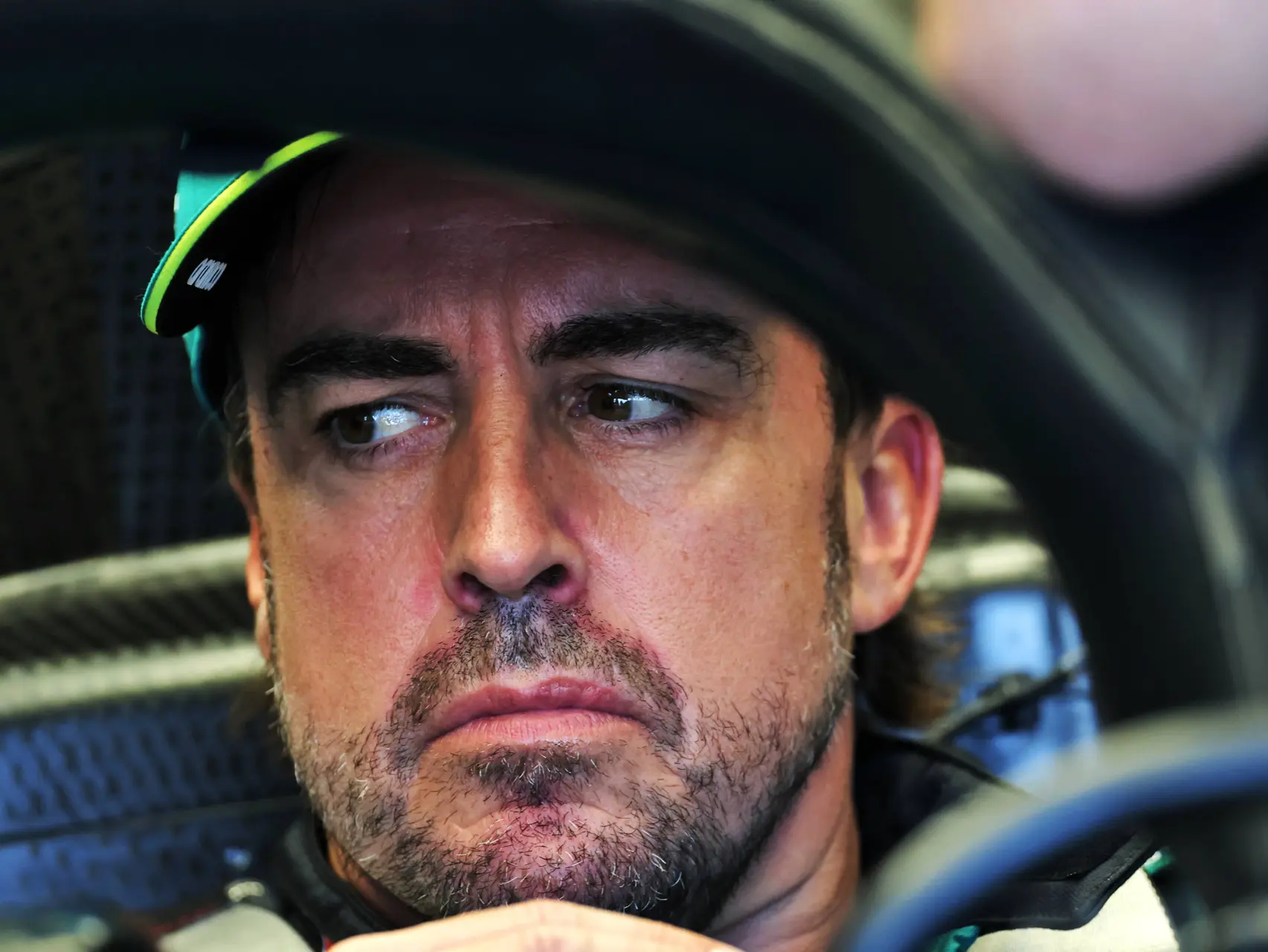
Photo: Race Pictures
Tobia is a Formula 1 journalist at GPblog with experience at international circuits. Since 2022, he has covered Grands Prix across Europe, delivering reliable coverage and insights from the paddock.
Fernando Alonso was far from impressed by 2026 cars around Monaco after Friday's opening practice sessions, describing them as "the worst generation of cars" he has ever driven around the Principality.
The new-generation cars are considerably narrower and shorter than those seen in Formula 1 over the past decade, a characteristic that, in theory, should have made them better suited to Monaco's tight and twisting streets. However, that has not been the case for the two-time world champion.
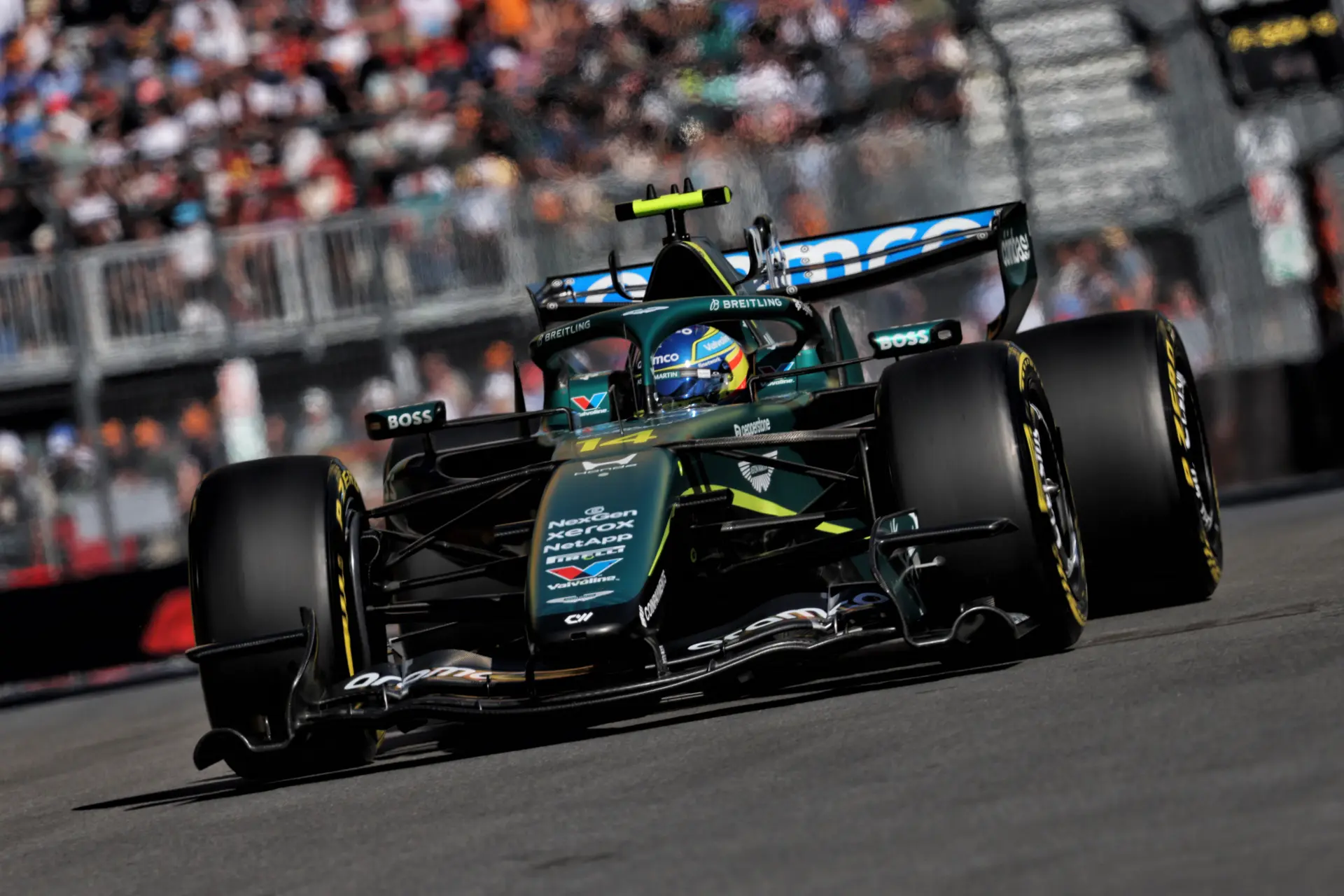
Alonso issues damning assessment of 2026 cars in Monaco
Speaking after Friday's running in Monaco, Alonso pointed to the 2026 regulations as the main reason behind the difficulties drivers are experiencing around the Principality. The Aston Martin driver explained that the heavy reliance on energy recovery systems means the behaviour of the car can change constantly throughout a lap, making it far harder to predict and drive on the limit.
ADVERTISEMENT
The Spaniard noted that battery charge levels have a direct impact on how the car reacts under braking, with the balance shifting depending on how much energy is being harvested or deployed at any given moment. As a result, drivers can face different responses from the car in identical corners, reducing confidence on a circuit where precision is everything.

Photo: Race Pictures
Alonso also highlighted the increasingly complex nature of the current power units, with braking phases, energy recovery, battery management and gear changes all playing a major role in how the car performs. In his view, the combination of these factors has created a package that feels overly complicated and inconsistent, particularly on a track such as Monaco, where drivers need complete trust in the car to attack the barriers and extract the maximum performance.
“This is probably the worst generation of cars I ever drove in Monaco. The way you charge the battery, with the braking and lifting off and things like that, obviously creates a lot of inconsistency into the engine braking of the car. Sometimes you have less, sometimes you have push and sometimes not. If the battery is completely full, then you don’t recharge because the battery is full. So you don’t have engine braking. It’s like pushing.”
“It’s just the rules. Hybrid cars should not be racing. It’s as simple as that. Now, we harvest a lot during braking. The rear axle is just charging the battery massively on the braking. Then you have these downshifts that you need to interact with the engine blip to engage the next gear. There are a lot of things going on this year and it seems that we are not at the level yet.”
ADVERTISEMENT
The Spaniard also found himself at the centre of one of FP1's incidents, losing control of his AMR26 and clipping the barriers on the right-hand side of the circuit. Fortunately for Alonso, the impact caused only limited damage, with the front wing bearing the brunt of the contact and no major repairs required.
Alonso expects Monaco overtaking struggles to remain despite new rules
As is well known, this weekend marks the first time since the start of the season that drivers are not using straight-line mode. In addition, the electric power cut-off has been brought forward to 200 km/h instead of the usual 290 km/h, a measure introduced to address safety concerns and prevent top speeds from becoming excessively high around the streets of Monaco.
Alonso does not expect Monaco's new regulations to have a major impact on the racing, insisting overtaking will remain extremely difficult around the streets of the Principality. The Spaniard believes qualifying will once again prove decisive, arguing that grid position on Saturday is still likely to determine where drivers finish on Sunday due to the circuit's narrow layout and limited overtaking opportunities.
"I think no overtakes. This is Monaco, it will be very difficult to overtake. Maybe there are one or two in the race, but no more than that. And yeah, I think qualifying will be the most important part of the weekend and more or less your final position will be dictated on Saturday. It's true that we have less max power for longer, very rich on energy, Monaco, but it was the same last few years.
ADVERTISEMENT

Photo: Race Pictures
Finally, Alonso downplayed concerns over the current power unit characteristics, noting that Monaco has traditionally required full energy deployment and that similar limitations at the end of the straights have been present for several seasons. As a result, he does not foresee any significant difference compared to previous visits to the iconic street circuit.
"We had always a little bit of derates in the last few years at the end of the straights, and in Monaco was always full deployment. And it didn't change much when we came here in the last few years, so I don't think it will change."
Read also
ADVERTISEMENT
Don’t miss GPblog in Google
Mark us as a preferred source and our articles will appear more often at the top of Top Stories.
Add as a preferred / source on Google