
Tim Kraaij is Editor-in-Chief of GPblog.com and a Formula 1 analyst. With permanent FIA accreditation and direct access to the paddock, he delivers in-depth, data-driven analysis and insight into key developments within the sport.
A political game has put Formula 1 in a particularly difficult position. Few seem happy with the new regulations that everyone is now stuck with until 2030. How did it go so wrong, and can this still be fixed?
During the break between the Japanese Grand Prix and Miami, several meetings led to a few adjustments to the regulations. Band-aids to tackle the major problems these rules have caused. Drivers are clearly pleased that they were finally listened to, but not much progress has been made yet.
F1 drivers want more changes
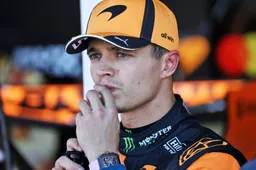
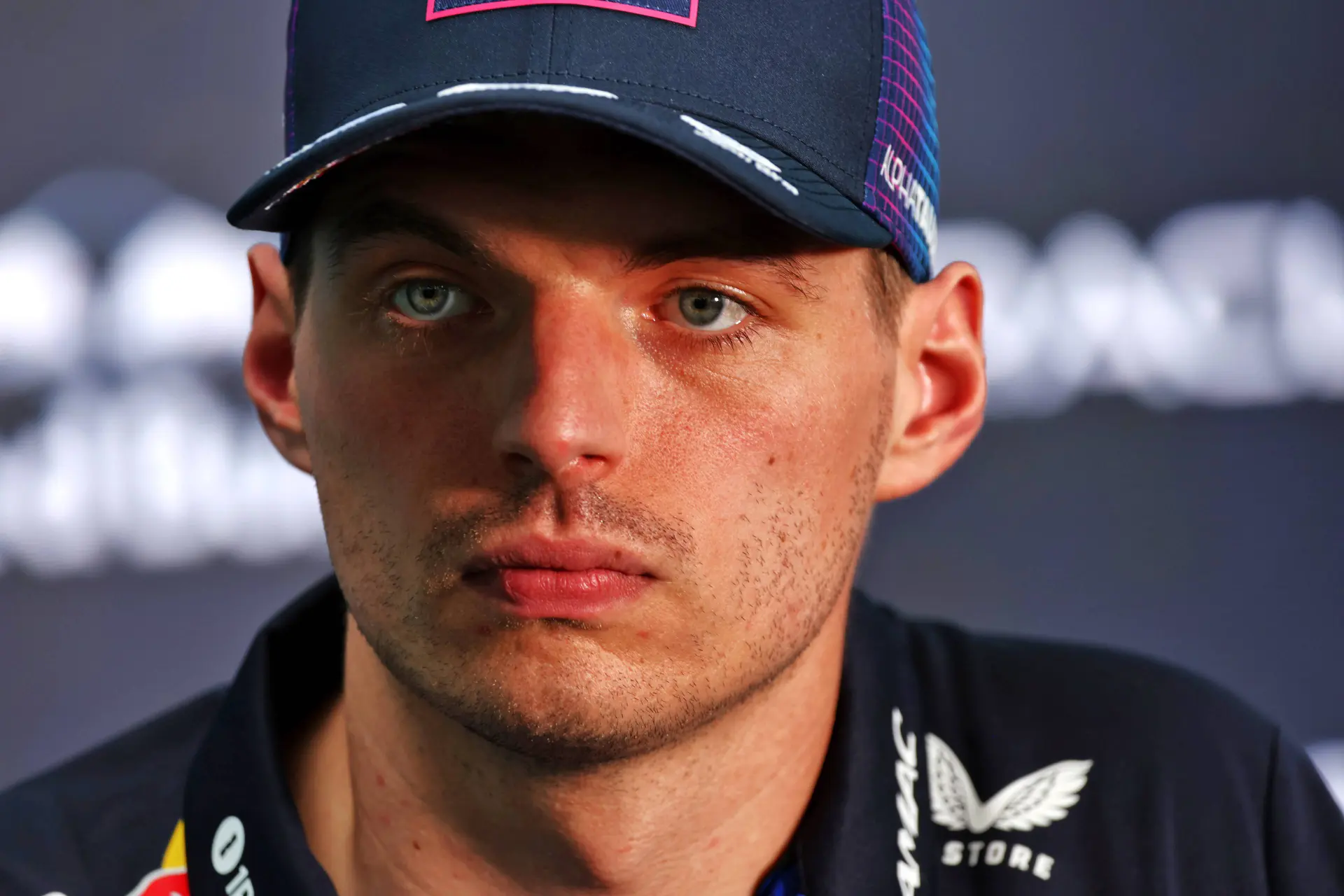
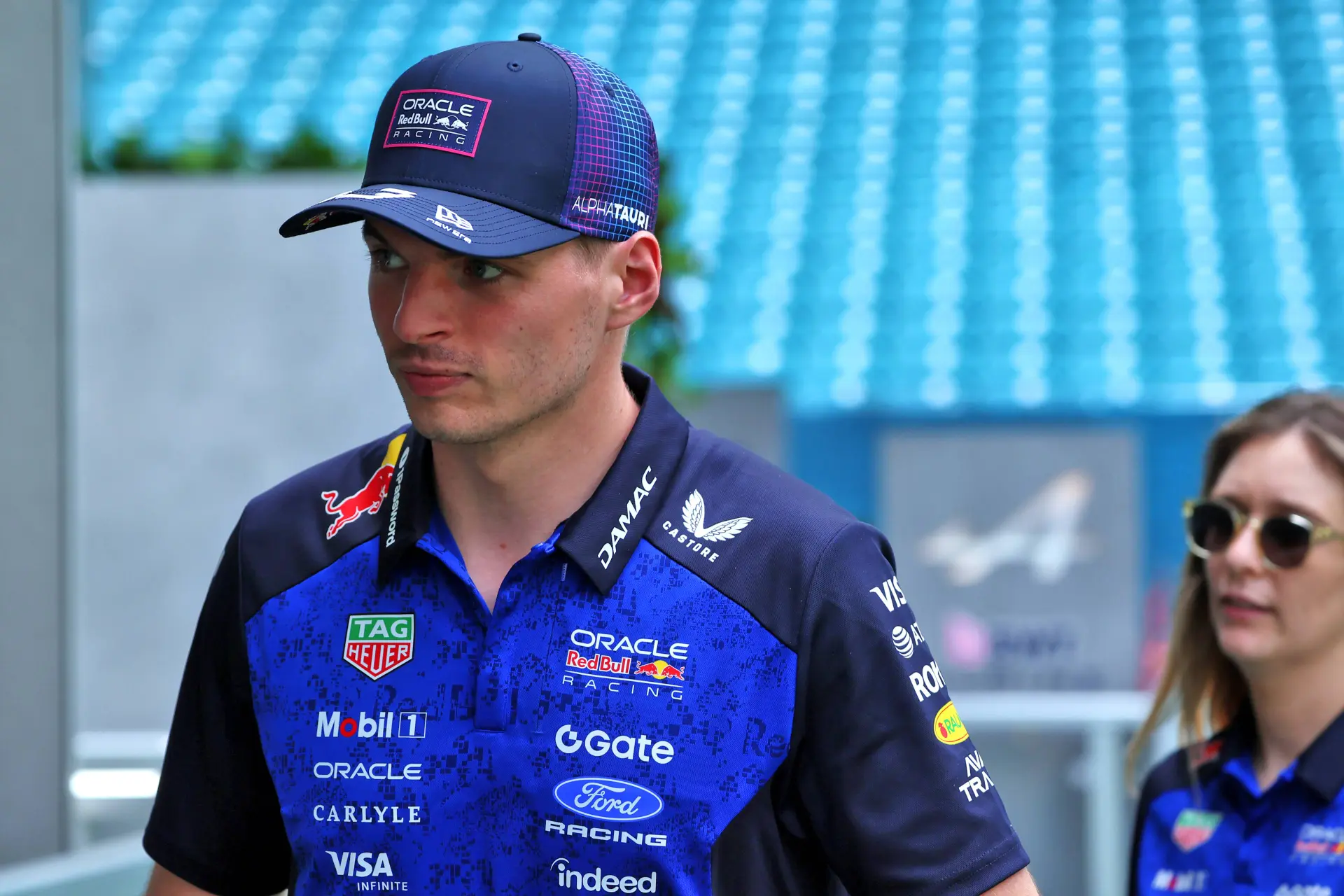
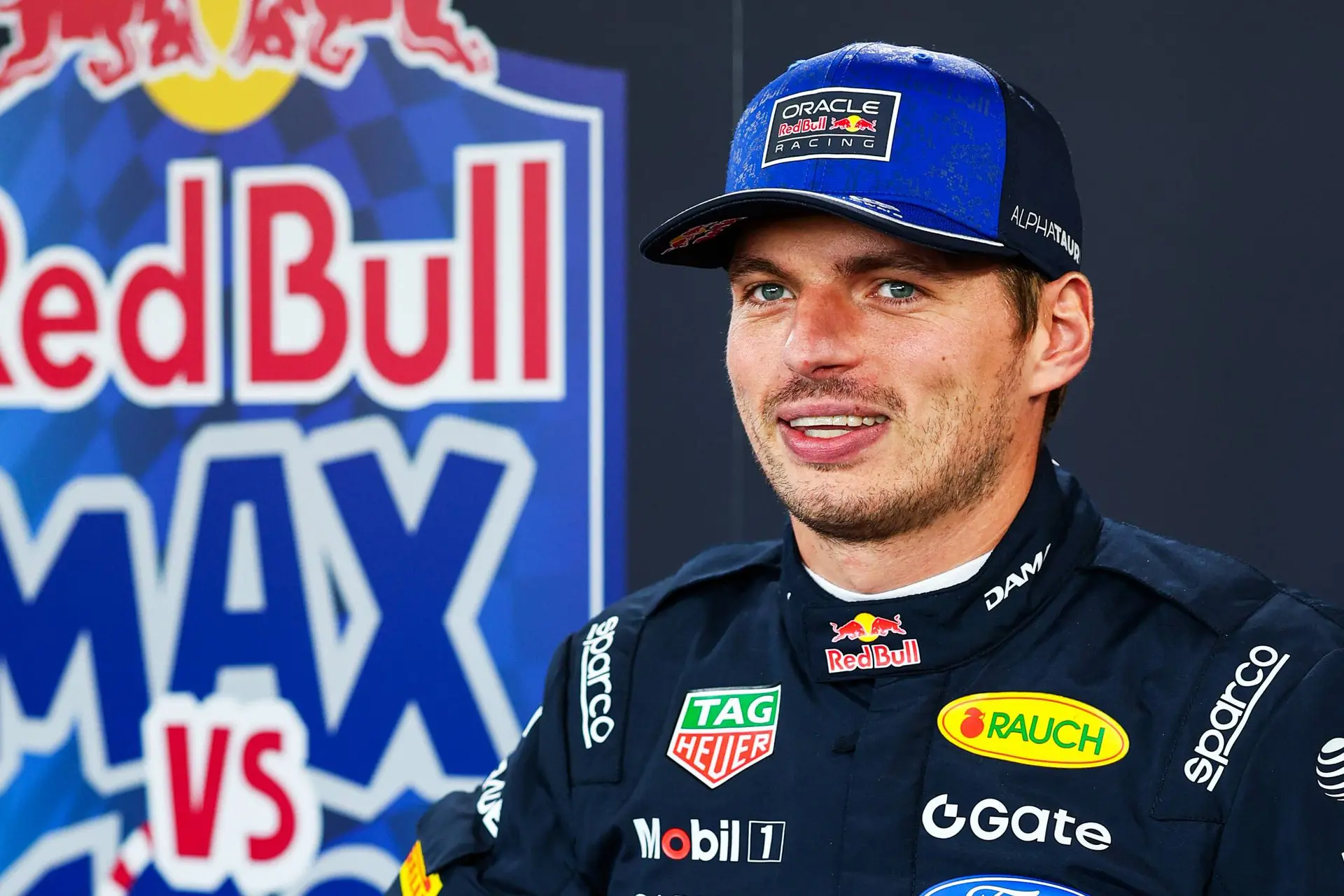
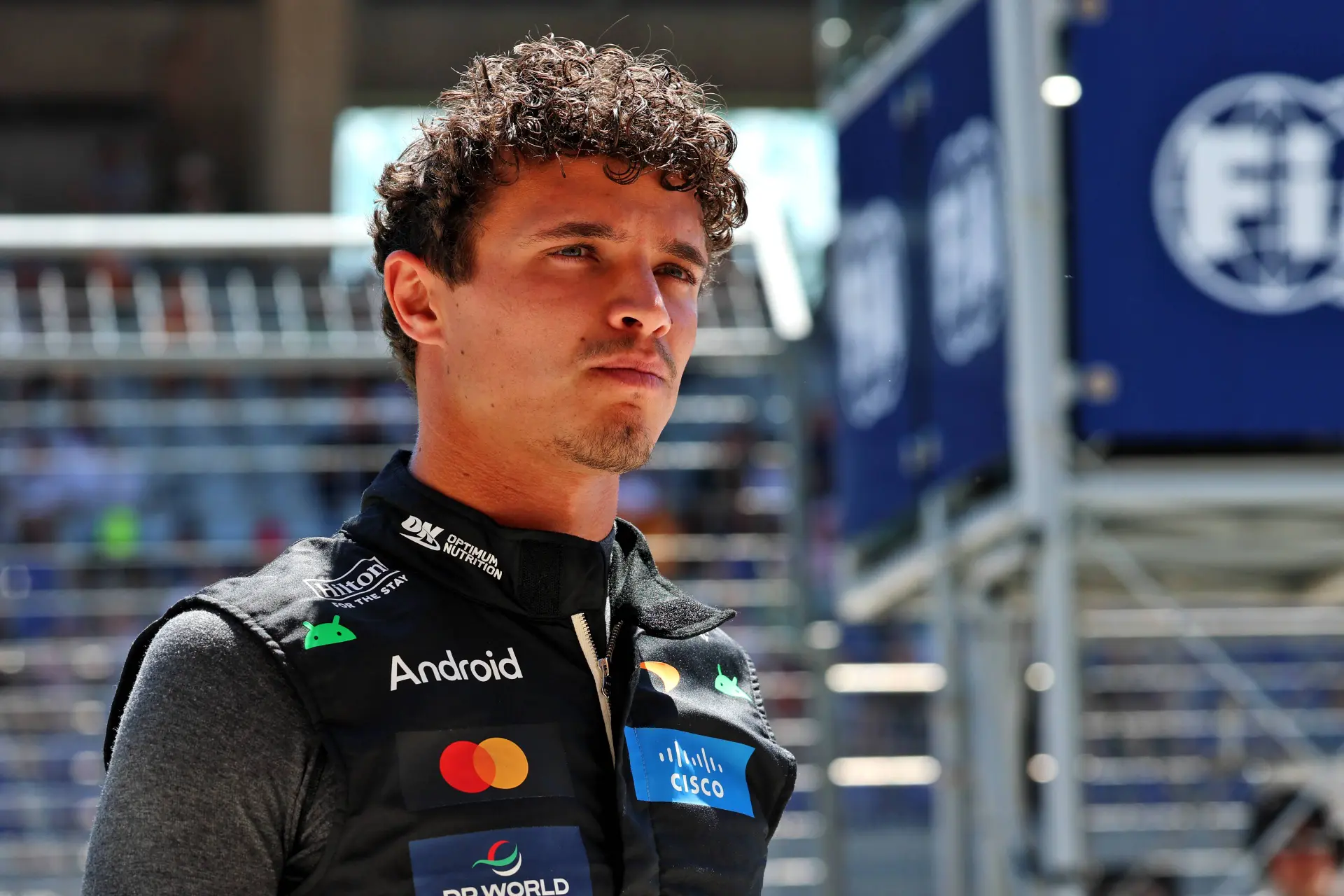
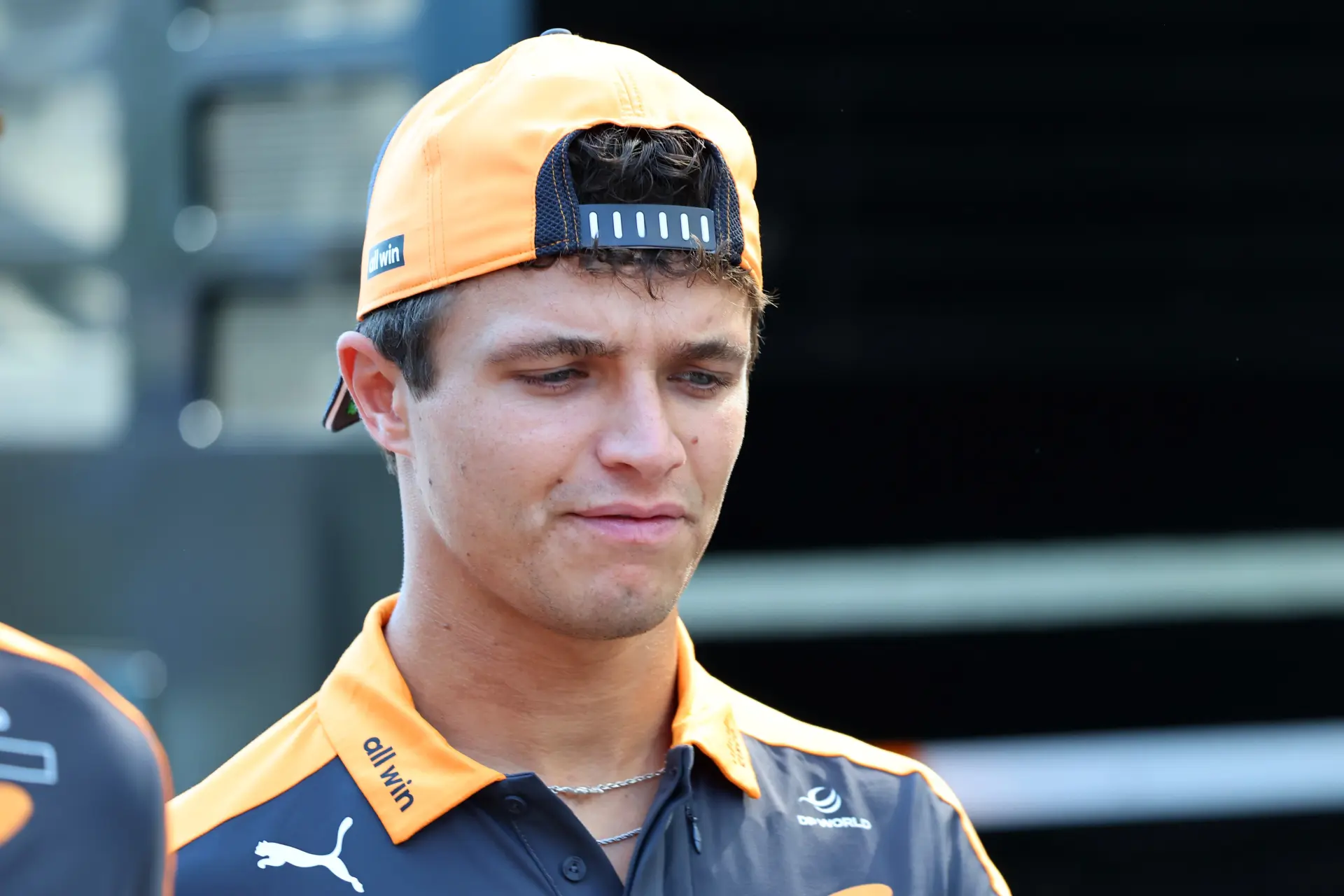
“We want more,” reigning world champion Lando Norris said bluntly in his assessment of the tweaks. It was a recurring theme among many drivers. Max Verstappen stated that it’s not what they want, but that it’s a very small step in the right direction. Esteban Ocon agreed, saying that even bigger changes are needed to solve the problems.
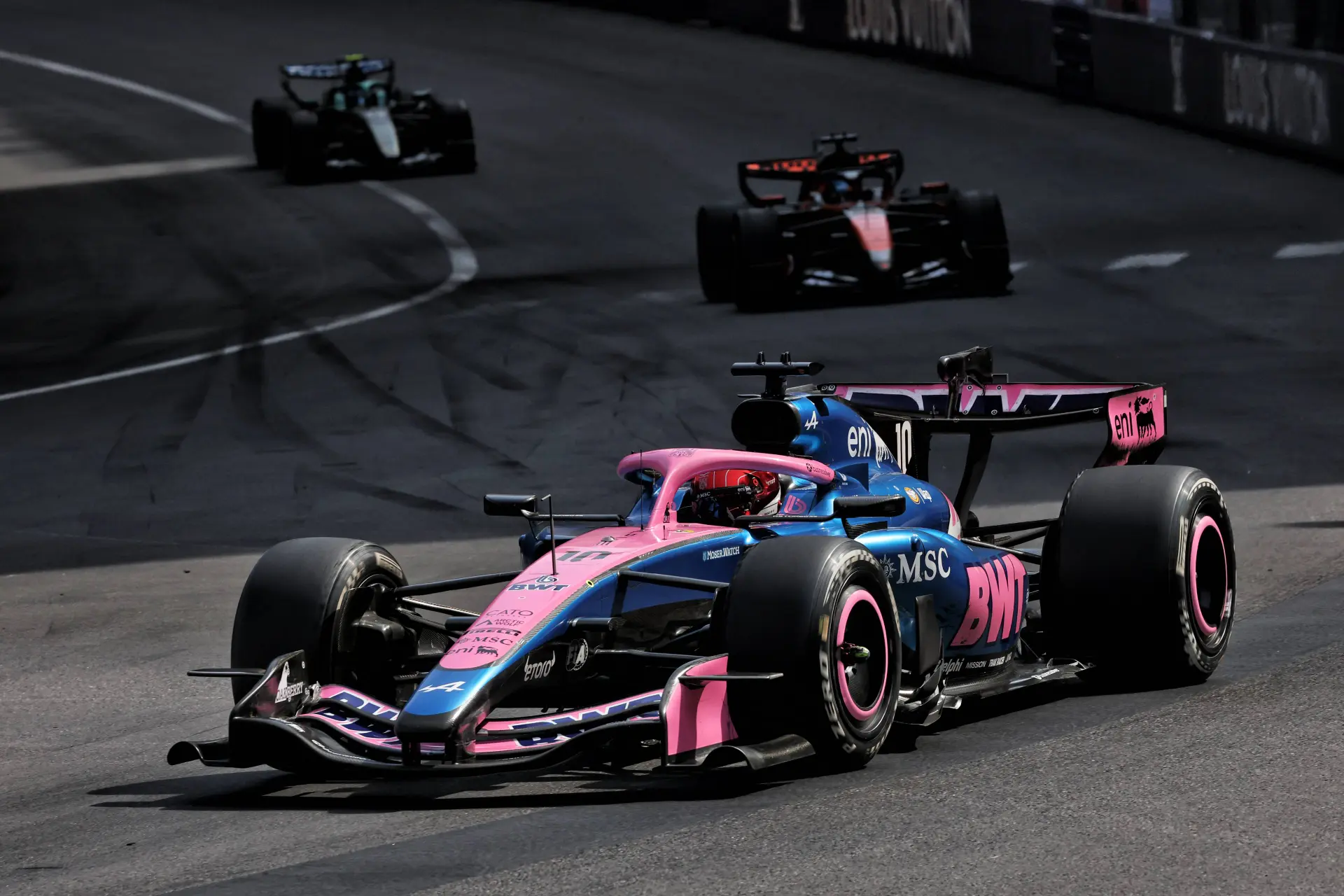
The problems are well known. In qualifying, drivers now have to crawl through corners to set a fast lap. Completely against a driver’s nature, as they’ve been taught since karting to extract the maximum from the corners. Adjustments have now been made to reduce lift-and-coast and superclipping, but those will still be needed.
ADVERTISEMENT
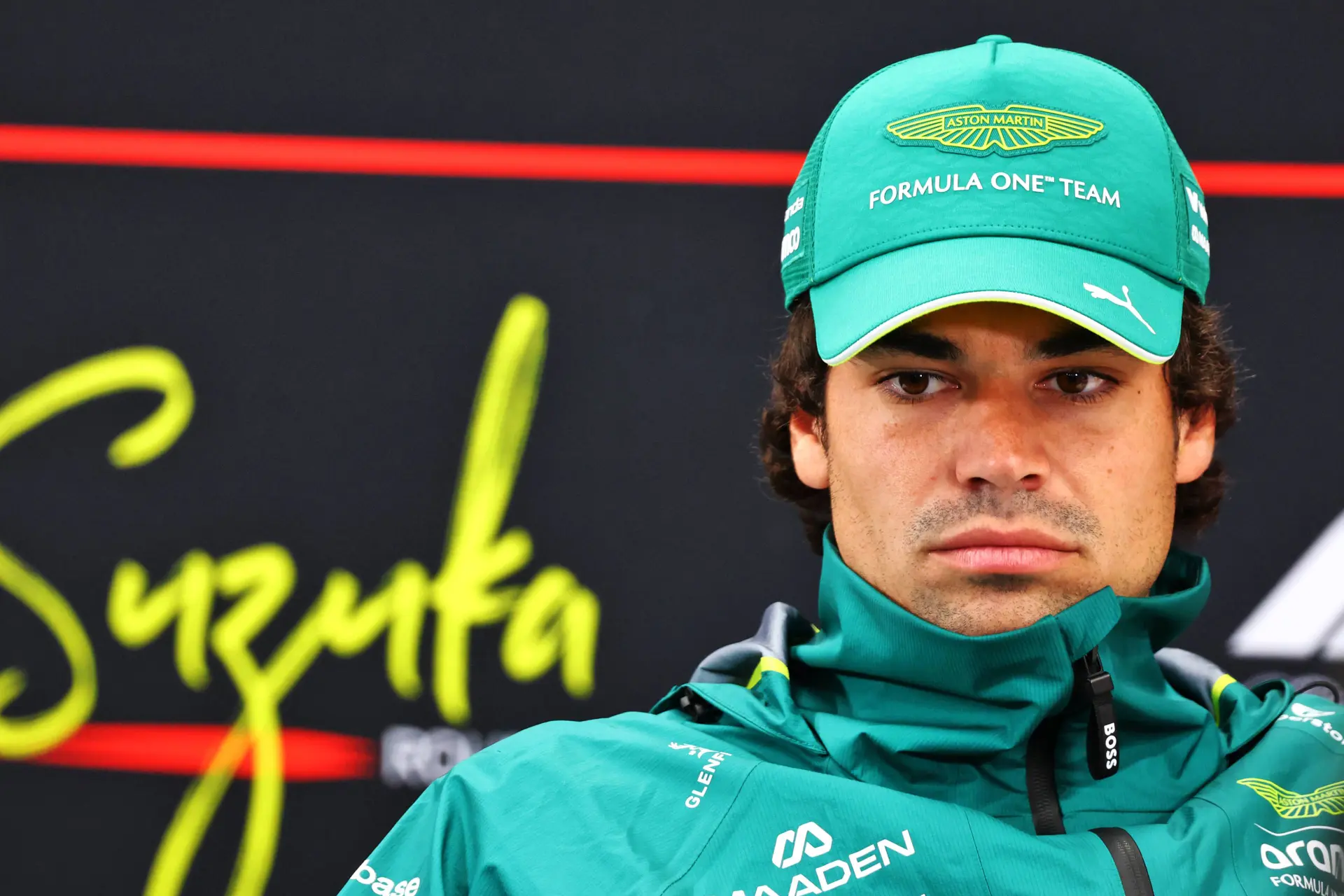
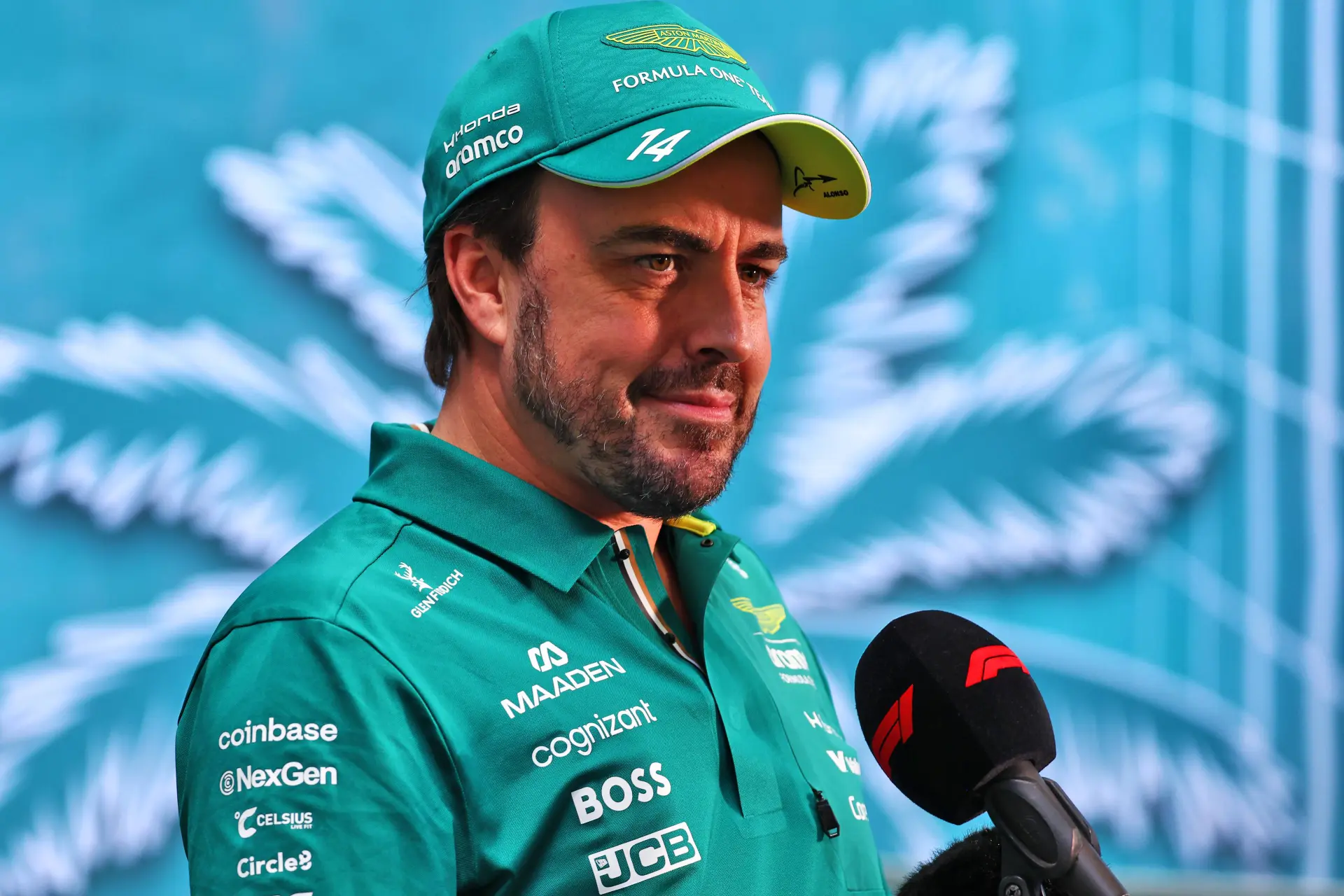
In fact, Fernando Alonso believes that nothing will change at all with these adjustments. Aston Martin conducted tests and found that, under the new rules, there would be even more superclipping if they were to drive at Suzuka now. There was no improvement whatsoever. Teammate Lance Stroll was equally scathing about the regulations. He said that racing is being ruined, the rules are fundamentally wrong, and that F1 is no longer fun to drive.
Russell dreams of a V8 engine
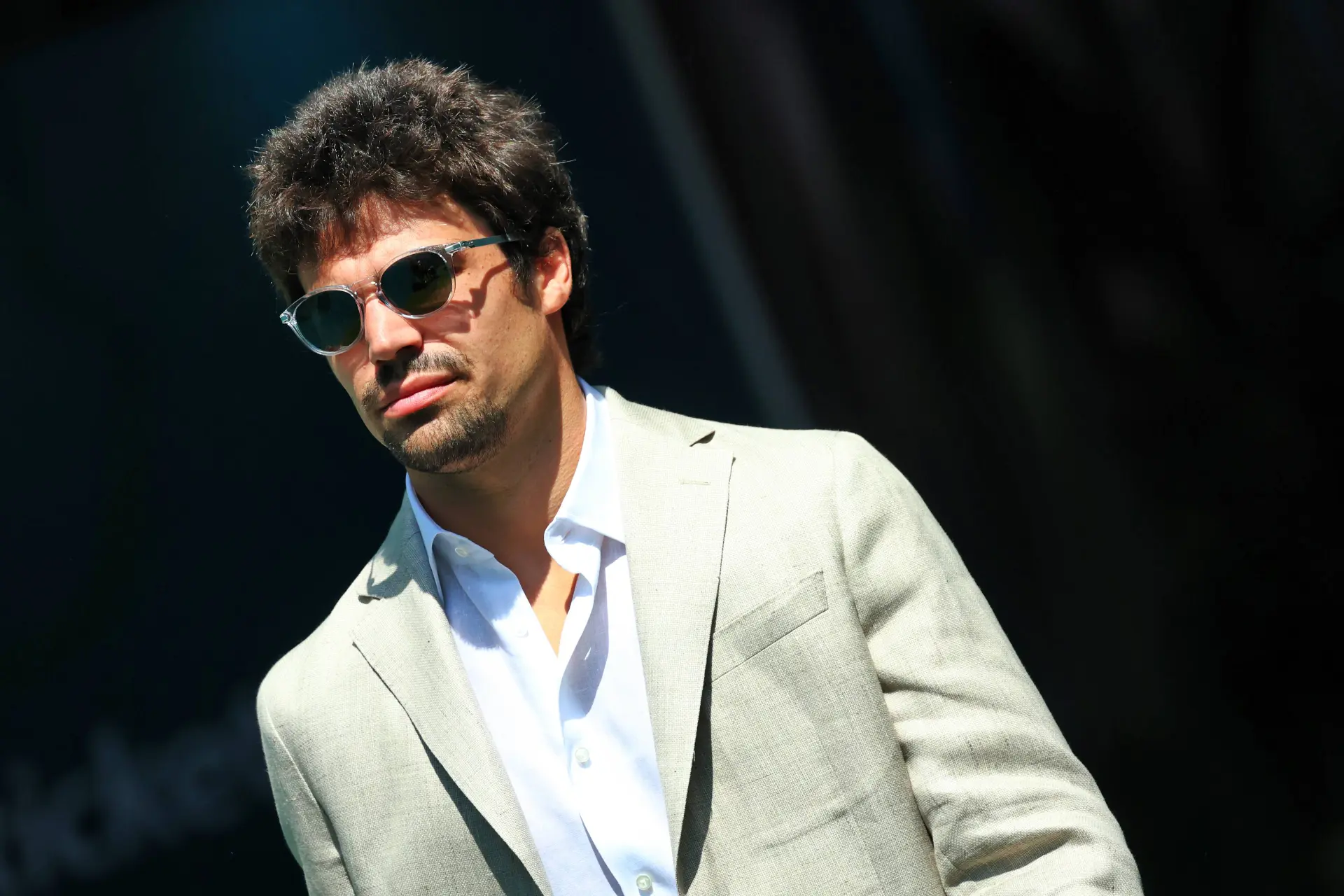
So what should it be then? On that point, too, drivers seem aligned. The rumors that a return to V8 or V10 engines is being considered are enough to make many drivers salivate. Oliver Bearman practically jumped up when a journalist asked him about those rumors, and George Russell also cited a V8 engine as the first point in his vision for the sport’s future.
Russell did emphasize that a V8 or V10 engine is not the immediate solution. According to him, F1 is also popular because, unlike in the past, there is much more overtaking. In the V8 and V10 era, racing might have been better for drivers, but there was less public interest in the sport. Those two aspects need to be in balance.
ADVERTISEMENT
Lando Norris suggested that the solution is to make it more like karting. There, you don’t need batteries to make the difference when overtaking; it comes down to drivers’ attacking and defensive lines. You see a lot of overtakes there too—something that would attract many fans to Formula 1. If it’s up to the drivers, F1 ultimately becomes an extension of what karting is.
The political game in Formula 1
Still, it was Max Verstappen who emphasized that F1 is also a political world. A world in which not only the interests of drivers or the hardcore fanbase matter. Ultimately, it’s also about TV ratings, the money coming in, and manufacturers and teams wanting to be active in Formula 1.
In the run-up to these regulations, that last component went too far. There was fear that F1 would be left with too few engine manufacturers and might only retain Mercedes and Ferrari. To prevent that, the manufacturers were asked what they wanted. Those manufacturers clearly got their way with the complex power units, but the rules went too far.
That also has to do with the fact that no one listened to the people who actually drive the cars. Everyone has their own interests. FOM wants to see ratings rise, the FIA wants to keep manufacturers and teams happy, but no one listened to what the drivers wanted. Anyone who had heeded the warnings, including those from Max Verstappen in 2023, could have foreseen where the sport would end up with these regulations.
ADVERTISEMENT
Now, the drivers are being listened to, and that is a positive development. It’s just a shame this is only happening after a new set of regulations has already come into force that contains fundamental issues for racing. Fixing that can only happen from 2030, when the new engine regulations come into effect.
For drivers and a part of the fanbase, it’s now a waiting game. Waiting until 2030 for a better rulebook that isn’t solely focused on increasing viewership or catering to manufacturers’ wishes, but also weighs what the drivers want. A blend of all that would move the sport forward. Until then, we have to make the best of what we’re stuck with.
Don’t miss GPblog in Google
Mark us as a preferred source and our articles will appear more often at the top of Top Stories.
Add as a preferred / source on GoogleRead more about:
latest news
Azerbaijan Grand Prix
Overview
Thursday 24.09.26
Practice 1
08:30 AM
Practice 2
12:00 PM
Friday 25.09.26
Practice 3
08:30 AM
Qualification
12:00 PM
Saturday 26.09.26
Race
11:00 AM
Thursday 24.09.26
Practice 1
Thu 08:30 AM
Practice 2
Thu 12:00 PM
Friday 25.09.26
Practice 3
Fri 08:30 AM
Qualification
Fri 12:00 PM
Saturday 26.09.26
Race
Sat 11:00 AM
Times are in your local timezone
Rumors
Popular on GPBlog
1
Hamilton reportedly pushes Ferrari to replace key trackside figures as Vasseur relationship cools
22045 times read
2
Haas has made a difficult choice: this driver is set to replace Ocon
2101 times read
3
Verstappen highlights painful detail after impressive win over 100 kart drivers
1777 times read
4
Verstappen takes 35 minutes to complete epic kart challenge
1448 times read
F1-stand 2026
Season
| Pos. | Driver | Team | Points |
|---|---|---|---|
1 | MercedesMER | 292 | |
2 | MercedesMER | 211 | |
3 | FerrariFER | 191 | |
4 | McLarenMCL | 186 | |
5 | FerrariFER | 167 | |
6 | Red Bull RacingRBR | 145 | |
7 | McLarenMCL | 120 | |
8 | Red Bull RacingRBR | 71 | |
9 | Racing BullsRCB | 59 | |
10 | AlpineALP | 41 |
Loading