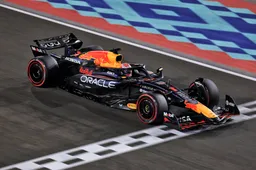
Three F1 career decisions that ultimately proved to be the wrong call
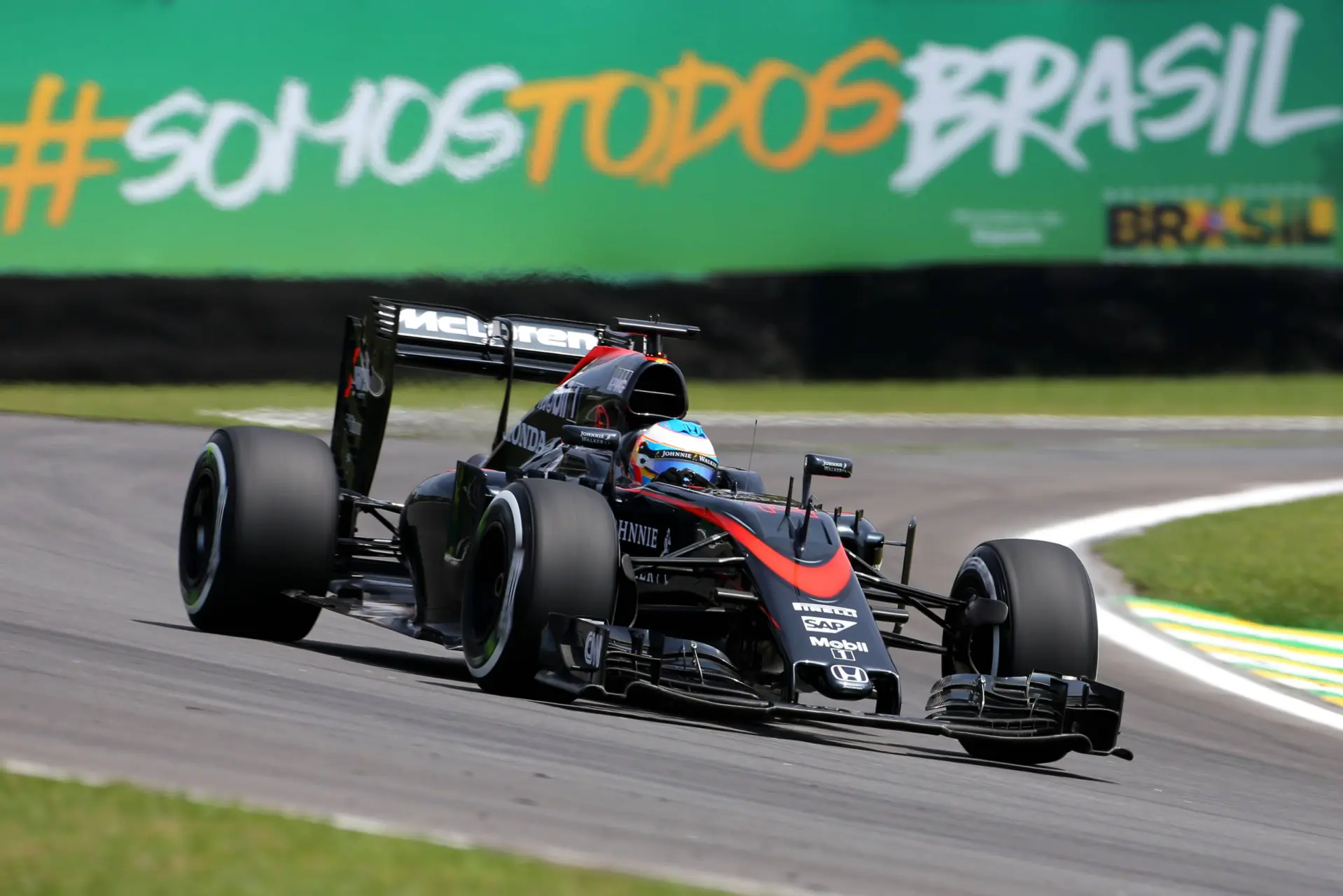
Photo: RacePictures

Tobia is a Formula 1 journalist at GPblog with experience at international circuits. Since 2022, he has covered Grands Prix across Europe, delivering reliable coverage and insights from the paddock.
Formula 1 history is full of examples where drivers made career decisions that ultimately proved to be the wrong call.
A clear case in point is Michael Schumacher, who stepped aside at Mercedes at the end of 2012, opening the door for Lewis Hamilton to arrive in 2013 and form one of the most dominant driver–team pairings in Formula 1 history.
Equally telling is the failed second spell between Fernando Alonso and McLaren, as well as the ill-judged gamble of his move to BAR at the end of the 1990s.
Michael Schumacher makes room for Hamilton's glory at Mercedes
At the end of 2012, after three seasons that fell well short of his Ferrari peak, Schumacher agreed with Mercedes to bring his career to a definitive close, paving the way for Lewis Hamilton’s arrival from McLaren.
ADVERTISEMENT
At the time, the move appeared baffling. McLaren remained one of the grid’s benchmark teams, while Mercedes were still unproven, having managed just a single win in that period — Nico Rosberg’s victory in China in 2012.
In hindsight, Hamilton’s switch proved to be right. His move to Brackley ushered in one of the most dominant eras in Formula 1 history, with Mercedes securing seven consecutive double titles between 2014 and 2020.
Schumacher’s retirement was also influenced by age — he was 44 — and by Rosberg’s growing advantage in their intra-team battle. Yet the question remains: had Schumacher stayed on, would he have added further titles to his legacy, or was the timing of his exit exactly right?
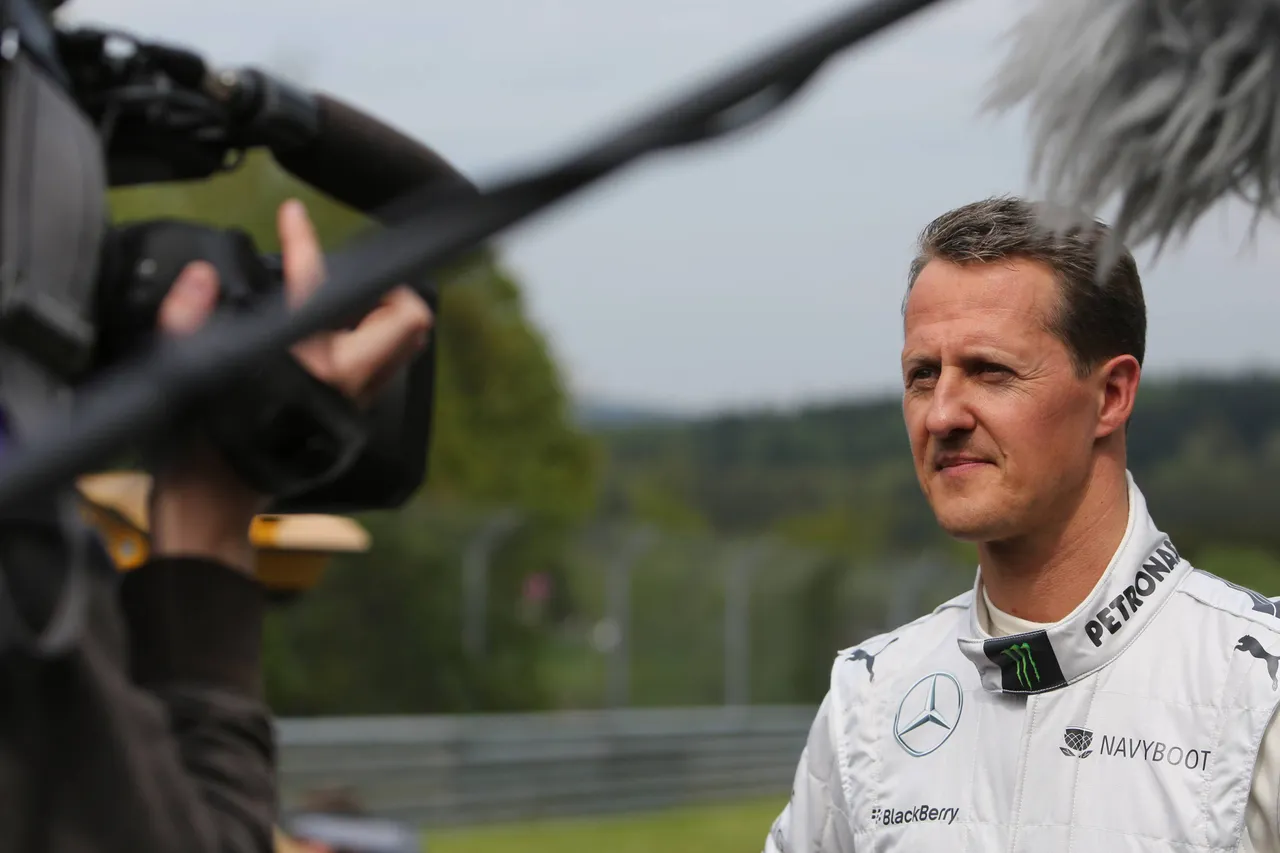
Photo: Race Pictures
Fernando Alonso's disastrous second spell with McLaren
ADVERTISEMENT
At the end of 2014, after four seasons in which he was twice denied the world title at the final round, Alonso chose to leave Ferrari. The decision was shaped not only by those near-misses, but also by a deeply uncompetitive final year with the Scuderia. He opted to return to McLaren for a second stint, following his ill-fated 2007 campaign, which had also ended in a last-race title defeat.
What followed proved disastrous. McLaren’s renewed partnership with Honda, intended to revive past glory, instead delivered a power unit riddled with reliability and performance issues, while the chassis failed to make up the deficit.
The team sank to the back of the grid, and over four seasons Alonso failed to score a single podium. Increasingly frustrated, he stepped away from Formula 1 at the end of 2018.
In many ways, Alonso’s career serves as a reminder that even exceptional talent can be compromised by ill-timed career choices, yielding far less than raw ability might suggest.

Photo: Race Pictures
ADVERTISEMENT
Jacques Villeneuve's BAR gamble backfires
Villeneuve’s move from Williams to BAR is widely regarded as one of the most misguided gambles of modern Formula 1.
Fresh off his 1997 world title, Villeneuve left Williams as the team entered a period of decline and chose to become the lead figure of the newly formed BAR project, attracted by its vast budget and ambitious vision. Instead, the reality was brutal: BAR’s debut season in 1999 yielded zero points, plagued by an unreliable and uncompetitive car.
Although the team improved slightly in the years that followed, it never became a genuine contender. Villeneuve gradually lost motivation and influence, with the partnership ending acrimoniously in 2003, when he did not even see out the season — a disappointing end to a career move that never paid off.
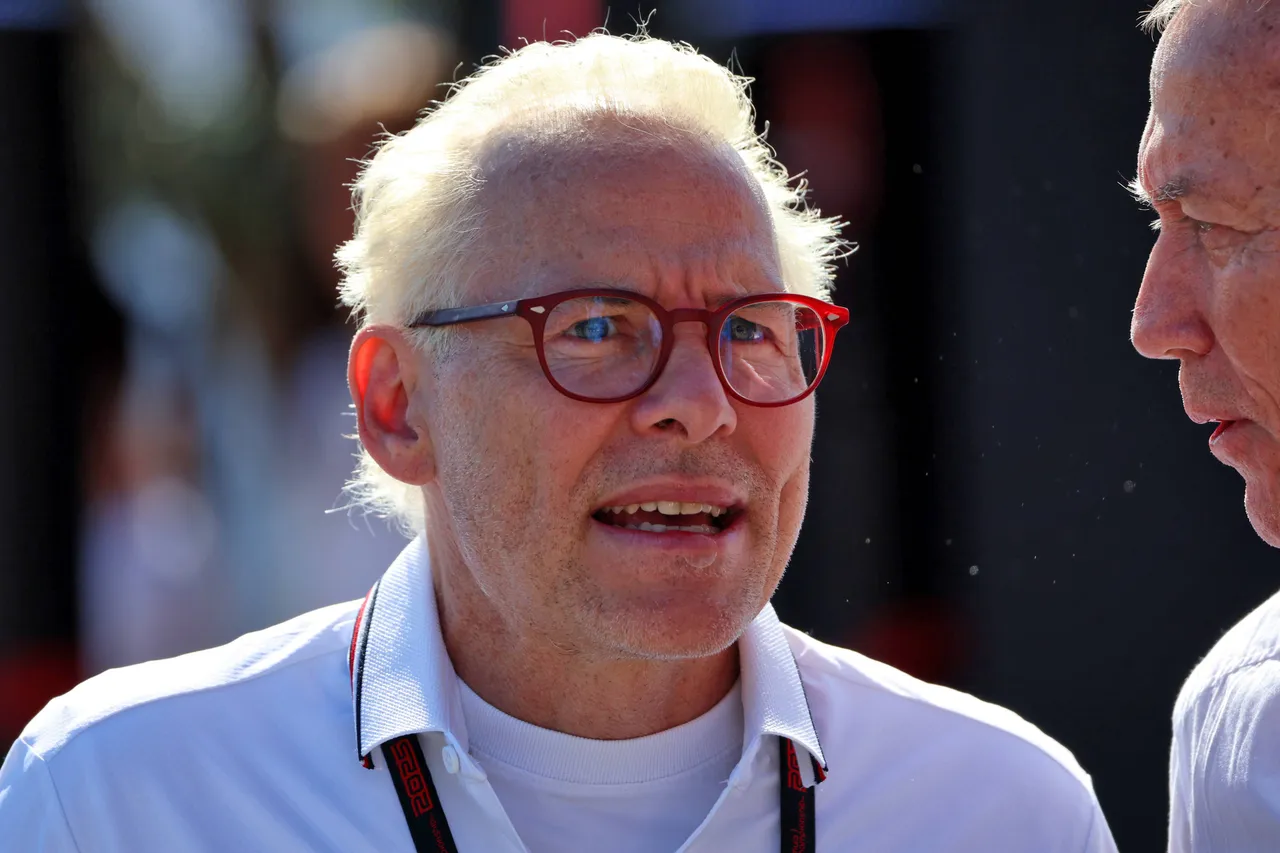
Photo: RacePictures
ADVERTISEMENT
Read also


GPblog's latest F1 Paddock Update
Want to stay up-to-date with what happens in the F1 paddock? Then GPblog's F1 Paddock Update video is the perfect way to do it. Subscribe to GPblog's YouTube channel and turn on notifications to never miss the latest episodes.
ADVERTISEMENT
Don’t miss GPblog in Google
Mark us as a preferred source and our articles will appear more often at the top of Top Stories.
Add as a preferred / source on Google