
Ben Hunt is an award-winning motorsport journalist with over two decades of experience in Formula 1 and international media. As a former editor-in-chief and bestselling author, he delivers in-depth analysis and strategic insight from the highest level of the sport.
Ahead of the Chinese GP, a rumour began to circulate that car maker BYD was interested in joining F1. The story made a few headlines and was largely dismissed as idle speculation. However, a recent image of Christian Horner meeting BYD’s vice-president Stella Li has reignited the rumour mill, but this time it should be taken more seriously.
With Formula 1 aggressively expanding into new global markets, manufacturers increasingly shifting toward electrification, and the FIA still open to grid expansion beyond 2026, it would be foolish to rule out any manufacture, even one that solely produces electric vehicles.
After all, those who scoffed when Red Bull first entered the sport were left to eat their words when the energy drink manufacture took on established automotive brands and beat them. Which is why it would make sense for any ambitious new entrant to sign the man who helped turn Red Bull into an F1 force.
With Formula 1 aggressively expanding into new global markets, manufacturers increasingly shifting toward electrification, and the FIA still open to grid expansion beyond 2026, it would be foolish to rule out any manufacture, even one that solely produces electric vehicles.
After all, those who scoffed when Red Bull first entered the sport were left to eat their words when the energy drink manufacture took on established automotive brands and beat them. Which is why it would make sense for any ambitious new entrant to sign the man who helped turn Red Bull into an F1 force.
BYD's Rapid Rise
Despite its short history, formed in 1995 in China as a battery company, BYD has grown to become one of the most influential car manufacturers in the world, particularly in the electric vehicle market.
The Chinese giant has rapidly expanded its global footprint and now competes directly with brands like Tesla, Mercedes, BMW, and Toyota in key international markets.
Formula 1’s upcoming engine regulations, which place a greater emphasis on electrification and sustainable fuels, align closely with BYD’s long-term technological direction.
While F1 remains a hybrid championship rather than a fully electric one, the sport’s push toward advanced energy recovery systems and sustainability creates an obvious entry point for a company like BYD to showcase engineering expertise, and its brand, on a global stage.
Formula 1 is of course commercially attractive. The championship’s growth in the United States, its booming social media presence, and packed race schedule offers BYD an ideal platform. That is exactly why Cadillac and General Motors pushed so aggressively for an entry. It is also why Audi committed to a full works programme. Formula 1 now offers something beyond racing success. BYD would instantly become one of the most talked-about projects in the sport.
A Chinese manufacturer entering Formula 1 as a full constructor would represent a major geopolitical and commercial shift. F1 too has wanted greater engagement with the Chinese market, but despite races in Shanghai and growing fan interest, the sport still has not unlocked the potential in China and that is where BYD could change the equation.
The company has the financial power, manufacturing scale, and technological capability to sustain a long-term Formula 1 project. More importantly, it would enter the championship at a time when the sport is actively seeking manufacturers that can support its future sustainability goals.
Formula 1’s upcoming engine regulations, which place a greater emphasis on electrification and sustainable fuels, align closely with BYD’s long-term technological direction.
While F1 remains a hybrid championship rather than a fully electric one, the sport’s push toward advanced energy recovery systems and sustainability creates an obvious entry point for a company like BYD to showcase engineering expertise, and its brand, on a global stage.
Formula 1 is of course commercially attractive. The championship’s growth in the United States, its booming social media presence, and packed race schedule offers BYD an ideal platform. That is exactly why Cadillac and General Motors pushed so aggressively for an entry. It is also why Audi committed to a full works programme. Formula 1 now offers something beyond racing success. BYD would instantly become one of the most talked-about projects in the sport.
A Chinese manufacturer entering Formula 1 as a full constructor would represent a major geopolitical and commercial shift. F1 too has wanted greater engagement with the Chinese market, but despite races in Shanghai and growing fan interest, the sport still has not unlocked the potential in China and that is where BYD could change the equation.
The company has the financial power, manufacturing scale, and technological capability to sustain a long-term Formula 1 project. More importantly, it would enter the championship at a time when the sport is actively seeking manufacturers that can support its future sustainability goals.
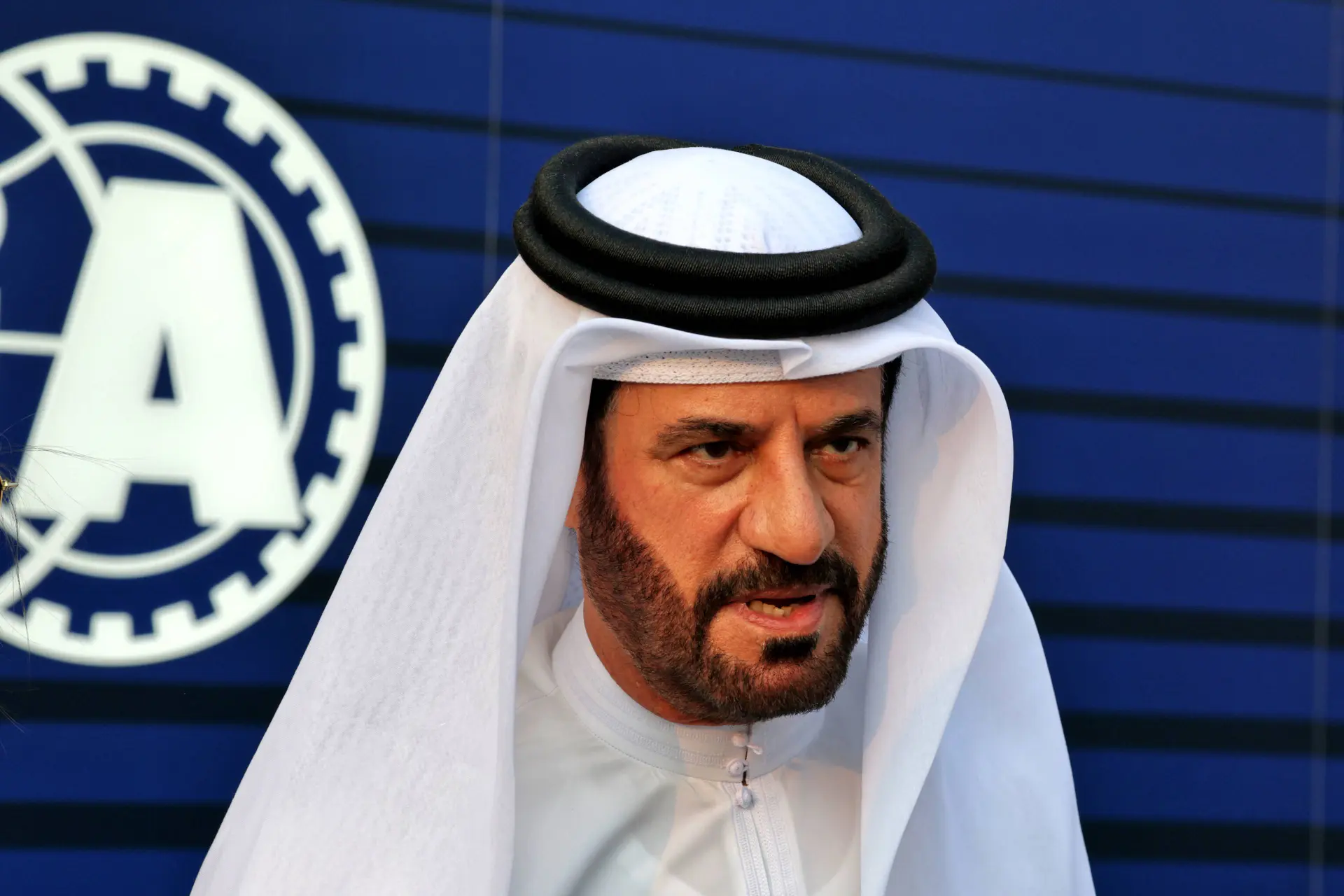
Why Horner is a natural pick to lead BYD's project
ADVERTISEMENT
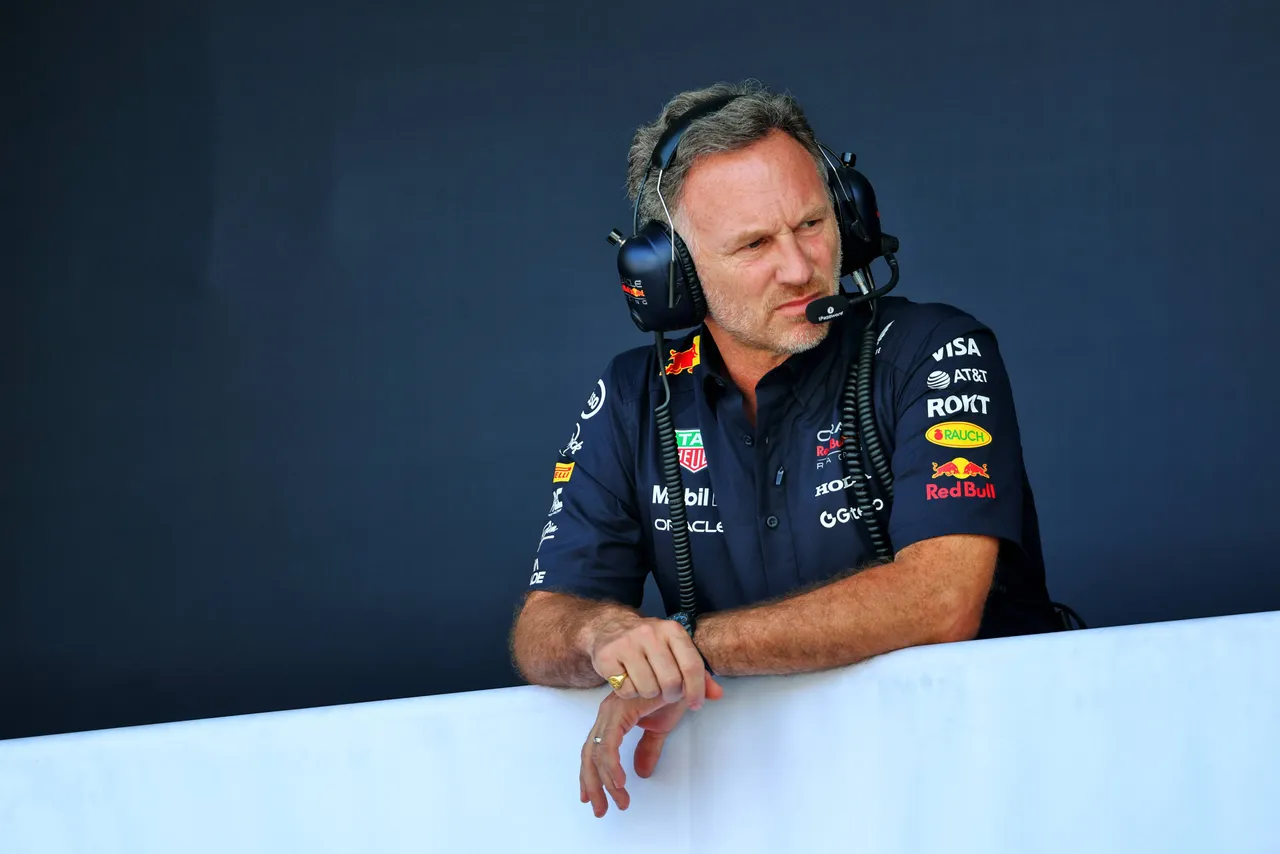
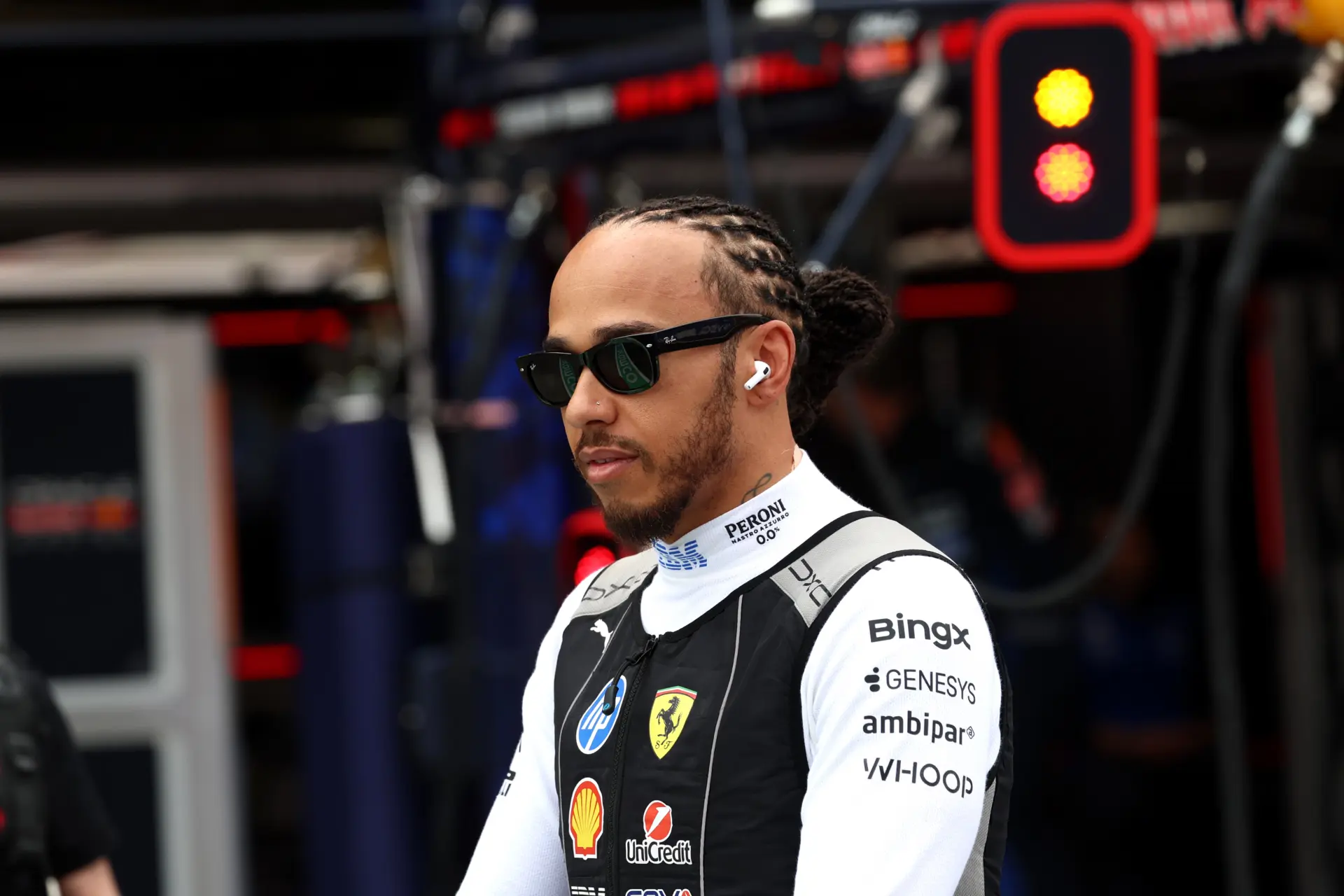
Photo: RacePctures.
Of course, launching a new F1 team requires more than money and ambition. It demands leadership from someone who understands how to build a winning structure from the ground up.
That is why Horner becomes such an intriguing name in this venture. The former Red Bull Racing boss has spent two decades building one of the most successful organisations in modern Formula 1 history. Under his leadership, Red Bull evolved from an energy drink-backed outsider into a dominant championship-winning force capable of competing against automotive giants.
He knows the political landscape, the commercial structure, the technical demands, and perhaps most importantly, how to attract elite talent. He is also available, despite being linked with a bid for shares in Alpine, and recently spotted at a MotoGP race and Formula E as he plans for his future.
For someone like Horner, the opportunity to lead a completely new works project backed by one of the world’s largest automotive companies could represent an entirely different kind of legacy challenge.
The idea of a 12th team once seemed unrealistic until Cadillac forced their way in. Now, manufacturers that may previously have ignored Formula 1 are looking at the championship differently knowing that a door can open - if it is pushed hard enough. Which is why this time, the link should be treated more seriously.
Don’t miss GPblog in Google
Mark us as a preferred source and our articles will appear more often at the top of Top Stories.
Add as a preferred / source on Google