
Nicole MulderManaging Editor
Nicole Mulder is Managing Editor at GPblog and a specialist in Formula 1 and MotoGP. With years of experience and permanent FIA accreditation at Grands Prix worldwide, she delivers reliable coverage and insights based on direct access to drivers and the F1 paddock.
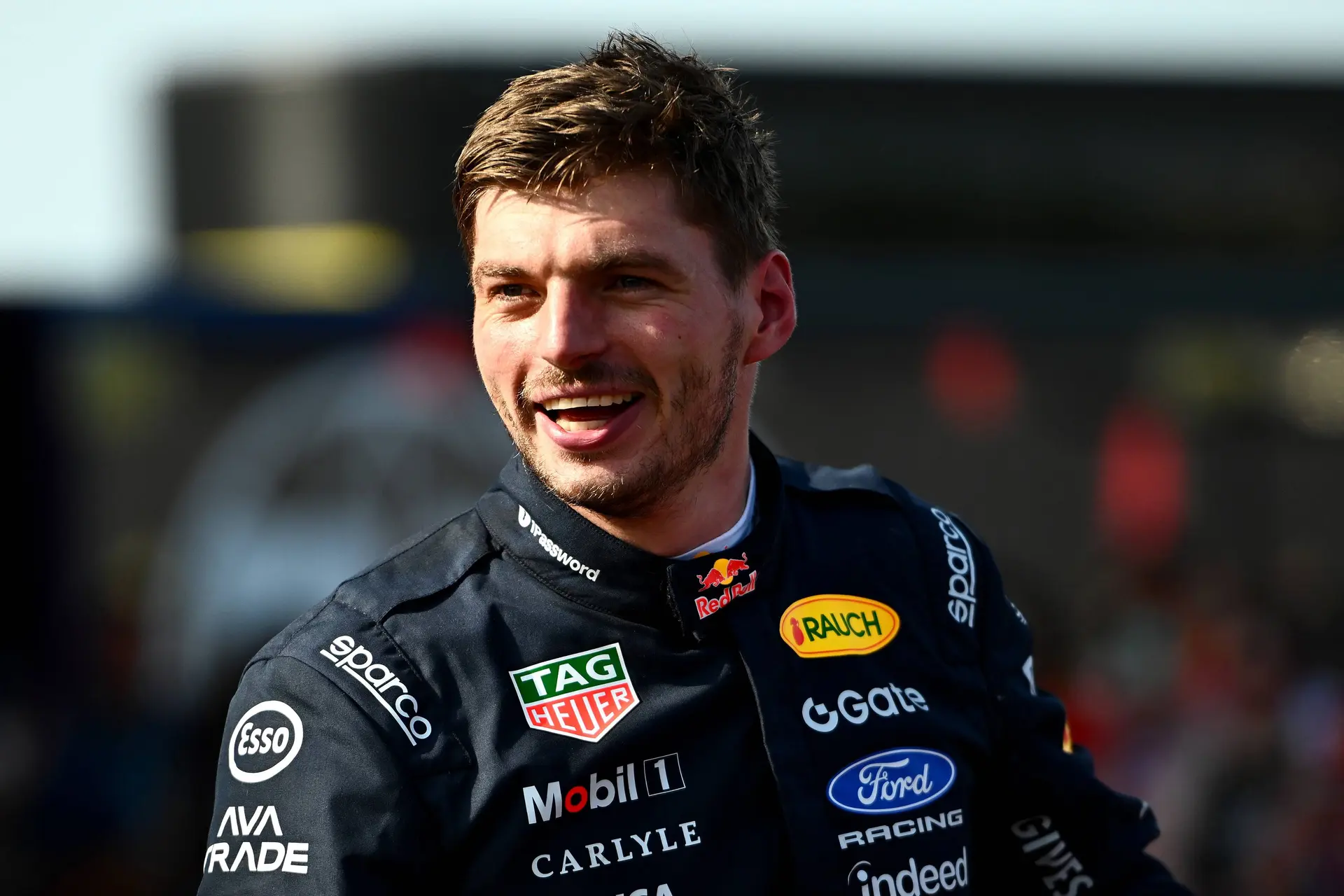
With his new contract until the end of 2030, Max Verstappen has put a definitive end to persistent speculation about his future. Based on the current competitive order, staying with Red Bull Racing might not seem the most obvious choice, but the past few months have shown why leaving would be at least as big a gamble.
The timing of the new deal is striking. Verstappen is sixth in the championship, Red Bull fourth in the constructors’ standings, and the first in-house power unit from Milton Keynes has not yet returned the F1 team to the position it had become accustomed to in previous years. Verstappen has not won a Grand Prix this season and, in the early stages, often drove a car that was not able to consistently challenge Mercedes, Ferrari, and McLaren. The doubts about his future did not come out of nowhere.
While his previous contract ran until the end of 2028, the disappointing results kept an earlier departure firmly on the table. As Verstappen himself indicated in Zandvoort, a complete exit from Formula 1 was closer than a move to a rival team. Beyond the sporting setbacks, the new regulations also did little to help matters at the start of the season, which has since been tweaked—and for which further changes are coming in the next two years.
The Red Bull of early 2026 is not the Red Bull of today
That difficult start to 2026 is precisely an important reason why Verstappen’s choice for Red Bull is logical. The RB22 in which he finished sixth in Australia, retired in China, and got no further than eighth in Japan is no longer the same car with which he claimed three podiums in four races just before the summer break. Red Bull introduced a substantial upgrade package in Austria, including changes to the floor and rear suspension, and made a clear step forward. From fifth on the grid, Verstappen drove to P2 and ultimately fell just 1.6 seconds short of victory.
ADVERTISEMENT
Silverstone then brought a setback, but for a reason other than pure pace. A problem with the movable rear wing forced Verstappen out of the race a few laps from the end, even though, despite balance and power unit issues, he appeared on course for a certain third place finish. The same system had already played a role a week earlier in his qualifying crash in Austria. Red Bull subsequently decided to remove the design from the car. In Spa, Verstappen was immediately back on the podium, and in Hungary he took another second place, this time again with the revised “Macarena” wing. Where Red Bull mainly lost ground in the first months of 2026, a clear upward trend became visible for the first time before the summer break.
What alternatives did Verstappen have?
That upward trend is relevant when asking what alternatives Verstappen really had. A move to another top team sounds attractive as long as Red Bull doesn’t have the fastest car, but it offers no guarantee that the situation there will be better a year later. The new technical regulations completely reshaped the pecking order in 2026, and this very season shows how quickly it can shift again.
Moreover, by leaving, Verstappen would be saying goodbye to an organization that has been built entirely around him for more than ten years and with which he won four world titles. At Red Bull, he doesn’t need to adapt to a new way of working or re-establish himself as a central figure within another works team. It’s also questionable which team would even had a seat available: Mercedes, McLaren and Ferrari all openly expressed satisfaction with their current driver line-ups.
In-house power unit with Red Bull Ford Powertrains
ADVERTISEMENT
On top of that, Red Bull has had far more control over its own destiny this season than in Verstappen’s early years. Developing its own power unit with Ford was perhaps the biggest risk of the new regulations, but it also gave the team the status of a full works outfit. The first months didn’t go without issues, but the deficit Red Bull started the season with has not remained the same. Even over the winter, Verstappen was positive about the first steps from Red Bull Ford Powertrains, and throughout the season the team has shown it can make progress with both the car and the power unit.
The situation within the team has also changed. Laurent Mekies took over from Christian Horner last year and inherited an organization that had been losing ground competitively for some time. Coincidence or not, six weeks later the team began to claw back much of that lost ground. A year on, Red Bull is still fourth in the constructors’ standings, but the performances since Austria paint a different picture from the championship table alone. After the race at Spa, Mekies spoke of a car that was getting stronger and stronger, and in Hungary Verstappen himself pointed to the improvements the team had found in a short time. Those are not guarantees of a new title, but they are concrete indications that Red Bull has been anything but idle after a poor start to the season.
Verstappen has confidence in today’s Red Bull
With his new contract, Verstappen is not choosing the Red Bull of March, but the Red Bull of today—and the development trajectory set in motion since the start of the season. That distinction matters. After the first three races, the team even trailed Haas and Alpine and seemed to have taken the wrong path under the new regulations. Four months later, Verstappen fought for the win in Austria, followed by podiums at Spa and in Hungary. The gap to the absolute front hasn’t disappeared, but Red Bull has proven that it understands the problems and can claw back ground during the season.
Leaving would also mean Verstappen steps out precisely when the project Red Bull has been building toward for years is supposed to come of age. The in-house engine, the technical organization under Mekies, and the RB22 mark the beginning of a new era, not the end of the old one. That project has shown shortcomings in its first year, but also enough capacity for recovery to make choosing another team anything but a no-brainer.
ADVERTISEMENT
The extension through 2030 is therefore anything but conservative. Verstappen isn’t simply opting for loyalty to the team with which he achieved his successes and where he feels at home, but for an environment where he knows exactly what it can offer him and which, after a particularly difficult start, has demonstrably moved closer to the front. A switch would have mostly traded one new uncertainty for the existing one. By staying, Verstappen is putting his chips on the team that previously proved it could build a championship-winning car around him and in 2026 has once again shown it can climb out of a competitive slump.

Don’t miss GPblog in Google
Mark us as a preferred source and our articles will appear more often at the top of Top Stories.
Add as a preferred / source on Google