Lawrence Stroll's Aston Martin racks up £2.3 billion in losses since taking over

Photo: Race Pictures

Ben Hunt is an award-winning motorsport journalist with over two decades of experience in Formula 1 and international media. As a former editor-in-chief and bestselling author, he delivers in-depth analysis and strategic insight from the highest level of the sport.
Aston Martin has reported a £77 million pre-tax loss for the third quarter of 2026, with the luxury carmaker’s financial difficulties continuing despite a sharp rise in revenue.
The latest results concern Aston Martin Lagonda, the road car manufacturer, rather than the separately operated Formula 1 team bearing its name. However, they put the spotlight back on Lawrence Stroll, whose involvement connects the two businesses.
According to reporting summarised by Briefs, the manufacturer has accumulated approximately £2.3 billion in after-tax losses since Stroll led its rescue around six years ago.
The latest quarterly loss was smaller than the £112 million recorded during the same period last year. Nevertheless, net debt reached £1.57 billion, underlining the scale of the challenge facing the British brand.
Higher sales revenue offers some encouragement
ADVERTISEMENT
There were signs of improvement in the third-quarter figures, with revenue rising 36% to £389 million.
Deliveries of the Valhalla supercar helped improve the manufacturer’s product mix, allowing it to generate more revenue without a substantial increase in the number of vehicles sold.
The published results breakdown showed total wholesale volumes were broadly unchanged at 1,431 vehicles. Core model volumes fell 9% to 1,304, supplemented by 127 deliveries from the company’s Specials category.
The average selling price increased 39% to £247,000, while gross margin improved from 29% to 37%.
There was also progress in reducing cash outflows. Free cash outflow fell to £28 million, compared with £94 million a year earlier, while liquidity stood at approximately £322 million at the end of September.
ADVERTISEMENT
Aston Martin maintained its guidance for 2026, including expectations for wholesale volumes similar to last year and a gross margin in the high-30% range.
Those improvements suggest the turnaround is making progress, but the business remains loss-making and carries substantial debt.
Read also
What does this mean for Aston Martin’s F1 team?
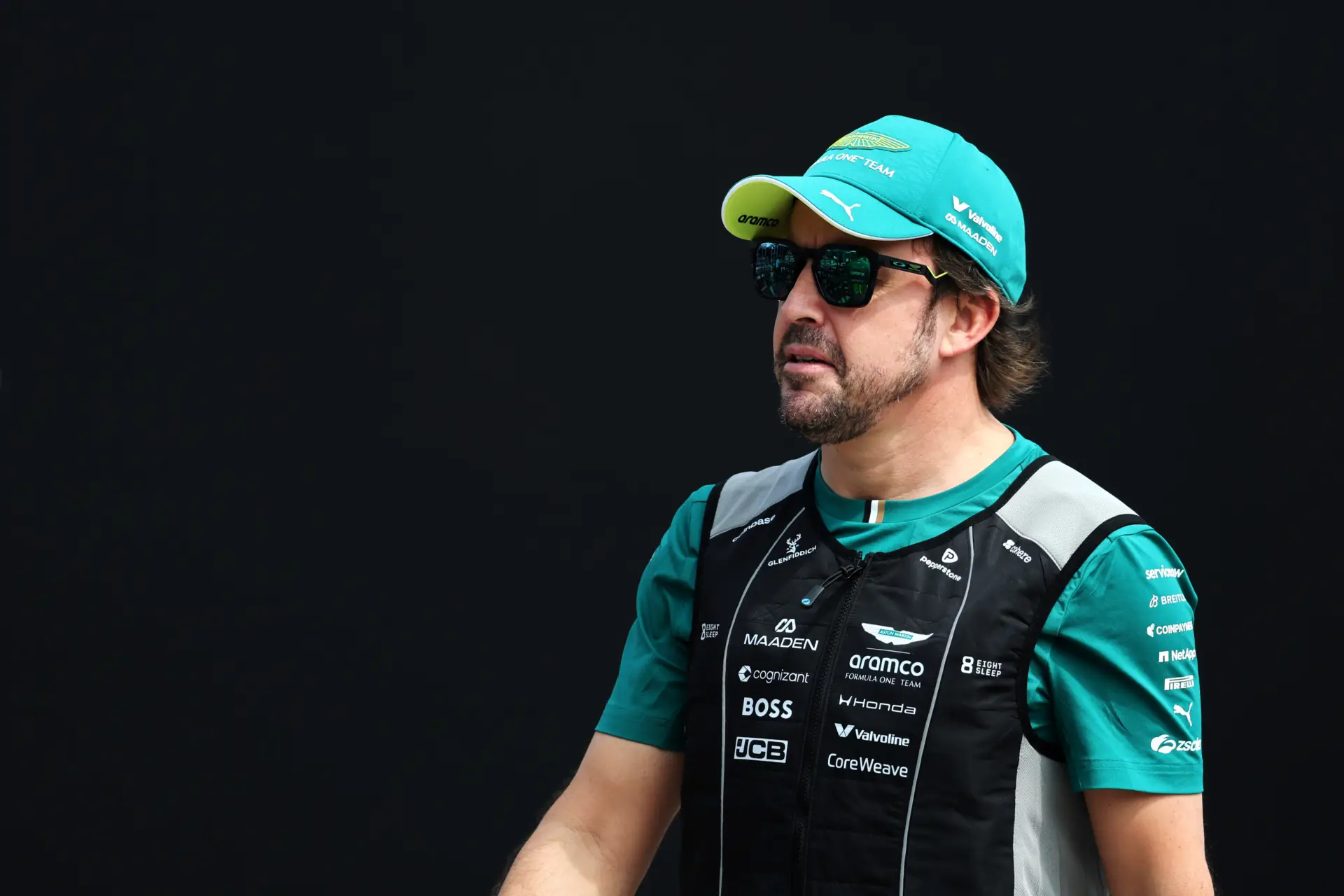
The distinction between the road car company and the racing operation is crucial. These results are not the accounts of the Silverstone-based F1 team and should not be interpreted as a £77 million loss for the outfit running Fernando Alonso and Lance Stroll.
ADVERTISEMENT
The businesses share a name and have commercial links, alongside Lawrence Stroll’s involvement, but their financial positions are not interchangeable.
As GPblog previously reported when their sponsorship agreement was extended, the road car manufacturer’s relationship with the team includes sponsorship and naming arrangements.
That connection makes the manufacturer’s financial health relevant to the wider Aston Martin story. However, the latest quarterly results do not, by themselves, establish any change to the F1 team’s budget, ownership or participation in the championship.
For Stroll, the figures highlight the continuing challenge of restoring the road car business to sustainable profitability while remaining associated with an ambitious Formula 1 project.
The immediate picture is therefore mixed: higher revenue, stronger margins and reduced cash outflow offer encouragement, but another quarterly loss means Aston Martin’s turnaround remains unfinished.
ADVERTISEMENT
Don’t miss GPblog in Google
Mark us as a preferred source and our articles will appear more often at the top of Top Stories.
Add as a preferred / source on Google