Could the Saudi Arabian Grand Prix be plunged into doubt alongside Bahrain?
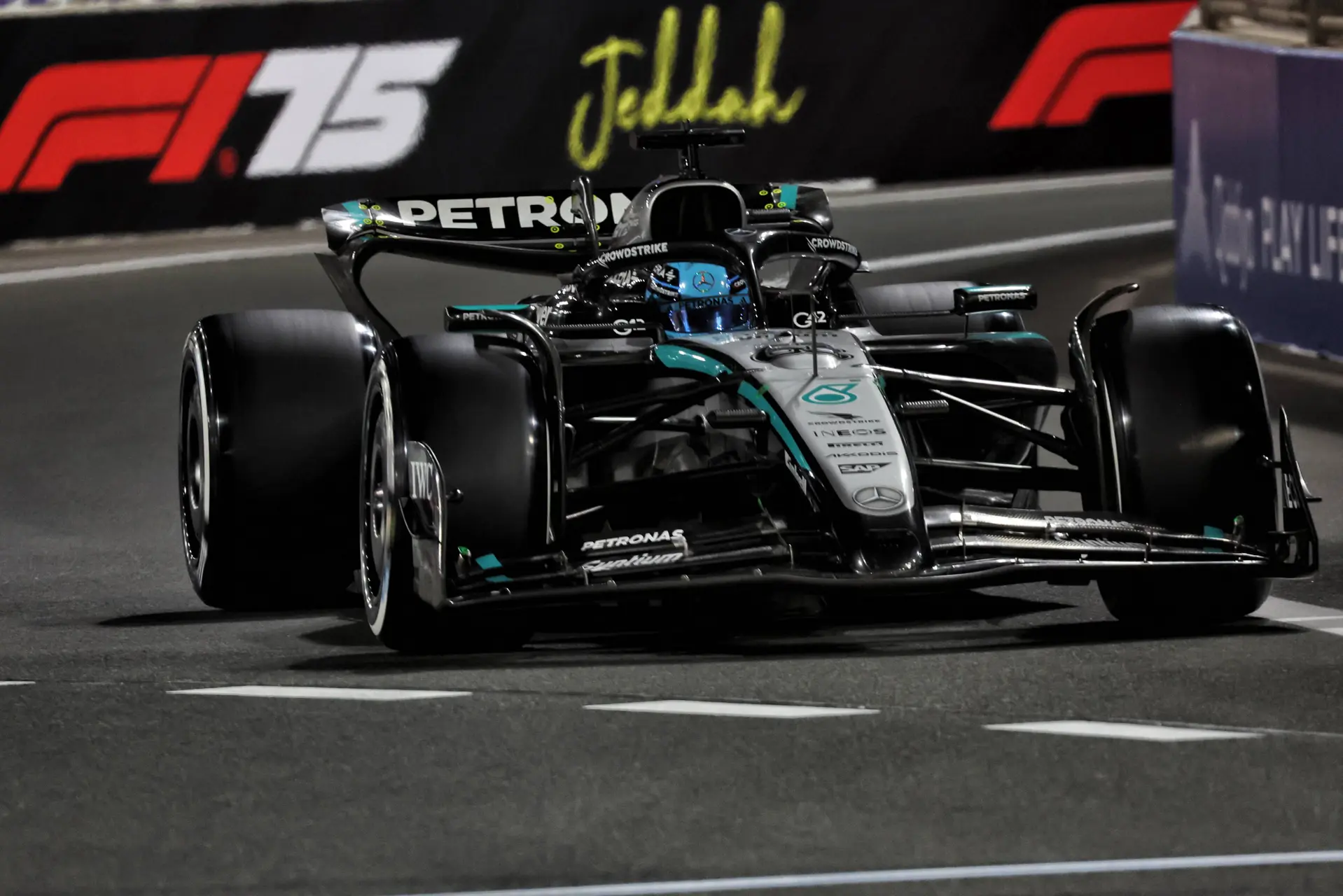
Photo: Race Pictures
Updated:
5 Comments

Olly Darcy is an editor at GPblog, specializing in Formula 1 news. With a background in sports journalism, he delivers timely and reliable coverage of the sport.
As the US-Iran conflict enters its fourth day, ongoing strikes across the Middle East are plunging parts of the 2026 Formula 1 season into uncertainty.
After American and Israeli strikes on Iran, Tehran has retaliated by attacking several neighbouring countries in the region.
Bahrain and the United Arab Emirates have been subject to these attacks, and continued aggression from United States President Donald Trump and leaders in Iran shows that the conflict could last for weeks.
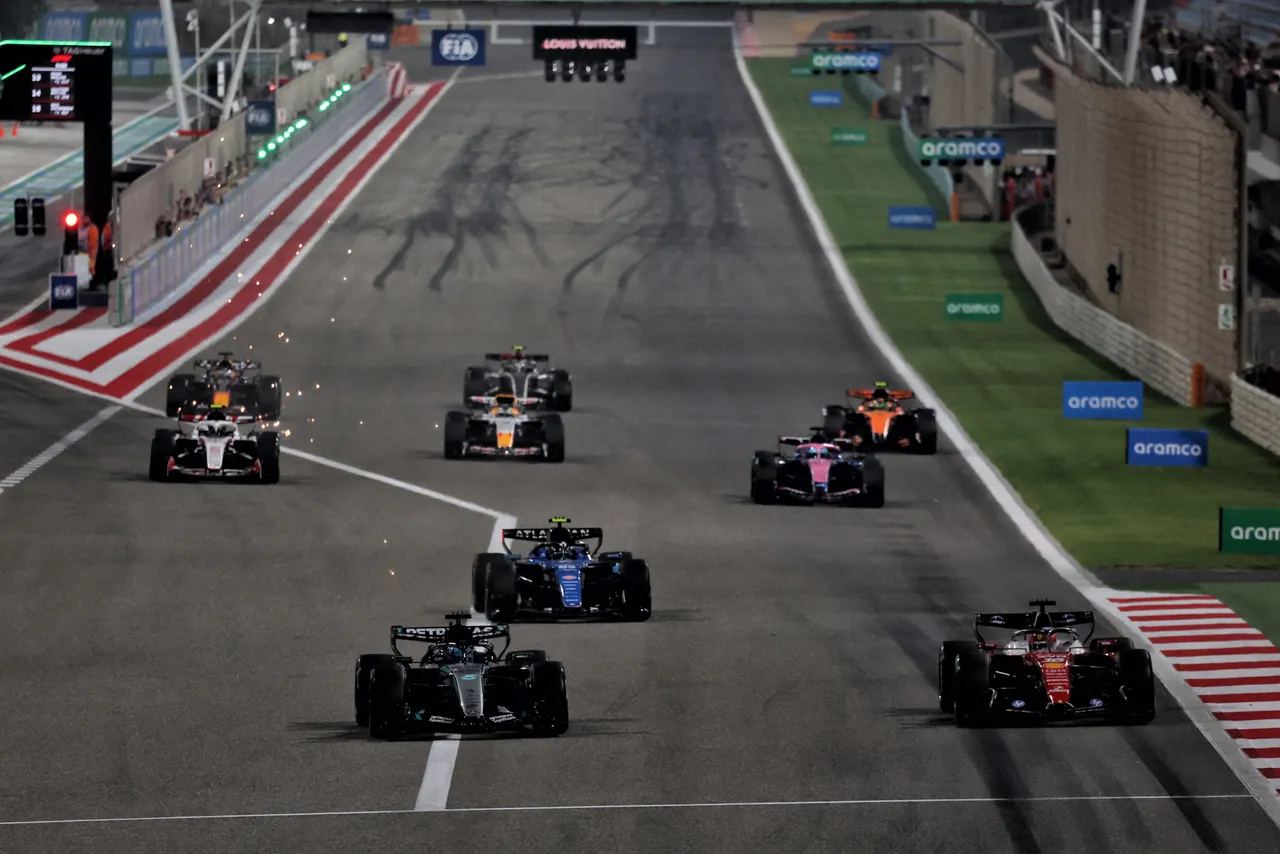
Pre-season testing took place at the Bahrain International Circuit in February - Photo: Race Pictures
As April 12 fast approaches, marking the 2026 Bahrain Grand Prix, there have been discussions about whether the race will be able to proceed as planned.
ADVERTISEMENT
In an open letter regarding the current situation, FIA president Mohammed Ben Sulayem said: "We are in close contact with our Member Clubs, championship promoters, teams, and colleagues on the ground as we monitor developments carefully and responsibly.
"Safety and well-being will guide our decisions as we assess the forthcoming events scheduled there for the FIA World Endurance Championship and the FIA Formula One World Championship."
Read also
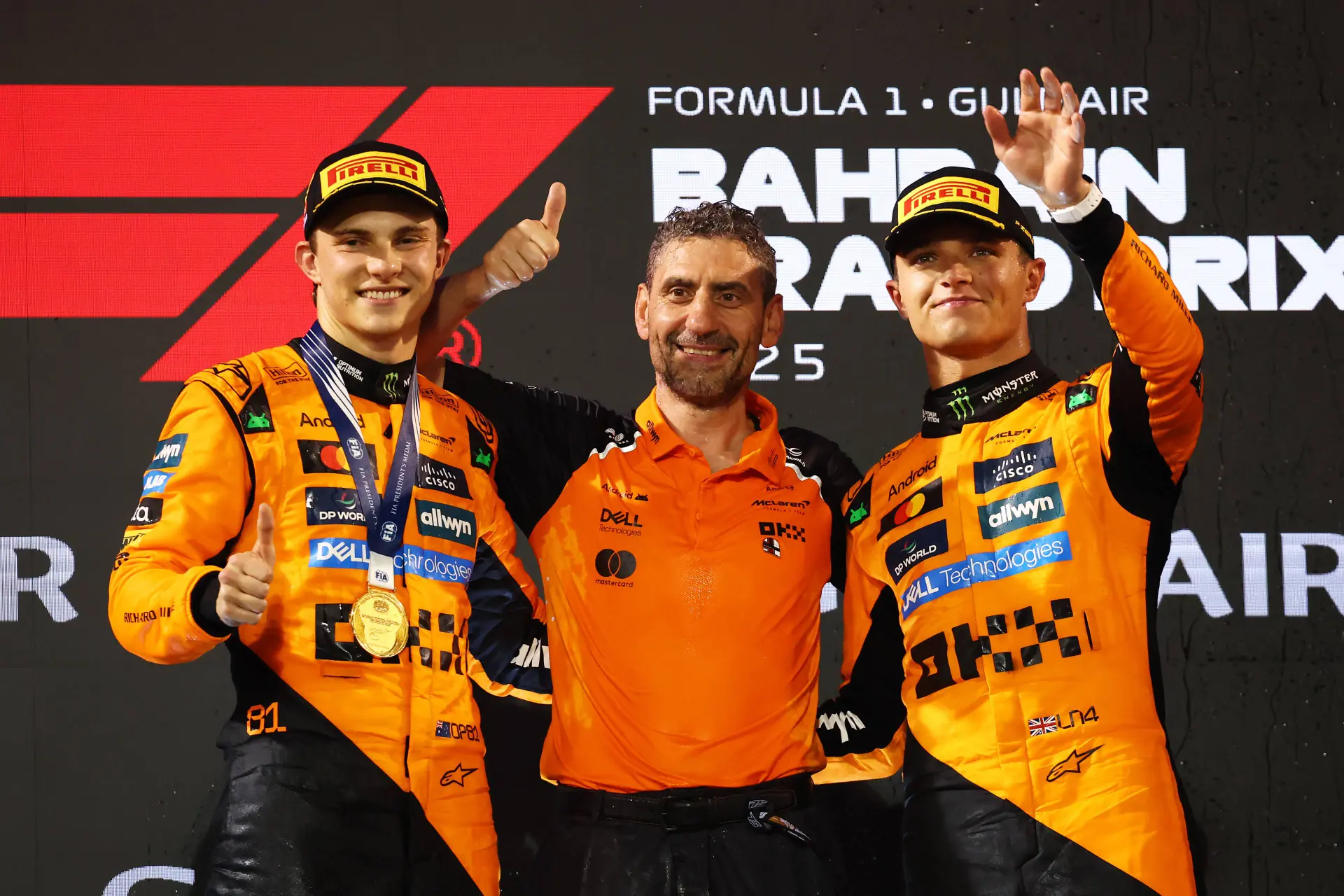
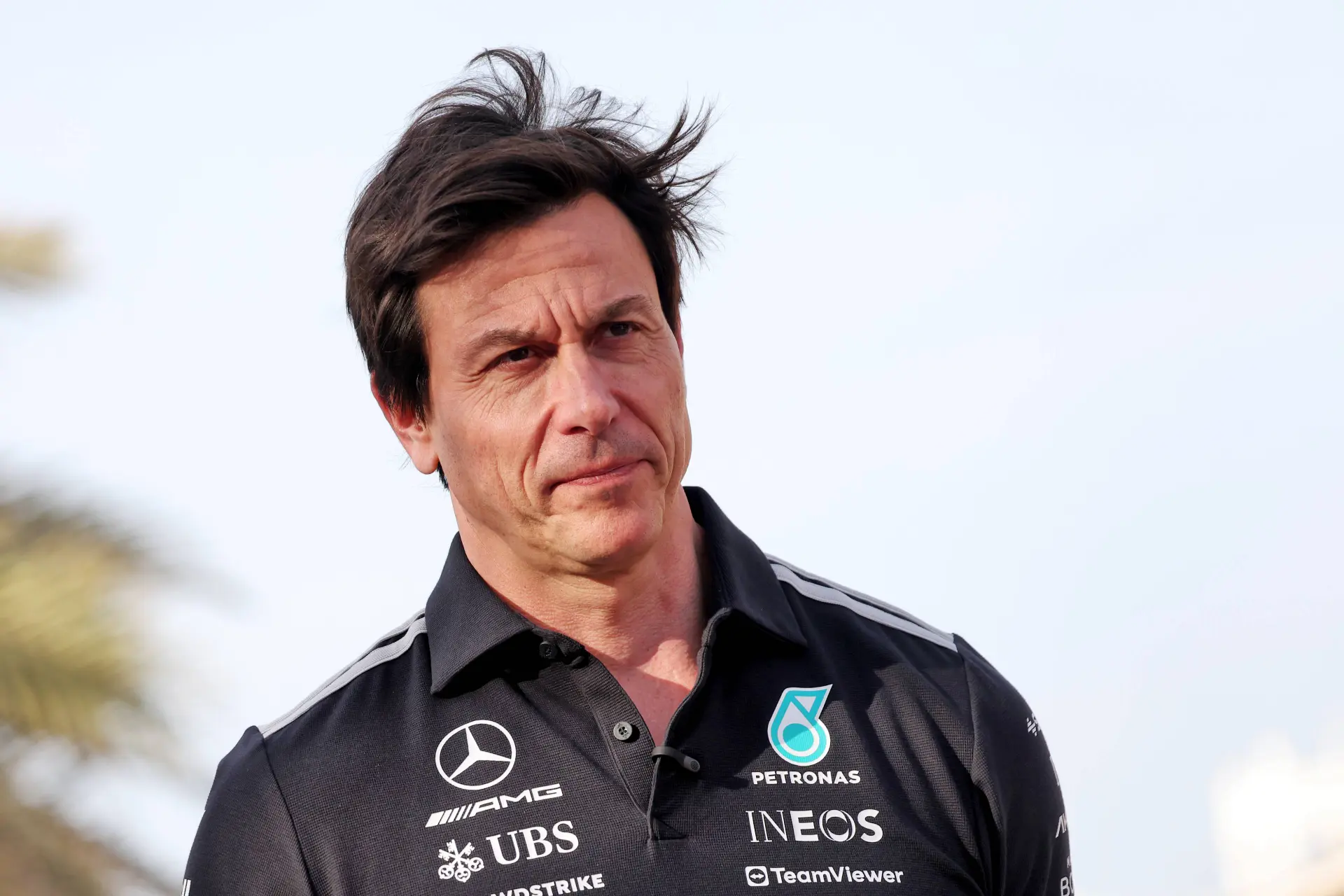
Is the Saudi Arabian GP also at risk?
Now, alongside Bahrain and the United Arab Emirates, Saudi Arabia has also been subject to strikes from Iran in the aftermath of the American and Israeli attacks.
ADVERTISEMENT
A refinery of Aston Martin's title sponsor, Aramco, was ablaze after coming under fire from Iranian strikes, and now verified reports have said the US embassy in Riyadh has also been hit by Tehran.
The advice from the British Foreign Office to its nationals currently in Saudi Arabia now mirrors the advice issued for Bahrain and the UAE, telling people to 'stay indoors and exercise caution' due to missile and drone activity.
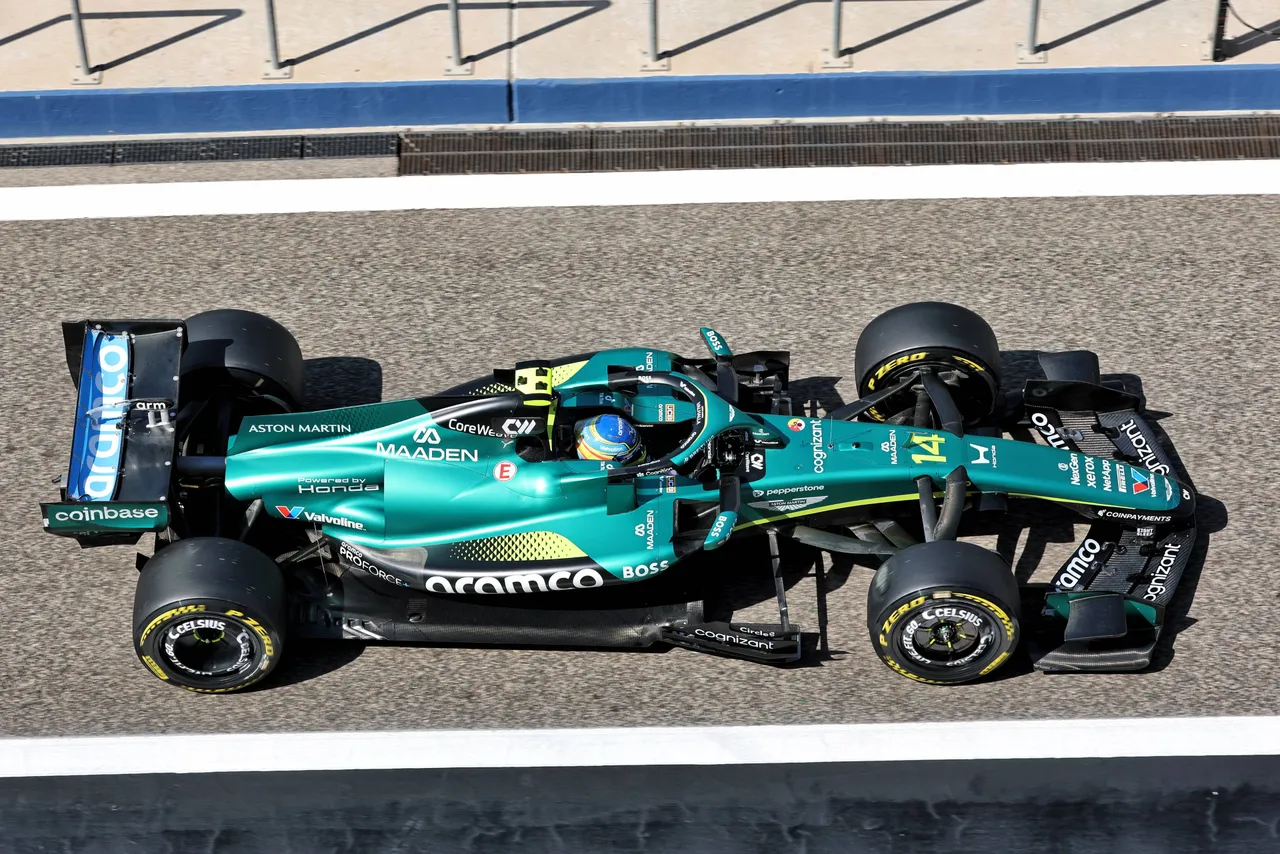
Fernando Alonso in action for Aston Martin Aramco - Photo: Race Pictures
As a result of these escalations, current F1 personnel from Mercedes, McLaren and Pirelli are all stuck following the shutdown of Middle Eastern airspace after unsuccessful attempts to leave.
The Saudi Arabian Grand Prix in Jeddah is scheduled to take place on April 19, just a week after the Bahrain Grand Prix, and GPblog has analysed what may happen if the Bahrain Grand Prix were to be cancelled.
ADVERTISEMENT
Now, the Saudi Arabian race weekend could be thrown into disarray.
Don’t miss GPblog in Google
Mark us as a preferred source and our articles will appear more often at the top of Top Stories.
Add as a preferred / source on Google