Vowles says cost cap favours Mercedes, Ferrari, Red Bull and McLaren: 'We have a two-tier championship'
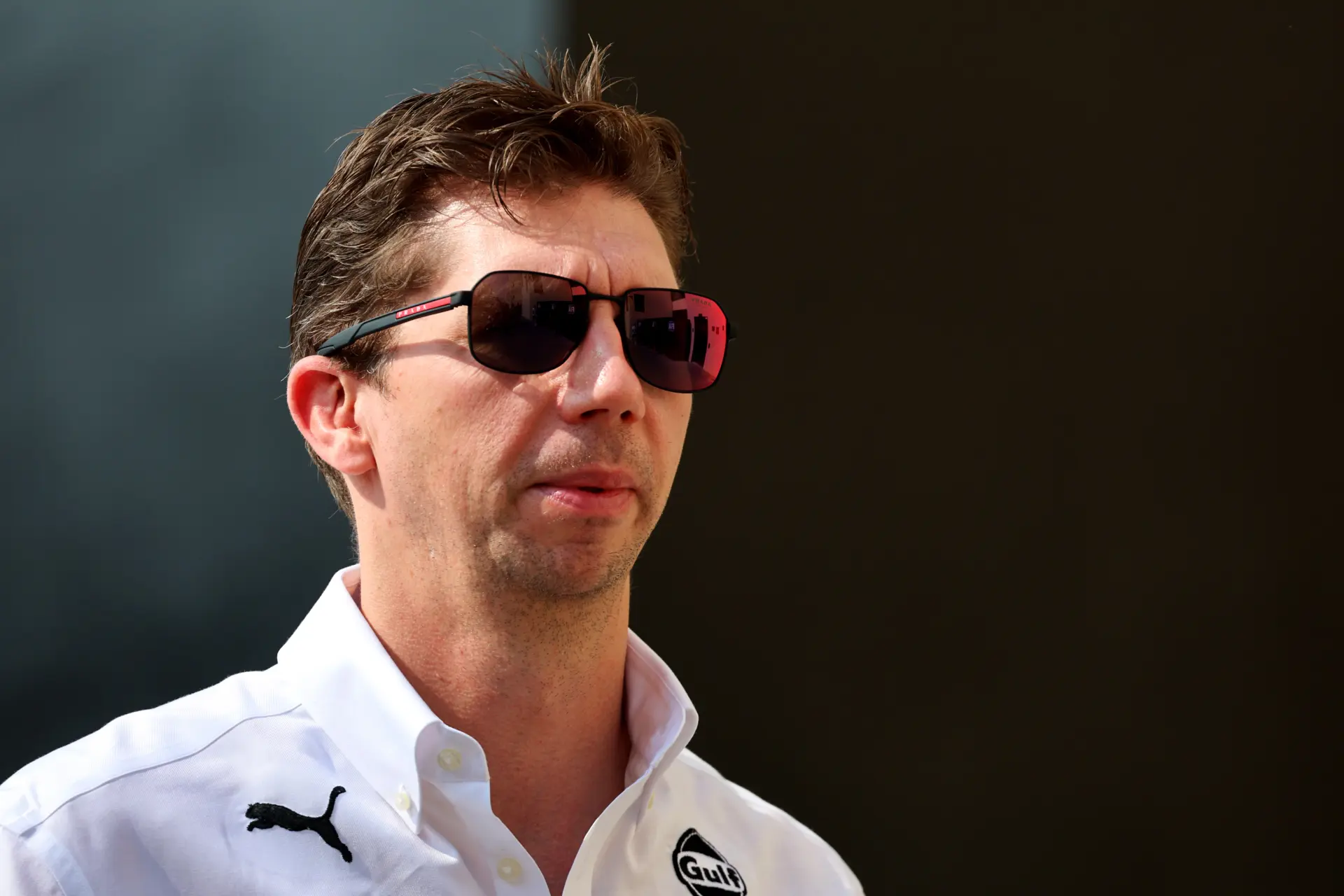
Photo: Race Pictures.

Ben Hunt is an award-winning motorsport journalist with over two decades of experience in Formula 1 and international media. As a former editor-in-chief and bestselling author, he delivers in-depth analysis and strategic insight from the highest level of the sport.
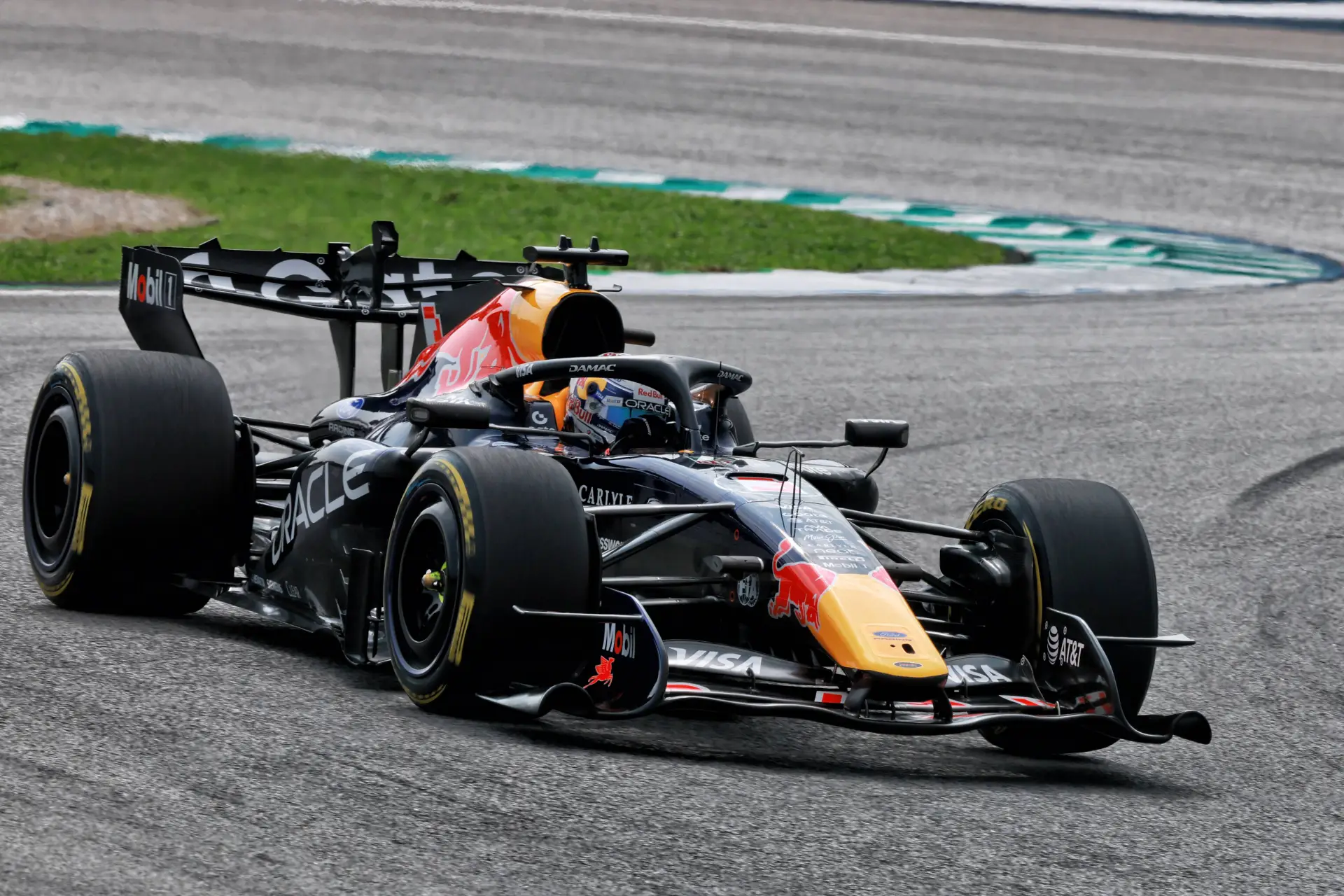
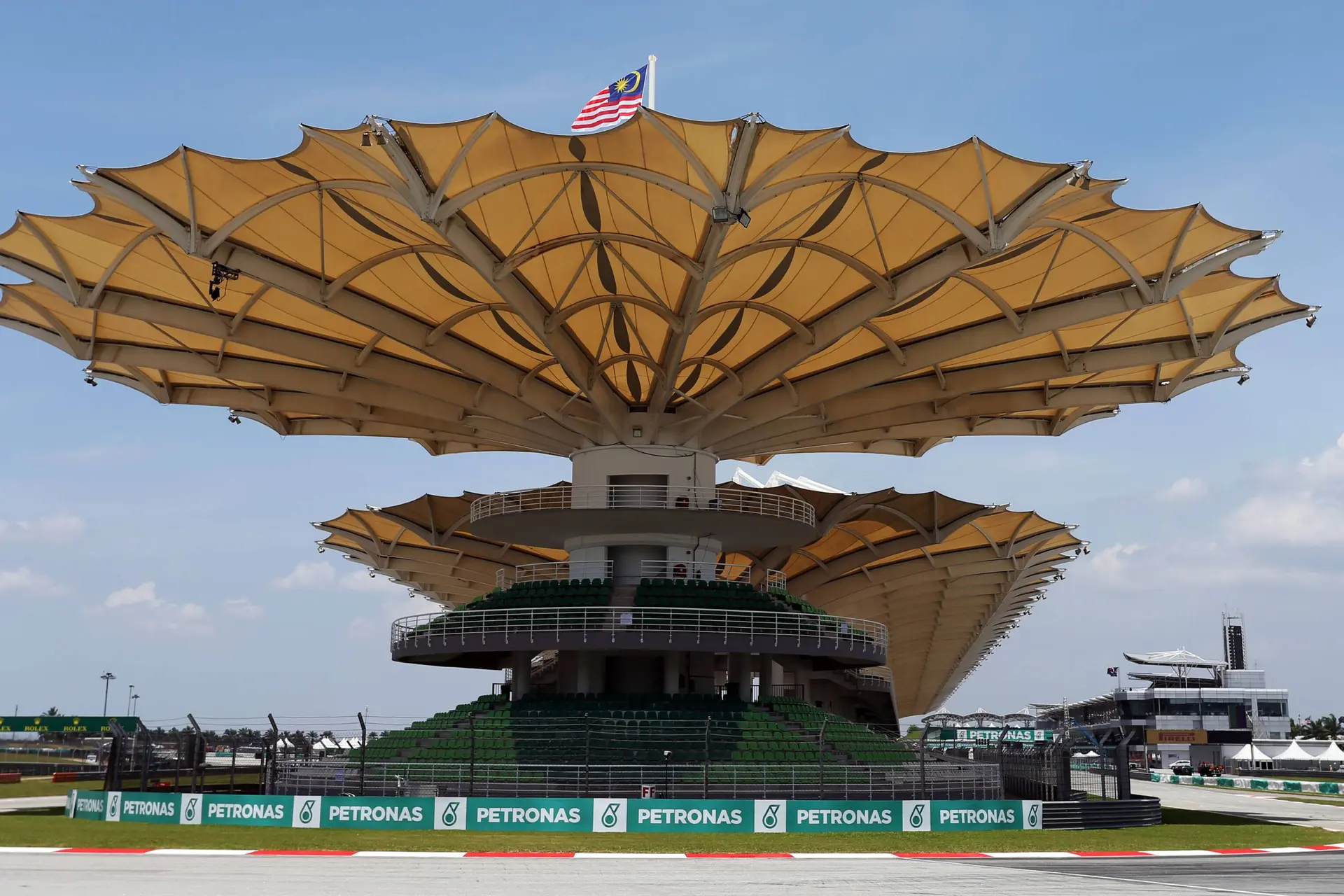
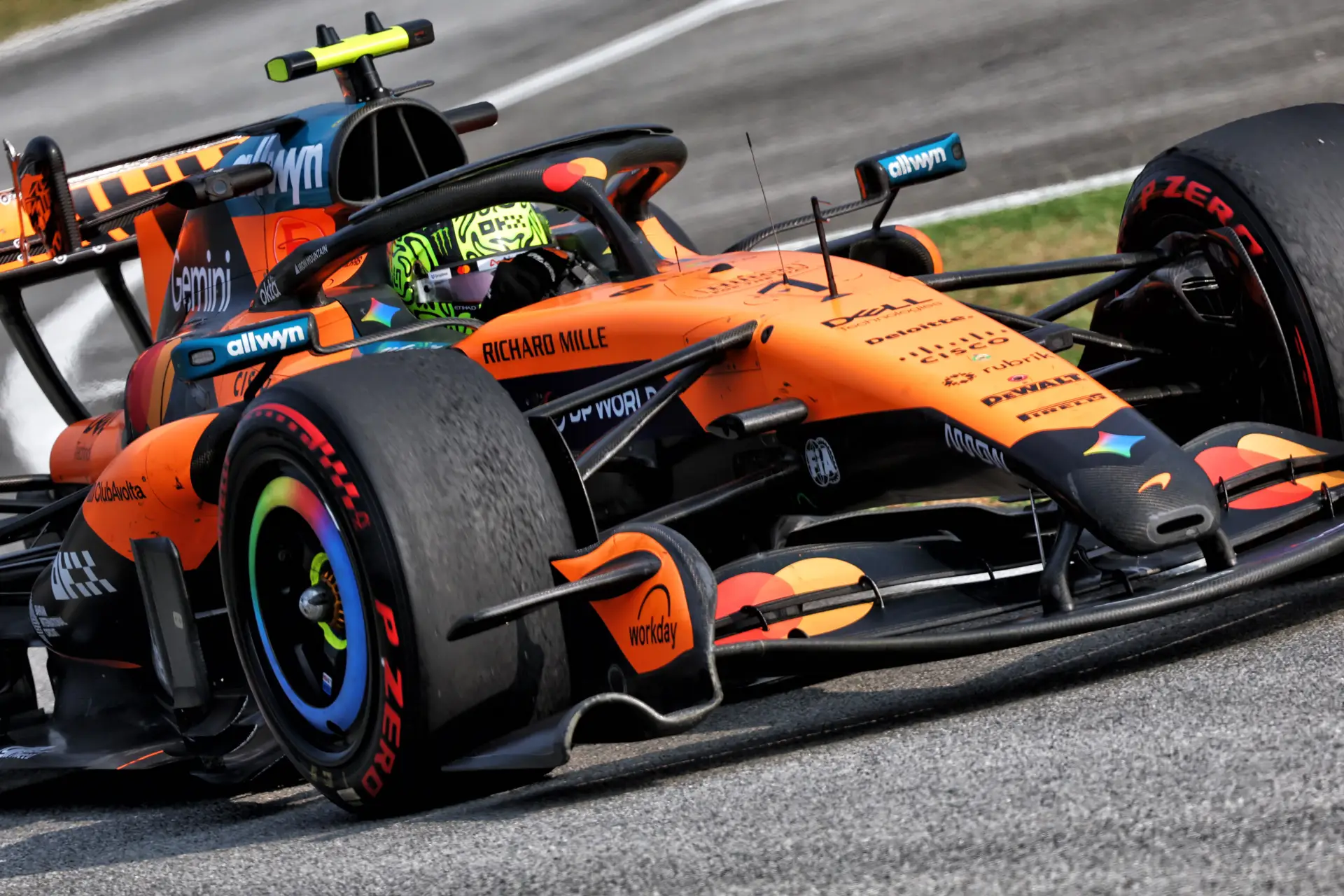
Williams team principal James Vowles has said Formula 1's cost cap has turned the sport into a "two-tier championship". Speaking at Friday's team principals' press conference in Sepang, he said Mercedes, Ferrari, Red Bull and McLaren have tightened their grip on the grid since the rule was introduced.
Few people in the paddock have backed the cost cap as consistently as Vowles, as his team tries to make up the gap on their rivals. F1 brought in the cap in 2021 to rein in rising costs and level the field. Several teams had only just made it through the Covid-19 pandemic without going out of business. For 2026, the limit on performance-related spending is $215 million.
We have a two-tier championship. That's not me telling you that. That is just what is on the table right now in terms of points score.- James Vowles, Williams team principal
Top four teams take 83 per cent of the points
Vowles said the top four teams have scored 83 per cent of the points in the cost cap era, up from a share in the 70s before it. He also said the rest of the grid now reaches the podium five per cent of the time, half the 10 per cent it managed before the cap.
ADVERTISEMENT
"In other words, we have made the situation worse, where the top four are the top four and all the rest of us are fighting over 17% of the points," he said.
The cap was built around three goals: long-term financial sustainability, sporting equity and a closer field. Vowles believes only the first has been achieved. "We wanted long-term financial sustainability, and I think in that goal, not just have we achieved it, but we've exceeded it," he said. On the other two, he added: "Those are the three goals of cost cap, and those two have failed."
Vowles describes Williams' 'cost cap trap'
Vowles began by admitting his own team's mistakes this year. "We have gone backwards, we had a car that was overweight," he said. He then explained why he thinks the cap is harder on a team that is rebuilding.
"I'm spending millions, tens of millions actually, just on basic systems, so you just know where a part is in the factory," he said. "We're caught in a cost cap trap. Before the cost cap, Williams weren't spending really any money at all. So, I've, roughly speaking, tripled the expenditure," he said. He still concluded that things were "different" but "still worse".
ADVERTISEMENT
Vowles wants extra allowances, not an end to the cap
Vowles is not asking for the cap to be scrapped. "The solution isn't to take cost cap away," he said. "As I said before, we have a brilliantly financially stable sport now as a result of it, but we do need to think about what mechanisms we have in there to make sure we're all playing with the same tools and the same mechanisms, because today we're not."
One idea he raised was to link extra spending allowance to championship points or finishing position. Any benefit would be phased in over time rather than giving a team an instant jump up the order. He stressed that the best teams should still be rewarded.
Vasseur defends what the cap has achieved
Ferrari team principal Frederic Vasseur, who was sitting next to Vowles, and offered a different view. Ferrari had long opposed the cost cap before Liberty Media won them over.
ADVERTISEMENT
What we have to keep in mind is that before the cost cap, 2018, 2017, 2016, for sure the business in general was much worse, but we had also five or six teams in bankruptcy or almost in bankruptcy.- Frederic Vasseur, Ferrari team principal
Vasseur added that the cap sends a wider message: "And it's not just the fact that the business is going well, it's the fact that we are sending the message that everybody can compete, right or wrong, but this is the message."
Don’t miss GPblog in Google
Mark us as a preferred source and our articles will appear more often at the top of Top Stories.
Add as a preferred / source on GoogleRead more about:
latest news
Bahrain Grand Prix
Overview
... ...
Practice 1
...
Practice 2
...
... ...
Practice 3
...
Qualification
...
... ...
Race
...
... ...
Practice 1
...
Practice 2
...
... ...
Practice 3
...
Qualification
...
... ...
Race
...
Times are in your local timezone
Rumors
Popular on GPBlog
1
FIA reaches verdict on Hamilton following Bortoleto impeding incident in FP2
3033 times read
2
Verstappen sends warning to Mercedes in race simulations as Ferrari waits
1521 times read
3
Hamilton gives first indication of Ferrari’s true pace after Bahrain GP FP2
1499 times read
4
FIA steps in at the last minute: Sepang pole position was on the wrong side of the track
1414 times read
F1-stand 2026
Season
| Pos. | Driver | Team | Points |
|---|---|---|---|
1 | MercedesMER | 302 | |
2 | MercedesMER | 236 | |
3 | FerrariFER | 199 | |
4 | McLarenMCL | 186 | |
5 | FerrariFER | 179 | |
6 | Red Bull RacingRBR | 163 | |
7 | McLarenMCL | 120 | |
8 | Red Bull RacingRBR | 86 | |
9 | Racing BullsRCB | 59 | |
10 | AlpineALP | 41 |
Loading