What we learned from FP3 telemetry breakdown: Mercedes teammate chasm, Lawson's untapped pace, and McLaren's setup split
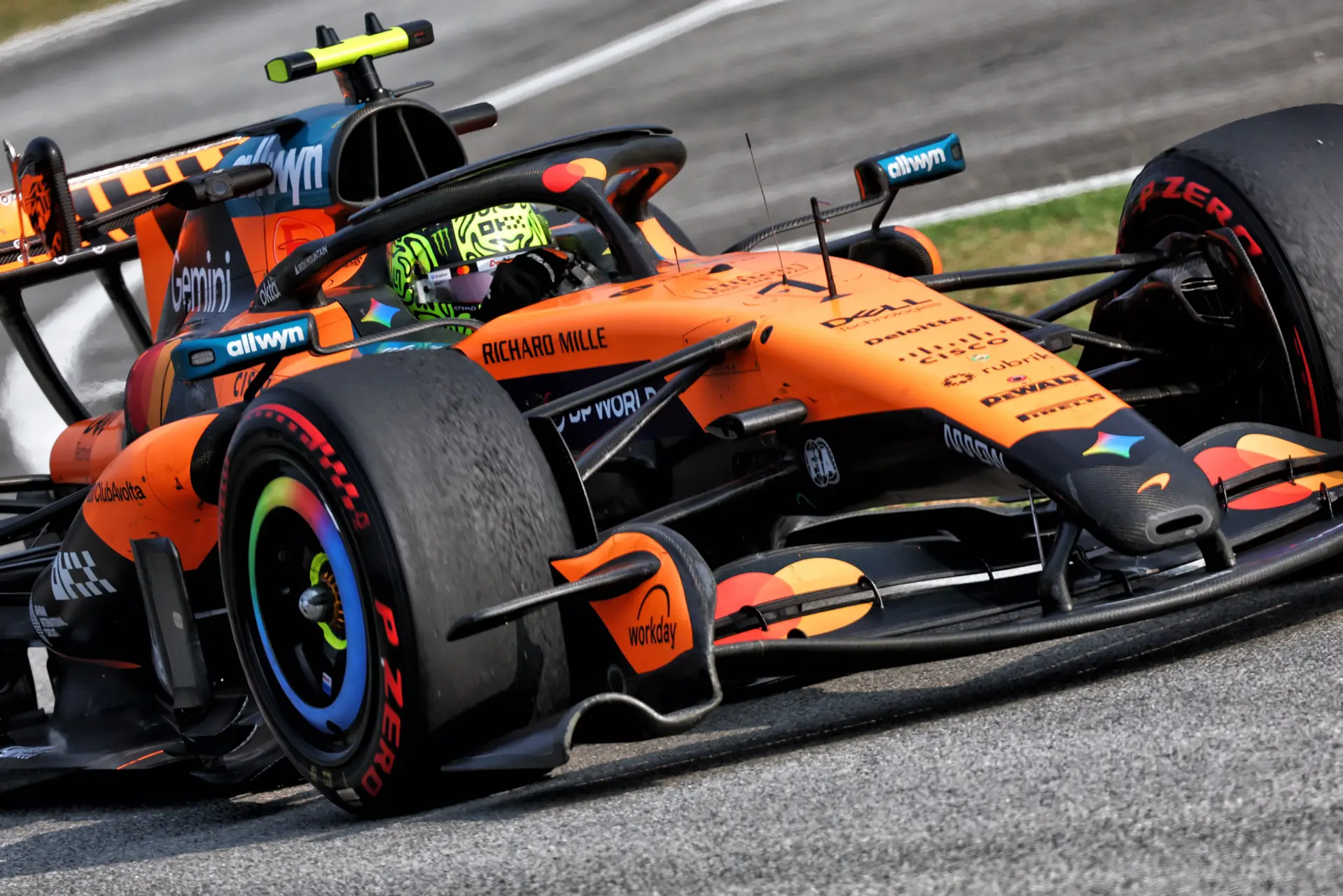
Photo: Race Pictures
Updated:
0 Comments

Ben Hunt is an award-winning motorsport journalist with over two decades of experience in Formula 1 and international media. As a former editor-in-chief and bestselling author, he delivers in-depth analysis and strategic insight from the highest level of the sport.
The timing screens never tell the full story on a grand prix weekend, but diving beneath the surface into telemetry and sector splits uncovers where performance was won, lost, and left behind. From an eye-opening intra-team gap at Mercedes to razor-thin margins at Ferrari and contrasting setup philosophies at McLaren, here is what the data showed in FP3 in the Bahrain GP in Malaysia.
Antonelli Shines as Ferrari Teammates Run Neck-and-Neck
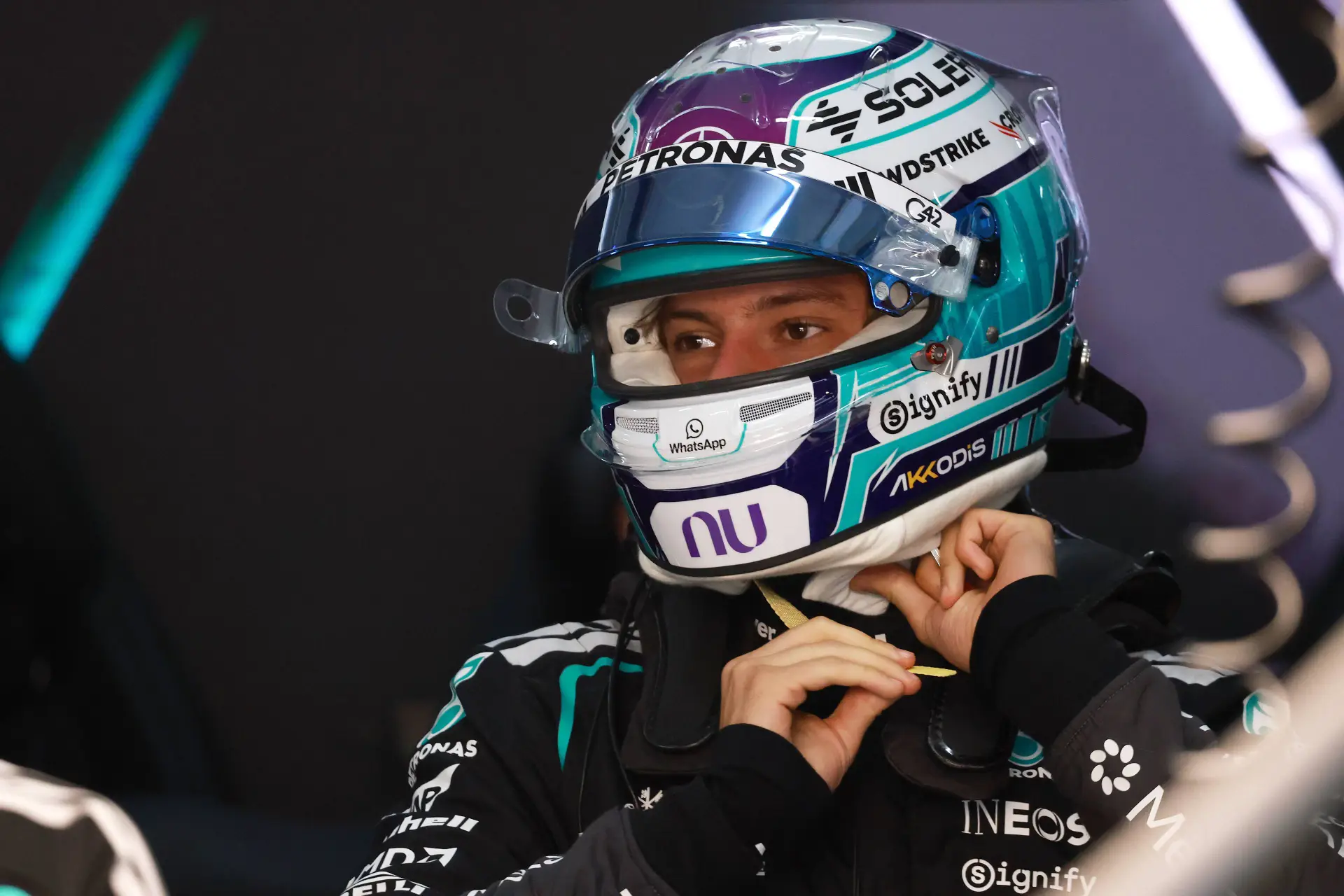
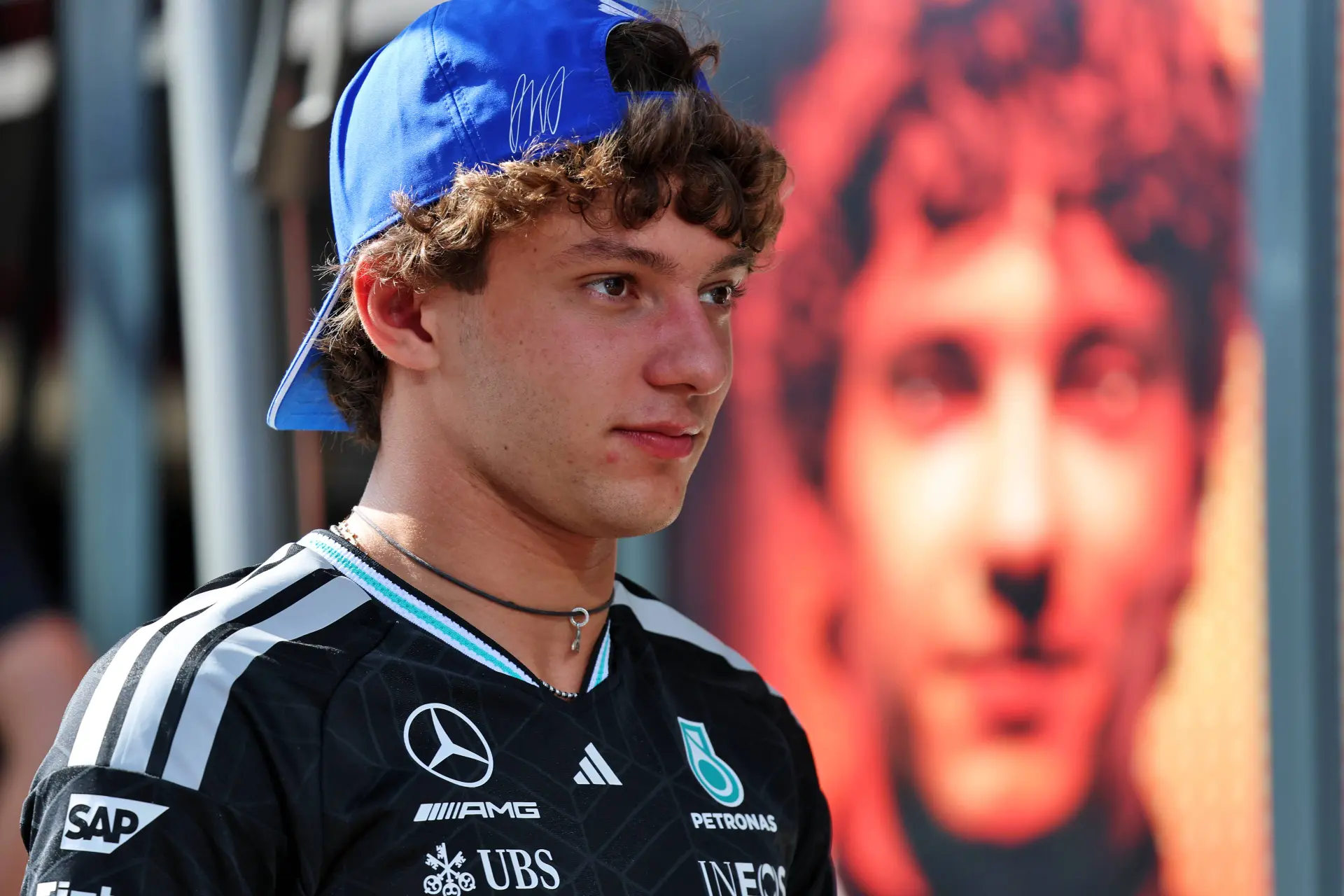
The intra-team battle delivered contrasting pictures across the frontrunners. At Mercedes, Andrea Kimi Antonelli laid down an emphatic benchmark, recording the widest teammate margin on single-lap pace across the grid. Antonelli outpaced George Russell by a substantial 0.610 seconds on their respective best tours, indicating that the Italian rookie found a sweet spot with the balance that eluded his British teammate.
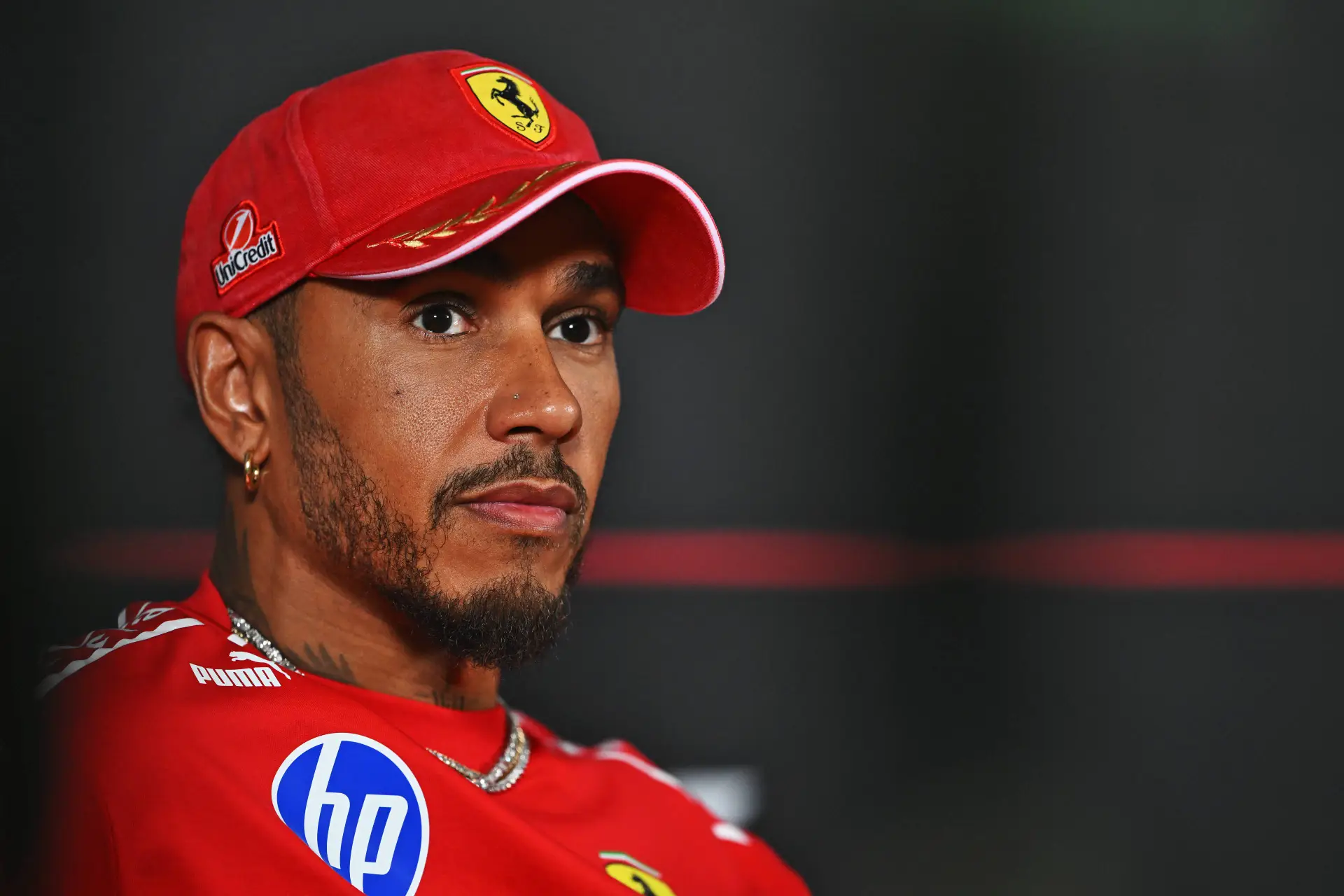
In stark contrast, Scuderia Ferrari proved to be the most evenly matched pairing of the session. Charles Leclerc and Lewis Hamilton were split by a negligible 0.025 seconds on their quickest laps, illustrating that both drivers managed to extract virtually identical peak performance from the car across the circuit.

ADVERTISEMENT
McLaren Setup Split and Lawson's Unclaimed Potential
At McLaren, an intriguing divergence in car configuration emerged between Lando Norris and Oscar Piastri. Norris held a 0.205-second advantage over Piastri across a full lap, yet did so while registering 8.0 km/h slower through the main speed trap. This dynamic strongly points toward contrasting rear wing configurations, with Norris likely running higher aerodynamic downforce to prioritise cornering grip while Piastri ran leaner straight-line settings.
Meanwhile, Liam Lawson experienced a frustrating session when examining theoretical capability versus actual execution. Lawson left a significant 0.677 seconds on the table across his program; his individual personal-best sectors compiled a theoretical lap of 1:37.589, whereas his actual best completed lap sat at a 1:38.266. Piecing together a clean lap on a single set of tyres will be crucial for the Kiwi going into qualifying.

The Ultimate Lap and Severe Degradation
ADVERTISEMENT
Stitching together the fastest sectors from across the field highlights how competitive the fight at the sharp end remains. The theoretical ultimate lap sits at a 1:36.139, exactly 0.163 seconds quicker than the session's overall fastest recorded lap of 1:36.302. Max Verstappen established the benchmark in Sector 1, Antonelli showcased his raw speed by claiming the fastest Sector 2, and Norris swept the final sector to prove McLaren's twisty-section prowess.
Longer running, however, exposed tyre wear concerns for several runners. Franco Colapinto suffered the harshest tyre drop-off recorded during the runs, losing an average of 0.476 seconds per lap while evaluating the soft compound across a stint lasting from laps 4 to 10. Managing thermal degradation will clearly be the decisive challenge when race stints begin.

Don’t miss GPblog in Google
Mark us as a preferred source and our articles will appear more often at the top of Top Stories.
Add as a preferred / source on GoogleRead more about:
latest news

Bahrain Grand Prix
Overview
... ...
Practice 1
...
Practice 2
...
... ...
Practice 3
...
Qualification
...
... ...
Race
...
... ...
Practice 1
...
Practice 2
...
... ...
Practice 3
...
Qualification
...
... ...
Race
...
Times are in your local timezone
Popular on GPBlog

1
FIA reaches verdict on Hamilton following Bortoleto impeding incident in FP2
2861 times read
2
Verstappen sends warning to Mercedes in race simulations as Ferrari waits
1508 times read

3
Hamilton gives first indication of Ferrari’s true pace after Bahrain GP FP2
1482 times read

4
FIA steps in at the last minute: Sepang pole position was on the wrong side of the track
1382 times read
F1-stand 2026
Season
| Pos. | Driver | Team | Points |
|---|---|---|---|
1 | MercedesMER | 302 | |
2 | MercedesMER | 236 | |
3 | FerrariFER | 199 | |
4 | McLarenMCL | 186 | |
5 | FerrariFER | 179 | |
6 | Red Bull RacingRBR | 163 | |
7 | McLarenMCL | 120 | |
8 | Red Bull RacingRBR | 86 | |
9 | Racing BullsRCB | 59 | |
10 | AlpineALP | 41 |
Loading