Stewards considered 'dangerous impeding': Hamilton escapes third reprimand in Sepang

Tim Kraaij is Editor-in-Chief of GPblog.com and a Formula 1 analyst. With permanent FIA accreditation and direct access to the paddock, he delivers in-depth, data-driven analysis and insight into key developments within the sport.
Lewis Hamilton came much closer in Sepang to a harsher penalty than the warning suggests. The verdict on his incident with Gabriel Bortoleto in the second free practice reveals that the stewards seriously considered labeling it as dangerous impeding. Such a ruling would have brought the Ferrari driver one step closer to a grid penalty.
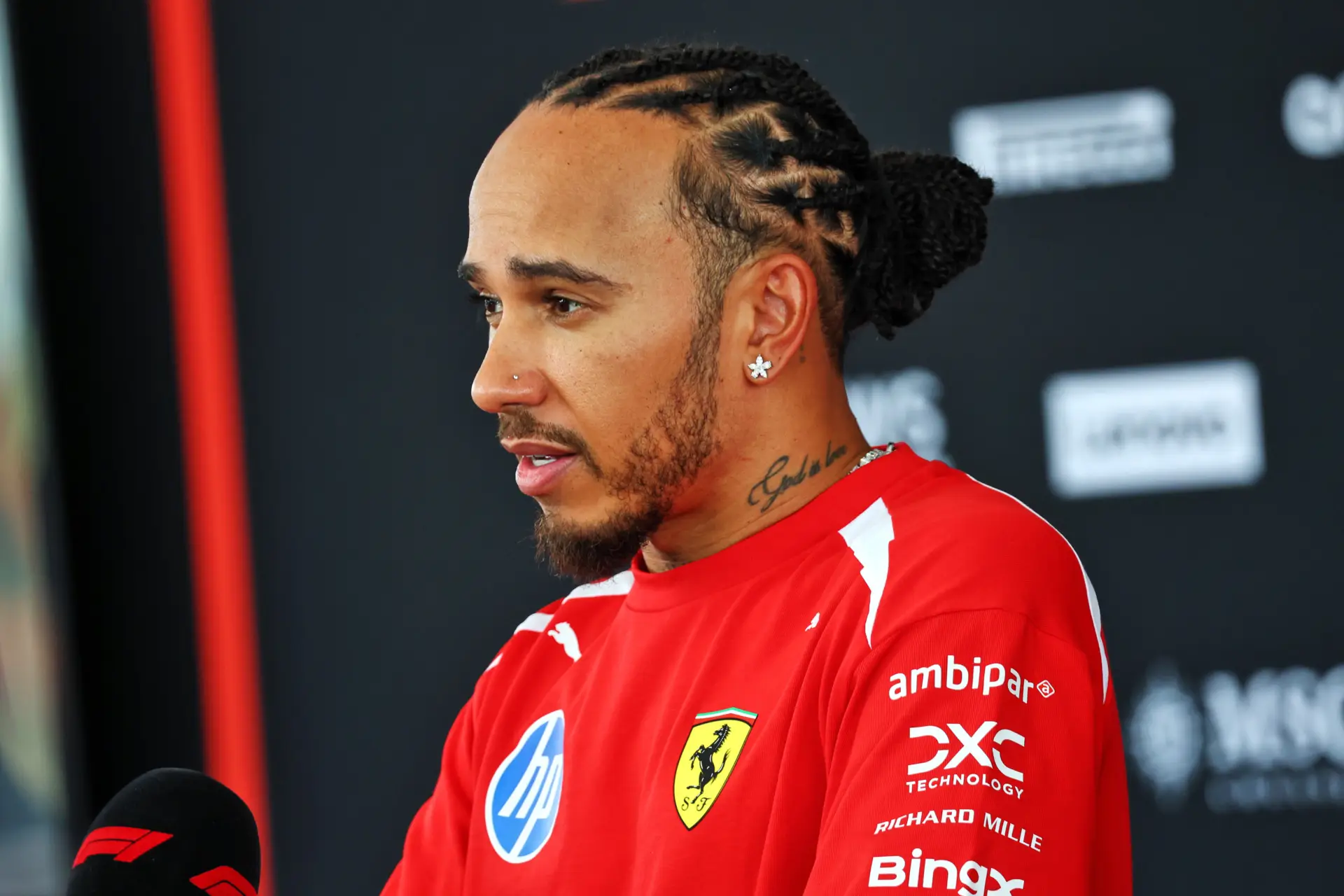
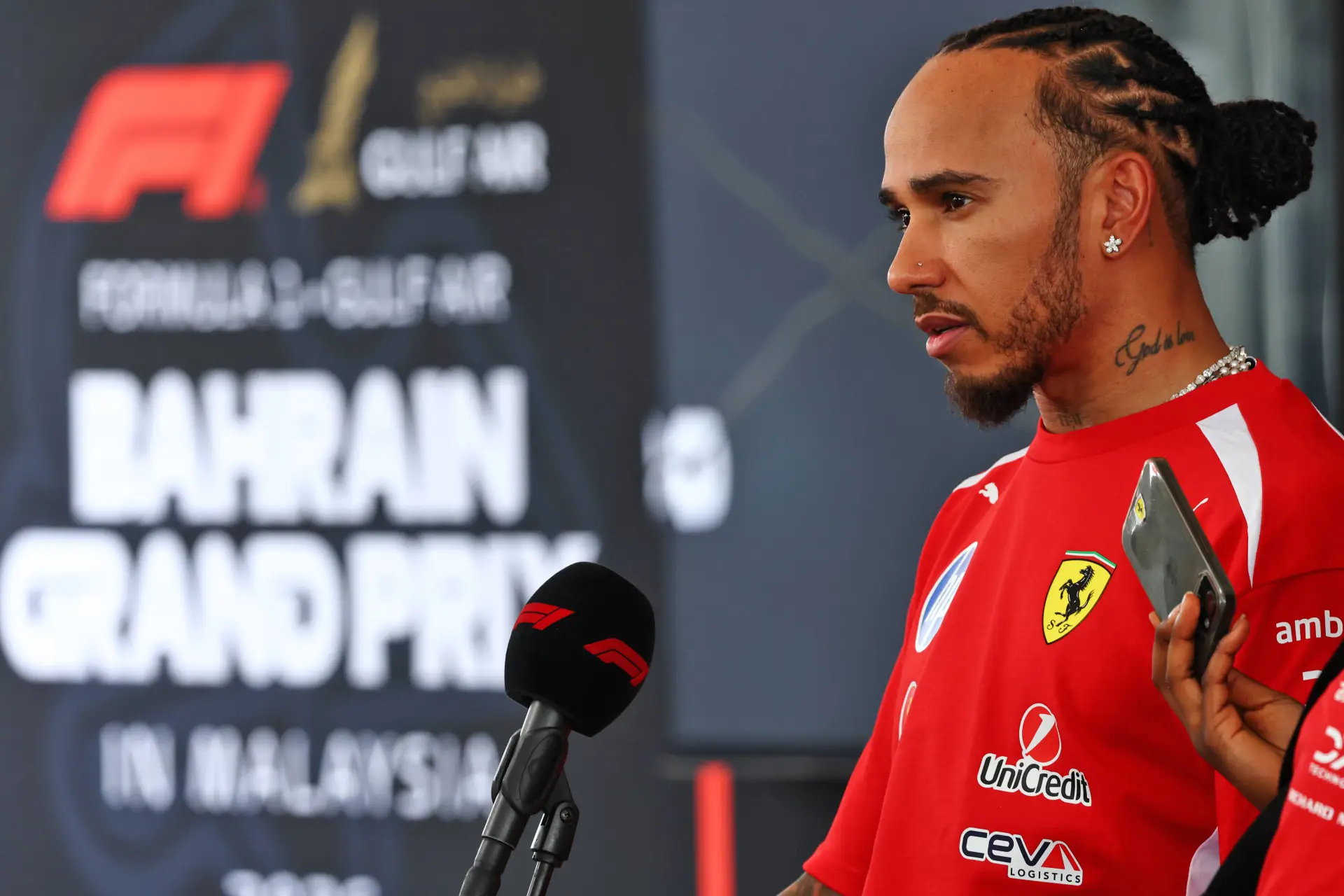
GPblog previously reported on the investigation and the decision in FIA reaches verdict on Hamilton following Bortoleto impeding incident in FP2. Hamilton received a warning and Ferrari a fine of 10,000 euros. However, the decision also explains how the stewards arrived at that penalty, showing how little margin was left. The stewards determined that Hamilton moved from the middle of the track to the racing line, forcing Bortoleto to brake and take evasive action.
Speed differential of 155 km/h between Hamilton and Bortoleto
The speed difference was significant. According to the stewards, Hamilton was traveling about 80 to 85 km/h on the approach to Turn 9, while Bortoleto was closing from behind at around 240 km/h. That meant the Audi was approaching the Ferrari roughly 155 to 160 km/h faster.
Because of that difference, the stewards explicitly examined whether there was dangerous impeding. In the end, it was classified as unnecessary impeding. There were three mitigating factors: the damaged right mirror, the fact that Ferrari had not warned Hamilton over the radio, and the fact that Bortoleto was on an out-lap. Bortoleto also told the stewards that he had maintained control. Therefore, it remained the standard warning that is customary in free practice, without a grid penalty.
ADVERTISEMENT
Baku and Sepang: almost the same assessment
That it could have turned out differently became clear a week earlier in Baku. There, the stewards ruled that Hamilton had “severely” impeded Liam Lawson in the second free practice. The difference lay in the circumstances. Ferrari had warned Hamilton twice in Azerbaijan that Lawson was approaching, and he had not adhered to the special traffic instructions for the final sector. Hamilton pointed to the difficulties he had with energy deployment under the 2026 engine regulations, but the stewards maintained that he had not followed the instructions.
In Baku, that harsher judgment led to a reprimand instead of the usual warning. In Sepang, the broken mirror and the lack of a radio warning tipped the scales the other way. That this issue continues to haunt Hamilton was already described by GPblog in Hamilton investigated: this recurring issue put him on the stewards' radar again.
Hamilton has little margin left before a grid penalty
Hamilton is on two reprimands this season. He received the first at Silverstone for not slowing under a yellow flag, and the second in Baku. Under FIA rules, a driver who receives five reprimands, at least four of which are for driving offenses, is automatically given a ten-place grid penalty at the next Grand Prix. With several races still to go, any new incident increases his risk. Had Sepang been deemed dangerous, the tally could have stood at three.
ADVERTISEMENT
Ferrari is also implicated. The stewards felt the team should have warned its driver regardless of whether Bortoleto was on a push lap, because it knew Hamilton had poor rearward visibility. A broken mirror is therefore now also a problem for the pit wall.
Don’t miss GPblog in Google
Mark us as a preferred source and our articles will appear more often at the top of Top Stories.
Add as a preferred / source on GoogleRead more about:
latest news



Bahrain Grand Prix
Overview
... ...
Practice 1
...
Practice 2
...
... ...
Practice 3
...
Qualification
...
... ...
Race
...
... ...
Practice 1
...
Practice 2
...
... ...
Practice 3
...
Qualification
...
... ...
Race
...
Times are in your local timezone
Rumors
Popular on GPBlog

1
FIA reaches verdict on Hamilton following Bortoleto impeding incident in FP2
2804 times read
2
Verstappen sends warning to Mercedes in race simulations as Ferrari waits
1498 times read

3
Hamilton gives first indication of Ferrari’s true pace after Bahrain GP FP2
1468 times read
4
FIA steps in at the last minute: Sepang pole position was on the wrong side of the track
1379 times read
F1-stand 2026
Season
| Pos. | Driver | Team | Points |
|---|---|---|---|
1 | MercedesMER | 302 | |
2 | MercedesMER | 236 | |
3 | FerrariFER | 199 | |
4 | McLarenMCL | 186 | |
5 | FerrariFER | 179 | |
6 | Red Bull RacingRBR | 163 | |
7 | McLarenMCL | 120 | |
8 | Red Bull RacingRBR | 86 | |
9 | Racing BullsRCB | 59 | |
10 | AlpineALP | 41 |
Loading