Verstappen ends discussion over 2027 engines: 'I've said everything I wanted to say'

Photo: Race Pictures
Tobia is a Formula 1 journalist at GPblog with experience at international circuits. Since 2022, he has covered Grands Prix across Europe, delivering reliable coverage and insights from the paddock.
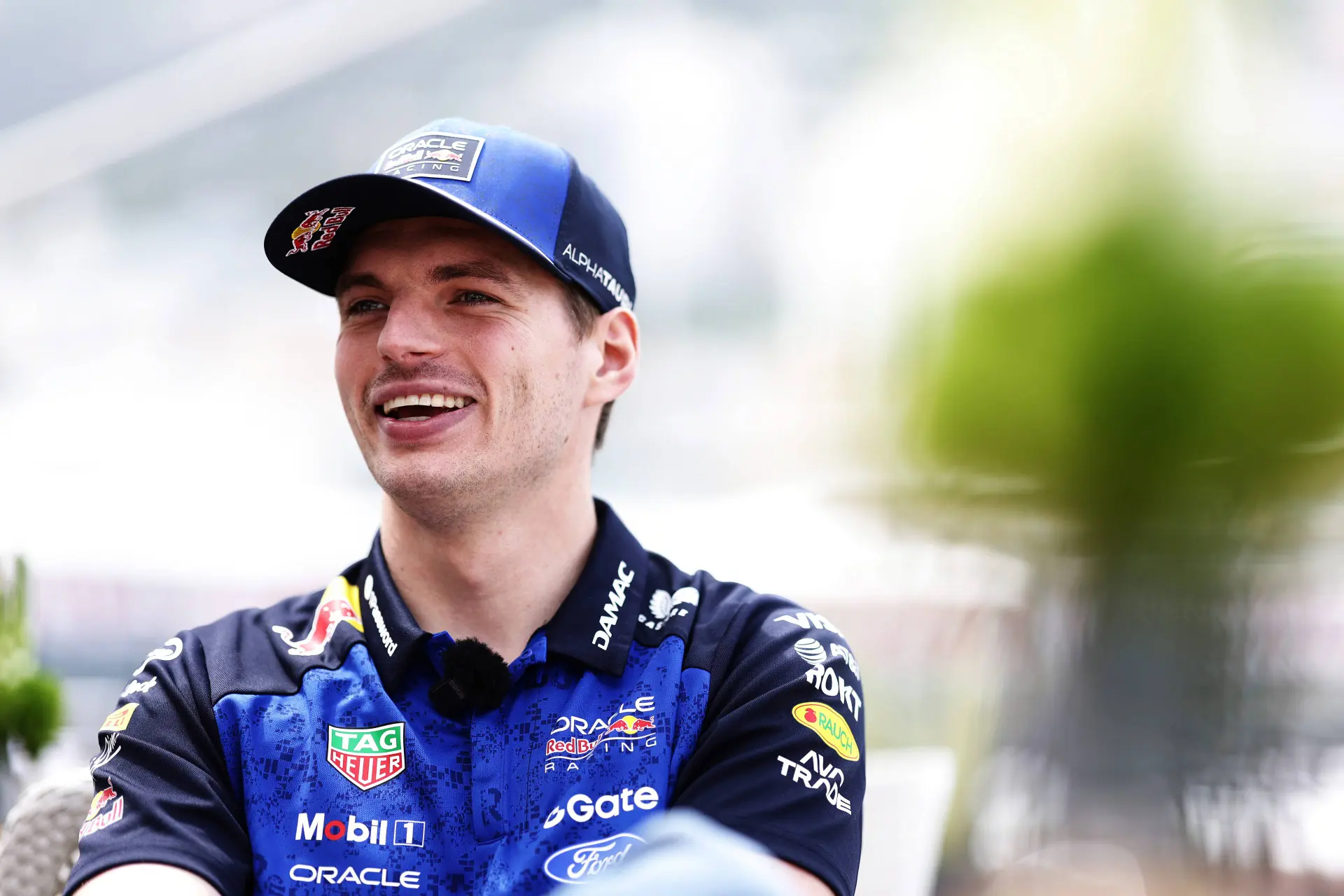
Max Verstappen has once again weighed in on the 2027 engine debate, reiterating his trust in the FIA to make the right decision after renewing his threats in Montreal to quit Formula 1 if the proposed 60/40 split does not go ahead.
While the switch to a 60/40 power split for 2027 initially appeared little more than a formality, its adoption is no longer guaranteed. Verstappen has once again voiced his concerns over the direction of the regulations, warning that if the current plans remain unchanged, he could struggle to see himself continuing under those conditions. The four-time world champion admitted that spending an entire season racing with regulations he does not believe in would be mentally difficult, making clear that his long-term commitment to F1 could depend on how the situation develops over the coming months.
“If it stays like this, it's going to be a long year next year, which I don't want. I can tell you if it stays like this, then let's see. It's just mentally not doable for me to stay like this. It's really not.”
Verstappen backs FIA amid ongoing 2027 engine debate
In Monaco, Verstappen reiterated that the debate surrounding the 2027 engine regulations remains ongoing and insisted that the final decision is now in the hands of the FIA, expressing confidence that the governing body will ultimately choose the best path forward for both Formula 1 and motorsport as a whole. The Dutchman explained that he had already made his position clear on the matter and did not feel there was much more to add at this stage.
ADVERTISEMENT
He also highlighted what he sees as a significant improvement in the relationship between the FIA and the drivers throughout this season. He pointed to the increased level of communication and the willingness to involve stakeholders directly in discussions surrounding the sport's future, describing the meetings that have taken place as a positive development. For Verstappen, maintaining that level of openness and collaboration will be essential moving forward.

Photo: Race Pictures
"To be honest, I think these discussions are ongoing. So that’s then not up to me now. But I have full belief and trust, also on the FIA side, that they make the right call for motorsport and F1 in general for the future. So I leave that up to them. I think I’ve said everything that I wanted to say."
"At the same time, I think what already has been very good this year is that we have been involved in the discussions, and they’ve been a lot more open. Actually having meetings with them was great. I think that’s exactly what we need to do also in the future. Then I think this could have been avoided a little bit. But yes, I think a lot of positive steps have been taken already this year for the future."
Verstappen laughs while addressing RB22's weakness: 'Not that great there'
ADVERTISEMENT
As for track-related stuff, Verstappen head to Monaco fresh from his first podium of the season in Montreal, and there is cautious optimism that a similar result could be within reach this weekend. However, the Dutchman has pointed out that Monaco is likely to expose some of the RB22's key weaknesses, particularly over bumps and kerbs - areas where Red Bull has struggled throughout the year.
While he believes the car has been reasonably competitive in low-speed corners, Verstappen stressed that Monaco requires a much broader set of strengths, with ride quality and kerb-riding ability expected to play a decisive role. More generally, he admitted Red Bull still needs improvements across virtually every aspect of performance, including grip, power, braking efficiency and tyre management.

Photo: Race Pictures
Looking back at Montreal, Verstappen felt the team was lacking both on the straights and through the corners, while also highlighting ongoing issues with the car's behaviour over bumps. Although Monaco does not feature the high-speed corners that have also troubled Red Bull this season, he suggested the team still has several areas to address before it can be considered a genuine benchmark once again.
ADVERTISEMENT
Don’t miss GPblog in Google
Mark us as a preferred source and our articles will appear more often at the top of Top Stories.
Add as a preferred / source on Google