Stella reveals why McLaren fell short in Monaco: 'We were expecting it'
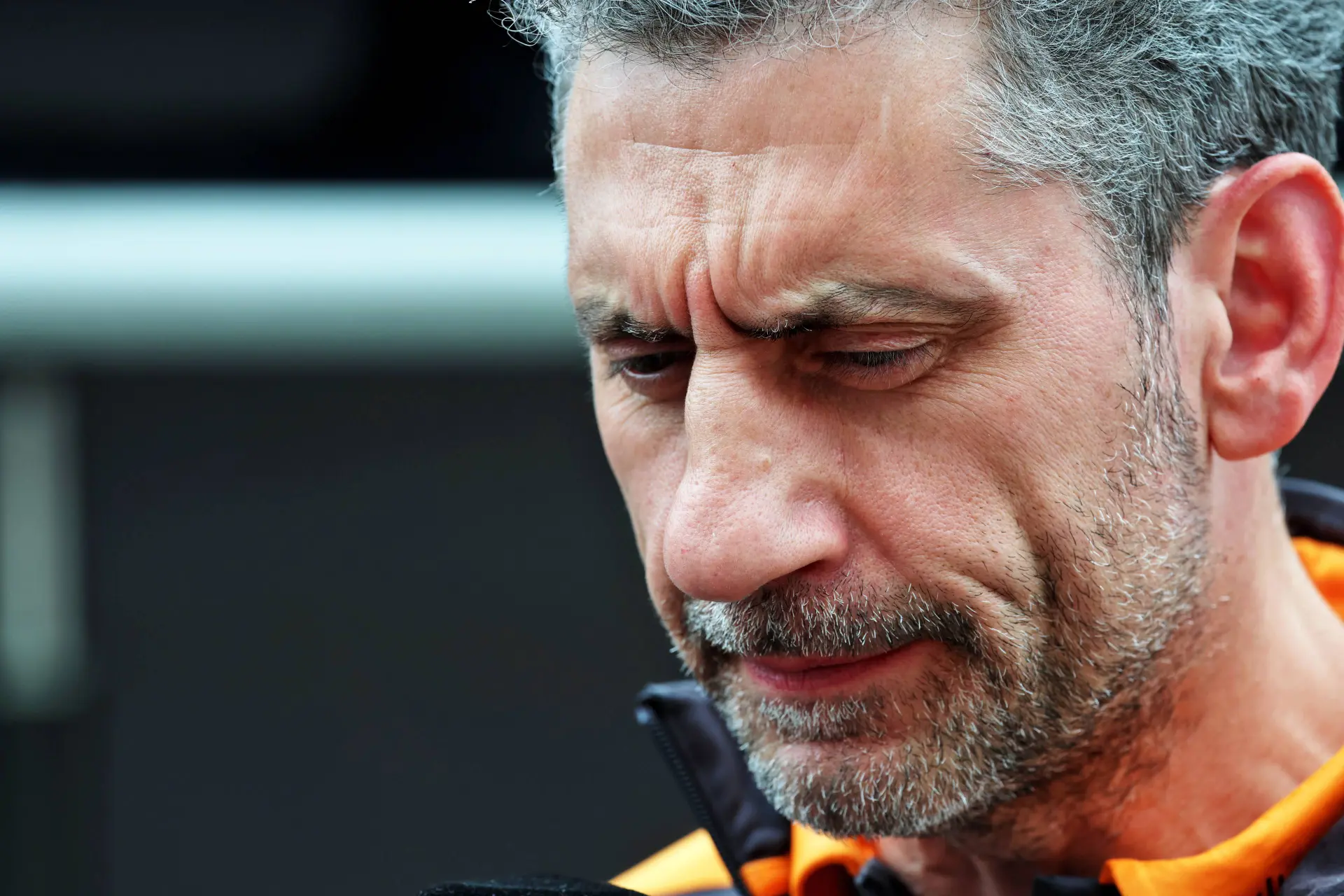
Photo: Race Pictures
Tobia is a Formula 1 journalist at GPblog with experience at international circuits. Since 2022, he has covered Grands Prix across Europe, delivering reliable coverage and insights from the paddock.
McLaren team principal Andrea Stella revealed that the difficult qualifying session experienced by both Lando Norris and Oscar Piastri in Monaco was largely down to two factors the team had already identified and anticipated heading into the weekend.
McLaren endured a difficult afternoon in Monaco, with Piastri and Norris qualifying only seventh and eighth respectively. Despite the MCL40 showing flashes of front-running pace at various points throughout the weekend, neither driver was able to sustain that competitiveness when it mattered most, ultimately slipping back.
Stella names the two factors behind McLaren's difficult Monaco weekend
Explaining the reasons behind McLaren's struggles, Stella revealed that the team had anticipated a challenging weekend in Monaco due to two specific technical weaknesses. The first relates to the overall grip and aerodynamic load generated by the car, an area McLaren is already targeting for improvement. The second concerns the MCL40's tendency to be particularly gentle on its tyres, a characteristic that can become a disadvantage at circuits where quickly generating temperature and energy in the rubber is crucial to extracting maximum performance.

ADVERTISEMENT
"The overall competitiveness, we were expecting it to be difficult at this circuit for two main technical factors. The first one is we know that from a chassis point of view we lack grip overall and we have a clear objective intention in terms of improving the grip and in particular the aerodynamic load, and the second technical factor is that the MCL40, partly by design and partly because we want to improve this factor as well, it's very gentle on the tires and when you have events where you actually have to be good at introducing energy and heat in the tyres, then we struggled a bit."

Photo: Race Pictures
Stella went on to explain that tyre preparation proved particularly challenging throughout qualifying, with McLaren needing to follow a very specific approach on the out lap in an effort to bring the tyres into the correct operating window. Even then, the team noticed it was consistently losing time during the opening phase of the lap compared to some of its rivals.
"It was not an easy task to find the right window for the tires, we needed to work the tires in the preparation lap in a certain manner, and still we know that, especially in the initial part of a lap, we seem to be losing time compared to some other people. So in Monaco, these two factors, overall grip and load, and the second one, the way you work the tires, are very essential. So we anticipated not the most competitive event. Said that, in terms of outcome, I was hoping to be able to at least have one car on the third row, so it's a bit disappointing that we were not in condition to realize that.
"I think thanks to the improvements we have made from Friday to today, actually the potential was in the car to be able to qualify third, but especially in Q3 it was a bit difficult to put all this potential together."
ADVERTISEMENT
Norris reveals confidence drop as McLaren woes continue in Monaco
The reigning world champion and defending Monaco Grand Prix winner will line up only eighth on the grid for Sunday's race, a result that Norris admitted was broadly in line with the concerns he had heading into the weekend. Speaking to GPblog among other media, the Briton explained that the difficulties experienced in Monaco were not entirely unexpected, particularly after the challenges McLaren had already faced in Montreal despite a surprisingly competitive result there.
Norris pointed to fundamental limitations with the MCL40, describing the car as difficult to drive and lacking the compliance and forgiveness needed to attack Monaco's unforgiving street circuit with complete confidence. While he still feels comfortable behind the wheel, he acknowledged that his confidence level is not where it was twelve months ago, a significant factor around a track where drivers need absolute trust in their machinery to extract the final tenths.

Photo: Race Pictures
Looking at the qualifying session itself, Norris believes the team was losing performance throughout the lap rather than in any specific section of the circuit. In his view, the core issue remains a lack of overall grip and aerodynamic load, with balance also playing a role but not being the primary limitation. He suggested that the deficit was spread across the entire lap rather than concentrated in one area.
ADVERTISEMENT
Don’t miss GPblog in Google
Mark us as a preferred source and our articles will appear more often at the top of Top Stories.
Add as a preferred / source on Google