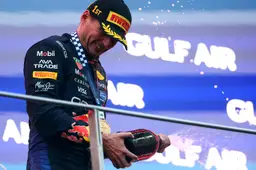
Software Storm at Sepang: How an untested wet-weather glitch brought F1 to a standstill

Ben Hunt is an award-winning motorsport journalist with over two decades of experience in Formula 1 and international media. As a former editor-in-chief and bestselling author, he delivers in-depth analysis and strategic insight from the highest level of the sport.
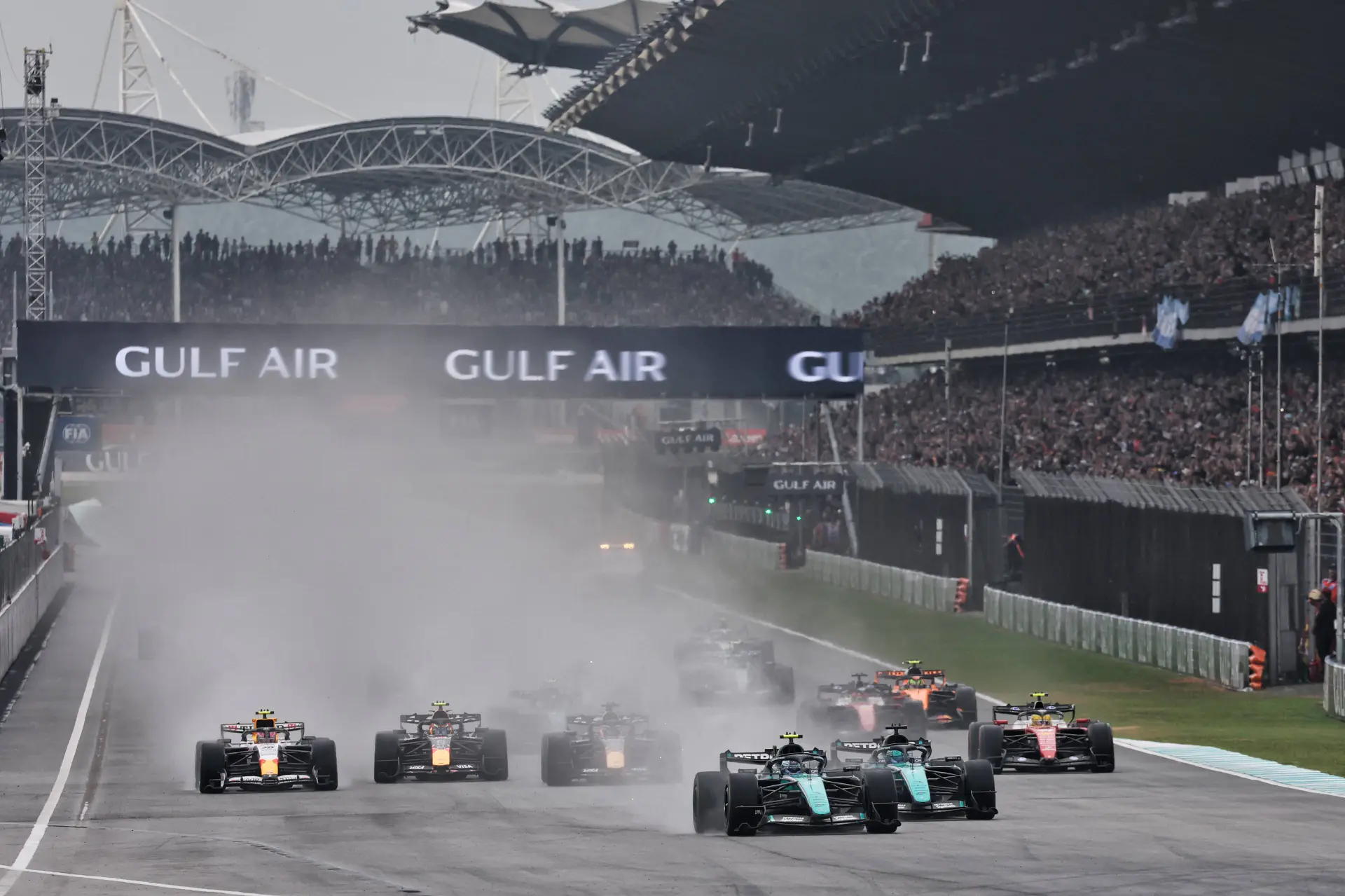
Formula 1 witnessed one of the most surreal spectacles in modern Grand Prix history on Sunday when an untested wet-weather software setting grounded half the grid to a crawl during the formation laps at the Sepang International Circuit, triggering an aborted start, an impromptu pit-lane patching operation, and scathing feedback from world champions, Max Verstappen and Lewis Hamilton, who said the series was like a 'Lego race'.
What was supposed to be a showcase of wet-weather prowess in Malaysia quickly turned into farce as cars began losing deployment along the back straight.
Starting from second on the grid, Lewis Hamilton was the first prominent casualty, watching his Ferrari SF-26 bleed momentum as rivals swept past while pit-wall engineers scrambled over telemetry. Hamilton eventually had to perform a full system reset on track, something the seven-time champion noted was a first in his extensive racing career. Behind him, the carnage spread rapidly, striking both Audis, both Haas entries, the Cadillacs, an Alpine, and a Racing Bulls car.
Race Control had little choice but to abort the start, leading to an extended hiatus while technicians implemented an emergency fix reminiscent of a consumer electronics update: deploying an over-the-air firmware patch directly into every garage to allow the race to finally proceed.
Eventual race winner Max Verstappen pulled no punches afterwards, dryly comparing the sluggish, unresponsive machinery to a novelty battery-powered Lego race. He said: "These engines are so complicated and a lot of software is implemented.
ADVERTISEMENT
"I triggered [the problem] first and then I looked in my mirror, I was like, 'Wait, are they waiting for me or what's going [on]...?' It was like the Lego race."
Verstappen's comment related to the battery-powered Lego F1 cars that drove a lap before the British Grand Prix in July. Hamilton, added: "Yeah, we had the same speed. I had to stop on track and stop the car and engine and restart it. I've never done that before."
Verstappen added: "It was insane. Like, it's the Lego power. At some point we were five-wide on the straight because we couldn't understand what was going on.
"Then we did a lap and then I see eight other cars crawling still, and I saw you (Hamilton) by yourself crawling. That's not what you want, right, for the sport."
Mercedes driver George Russell, who retired from the race with an engine failure, said: "It didn't feel very F1."
ADVERTISEMENT

Kimi Antonelli in a Lego F1 car at the British GP
FIA promise full investigation
FIA single-seater director Nikolas Tombazis later explained that the root cause was a regulatory safety protocol meeting an unforeseen operational trap.
Under the technical regulations, standard 350kW electrical deployment is capped at 250kW in low-grip conditions to mitigate erratic torque delivery on slippery surfaces. However, with the season devoid of prior wet testing or wet race running, this mandate met live competition for the first time.
The combination of torrential rain, slow speeds, concertina braking during the formation lap, and Sepang’s unique sector topography triggered a dead-end bug in the control software, leaving power units unable to re-deploy electric power once vehicle speeds dropped to near-standstill.
ADVERTISEMENT

Photo: Race Pictures
Taking the story forward, the Sepang debacle shifts the spotlight directly onto the upcoming rounds and the broader viability of the engine regulations.
The governing body has pledged an exhaustive joint investigation alongside engine manufacturers to ensure this software blind spot is permanently eliminated, but the fundamental issue remains the regulations. Drivers have been increasingly vocal about the sport’s shifting balance, warning that excessive reliance on energy management, battery clipping, and convoluted digital controls compromises real racing wheel-to-wheel.
With unpredictable autumn weather looming over upcoming flyaway races, the FIA will not only face pressure to stress-test low-grip software under extreme simulated conditions, but may also confront renewed calls from team bosses to rethink the mandatory power-slashing protocols altogether before another freak glitch decides a Grand Prix before the lights even go out.
ADVERTISEMENT
Don’t miss GPblog in Google
Mark us as a preferred source and our articles will appear more often at the top of Top Stories.
Add as a preferred / source on Google