
Ben Hunt is an award-winning motorsport journalist with over two decades of experience in Formula 1 and international media. As a former editor-in-chief and bestselling author, he delivers in-depth analysis and strategic insight from the highest level of the sport.
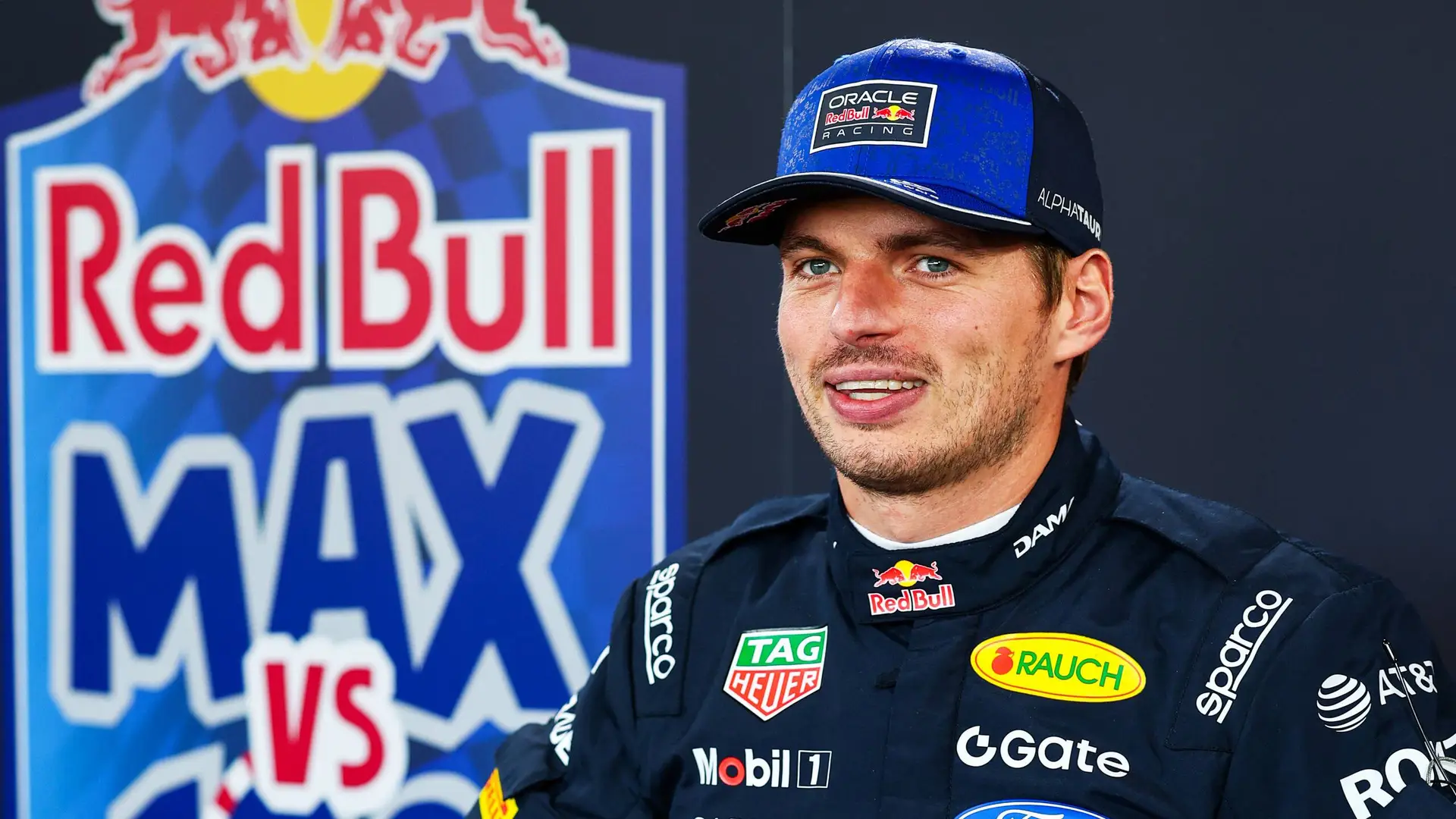
Laurent Mekies has revealed that Red Bull’s recent upgrades were not the deciding factor in Max Verstappen’s contract negotiations. Instead, discussions focused on the potential of the team’s chassis and engine projects, even while doubts remained over how quickly it could catch the frontrunners.
Verstappen committed to Red Bull until 2030 in August, bringing an end to months of uncertainty surrounding his future. McLaren had shown interest after Mercedes’ pursuit cooled, while the Dutchman had also considered whether to continue in Formula 1 at all.
His decision came during a challenging campaign for Red Bull. The RB22 struggled to match the leading cars in the opening rounds, leaving the team with ground to recover and questions over its competitive prospects.
Recent results have offered a much more encouraging picture. Verstappen finished just two tenths behind George Russell in Azerbaijan before securing his first victory of the season at Sepang.
However, Mekies has made clear that those improvements should not be mistaken for the argument that secured Verstappen’s signature.
ADVERTISEMENT
Red Bull were not banking on a breakthrough.
Asked whether the team had anticipated the impact of its upgrades, and whether that knowledge helped during negotiations, Mekies rejected the suggestion.
“The short answer is no,” he told the media. “We were not waiting for a magic upgrade that was supposed to come and bring us to the performance.”
The Red Bull team principal explained that the Baku package belonged to an established development programme. It was not presented internally as a sudden solution that would transform the team’s fortunes.
Although Red Bull knew further changes were coming, Mekies said there was still uncertainty during the contract discussions over whether the team could recover the final three tenths separating it from the pace it wanted to achieve.
ADVERTISEMENT
That admission puts Verstappen’s commitment in a different light. His decision was not based on Red Bull promising that one imminent upgrade would immediately restore its competitiveness.
The negotiations instead looked beyond the next race weekend and towards the work taking place across the organisation.
What Red Bull discussed with Verstappen
Mekies identified two areas at the centre of those conversations: the chassis department led by technical director Pierre Wache and the Red Bull Powertrains operation headed by Ben Hodgkinson.
The team believed both departments had significant scope to improve the overall package. Its Ford-backed engine project, still at an early stage, formed part of that longer-term outlook alongside development of the car itself.
ADVERTISEMENT
Rather than concentrating on individual components, Red Bull discussed where it believed more lap time could be found and how those opportunities could develop over time.
For Mekies, the distinction is important. The recent upturn in results reflects progress on track, but the negotiations concerned the underlying technical direction rather than a specific Baku or Sepang update.
Verstappen therefore committed while Red Bull still had unanswered performance questions. What the team put before him was its assessment of the potential within its chassis and power unit programmes, not the certainty of an immediate return to winning form.
Read also
ADVERTISEMENT
Don’t miss GPblog in Google
Mark us as a preferred source and our articles will appear more often at the top of Top Stories.
Add as a preferred / source on Google