
Shanna is a Formula 1 journalist at GPblog, specializing in both F1 and endurance and GT racing. With a Master’s degree in Journalism and experience at international circuits, she provides in-depth, reliable coverage and insights based on her presence at Grands Prix and racing events worldwide.
David Coulthard has raised doubts about the ADUO system the FIA uses to assess the balance of power between Formula 1 engines. Red Bull Ford was once again designated as the manufacturer with the strongest internal combustion engine, but according to the former F1 driver, that hardly tells the whole story. There’s one FIA decision in particular he doesn’t understand.
The FIA recently announced the results of the second ADUO period. Red Bull Ford Powertrains once again emerged as the benchmark in terms of the combustion engine. As a result, the manufacturer gets no additional development allowance, while rivals have been able to claim that based on earlier measurements. Coulthard finds it incomprehensible that the system looks specifically at the ICE and not the total package.
That puts Red Bull Ford at a significant disadvantage in this situation, he points out. "There’s an old saying in Formula 1 that aerodynamics is king. That’s always been a kind of mantra. We usually talk about aerodynamics before we talk about power itself," he says in Up to Speed. "There have been examples of teams that became world champions without the most powerful engine. But what feels to me like a missed opportunity — and this is how the FIA explained it — is that the teams asked for the simplest possible mechanism."
That ultimately led to the decision to look only at the combustion engine of the power unit. "For me, it’s not about whether it’s fair if everyone agreed to it. It’s more: why? It’s like setting a limit in athletics based on one body part, while in the actual competition you use your whole body," the Scottish ex-driver illustrates.

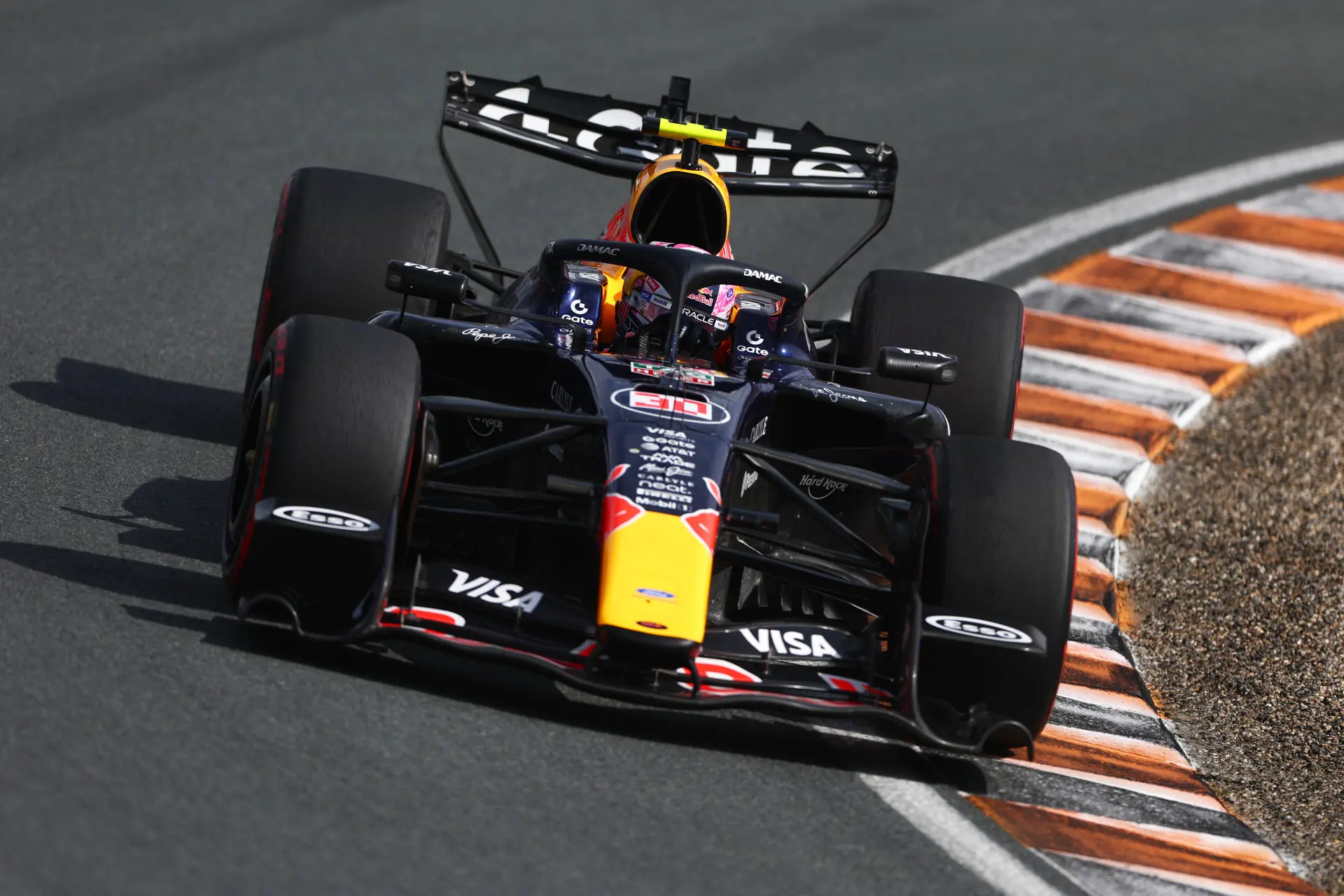
David Coulthard questions the entire ADUO system - Photo: Red Bull Content Pool
ADVERTISEMENT
Coulthard cites McLaren example
The fact that the teams themselves agreed to this approach doesn’t automatically make it the best way to determine the balance of power, according to Coulthard. Especially with the new generation of power units, the electrical component plays a much bigger role. "A power unit as a whole isn’t just about the combustion engine. It’s also about the electrical energy. For me, that’s really the point. It doesn’t seem like the fairest mechanism to assess a power unit’s performance, because it focuses only on the combustion engine," he says.
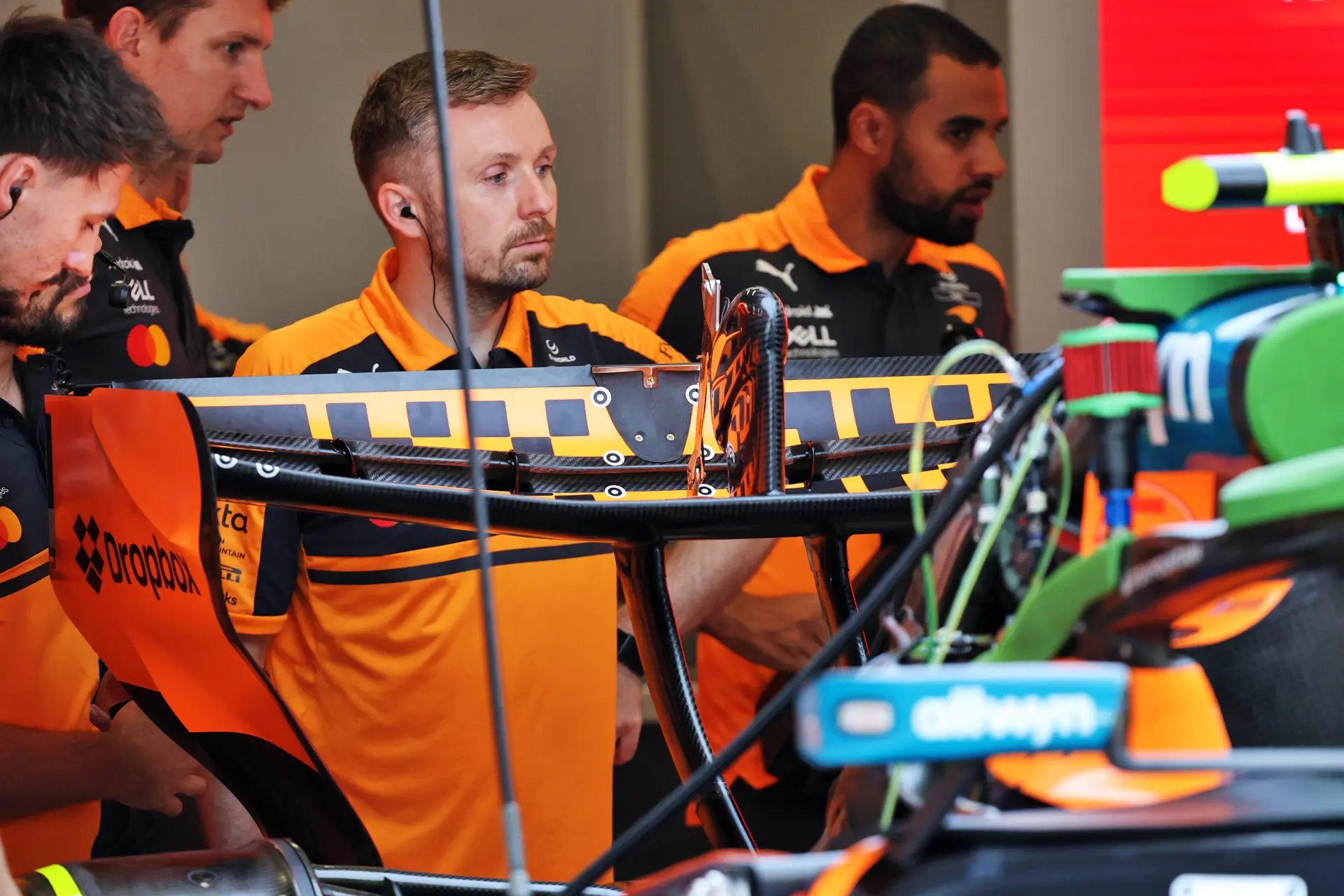
He wants to emphasize that the complexity of the electrical systems today is enormous, something drivers like Max Verstappen and Oscar Piastri have also made clear. "The combustion engine is one part of the power unit. Then, of course, you have deploying and recovering electrical energy. That’s tremendously complex," Coulthard continues. "We know from McLaren, for example, that at the start of the year they were frustrated. They received the same power unit, but they only got all the information about that power unit in the week before the race."

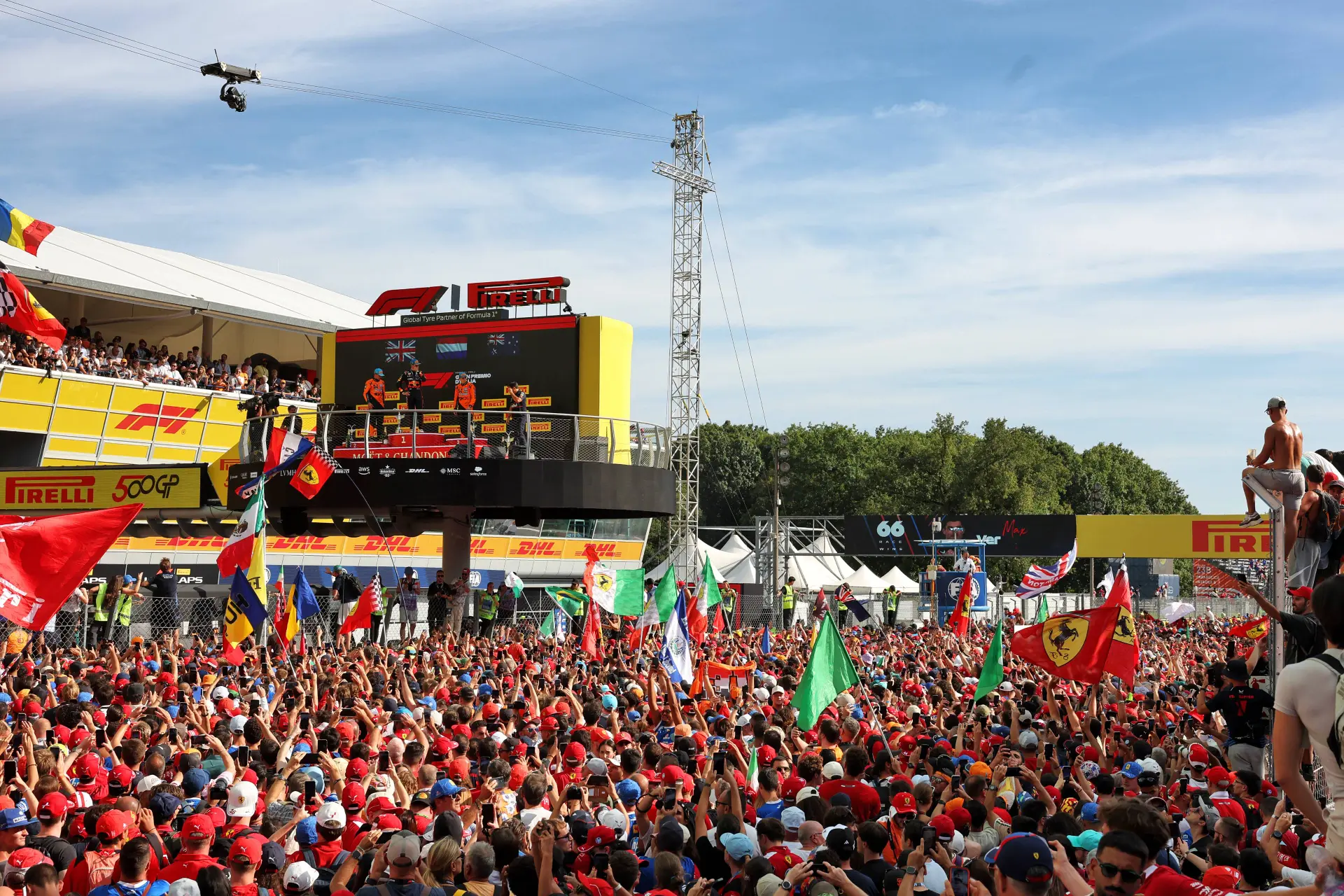
McLaren is finally starting to understand Mercedes’ power unit - Photo: Race Pictures
More outdated F1 rules
ADVERTISEMENT
The former Red Bull driver then broadens his criticism: according to him, there are several rules in Formula 1 that were once introduced for a clear reason, but which now may no longer fit the modern sport. "That whole system of grid penalties when you replace certain components was introduced when we were trying to make the sport more reliable. Because in my era, the engines were, frankly, often like hand grenades," Coulthard explains, who is not alone in his criticism.
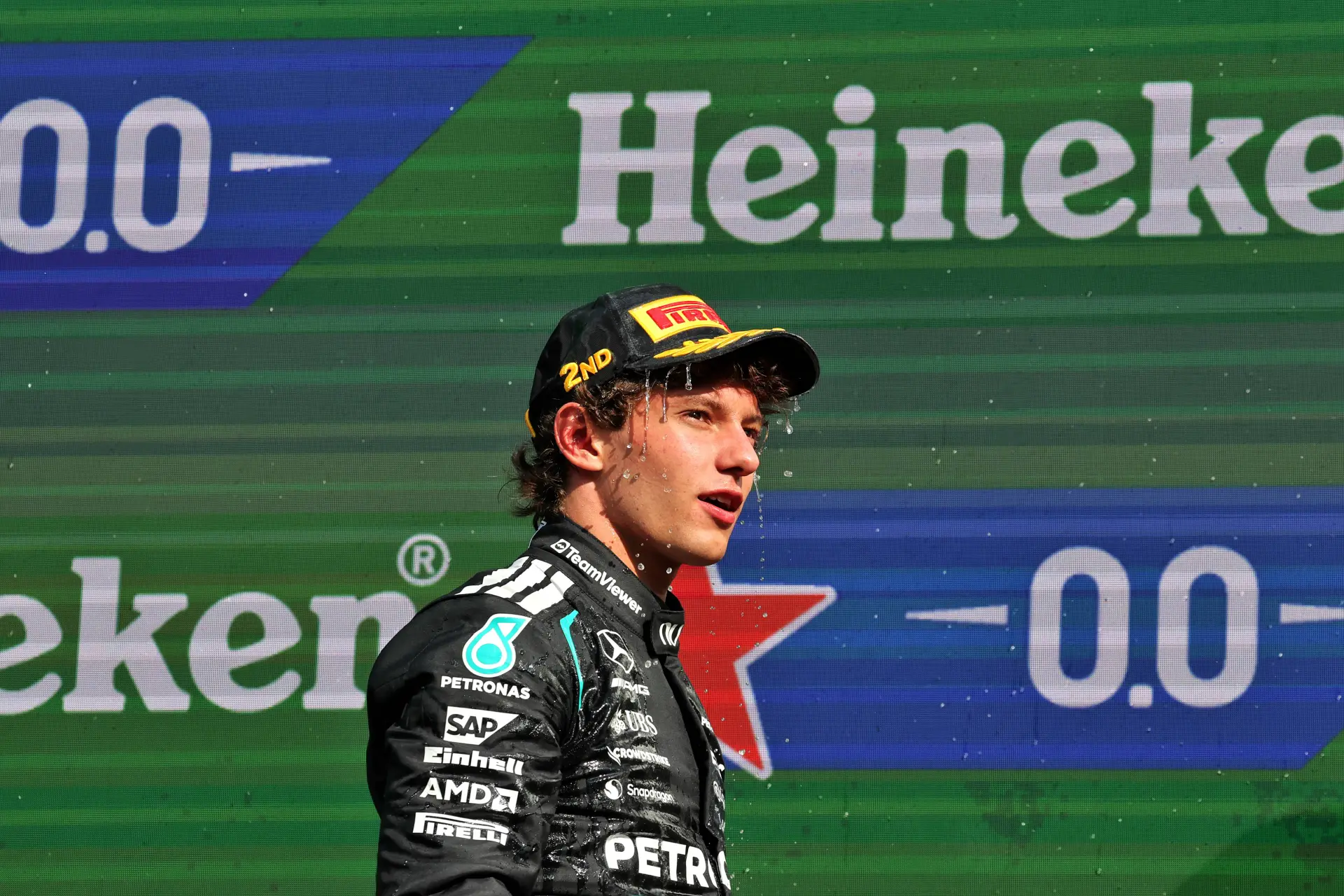
"It feels like we’re past that period now. If you’re an Italian who saved up to see Kimi Antonelli race, it might be exciting to watch him come through the field. And he’ll certainly move forward, but of course it becomes much harder for him to win the Grand Prix. There are a number of rules and regulations agreed by the FIA and the teams that are probably outdated by now."

Don’t miss GPblog in Google
Mark us as a preferred source and our articles will appear more often at the top of Top Stories.
Add as a preferred / source on GoogleRead more about:
latest news




Italian Grand Prix
Overview
Friday 04.09.26
Practice 1
10:30 AM
Practice 2
02:00 PM
Saturday 05.09.26
Practice 3
10:30 AM
Qualification
02:00 PM
Sunday 06.09.26
Race
01:00 PM
Friday 04.09.26
Practice 1
Fri 10:30 AM
Practice 2
Fri 02:00 PM
Saturday 05.09.26
Practice 3
Sat 10:30 AM
Qualification
Sat 02:00 PM
Sunday 06.09.26
Race
Sun 01:00 PM
Times are in your local timezone
Popular on GPBlog

1
Hamilton and Antonelli called up by the FIA at the Italian Grand Prix
3257 times read

2
F1 Today | Red Bull get their man as Ferrari release a striking livery for the Italian GP.
3246 times read

3
Mekies shifts Red Bull away from 'Verstappen-first' approach as Hadjar 2027 deal expected soon
710 times read

4
F1 fans stunned by bizarre Monza trophy: ‘What is that?’
509 times read
F1-stand 2026
Season
| Pos. | Driver | Team | Points |
|---|---|---|---|
1 | MercedesMER | 242 | |
2 | MercedesMER | 183 | |
3 | FerrariFER | 183 | |
4 | McLarenMCL | 159 | |
5 | FerrariFER | 155 | |
6 | Red Bull RacingRBR | 112 | |
7 | McLarenMCL | 104 | |
8 | Red Bull RacingRBR | 68 | |
9 | Racing BullsRCB | 49 | |
10 | AlpineALP | 44 |
Loading