FIA considers bringing refuelling back to F1: 'This is what we are studying right now'
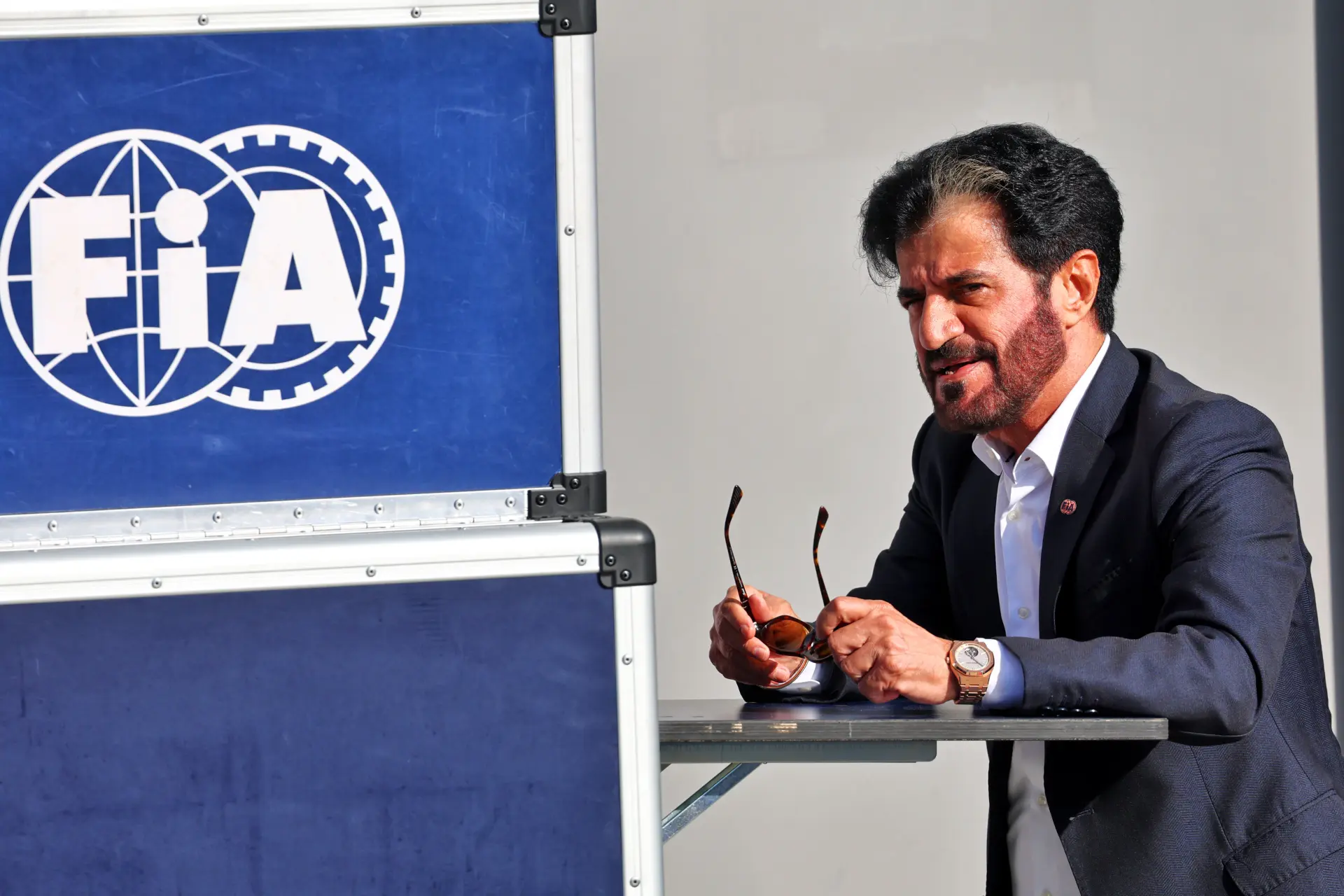
Photo: Race Pictures
Tobia is a Formula 1 journalist at GPblog with experience at international circuits. Since 2022, he has covered Grands Prix across Europe, delivering reliable coverage and insights from the paddock.
FIA president Mohammed Ben Sulayem has revealed that, alongside the ambition to bring V8 engines back to Formula 1 under the next set of regulations, discussions are also taking place over the possible return of in-race refuelling.
Formula 1 refuelling return under FIA consideration
Although it has long since disappeared from Formula 1, there was a time when stopping to refuel and spending several seconds stationary in the pit box was a routine part of every race. The practice also led to dramatic incidents on occasion, including the fire involving Jos Verstappen during a Benetton pit stop at the 1994 German Grand Prix.
After being banned from 1984 to 1993, refuelling returned to Formula 1 between 1994 and 2009 before being permanently outlawed again from 2010 onwards, leading to the pit stops as they are known today.
Speaking to, among others, The Race, Ben Sulayem revealed that the FIA is currently studying different refuelling scenarios, including how much fuel cars would start the race with and whether drivers would need to make pit stops to take on more fuel.
ADVERTISEMENT
"How much you start with, how much you fill, this is what we are studying right now. Of course, if you want to run the whole race, you have to have a bigger tank, or you have to stop. So this is something that we are going to look into."
Addressing the safety concerns surrounding the possible return of refuelling, Ben Sulayem insisted he does not see it as an issue if it is introduced properly. He stressed that the FIA is still evaluating the proposal and that no decisions have been taken at this stage: "It's not a concern if you do it in the right way. We are studying this and nothing has been done yet."

Photo: Race Pictures
Good news for Verstappen: FIA eyes return of iconic V8 engine
Ben Sulayem has reiterated his vision for Formula 1's future, centred around a return to V8 engines, lighter cars and the introduction of an independent engine supplier. The FIA president believes simplifying the power units would make the championship more attractive while significantly reducing development costs compared to the current hybrid technology.
ADVERTISEMENT
Under the proposed plans, removing much of the electrical component would also reduce the weight of the cars by around 100 kilograms, something Ben Sulayem sees as a benefit for both performance and safety. He also argued that an independent engine supplier would prevent manufacturers from using customer teams as leverage, creating a more level playing field across the grid.
The FIA president further believes that lower engine development costs could encourage more manufacturers to enter Formula 1. He pointed to the growing interest from teams in producing their own power units and suggested the proposed changes could attract additional engine suppliers in the future.

Don’t miss GPblog in Google
Mark us as a preferred source and our articles will appear more often at the top of Top Stories.
Add as a preferred / source on Google