
Nicole MulderManaging Editor
Nicole Mulder is Managing Editor at GPblog and a specialist in Formula 1 and MotoGP. With years of experience and permanent FIA accreditation at Grands Prix worldwide, she delivers reliable coverage and insights based on direct access to drivers and the F1 paddock.
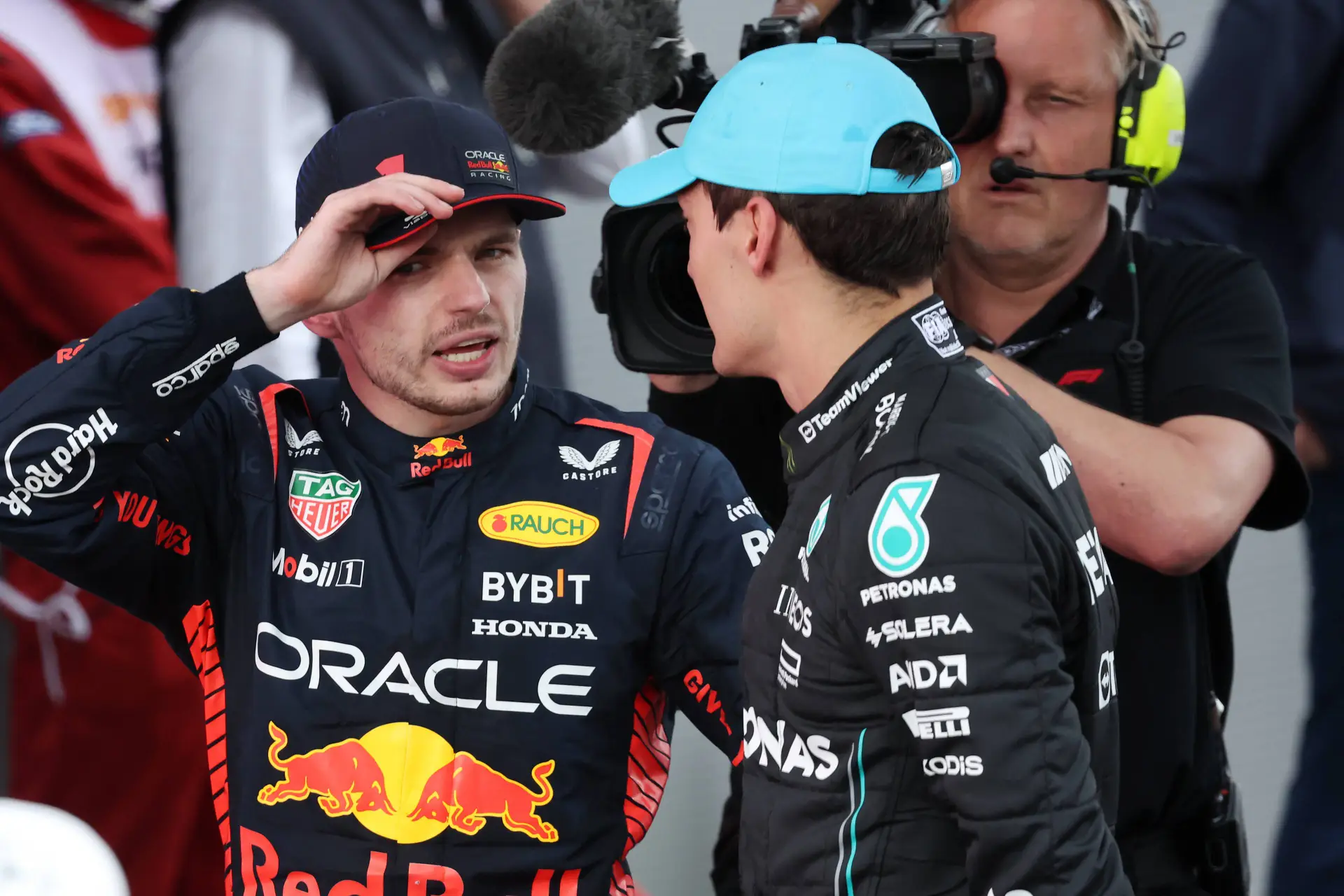
Max Verstappen and George Russell are on different sides in the debate over cooling vests in Formula 1. The Dutchman wants nothing to do with them, while his Red Bull Racing teammate Isack Hadjar goes even further, claiming it should be banned. Russell, on the other hand, would like to see their use made mandatory. Opinions among the other F1 drivers also vary widely, as became clear during the Grand Prix weekend in Singapore.
Verstappen has made it clear on several occasions that he is not a fan of cooling vests. In Singapore, the four-time world champion once again explained why he prefers to race without one. “For me it's not needed. Yes, it's hot, but it's not a sauna. And with this cooling vest, have these stupid cables in your car, so it's just limiting your movement as well,” the Red Bull driver told, among others, GPblog.
The system’s limited effectiveness is another reason Verstappen chooses not to use it: “I don't need it. Even if it would work for one and a half hours, like cool, cool, I don't need it. It doesn't work anyway for one and a half hours. I've never... I think in any category that it has worked for one and a half hours.”
Although several drivers support the cooling vest, its limited operating time is a point that comes up repeatedly.
Verstappen and Russell are not on the same page
ADVERTISEMENT
Russell sees the system very differently. The Mercedes driver would like to wear the cooling vest virtually every weekend, except at races where temperatures are extremely low.
"I mean, I'd race it every weekend bar, you know, your Vegases and tracks that are really cold. I definitely see a benefit in it. I really like it, yeah.,” said the Briton. According to Russell, the impact of cockpit heat on a driver’s performance is underestimated. He points to the physical problems drivers have experienced during previous races and believes the teams and the FIA should work together to provide a reliable system.
"For me it's not needed. Yes, it's hot, but it's not a sauna. And with this cooling vest, have these stupid cables in your car, so it's just limiting your movement as well."- Max Verstappen on cooling vests in Formula 1
“I guess just collectively between the teams and the FIA, we need to find a way to make it work,” Russell said. The Mercedes driver believes cooling vests should eventually become mandatory for all drivers, although he acknowledges that the current systems do not function equally well everywhere.
His teammate’s experience is a good example. Kimi Antonelli says his cooling vest malfunctioned during a session last year and subsequently pumped water at fifty degrees Celsius around his body. Since then, he has preferred to rely on his own physical preparation until the system is reliable enough in his view.
ADVERTISEMENT
Hadjar agrees with Verstappen and calls for a ban
While Russell is calling for greater use of cooling vests, Isack Hadjar wants the opposite. Verstappen’s teammate believes the systems should disappear from Formula 1 altogether. “I think it should be banned,” the Frenchman said in Singapore.
Like Verstappen, Hadjar believes the physical challenge is simply part of the sport. “It’s supposed to be tough,” the Red Bull driver added.
“I think it should be banned.”- Isack Hadjar on cooling vests in Formula 1
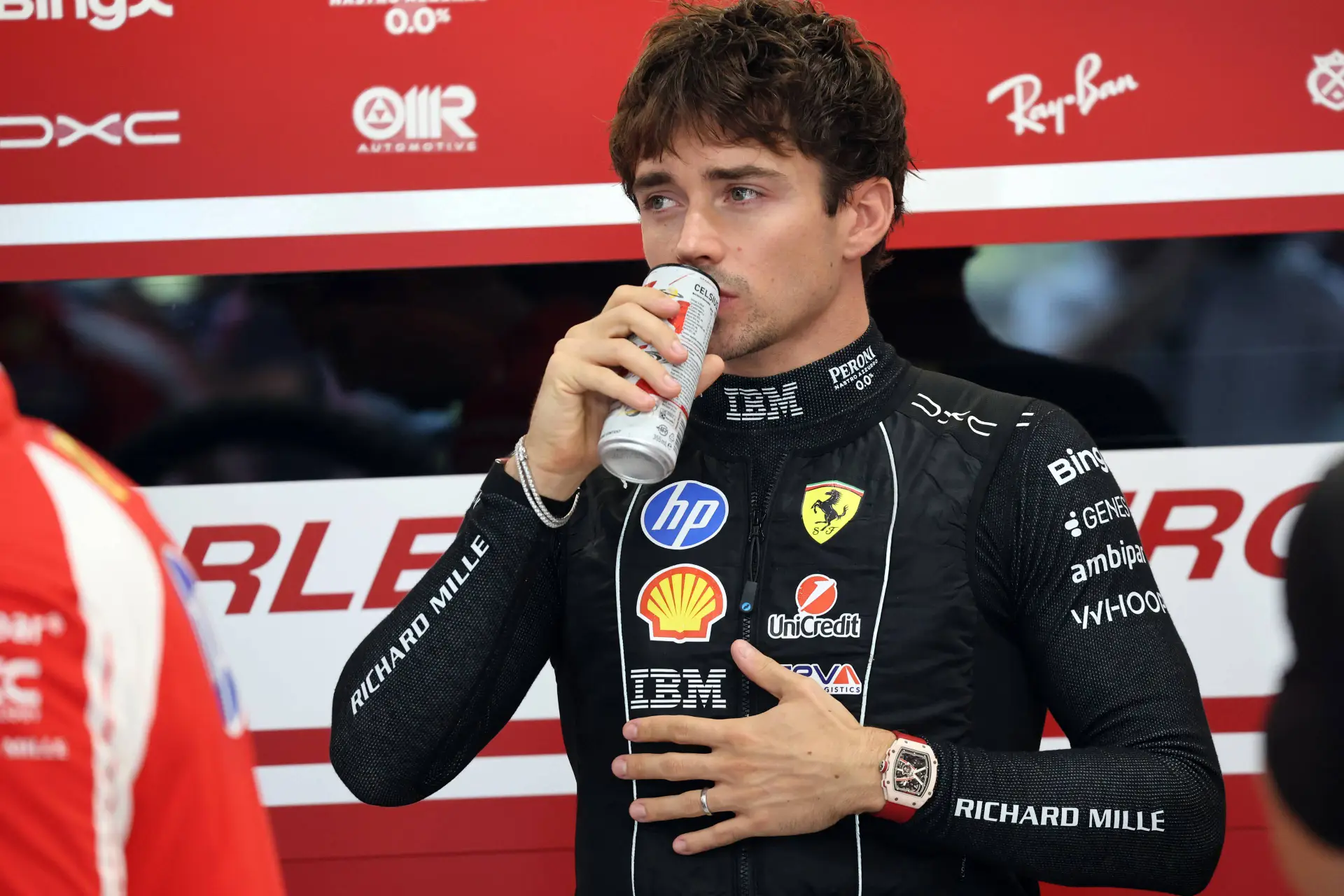
Charles Leclerc, Carlos Sainz, Alex Albon and Esteban Ocon have also joined the debate, although they take a more positive view of the system. Still, Verstappen’s comment about the system’s operating time has also been echoed by several of them. Leclerc, for example, says Ferrari’s cooling vest works effectively for around fifteen to twenty laps. He would like the cooling to last longer, but believes that even this limited benefit is worthwhile.
ADVERTISEMENT
Williams has had better experiences. Sainz calls the cooling vest one of the developments his team has handled well this year. He and Albon are satisfied with the comfort it provides in the car.
Albon also emphasizes that cockpit temperatures can vary significantly from team to team. In his view, it is therefore too simplistic to say that some drivers are physically better able to cope with the heat than others. Ocon also sees benefits, although he too notes that the cooling vest does not last for an entire race.
Why do opinions differ so widely?
The varying experiences are partly due to technical factors. The cooling vest consists of a garment fitted with thin tubes through which cooled liquid flows. The cooling unit is located inside the car and must continue functioning under extreme conditions. It has to meet certain FIA requirements, but beyond that, it is up to the F1 teams to implement it properly.
Not every team has an equally effective solution. The installation has to fit within the limited space of a Formula 1 car and must not bother the driver. In addition, the system needs sufficient cooling capacity to remain effective throughout a long race. This may explain why Sainz and Albon are satisfied, while Antonelli has experienced problems and Verstappen questions the system’s operating time, comfort and overall necessity.
ADVERTISEMENT
F1 budget cap also plays a role
Russell explained that although the cooling vest is excluded from the cost cap, it still takes resources away from something else. He would prefer the FIA to intervene and believes teams can simply copy and paste a system that works well.
For the Singapore Grand Prix, the FIA once again declared a heat hazard. Teams must have the prescribed cooling provisions in their cars, but drivers may decide for themselves whether they actually wear the vest. Those who choose not to wear it must carry an additional half a kilogram of ballast in their car.
Read also

ADVERTISEMENT
Don’t miss GPblog in Google
Mark us as a preferred source and our articles will appear more often at the top of Top Stories.
Add as a preferred / source on Google