The biggest regulatory loopholes exploited in modern Formula 1 history
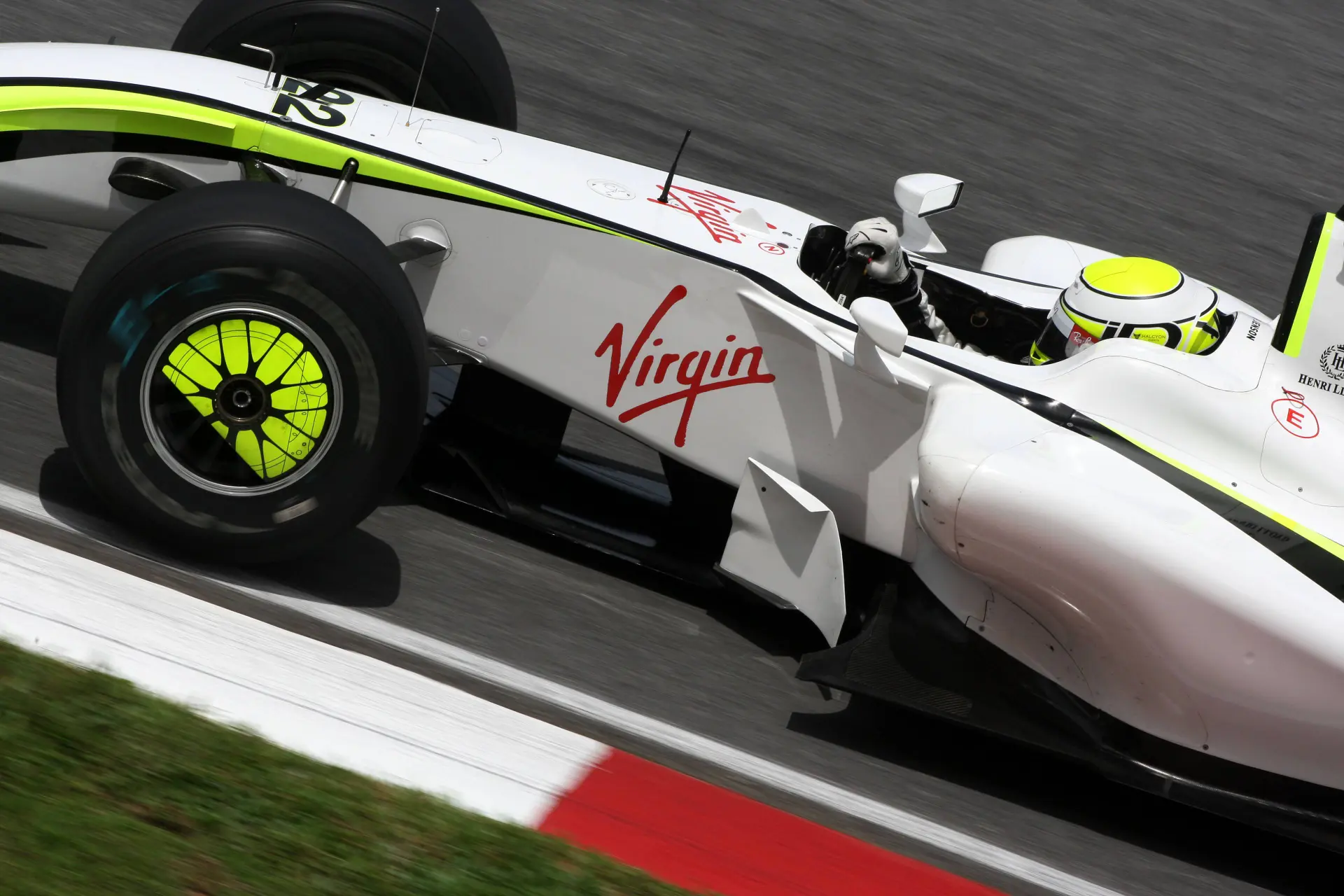
Photo: Race Pictures

Tobia is a Formula 1 journalist at GPblog with experience at international circuits. Since 2022, he has covered Grands Prix across Europe, delivering reliable coverage and insights from the paddock.
There has been plenty of talk about the alleged engine loophole Mercedes may have found in the 2026 regulations, but what are the most famous examples from recent F1 history?
Mercedes are said to have devised a clever workaround to sidestep the compression-ratio limit — which from next season will be capped at 16:1 rather than 18:1 — by exploiting the fact that checks will be carried out at ambient temperature rather than with the engine running, allowing teams to take advantage of the thermal expansion of materials such as connecting rods and pistons.
That could deliver a significant power gain in terms of horsepower, translating directly into lap time and a competitive edge over rival manufacturers.
Formula 1 is full of examples where regulatory loopholes have gone on to create outright periods of dominance, with solutions later either banned or revived — and the past 15 years offer a clear illustration of that trend.

Photo: Race Pictures
ADVERTISEMENT
2009: Brawn GP's double diffuser trick
Widely regarded as the most influential loophole of the modern Formula 1 era, the double diffuser effectively rewrote the competitive order of an entire season. Acquired for just one pound from the departing Honda, Ross Brawn’s project was one few would have backed, yet it would soon give its name to the team and ultimately become Mercedes the following year.
In 2009, the Brackley-based engineers devised a solution that turned the BGP-001 into a formidable weapon in the hands of Jenson Button and Rubens Barrichello, at least until the concept was exposed and rapidly copied by rival teams.
By interpreting regulation-mandated holes and openings — intended for structural and cooling purposes — as secondary aerodynamic channels, Brawn created a second expansion plane within the diffuser.
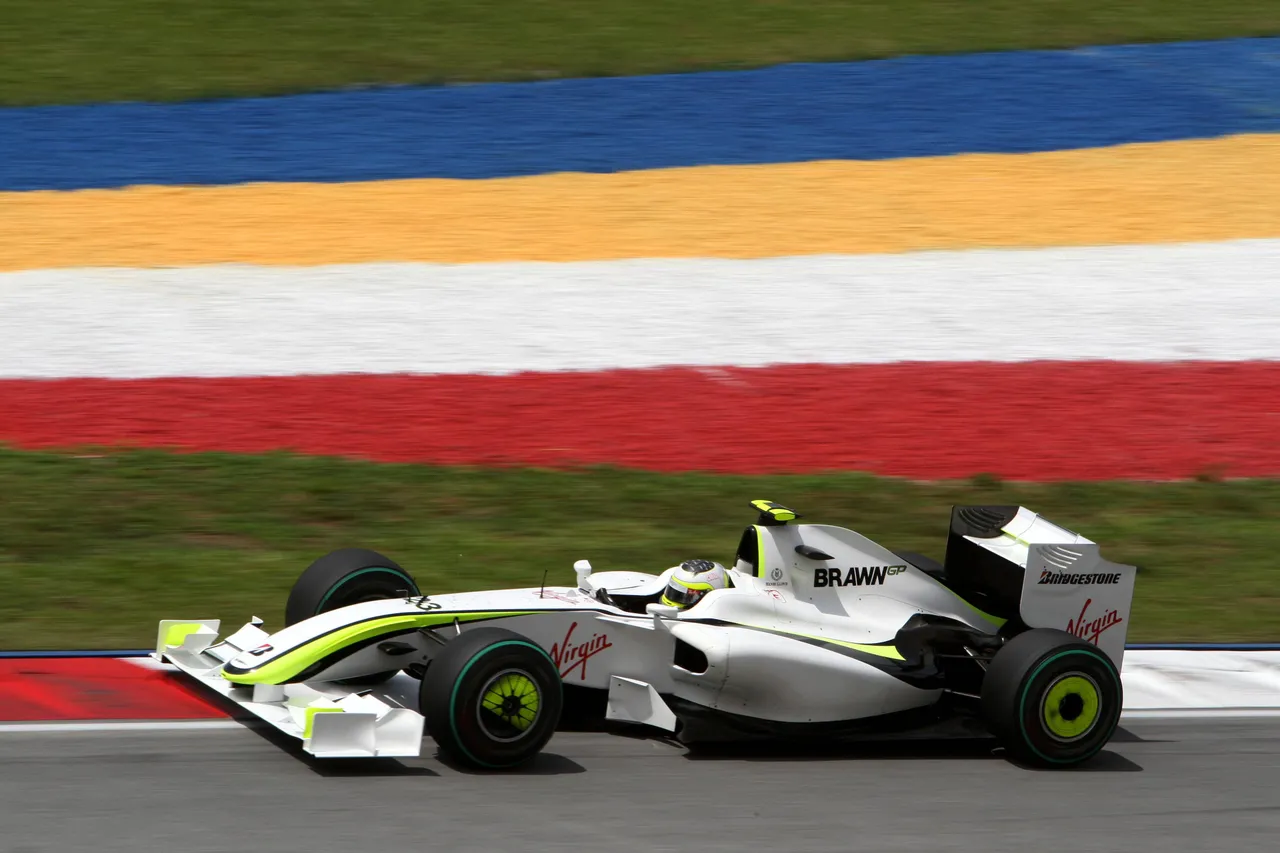
Jenson Button driving his BGP-001 - Photo: Race Pictures
ADVERTISEMENT
The result was higher airflow speed under the car, improved floor sealing and greater stability in slow- and medium-speed corners. In an era without DRS and with tyres highly sensitive to downforce, the gain was decisive, delivering a dramatic increase in airflow extraction from the floor and therefore significantly more downforce without any drag penalty, all while remaining formally within the letter of the regulations.
Despite complaints from rival teams, the FIA ultimately deemed the system legal, noting that the regulations did not explicitly prohibit that interpretation and that the diffuser sections complied with the prescribed dimensions. The key decision was that the loophole would only be closed from 2010 onward, with no retroactive ban applied.
2010: McLaren’s F-duct system predates DRS introduction
McLaren’s F-duct was an ingenious airflow system built into the MP4-25 that allowed the driver to deliberately stall the rear wing on the straights, dramatically cutting drag. The concept relied on an internal duct that redirected airflow to the rear wing when the driver covered a small opening inside the cockpit, using a hand or even a knee.
Once that inlet was blocked, the airflow was diverted onto the wing, disrupting the laminar flow and causing a sudden loss of downforce. At a time when DRS did not yet exist and rear wings were fixed, teams were desperately searching for ways to increase top speed without sacrificing cornering performance.
ADVERTISEMENT
McLaren’s solution ticked both boxes, exploiting a regulatory grey area surrounding active aerodynamics and delivering a significant straight-line advantage. The solution was deemed legal for the 2010 season and was banned from 2011 onwards with the introduction of DRS.
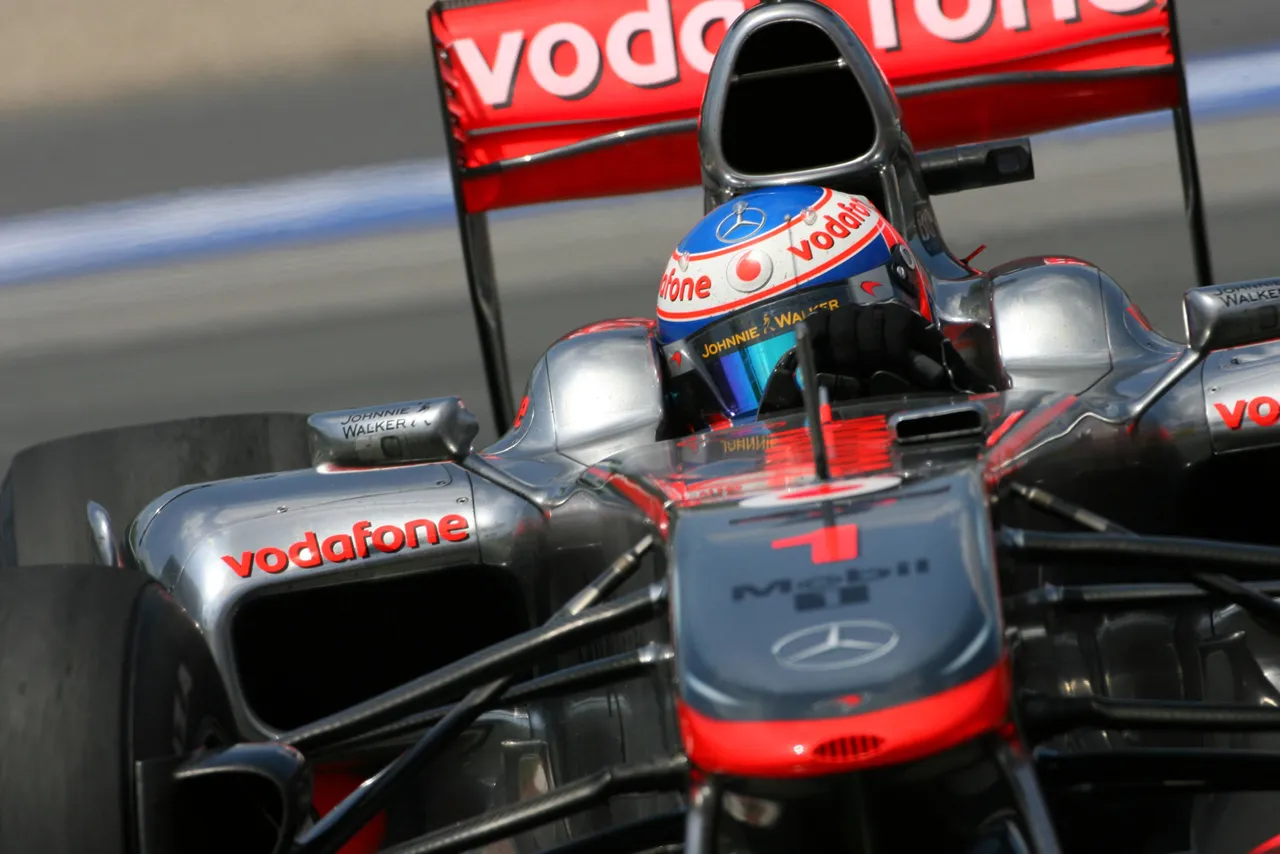
Jenson Button with his McLaren MP4-25 - Photo: Race Pictures
2019: Ferrari’s SF90 engine delivers unrivalled straight-line speed
Ferrari’s 2019 campaign was a difficult one until the summer break, but from Spa onwards the SF90 took a clear step forward, immediately catching the attention of rival teams thanks to its staggering straight-line speed. That performance surge allowed Charles Leclerc to claim the first two victories of his career in back-to-back races at Spa and Monza.
Over that stretch, Ferrari appeared to enjoy a power advantage of several dozen horsepower over Mercedes and Red Bull, prompting rivals to openly suggest the existence of a regulatory grey area. The most credible — though never officially confirmed — explanation was that Ferrari was exploiting oscillations in the fuel-flow sensor, briefly injecting extra fuel in micro-intervals without breaching the average value measured by the system.
ADVERTISEMENT
This would have delivered more energy from combustion without formally exceeding the limit, boosting internal combustion engine output, improving ERS energy recovery and enabling more aggressive qualifying modes.
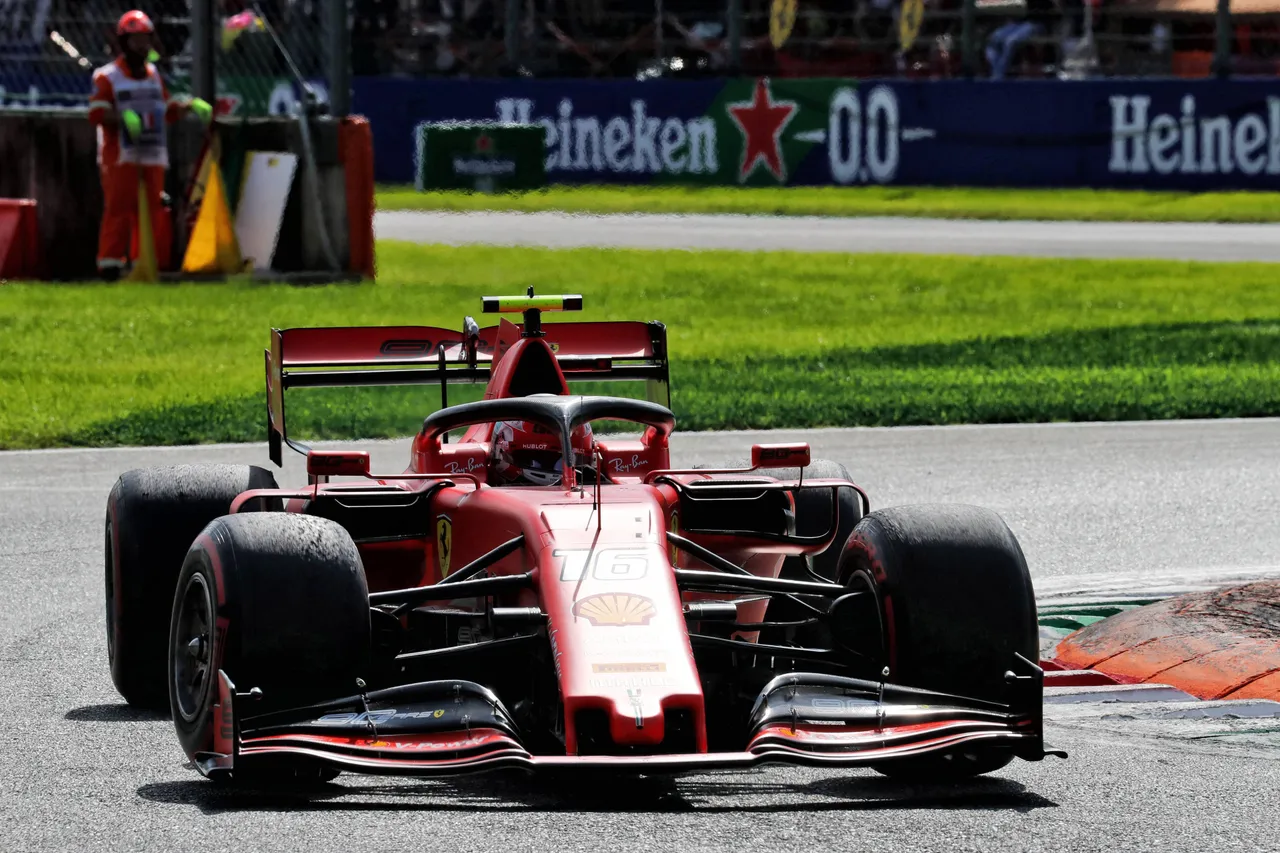
Charles Leclerc in Monza in 2019 - Photo: Race Pictures
The FIA responded in the second half of 2019 with a Technical Directive clarifying that the maximum fuel flow could not be exceeded at any point in time, introducing a second sensor and outlawing any interpretation. From that moment on, Ferrari’s performance dropped noticeably.
In February 2020, the FIA announced a confidential agreement with Ferrari, after which the team lost much of its engine advantage, indirectly confirming that the loophole was no longer exploitable, with no public admission of guilt, no retroactive penalties and a technical commitment to close the grey area. It was no coincidence that the Maranello-based outfit went on to endure one of the most disastrous seasons in its recent history, miles off Mercedes’ pace and without a single victory to its name.
2024: flexi-wing controversy erupts in Formula 1
ADVERTISEMENT
The most recent loophole-related controversy involved McLaren and its flexi-wings, a topic that dominated much of the 2024 season — particularly from the Azerbaijan Grand Prix onwards — after onboard footage from Oscar Piastri’s and Lando Norris’s cars on the straights drew widespread attention.
With ground effect back at the heart of Formula 1, the FIA mandated wings that were formally rigid, backed up by strict static deflection tests and minimal tolerances under predefined loads. The issue, however, lies in the fact that these components are tested while stationary, whereas on track they are exposed to dynamic loads, vibrations and highly non-linear airflow.
On the MCL38, McLaren’s rear wing complied with every FIA test but gradually deformed on the straights, reducing its angle of incidence. The result was lower drag and higher top speed, with downforce effectively returning under braking and through corners — in essence, a form of passive DRS achieved without moving parts or actuators. The FIA responded by ramping up the frequency of inspections, introducing tougher tests and progressively updating its Technical Directives.
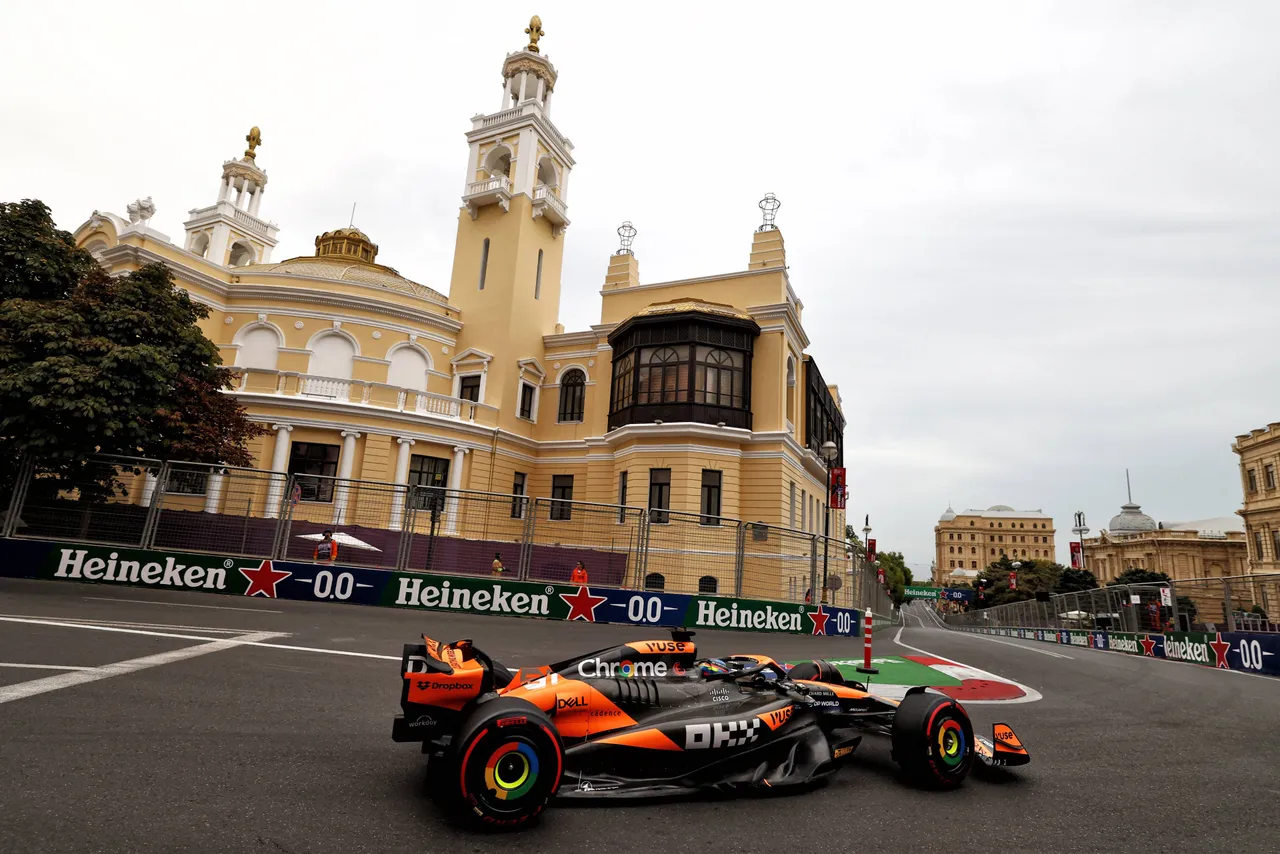
Photo: Race Pictures
Read also


ADVERTISEMENT
GPblog's latest F1 Paddock Update
Want to stay up-to-date with what happens in the F1 paddock? Then GPblog's F1 Paddock Update video is the perfect way to do it. Subscribe to GPblog's YouTube channel and turn on notifications to never miss the latest episodes.
Read also

ADVERTISEMENT
Don’t miss GPblog in Google
Mark us as a preferred source and our articles will appear more often at the top of Top Stories.
Add as a preferred / source on Google