Starting trouble - Why Verstappen could face a major problem in 2026
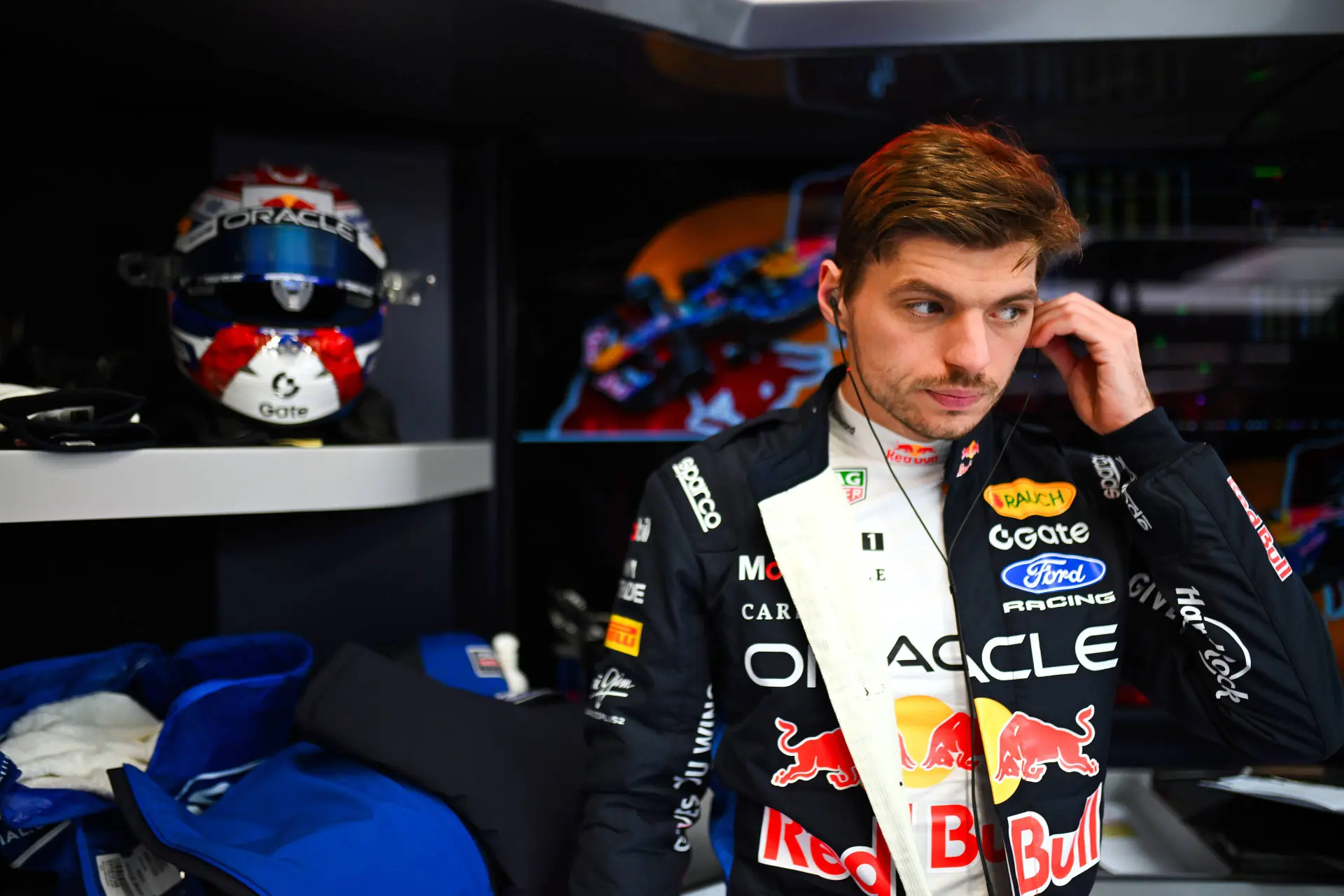
Photo: Red Bull Content Pool
Updated:
38 Comments

Nicole MulderManaging Editor
Nicole Mulder is Managing Editor at GPblog and a specialist in Formula 1 and MotoGP. With years of experience and permanent FIA accreditation at Grands Prix worldwide, she delivers reliable coverage and insights based on direct access to drivers and the F1 paddock.
During the first test week in Bahrain, one element stood out that could pose a major problem for all drivers—including Max Verstappen—in the opening Formula 1 races of 2026. It was therefore a hot topic among drivers and team principals in the paddock: the starts.
Watching at the end of the pit lane, where the F1 drivers practiced their starts during the test days, the difference from last year is clearly noticeable. Drivers often remain stationary for a good 20 seconds while flooring the throttle to build up revs (also known as revving). As fantastic as it sounds—especially given the louder and higher-pitched note produced by the new engines—it’s clear that starts are already a sore point.
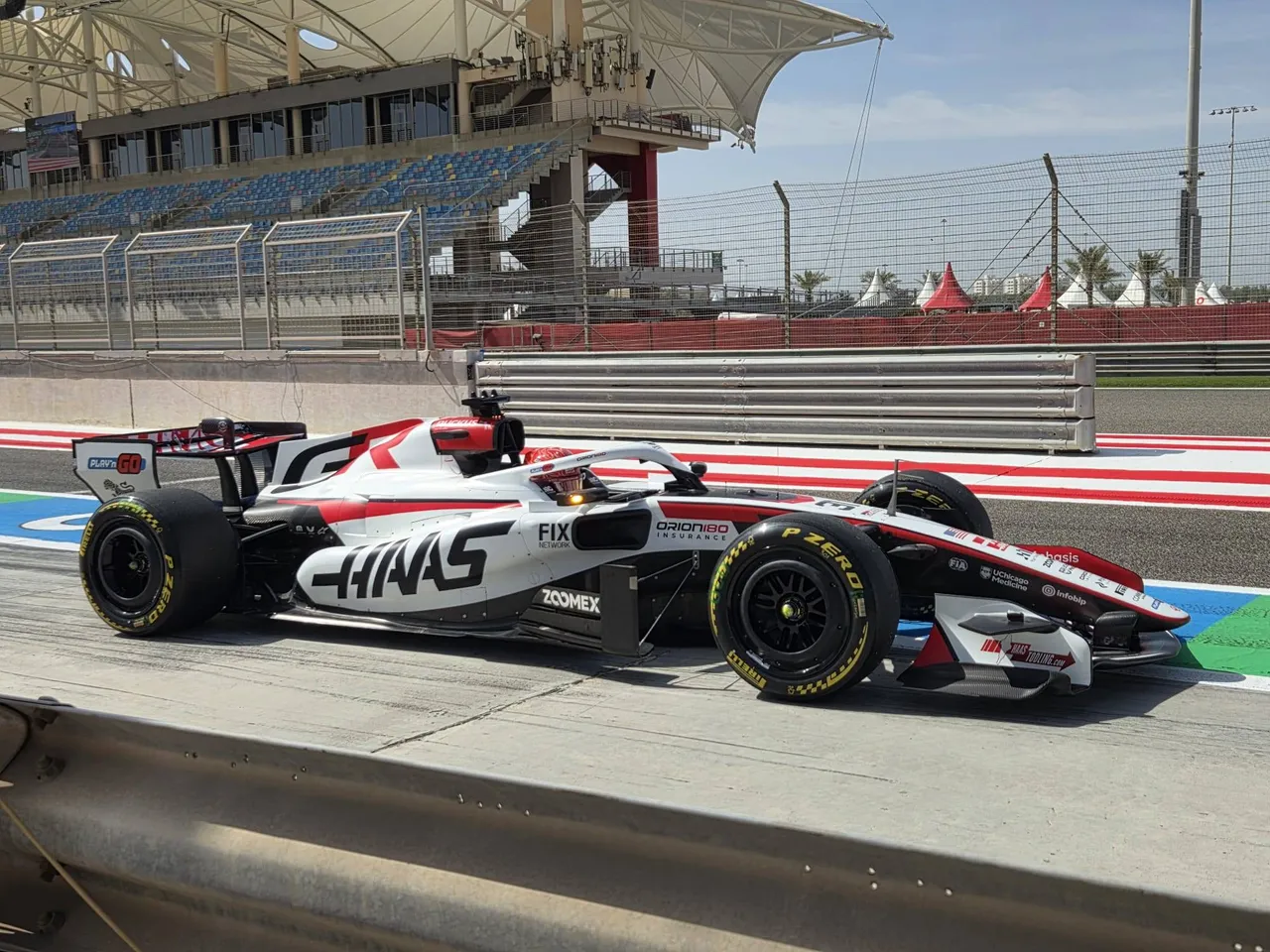
Esteban Ocon during a practice start in Bahrain - Photo: GPblog
The start procedure has become more complicated—and thus less predictable. Drivers must hold the revs longer before full power becomes available. That can make a big difference when the lights go out: Formula 1 drivers who don’t yet have their engine’s full power at their disposal may get off the line more slowly than others. Most drivers therefore agree that the first Grands Prix of the season—especially the season-opener in Melbourne—will have a chaotic start.
This was clearly evident during the final practice start on the grid on Friday, which descended into chaos. Several drivers were still stationary while others had to steer around the slower cars, and Franco Colapinto only just managed to keep his Alpine out of the wall before launching from his grid spot.
ADVERTISEMENT
Chaos expected at Grand Prix starts
Pierre Gasly advises everyone to be glued to their screens for the first start of the year in Australia. Asked by GPblog what he expects from the starts in the first races of the season, a telling smile appears on his face. “Well, I advise you to be sitting with your TV on in Australia, because [it] could be one that everybody remembers,” says the Alpine driver.
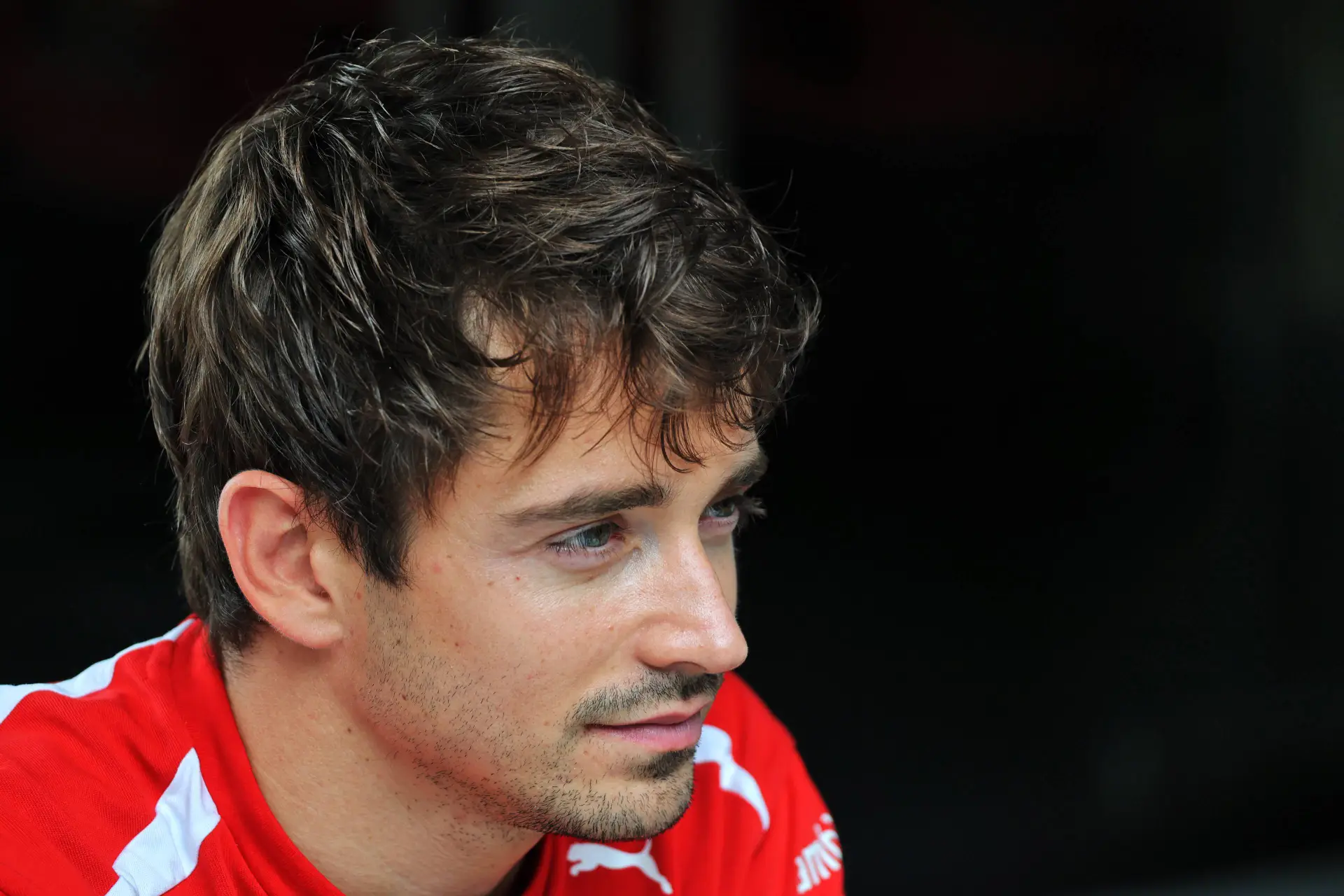
Charles Leclerc also sees a lot of uncertainty around the starts. According to the Ferrari driver, it’s impossible in a simulation to fully predict what happens when twenty cars launch at the same time. “Yes, I expect some chaos,” he says answering a question from GPblog.
“Overtaking is going to be a big challenge. I think there are still many question marks. Yes we try to simulate as many situations as possible, but nothing will simulate just the unpredictability that you find yourself in when there's a race start. You are not anymore in control of your line, of the way you drive, of your speed traces because you are a bit in your enemy's hands."
McLaren team principal Andrea Stella also points to safety risks. “I have three elements that in terms of racing I think deserve quite a lot of attention. One is the race start,” he says. According to the Italian, cars must be prevented from leaving the line sluggishly because the engine isn’t ready yet.
ADVERTISEMENT
"We need to make sure that the race start procedure allows all cars to have the power unit ready to go, because the grid is not the place in which you want to have cars slow in taking off the grid."

Charles Leclerc also expects chaos at the start in Melbourne - Photo: Race Pictures
A major challenge for F1 drivers
Where starts in Formula 1 are mainly about clutch, traction, and reaction, an extra factor will soon be added: getting the turbo in the optimal window at the right time. That’s done by keeping the revs high beforehand, but in practice that process is taking longer than expected.
Valtteri Bottas describes how tricky that is, as revs don’t always match the perfect revs for the start. In other words, drivers have to apply throttle to get the turbo up to speed while simultaneously maintaining the ideal launch rpm. That requires a completely different approach from what they’re used to.
ADVERTISEMENT
The Finn stresses to GPblog that everyone is still in a learning phase in this area and expects improvements in time. “So for now, first of all, we need to stay on the whole revs for a long time, almost 10 seconds to get the turbo spinning properly.”
Only when the turbo is up to speed does the extra power arrive. “And when it starts to come, then, of course, you get more revs and you've got to adjust your throttle. But these things, we will find solutions. It will become more consistent.”
It’s precisely that timing that could cause problems. After all, the lights don’t go out at the exact moment the turbo is fully ready. If you start building revs too early, you lose control of the launch. If you start too late, you lack power when everyone pulls away. Bottas is particularly concerned about the back of the grid and whether those drivers will have enough time to get the turbo spooled when the lights go out, but the practice start on the grid showed that it’s going to be difficult not just for those at the back, but across the entire grid.

Don’t miss GPblog in Google
Mark us as a preferred source and our articles will appear more often at the top of Top Stories.
Add as a preferred / source on GoogleRead more about:
latest news

Bahrain Grand Prix
Overview
... ...
Practice 1
...
Practice 2
...
... ...
Practice 3
...
Qualification
...
... ...
Race
...
... ...
Practice 1
...
Practice 2
...
... ...
Practice 3
...
Qualification
...
... ...
Race
...
Times are in your local timezone
Rumors
Popular on GPBlog
1
Lando Norris reveals why he skipped karting with F1 drivers
1837 times read
2
FIA reaches verdict on Hamilton following Bortoleto impeding incident in FP2
1665 times read
3
Hamilton gives first indication of Ferrari’s true pace after Bahrain GP FP2
1026 times read
4
Verstappen sends warning to Mercedes in race simulations as Ferrari waits
1023 times read
F1-stand 2026
Season
| Pos. | Driver | Team | Points |
|---|---|---|---|
1 | MercedesMER | 302 | |
2 | MercedesMER | 236 | |
3 | FerrariFER | 199 | |
4 | McLarenMCL | 186 | |
5 | FerrariFER | 179 | |
6 | Red Bull RacingRBR | 163 | |
7 | McLarenMCL | 120 | |
8 | Red Bull RacingRBR | 86 | |
9 | Racing BullsRCB | 59 | |
10 | AlpineALP | 41 |
Loading