24 Hours of Nürburgring prize money: why the real reward doesn’t fit on a cheque
Updated:
0 Comments

Tim Kraaij is Editor-in-Chief of GPblog.com and a Formula 1 analyst. With permanent FIA accreditation and direct access to the paddock, he delivers in-depth, data-driven analysis and insight into key developments within the sport.
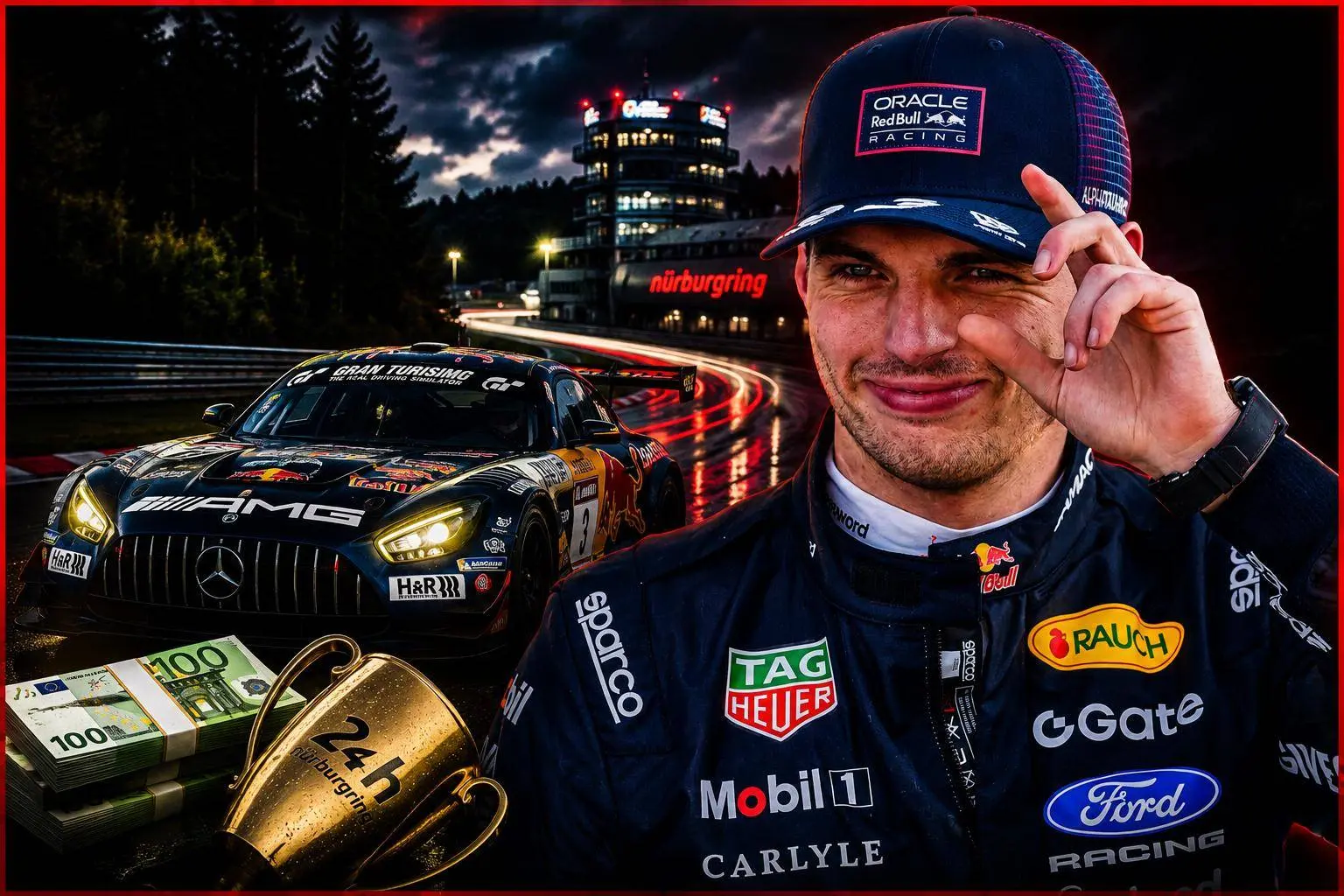
A victory in the 24 Hours of the Nürburgring doesn’t come with a multi-million check. The ADAC deliberately does not publish the official prize money, and the amount the winner actually receives is out of proportion to the cost of a GT3 entry. Still, manufacturers like BMW, Porsche, Audi, Mercedes-AMG, and Ferrari pour millions into a single weekend of racing on the Nordschleife — and if Max Verstappen triumphs this weekend with the Winward Mercedes-AMG, his reward won’t be expressed in euros, but in something far more valuable.
The official prize money: modest and deliberately invisible
The amount the ADAC actually pays to the overall winner is never published. What is known from conversations with team managers and past winners is that it’s a symbolic sum that bears no relation to the costs teams incur to take part. A complete GT3 entry — with four drivers, a factory car, spare parts, dozens of mechanics, and logistics — quickly runs into six to seven figures per weekend. Even the highest conceivable ADAC payout pales in comparison. In addition to the overall classification, class winners in SP9 Pro, SP-Pro, the Porsche Cayman Cup, BMW M2 CS Racing Cup, and TCR also receive prize money plus a trophy, but here too it’s more recognition than a revenue stream.
Where the real money is: manufacturers and tires
ADVERTISEMENT
The actual financial return from an N24 win comes from three sources outside the ADAC prize pool. First, there are the manufacturer bonuses. BMW, Porsche, Audi, Mercedes-AMG, Ferrari, and Aston Martin pay their customer teams hefty premiums for podiums and class victories achieved with their machinery. For these brands, a Nordschleife victory is too important from a marketing standpoint to leave to chance, hence the robust reward structures.
Second, there are the tire suppliers. Michelin, Pirelli, Goodyear, Yokohama, DUNLOP, Toyo Tyres, and Falken wage a fierce battle on the Nordschleife and tie premiums to teams that win on their rubber. Falken is so involved with its own “Falken Motorsports” that the brand has been funding its own team for years, hoping for that one big win. Finally, there are individual sponsorship contracts: many teams have built-in bonus clauses for podium results, class wins, or overall success. For a professional customer team, the sum of these three revenue streams can far exceed the official ADAC prize money.

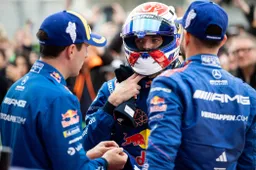
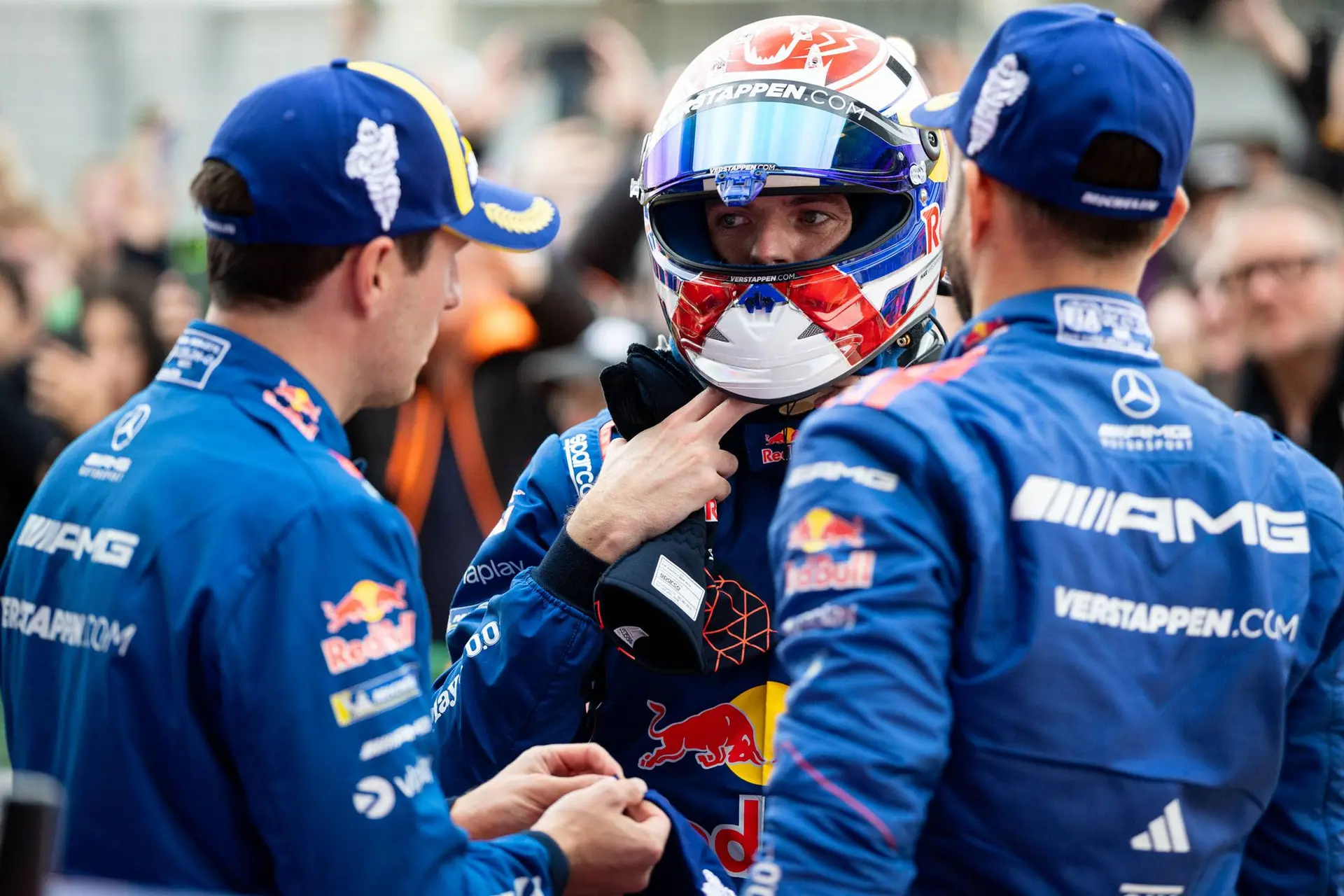
Max Verstappen in the pit lane at the Nürburgring - Photo: GPblog
The drivers: from start money to prestige
For the drivers themselves, the system works fundamentally differently than in Formula 1. Pro drivers such as Kelvin van der Linde, Raffaele Marciello, Augusto Farfus, or Christopher Haase do not receive prize money from the organizer, but start money or a season contract from their team or manufacturer. The amount depends on their status: a factory driver for BMW or Porsche receives an annual salary that includes the N24, while freelance pros negotiate per race. For the gentleman drivers, the paying amateurs in the Pro-Am categories, it works the other way around: they bring budget to be able to drive alongside top drivers.
ADVERTISEMENT
What Max Verstappen is doing this weekend with Winward Racing falls outside both models. The four-time world champion isn’t driving for the money, but because he wants to conquer the Nordschleife himself — and that is exactly what this race is about.

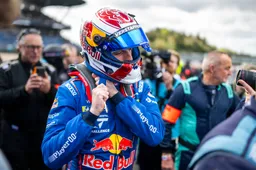
Max Verstappen in the garage - Photo: GPblog
The biggest reward: commercial value and eternal fame
Whoever wins the N24 gets something no check can match: a place in the history of a race that dates back to 1970. BMW actively uses its most recent win in 2025 in its global marketing, linking the 24-hour success to the credibility of its M models. Audi notched six overall wins between 2012 and 2022, turning the R8 LMS into one of the best-selling GT3 cars ever. Porsche customer teams showcase their class wins in their sales brochures, and for brands like Aston Martin and Ferrari, a strong result in the Eifel is an important validation of their GT3 programs.
For the drivers themselves, the prestige is just as great. Niki Lauda remains to this day the only Formula 1 world champion to have also won the 24 Hours of the Nürburgring — a 1973 achievement with Alpina BMW that remained part of his legendary status until his death. If Verstappen were to win this weekend with the Winward Mercedes-AMG, he would join that exclusive list, and the commercial and historical value of that victory cannot be measured in euros.
ADVERTISEMENT

Nürburgring paddock - Photo: GPblog
Conclusion: a race where money is a side note
The 24 Hours of the Nürburgring is deliberately not a race that makes you rich. The ADAC has never wanted to put prize money center stage, and that fits the character of the event: a race that revolves around recognition, reliability, and the almost mythical status of the Green Hell. The manufacturers, sponsors, and tire suppliers round out the financial picture with bonuses that can make the difference for teams between breaking even or running at a loss, but even those totals remain modest compared to other top races.
The real reward is the intangible value the race gives back: to brands that sell their cars on the image of indestructibility, to teams that build their track record for future clients, and to drivers who want to see their names engraved alongside Lauda, Stuck, Winkelhock, and Müller. That’s the prize that counts on the Nordschleife — and the reason 161 cars are lining up again this weekend for a race where the official prize money is the least interesting number in the ledger.
ADVERTISEMENT
In short
• The ADAC does not publish official prize money for the 24 Hours of the Nürburgring
• The amount paid to the overall winner is negligible compared to team costs
• Manufacturer bonuses, tire premiums, and sponsorship contracts pay more than the organizer
• BMW, Audi, and Porsche actively leverage their victories in global marketing
ADVERTISEMENT
• Niki Lauda remains the only F1 world champion to have won the race (1973, Alpina BMW)
• Any Verstappen victory would be valuable mainly for its historical and commercial impact
Don’t miss GPblog in Google
Mark us as a preferred source and our articles will appear more often at the top of Top Stories.
Add as a preferred / source on GoogleRead more about:
latest news
Bahrain Grand Prix
Overview
... ...
Practice 1
...
Practice 2
...
... ...
Practice 3
...
Qualification
...
... ...
Race
...
... ...
Practice 1
...
Practice 2
...
... ...
Practice 3
...
Qualification
...
... ...
Race
...
Times are in your local timezone
Rumors
Popular on GPBlog
1
F1 driver set for Bahrain GP back-of-grid start after engine penalty
1527 times read
2
Bottas says F1 drivers don't want to finish season in Italy amid tax threat
1108 times read
3
Back-of-grid start confirmed as three drivers face Sepang setback
842 times read
4
‘You just have to pay it’: Verstappen responds to F1 drivers’ Italian tax concerns
801 times read
F1-stand 2026
Season
| Pos. | Driver | Team | Points |
|---|---|---|---|
1 | MercedesMER | 302 | |
2 | MercedesMER | 236 | |
3 | FerrariFER | 199 | |
4 | McLarenMCL | 186 | |
5 | FerrariFER | 179 | |
6 | Red Bull RacingRBR | 163 | |
7 | McLarenMCL | 120 | |
8 | Red Bull RacingRBR | 86 | |
9 | Racing BullsRCB | 59 | |
10 | AlpineALP | 41 |
Loading