F1’s ‘lost identity’ debate is premature — Don’t rewrite the rules yet

Photo: Race Pictures

Ben Hunt is an award-winning motorsport journalist with over two decades of experience in Formula 1 and international media. As a former editor-in-chief and bestselling author, he delivers in-depth analysis and strategic insight from the highest level of the sport.
A good measure of the significance of any sporting story is whenever you overhear people discussing it in public.
Hot talking points in sport are debated in any environment, not only in the confines of their sporting arenas or the vicious social media echo chamber of trolls.
So it is a matter of importance when you hear people discussing “Formula 1 being in trouble”, as I did in the supermarket. Two colleagues were talking about the state of the sport and chatted about a “lost identity” as they went about their business restocking the fruit and vegetables. Why is this relevant, you ask?
Well, it is important for a number of reasons. Firstly, as someone who works in F1, it is important the sport enjoys healthy attention and in recent years, F1 has been blessed with the focus it has got. No sport, but for the NFL perhaps, can boast such significant growth among fans. Even then, I would suggest that the diversity of F1’s new fans outstrips that of the U.S.-only series.
Secondly, there is commercial impact. Those new fans have given way to a number of lucrative sponsorship deals which have benefitted the teams while F1 has profited from a lucrative TV deal with Apple. There are, of course, many advantages within the sport thanks to an influx of funding. Finally, when people are speaking about your sport, it usually means that things are going well or it is exciting.
So it is a matter of importance when you hear people discussing “Formula 1 being in trouble”, as I did in the supermarket. Two colleagues were talking about the state of the sport and chatted about a “lost identity” as they went about their business restocking the fruit and vegetables. Why is this relevant, you ask?
Well, it is important for a number of reasons. Firstly, as someone who works in F1, it is important the sport enjoys healthy attention and in recent years, F1 has been blessed with the focus it has got. No sport, but for the NFL perhaps, can boast such significant growth among fans. Even then, I would suggest that the diversity of F1’s new fans outstrips that of the U.S.-only series.
Secondly, there is commercial impact. Those new fans have given way to a number of lucrative sponsorship deals which have benefitted the teams while F1 has profited from a lucrative TV deal with Apple. There are, of course, many advantages within the sport thanks to an influx of funding. Finally, when people are speaking about your sport, it usually means that things are going well or it is exciting.
Follow GPblog on social media to stay updated on all Formula 1 news: Facebook, Instagram and TikTok.
The criticism should have been expected by F1
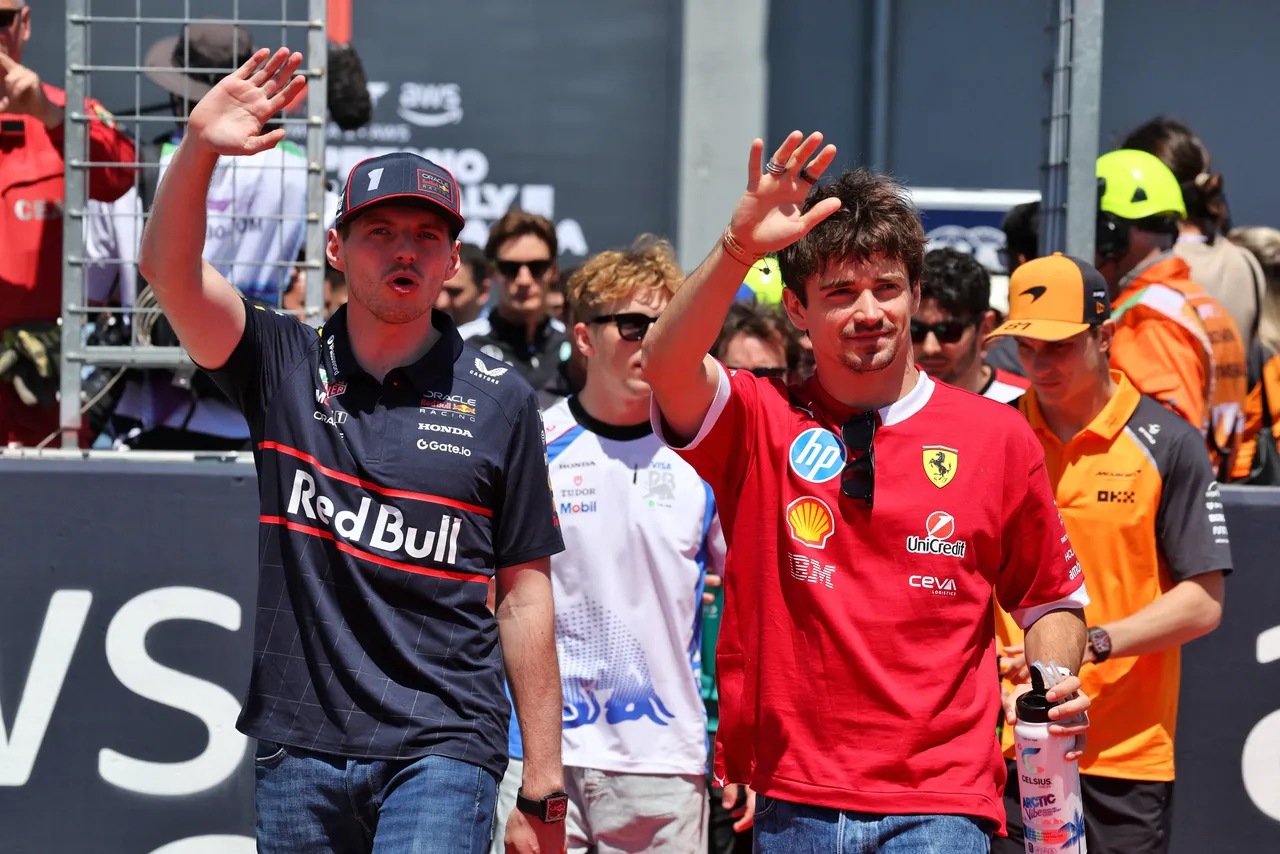
Both drivers accused the new formula of being like Mario Kart
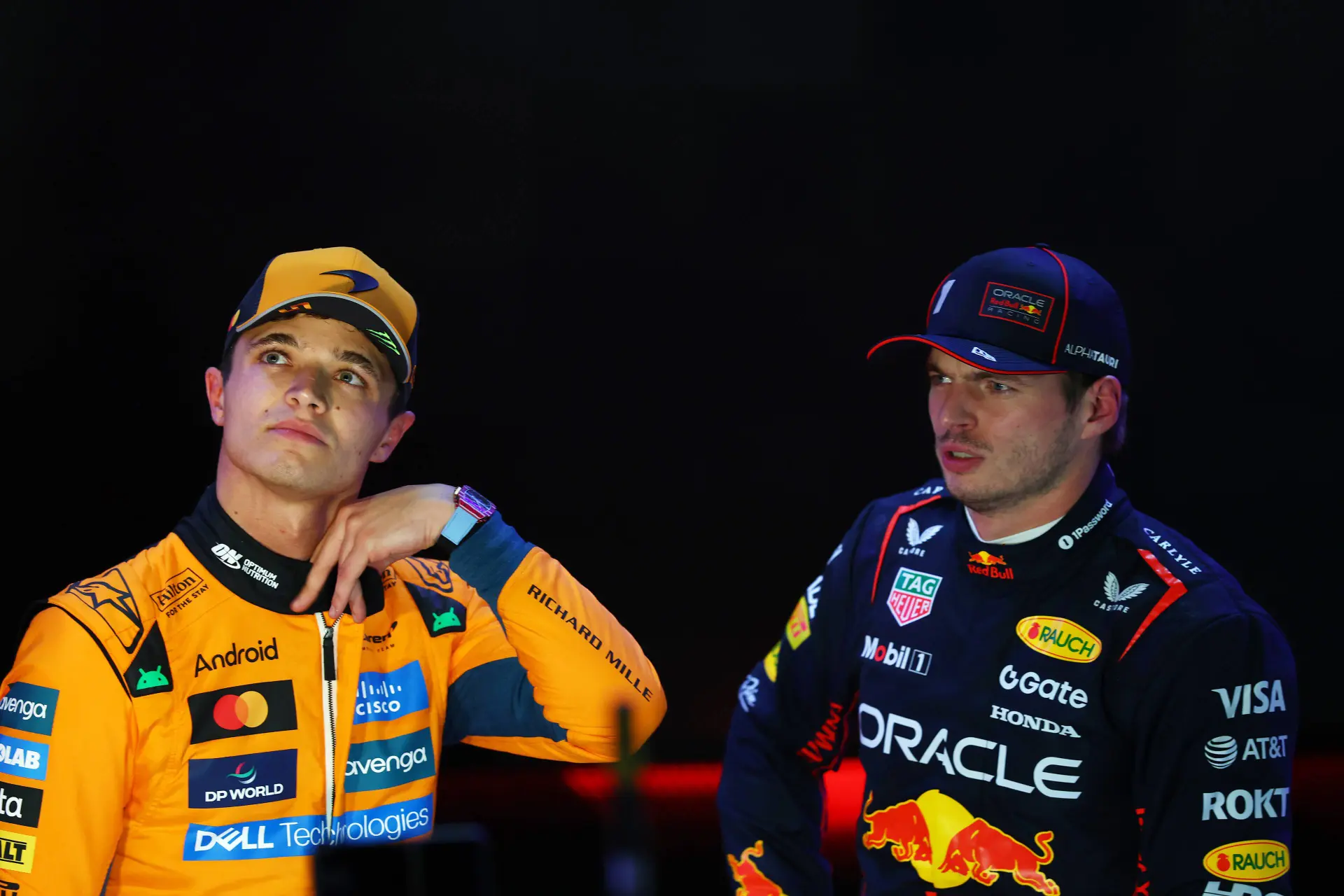
That is why it is strange for F1 to find itself in this predicament. This season’s new rules had been in the pipeline for some time, and while it has taken a battering from disgruntled drivers, such as Max Verstappen and Charles Leclerc, who likened it to Mario Kart, the perception, perhaps somewhat naively, was that fans were going to love it because it was going to be more exciting with more overtaking. That opinion now seems misjudged based on the snippet of the discussion I overheard in the supermarket that F1 is in trouble.
ADVERTISEMENT
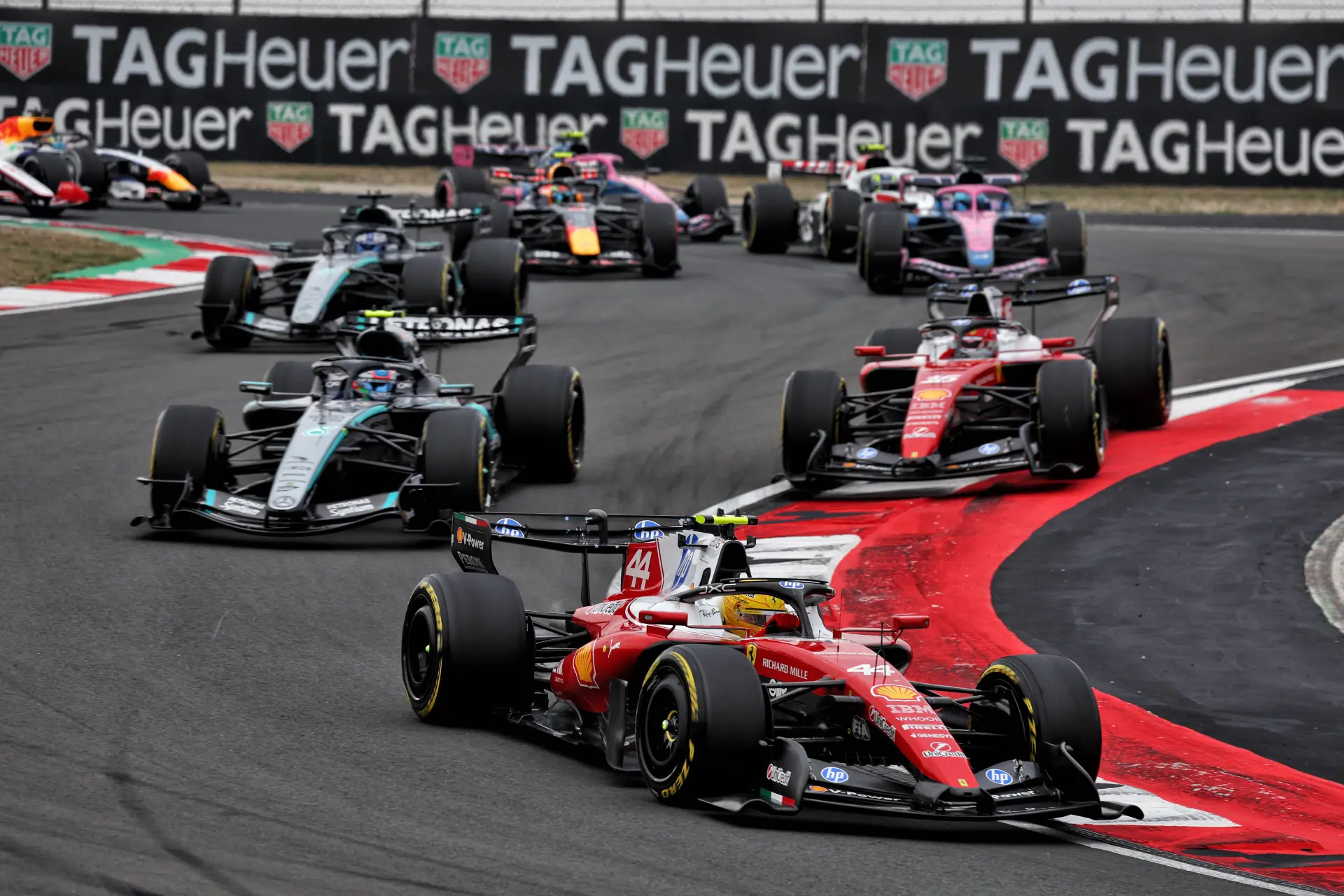
Or is it? I have to admit, I was hesitant when I first heard about the new rules. I thought it was too complicated and, not for the first time, F1 had shot itself in the foot by using ridiculous terminology such as “super clipping” and “straight mode”. However, what I have seen so far has been good, close racing. It has served up an unexpected championship leader in Andrea Kimi Antonelli, two Ferrari teammates are racing each other for places on the podium and, save for a couple of teams, the new technology has been reliable. It is widely believed that F1’s own findings too have seen a positive uptick from their audience data.
The other element is that people are still talking about it. Verstappen’s unhappiness and outspoken comments have generated plenty of traction and one wonders what his thoughts would be if he were leading the championship, but the fact is we are just three races into this new formula of regulations - the biggest change in the sport’s history.
Read also

Too soon for a change?
With this in mind, then, I would suggest it is far too soon to be calling for a change to the rulebook in Thursday’s meeting between the teams, the FIA, and F1. The 2026 rules were designed with admirable intent - sustainability, manufacturer appeal, and closer racing.
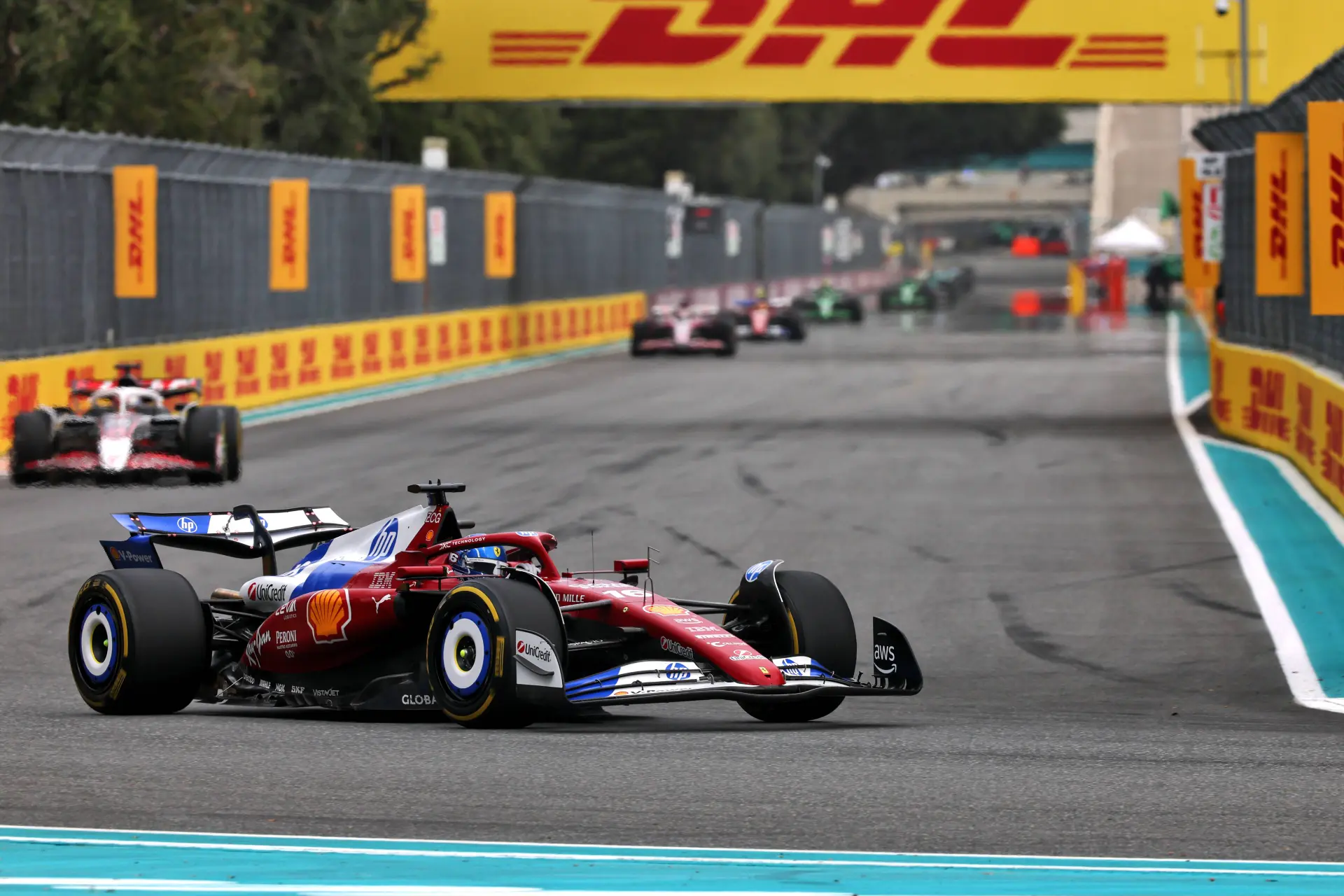
Hybrid power units now deliver a roughly 50-50 split between combustion and electric energy, supported by fully sustainable fuels and new 'active aero' systems replacing DRS. All of which appears to be working as intended.
Of course, there is the question of safety. The high-profile crash involving Ollie Bearman at Suzuka exposed the massive speed differentials between cars deploying full electrical boost and those harvesting energy, but surely this is not a new problem and F1 knew this beforehand? Thursday’s meeting is the first in a series of three and is set to involve senior technical figures who will put forward ideas that could address some of the issues. A second meeting will involve technical staff while the final meeting will be to consider implementing changes.
Hybrid power units now deliver a roughly 50-50 split between combustion and electric energy, supported by fully sustainable fuels and new 'active aero' systems replacing DRS. All of which appears to be working as intended.
Of course, there is the question of safety. The high-profile crash involving Ollie Bearman at Suzuka exposed the massive speed differentials between cars deploying full electrical boost and those harvesting energy, but surely this is not a new problem and F1 knew this beforehand? Thursday’s meeting is the first in a series of three and is set to involve senior technical figures who will put forward ideas that could address some of the issues. A second meeting will involve technical staff while the final meeting will be to consider implementing changes.

Photo: FOM
ADVERTISEMENT
However, such implementation and experimentation - after only three races - risk adding even further complexity to a formula already criticised for being overly engineered. There is no point layering quick fixes over flawed foundations. If it does have a problem, these ‘solutions’ could end up prolonging the problem.
A reason for caution
Which is why expectations for the London meeting should remain realistic, and decisions accordingly should not be knee-jerk. The 2026 regulations were meant to future-proof the sport, aligning it with sustainability and road-relevant technology. In that sense, they have succeeded. Yes, the racing product is different, but how would it not be after changing four of the five variables (engine, aero, tyres, and fuel) with only the drivers being the consistent?
It is time to stop the negativity. Not to be bullied into making unnecessary changes from those teams who have not mastered the new rulebook. Let’s refine those genuine safety concerns and embrace the racing we have got and get people speaking about the sport in a positive manner again.
It is time to stop the negativity. Not to be bullied into making unnecessary changes from those teams who have not mastered the new rulebook. Let’s refine those genuine safety concerns and embrace the racing we have got and get people speaking about the sport in a positive manner again.
Listen to or watch the GPblog.com video podcast. In the F1 Paddock Update, Jim Kimberley and Ben Hunt discuss the latest Formula 1 news. New episodes are available every Monday and Thursday on YouTube, Spotify, or your favourite podcast app.
ADVERTISEMENT
Don’t miss GPblog in Google
Mark us as a preferred source and our articles will appear more often at the top of Top Stories.
Add as a preferred / source on Google