Verstappen gets his wish: F1 power units adjusted for 2027 and 2028
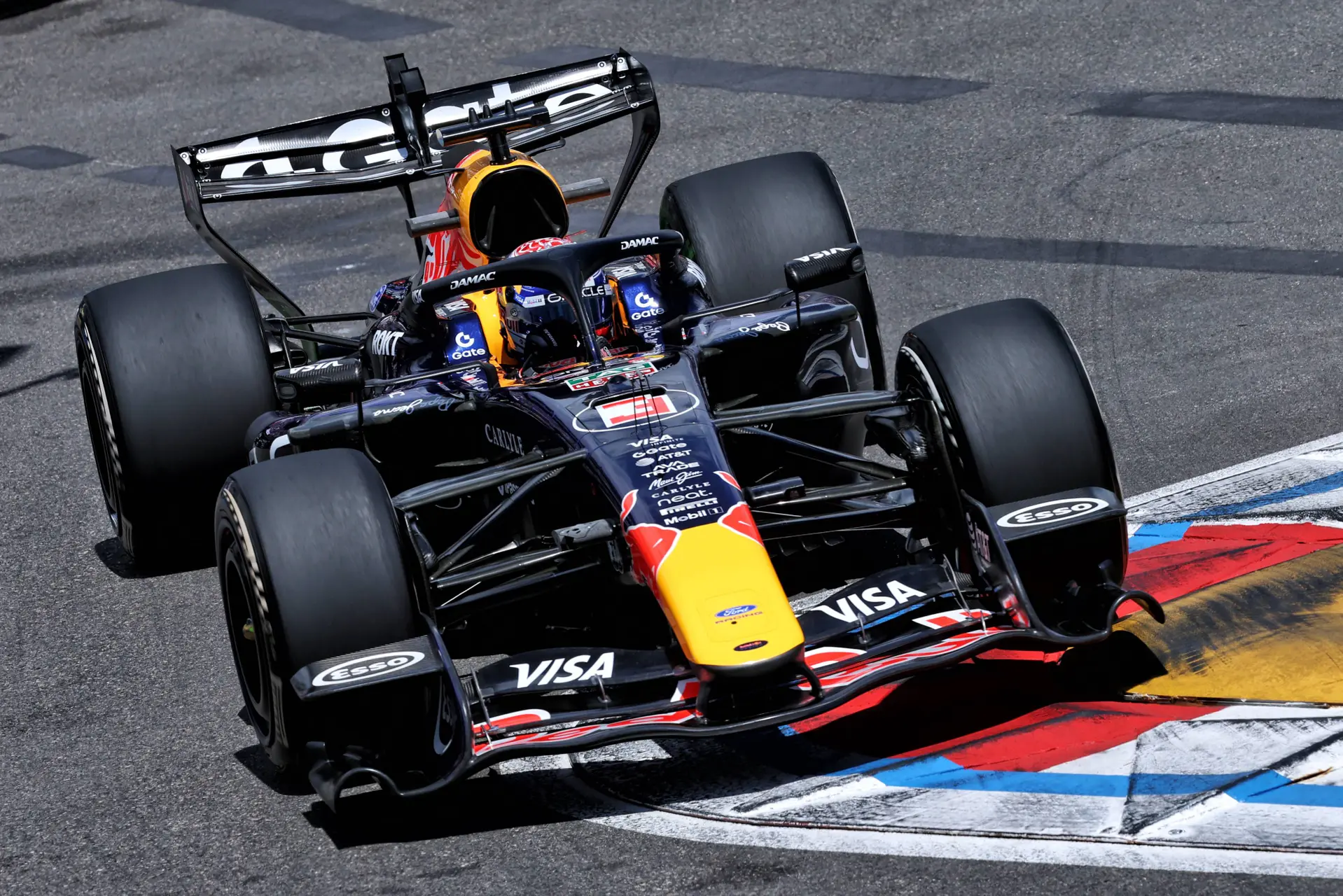
Photo: Race Pictures
Updated:
4 Comments

Kada Sárközi joined GPblog as an editor ahead of the 2023 Formula 1 season. He graduated with a BA in Sports Journalism in the UK and has covered Grands Prix and other F1 events live.
The FIA, the FOM and the power unit manufacturers have confirmed the previously agreed changes to the new engines for the 2027 and 2028 season.
"The proposed changes are intended to address issues related to energy management and fuel energy flow characteristics and make Qualifying more flat-out while not impacting the positive and exciting racing generated by the new regulations," the motorsport federation's press release writes.
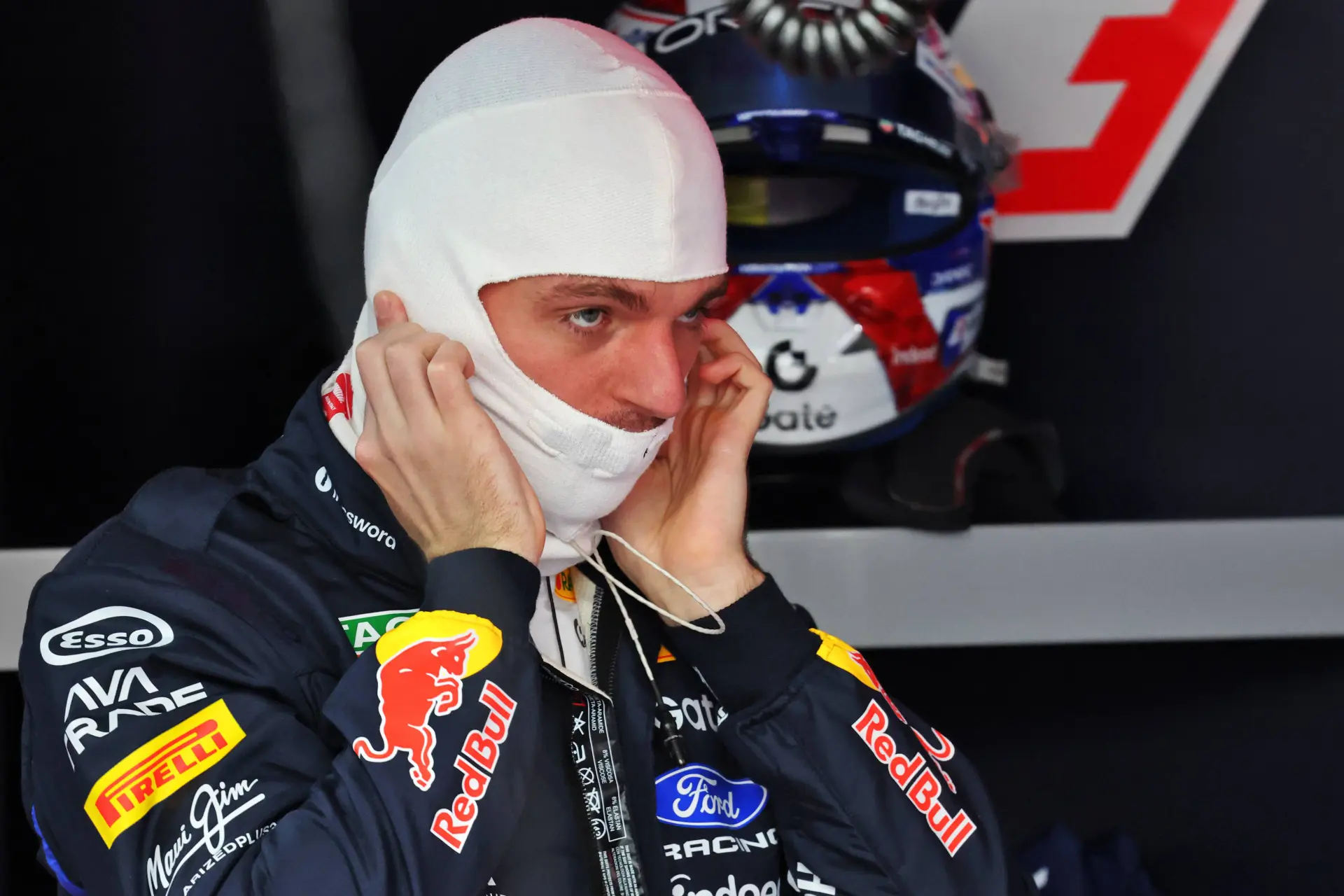
That comes after drivers such as Max Verstappen, Lando Norris and Carlos Sainz criticizing the current power units, and McLaren team boss Andrea Stella also calling for a hardware change when previously answering a question from this website.
The 53/47 power split in 2026 between the ICE and the battery will increase to 58/42 in favour of the first by next year, and will further increase to 60/40 for the 2028 campaign. The graph shared by the FIA highlights it as follows:
| Internal Combustion Engine | 2026 | 2027 | 2028 |
| Max power | 400kW | 420kW | 450kW |
| Fuel flow increase | 5% | 13% | |
| MGU-K | 2026 | 2027 | 2028 |
| Max power | 350kW | 300kW | 300kW |
| Max power Overtake Mode | 350kW | 350kW | 350kW |
| Max harvesting power | 350kW | 375kW | 400kW |
ADVERTISEMENT
The change was previously on shaky ground for various reasons, and it needed a supermajority to pass, but the details have now been agreed. "The FIA will now expedite the formal approval process to provide all parties with early clarity and sufficient time to adapt to the revised requirements. The proposed changes will be submitted to the World Motor Sport Council for approval on June 23 in Macau."
Mohammed Ben Sulayem, the President of the FIA said: “Formula 1 has always evolved to meet new challenges and seize new opportunities. These proposed changes reflect the collaborative work taking place across the sport to ensure the regulations continue to support exciting racing, technological innovation and long-term sustainability.
“The FIA has a responsibility to protect the future of the Championship, and these refinements are part of that commitment. It is through working together that we will shape the future of our sport and deliver for fans across the world, and I would like to thank the FIA staff, the teams, Formula One Group, and the power unit manufacturers for this constructive approach.”
Don’t miss GPblog in Google
Mark us as a preferred source and our articles will appear more often at the top of Top Stories.
Add as a preferred / source on Google