FIA and F1 teams agree: Much-criticised power units will be permanently revised
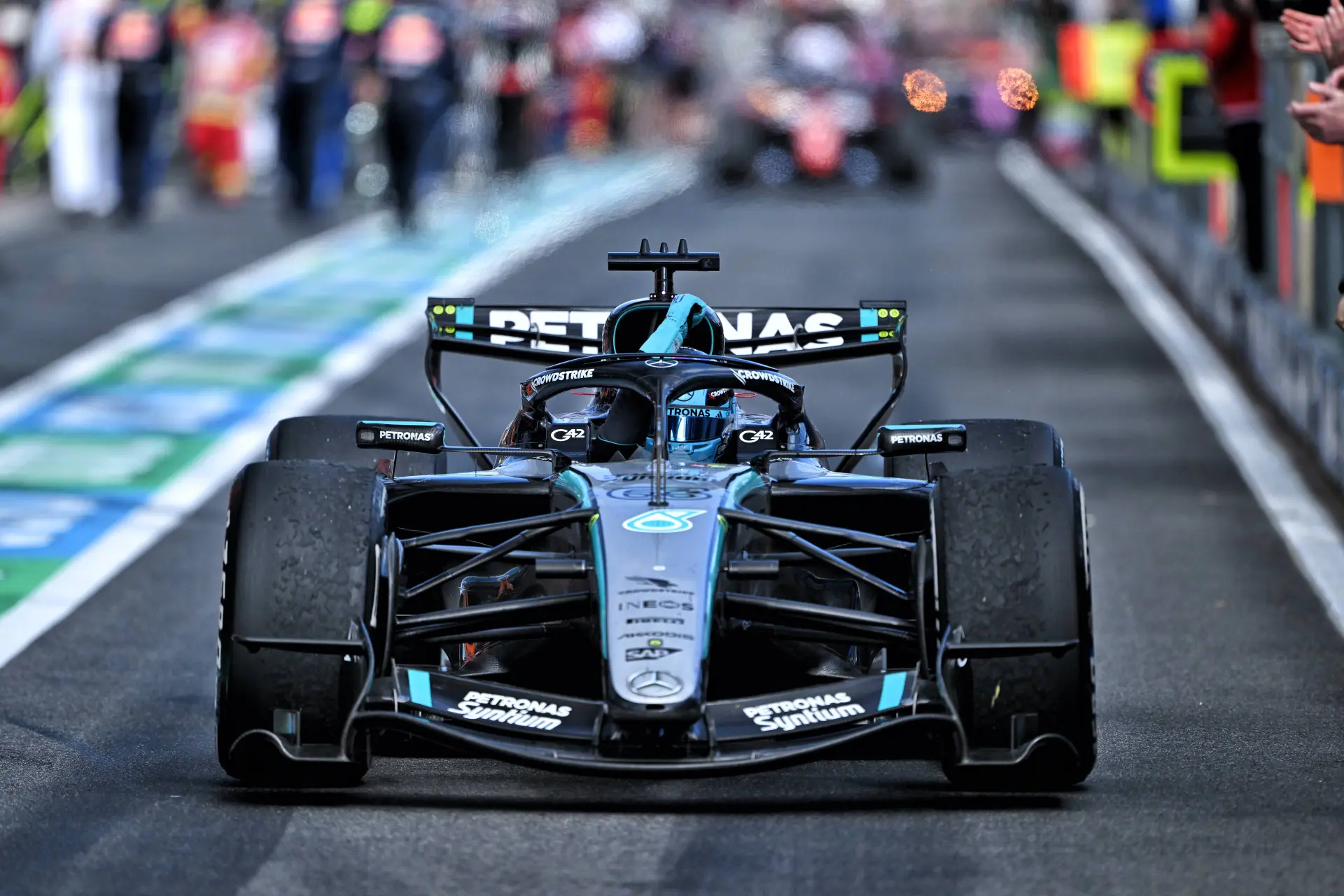
Photo: Race Pictures
Updated: 09:09, 11 Mar
32 Comments

Ludo van Denderen is a motorsport journalist at GPblog, specializing in Formula 1 and international racing series.
The FIA and all eleven Formula 1 teams agree that the new F1 engines still require adjustments. A decision on what changes will be made in the short term is expected after the Chinese Grand Prix, with several different scenarios currently under consideration, GPblog understands.
While the teams often find themselves at odds, they appear aligned in their assessment of the new power units. In particular, the battery element of the power unit has emerged as a key concern for both drivers and teams.
Read also
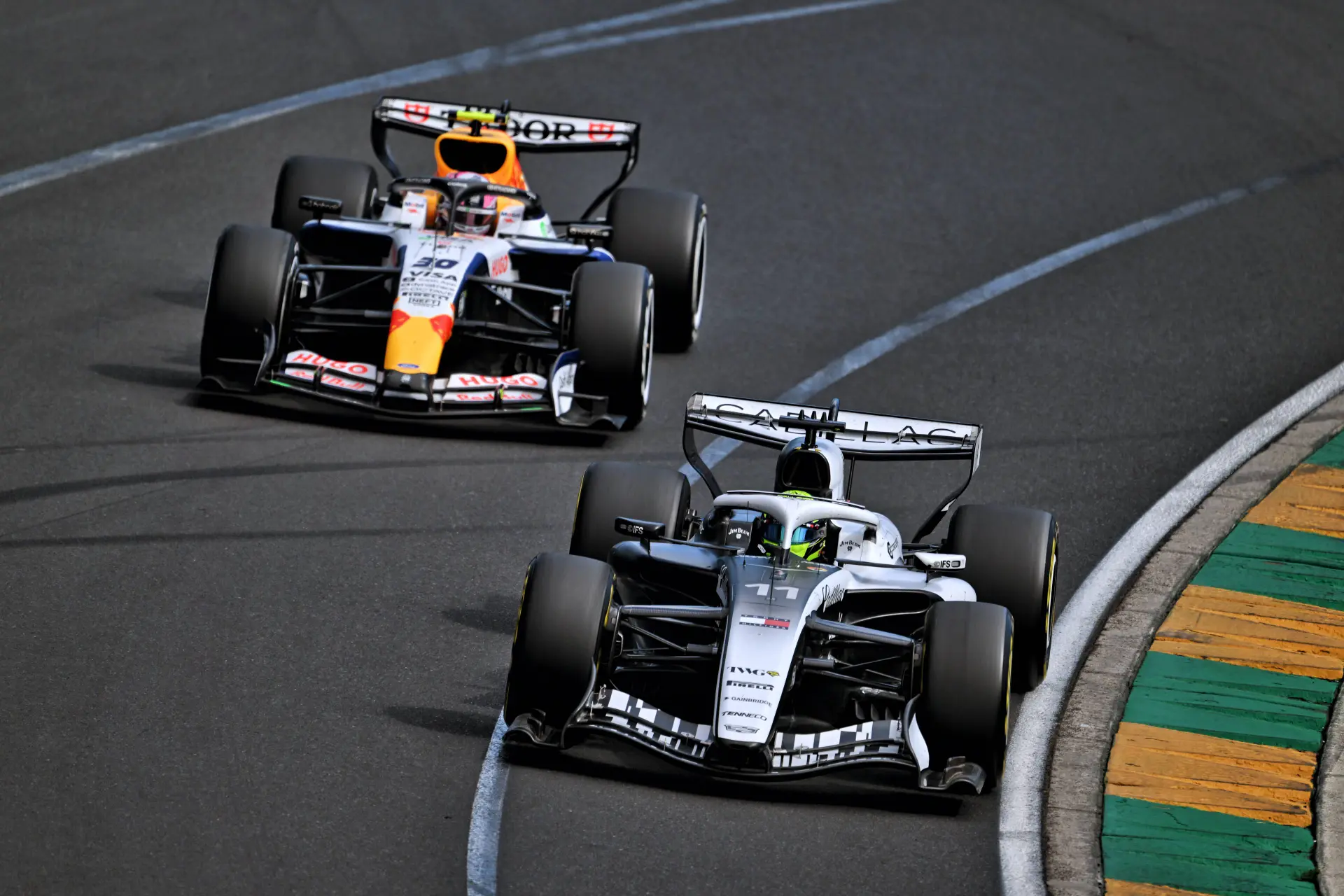

Already during the Bahrain weekend, teams seemed to reach the conclusion that the current direction may not be entirely the right one. However, there is still no clear agreement on exactly what needs to be changed. As a result, it was decided to run both the Australian and Chinese Grands Prix first in order to better evaluate the issues in real-world conditions. In the meantime, around four or five possible solutions are being discussed as potential adjustments.
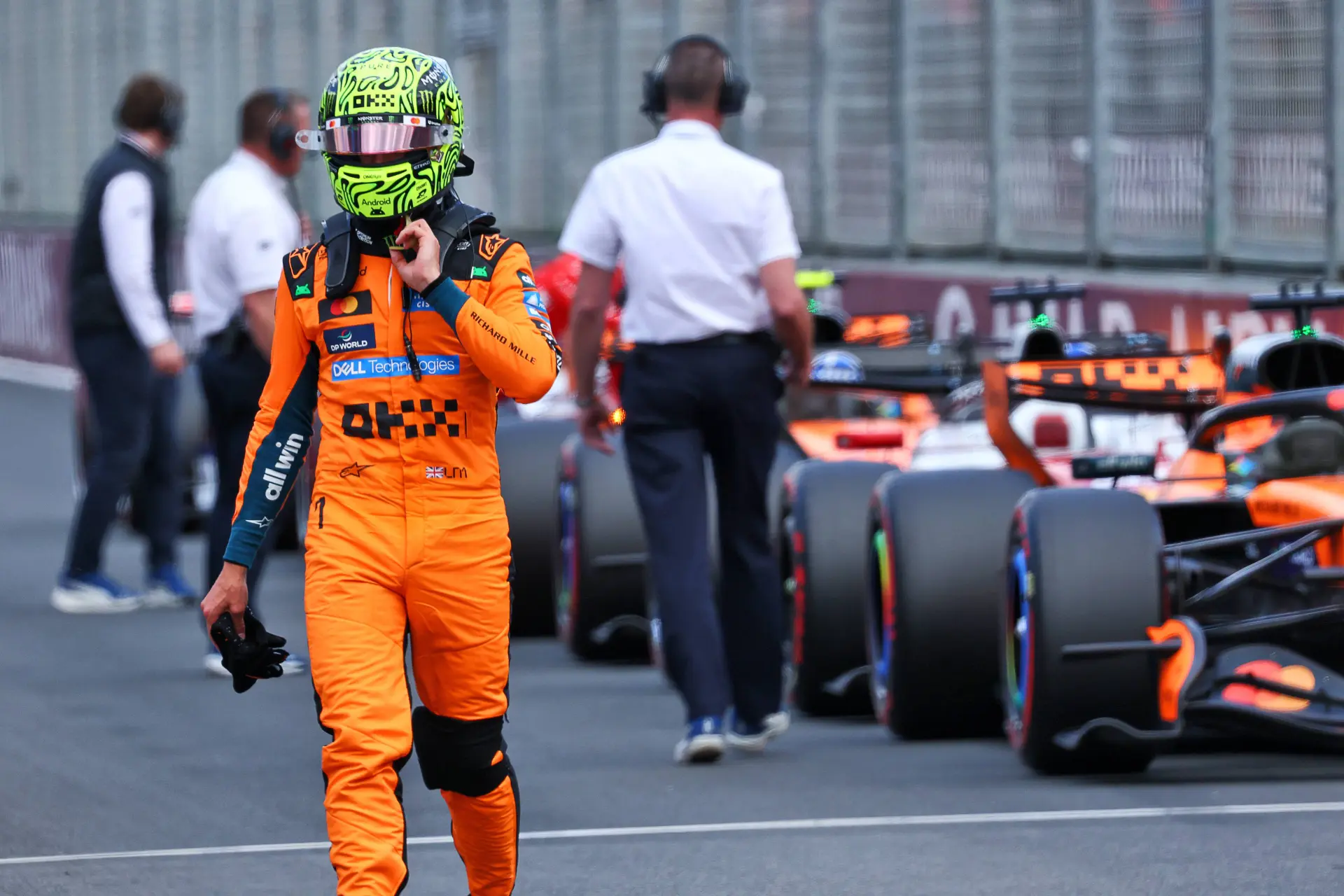
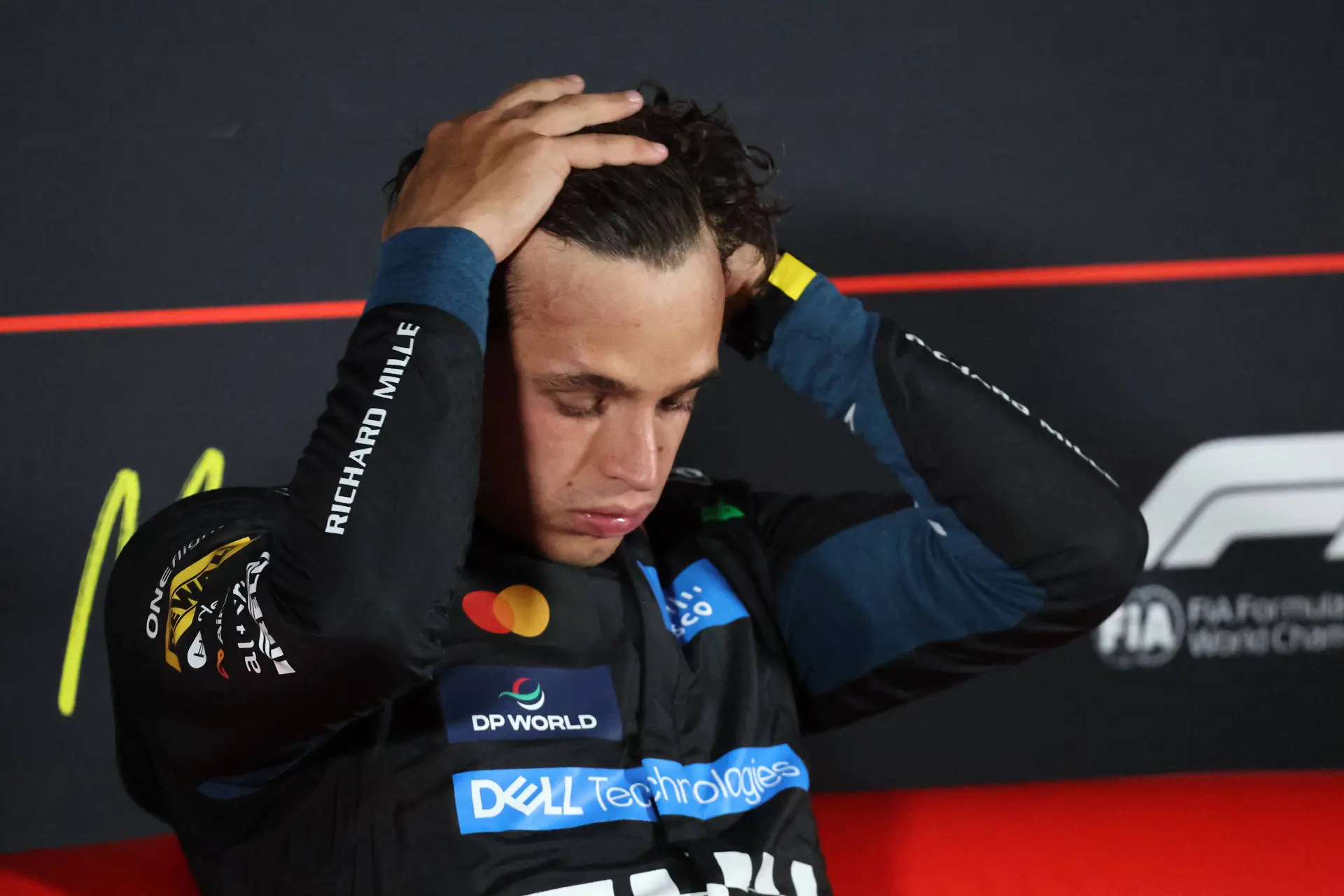
The discussions are not limited to the battery – which has been criticised by drivers including Max Verstappen and Lando Norris – but also extend to the internal combustion engine.
ADVERTISEMENT

Photo: Race Pictures
Read also
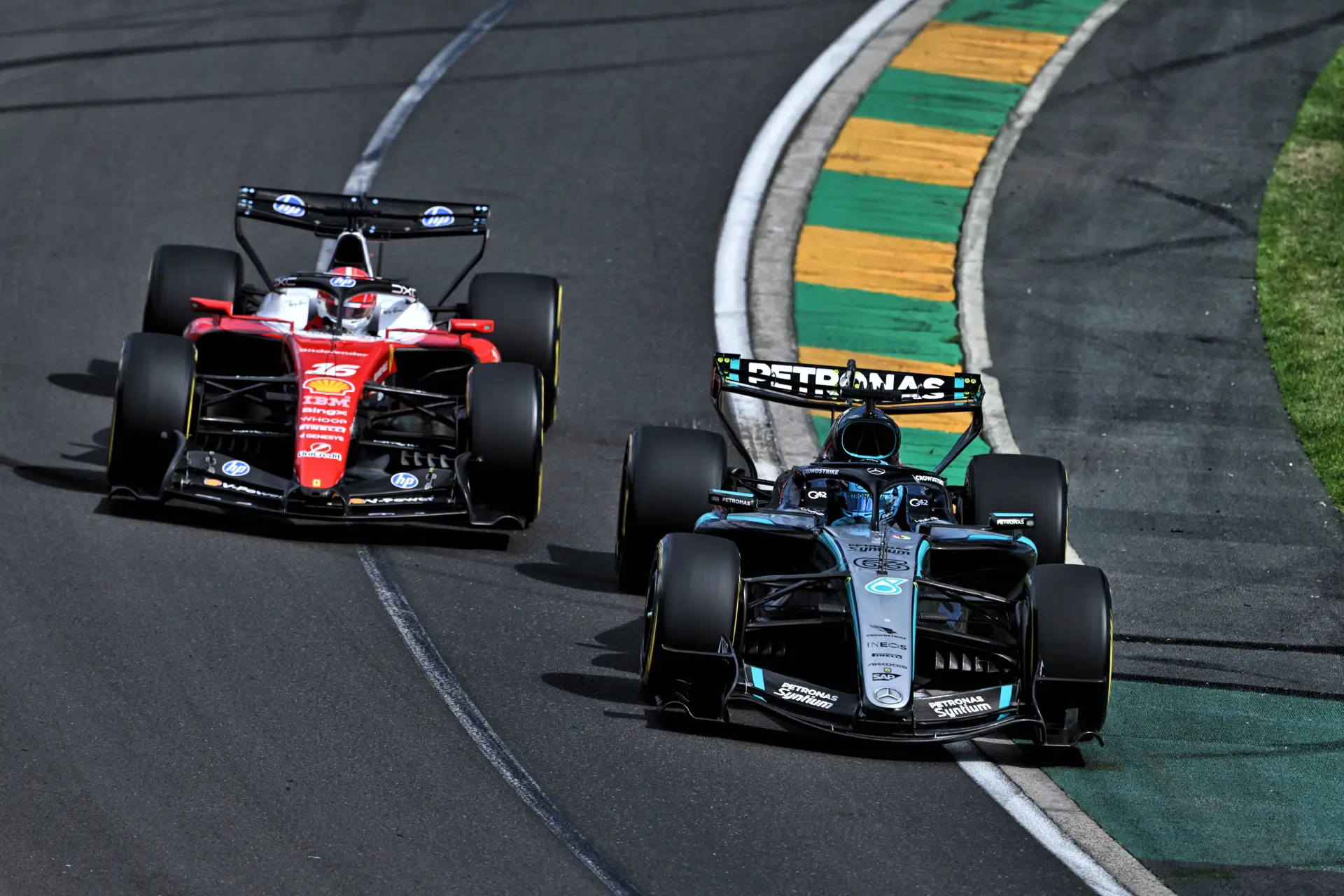

Adjustments must be genuine improvements
For the teams, a key question is how far any adjustments should go. At the same time, they must ensure that any measures introduced do not inadvertently make the situation worse.
That is why gathering as much data as possible from Melbourne and the upcoming weekend in China is considered crucial. Teams, for instance, expect energy deployment to be less of an issue in Shanghai than it was in Australia.
ADVERTISEMENT
It remains unclear whether any changes will already be introduced in time for the Japanese Grand Prix.
Read also


Don’t miss GPblog in Google
Mark us as a preferred source and our articles will appear more often at the top of Top Stories.
Add as a preferred / source on GoogleRead more about:
latest news





Azerbaijan Grand Prix
Overview
Thursday 24.09.26
Practice 1
08:30 AM
Practice 2
12:00 PM
Friday 25.09.26
Practice 3
08:30 AM
Qualification
12:00 PM
Saturday 26.09.26
Race
11:00 AM
Thursday 24.09.26
Practice 1
Thu 08:30 AM
Practice 2
Thu 12:00 PM
Friday 25.09.26
Practice 3
Fri 08:30 AM
Qualification
Fri 12:00 PM
Saturday 26.09.26
Race
Sat 11:00 AM
Times are in your local timezone
Popular on GPBlog

1
Russell challenges Verstappen's Madring verdict: 'We're all quite selfish'
2379 times read

2
Hamilton concedes F1 title to Antonelli after Madrid DNF: 'There's no stopping him'
1639 times read

3
Grosjean issues heartfelt apology to Brown: 'I completely misunderstood his words'
1560 times read

4
F1 photographer placed in choke hold by police at Spanish GP podium area
779 times read
F1-stand 2026
Season
| Pos. | Driver | Team | Points |
|---|---|---|---|
1 | MercedesMER | 292 | |
2 | MercedesMER | 211 | |
3 | FerrariFER | 191 | |
4 | McLarenMCL | 186 | |
5 | FerrariFER | 167 | |
6 | Red Bull RacingRBR | 145 | |
7 | McLarenMCL | 120 | |
8 | Red Bull RacingRBR | 71 | |
9 | Racing BullsRCB | 59 | |
10 | AlpineALP | 41 |
Loading