Red Bull reveal huge financial cost of turbulent year as profits rise despite whopping payout
Updated:
0 Comments

Ben Hunt is an award-winning motorsport journalist with over two decades of experience in Formula 1 and international media. As a former editor-in-chief and bestselling author, he delivers in-depth analysis and strategic insight from the highest level of the sport.
Red Bull Racing recorded £33.494 million in compensation for loss of office during 2025, its annual accounts reveal. Despite a year of leadership changes and rising restructuring costs, the company increased its profit after tax to £9.384 million.
The financial statements, covering the year ended December 31, 2025, provide a detailed picture of the business during the season in which Christian Horner departed and Laurent Mekies took over as team principal.
The most striking disclosure appears in the directors’ remuneration note. It records £33.494 million in compensation for loss of office, with the entire amount attributed to the company’s highest-paid director.
The accounts do not name that individual in the remuneration table. The same director was credited with £4.441 million in remuneration and £6,000 in pension contributions. The compensation disclosure records the amount recognised in the accounts, rather than providing a separate timetable confirming when every payment was made.
The figure Horner received is likely to be higher
ADVERTISEMENT
The figures in the consolidated accounts of Red Bull Technology Limited, the company under which, among other things, Red Bull Racing’s Formula 1 operations sit, also reveal payouts to directors, of which Horner was.
It means his total severance could be as much as £66.9 million - although the director is not named in the accounts.
It means his total severance could be as much as £66.9 million - although the director is not named in the accounts.
Red Bull profits rise despite restructuring costs
The exit compensation formed part of a year in which Red Bull Racing reported substantially higher expenditure in several areas.
Administrative expenses reached £93.345 million, compared with £22.969 million in 2024. Aggregate payroll costs, including directors’ remuneration, increased from £25.960 million to £96.753 million.
The strategic report offers an explanation for the wider rise in costs, stating: “Increases in the cost base are primarily driven by the costs associated with the restructuring of operations.”
ADVERTISEMENT
However, the documents do not provide a complete breakdown explaining every element of the payroll increase. It would therefore be inaccurate to attribute the entire change to Horner’s departure.
Despite those costs, turnover increased to £379.583 million, compared with £314.409 million the previous year. Operating profit rose to £10.980 million from £382,000, while profit before tax reached £11.075 million. After a £1.691 million tax charge, the company recorded a final profit of £9.384 million, up from £1.681 million in 2024.
Lower prize money during a transitional season
The accounts describe 2025 as “a period of transition” and acknowledge that on-track performance fell below the team’s recent championship-winning standards.
According to the strategic report, Red Bull finished third in the constructors’ championship and second in the drivers’ championship. The directors attributed variations in performance to stronger competition.
ADVERTISEMENT
There was a financial consequence, too: “Prize money receipts were lower due to competitive results.”
Commercial performance nevertheless remained robust, with Oracle continuing as title sponsor and other partnerships signed or renewed. The report also notes that sponsorship transitions affected revenues compared with previous periods, reflecting the timing of contract cycles.
The filing does not separately quantify the reduction in prize money or the contribution of each sponsorship agreement to overall turnover.
Horner and Marko resignation dates confirmed
ADVERTISEMENT
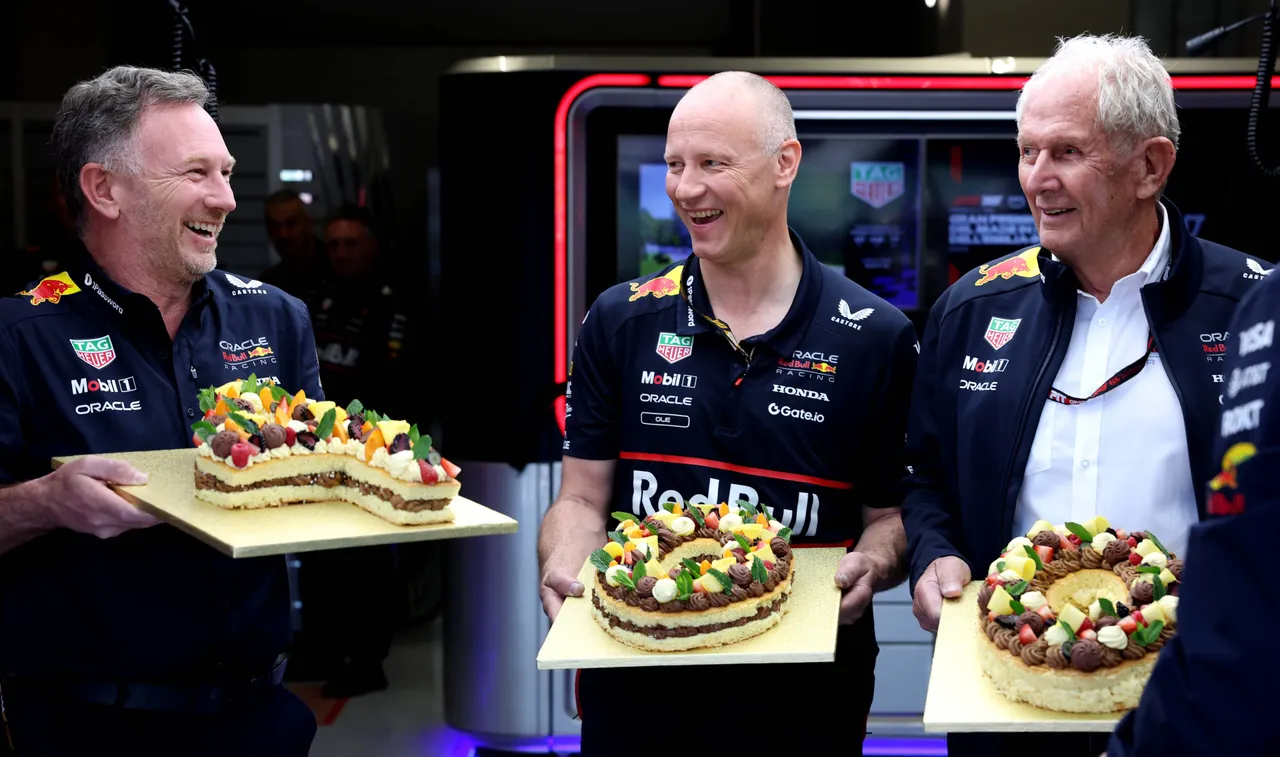
The directors’ report records Horner’s resignation from the Red Bull Racing board on August 13, 2025. Mekies was appointed as a director on August 28.
Helmut Marko’s resignation is dated December 19, the same day Alistair Rew joined the board.
Those dates relate specifically to directorships at Red Bull Racing Ltd and should not automatically be treated as the dates on which every operational role began or ended.
Looking ahead from the accounts’ approval date of February 6, 2026, the report identifies the Red Bull Ford Powertrains project as a central development.
“From 2026, the Company will operate as a full works team with the adoption of the Red Bull Ford Powertrains power unit,” it states, describing the move as an opportunity to strengthen technical integration and stability.
ADVERTISEMENT
The appointment of Isack Hadjar as race driver is also highlighted as part of the team’s longer-term sporting strategy.
Important distinction over the financial figures
These accounts cover Red Bull Racing Ltd, not the consolidated finances of every Red Bull motorsport and engineering business. The company’s figures are consolidated into those of its immediate parent, Red Bull Technology Ltd.
Red Bull Racing also adopted amended accounting rules early in 2025, introducing changes to revenue recognition and lease accounting. Its 2024 comparative figures were not restated, which is an important qualification when assessing year-on-year movements.
Auditor Ernst & Young issued an unqualified opinion and identified no material uncertainty over the company’s ability to continue as a going concern. The overall picture is therefore one of improved reported profitability, despite substantial restructuring costs and a difficult transitional year on track.
ADVERTISEMENT

Don’t miss GPblog in Google
Mark us as a preferred source and our articles will appear more often at the top of Top Stories.
Add as a preferred / source on Google