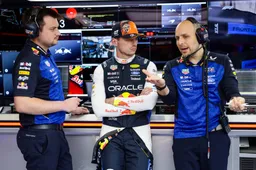
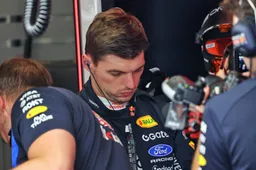
Monaghan’s Cadillac move turbocharges Red Bull’s growing stability crisis
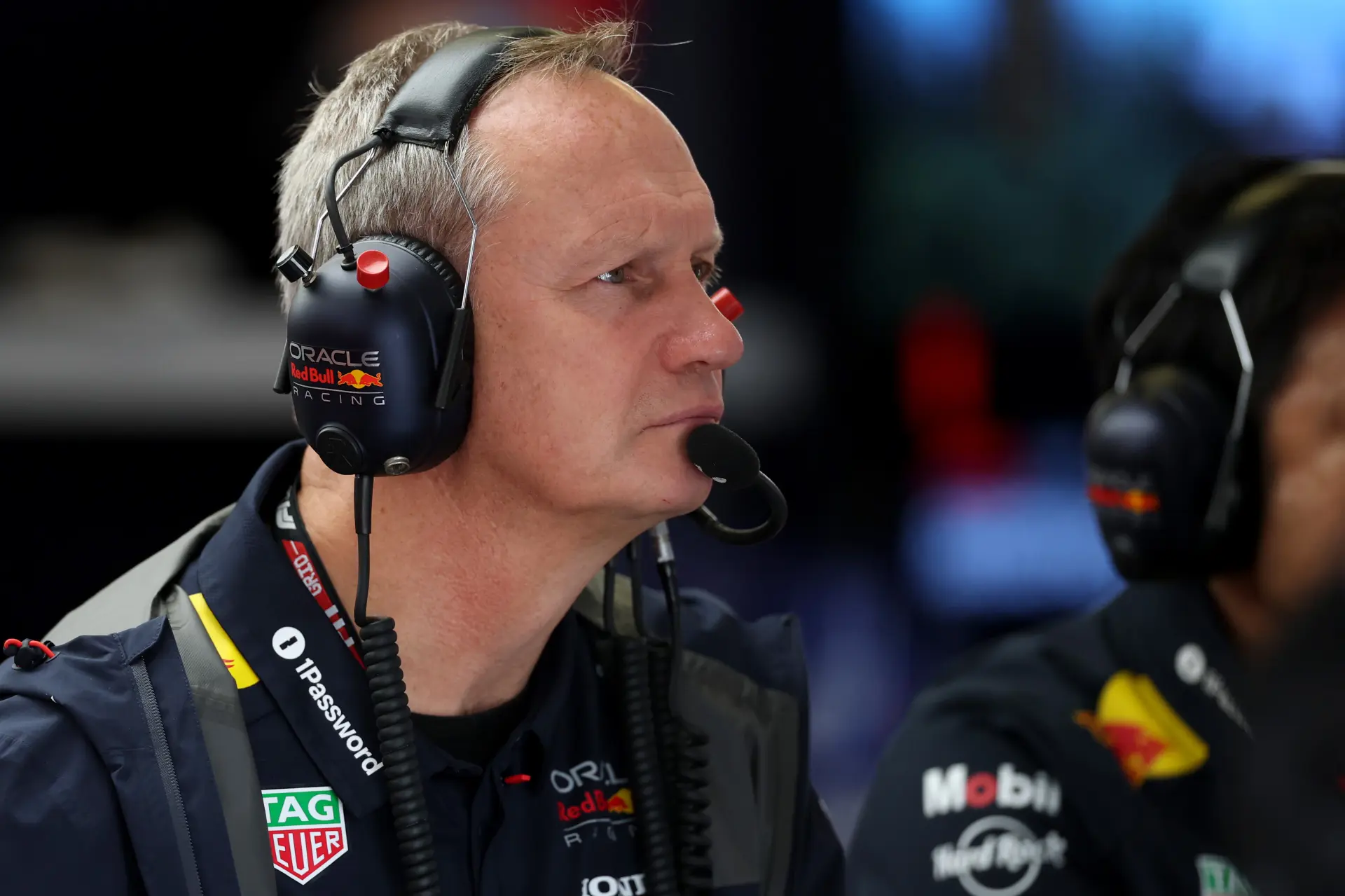
Photo: Red Bull Content Pool
19:00, 26 Jun
0 Comments

Ben Hunt is an award-winning motorsport journalist with over two decades of experience in Formula 1 and international media. As a former editor-in-chief and bestselling author, he delivers in-depth analysis and strategic insight from the highest level of the sport.
Paul Monaghan’s departure from Red Bull Racing is more than another name being added to a growing list of exits out the door at Milton Keynes. It is a substantial loss because Monaghan represented something increasingly rare inside the operation. It was stability, calmness as well as his technical brilliance.
GPblog understands that Monaghan is leaving Red Bull Racing to join Cadillac, bringing an end to a partnership that began in 2005 - a significant time in the team's history. He joined shortly after Red Bull entered Formula 1, around the same time as Adrian Newey, and remained through every major phase of its development. The early rise, the Sebastian Vettel title years, the difficult hybrid-era rebuilding period, and the Max Verstappen-led domination that followed.
His title, Chief Engineer, Car Engineering, may not have carried the public profile of Newey or Christian Horner, but internally 'Pedals' - a nickname from his time at McLaren in 1990 where he designed the car's driving pedals - is highly-respected and played a significant role. Monaghan’s responsibility was centred around maximising the car’s performance at the circuit. In practical terms, that means helping convert the theoretical potential of a Red Bull car into lap time across practice, qualifying and race conditions. It is one thing for a design office to produce a quick car; it is another to make it work consistently across different tracks, temperatures, tyre compounds, fuel loads and set-up windows. Monaghan’s value sat in that difficult space between concept and execution. He is a troubleshooter.
GPblog understands that Monaghan is leaving Red Bull Racing to join Cadillac, bringing an end to a partnership that began in 2005 - a significant time in the team's history. He joined shortly after Red Bull entered Formula 1, around the same time as Adrian Newey, and remained through every major phase of its development. The early rise, the Sebastian Vettel title years, the difficult hybrid-era rebuilding period, and the Max Verstappen-led domination that followed.
His title, Chief Engineer, Car Engineering, may not have carried the public profile of Newey or Christian Horner, but internally 'Pedals' - a nickname from his time at McLaren in 1990 where he designed the car's driving pedals - is highly-respected and played a significant role. Monaghan’s responsibility was centred around maximising the car’s performance at the circuit. In practical terms, that means helping convert the theoretical potential of a Red Bull car into lap time across practice, qualifying and race conditions. It is one thing for a design office to produce a quick car; it is another to make it work consistently across different tracks, temperatures, tyre compounds, fuel loads and set-up windows. Monaghan’s value sat in that difficult space between concept and execution. He is a troubleshooter.
That is why his loss will hurt Red Bull, perhaps more than most people realise. Formula 1 teams are not only built on star designers or charismatic leaders. They are built on layers of technical expertise, communication and trust. Monaghan had been part of that system for more than two decades. He knew how Red Bull operated, how its drivers communicated, how its engineering groups interpreted problems, and how to respond when the car did not behave as expected.

Bad Timing for Red Bull
The timing also makes the move more damaging. Red Bull are already dealing with the departures of several key figures. Newey has moved to Aston Martin. Rob Marshall and Will Courtenay have joined McLaren. Jonathan Wheatley left to become team principal at Audi. GPblog has also reported that Gianpiero Lambiase, Max Verstappen’s race engineer, is set to follow to McLaren in 2028. Seen in isolation, each departure can be explained. Seen together, they point to a team losing many of the people who helped define its most successful period.
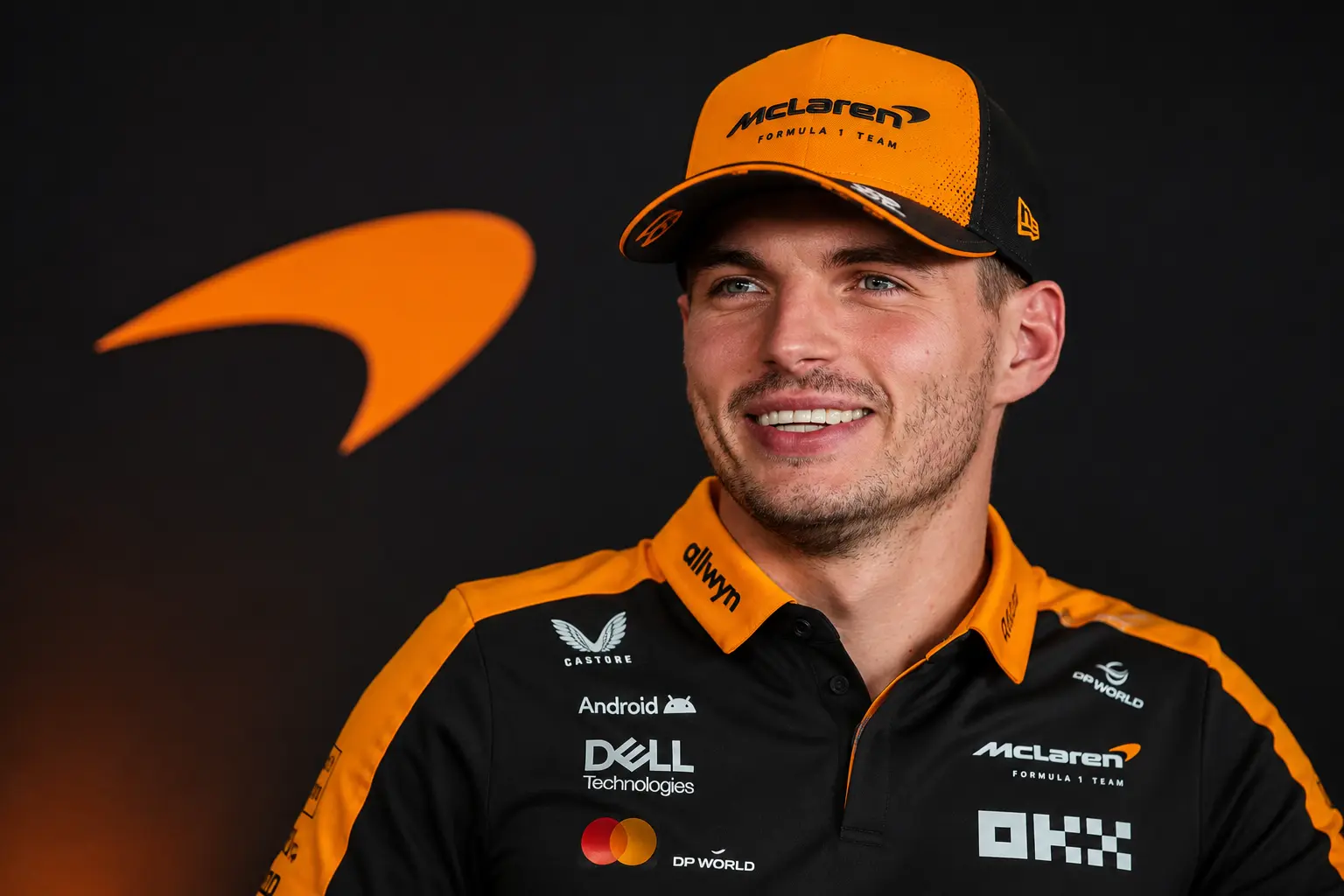
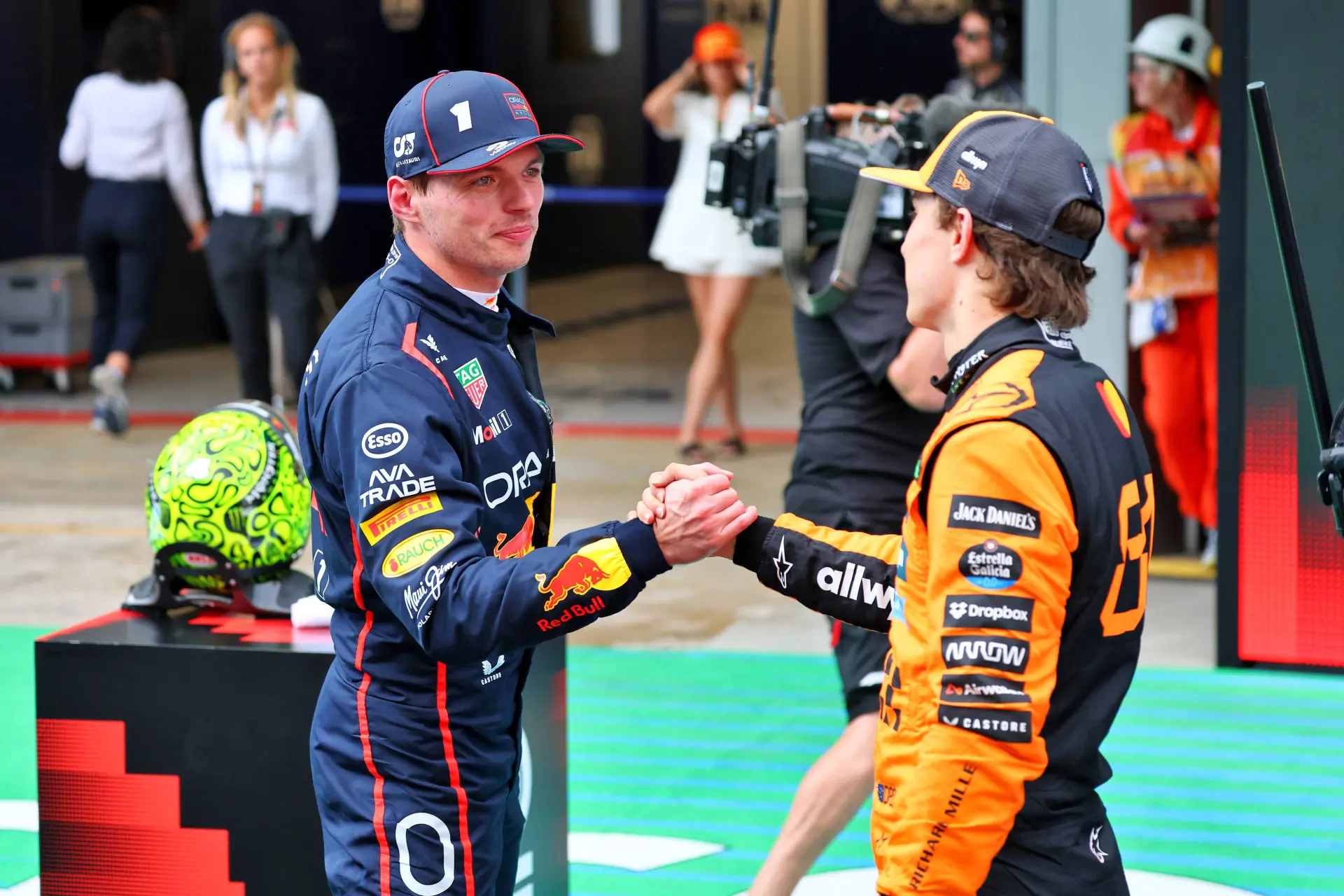
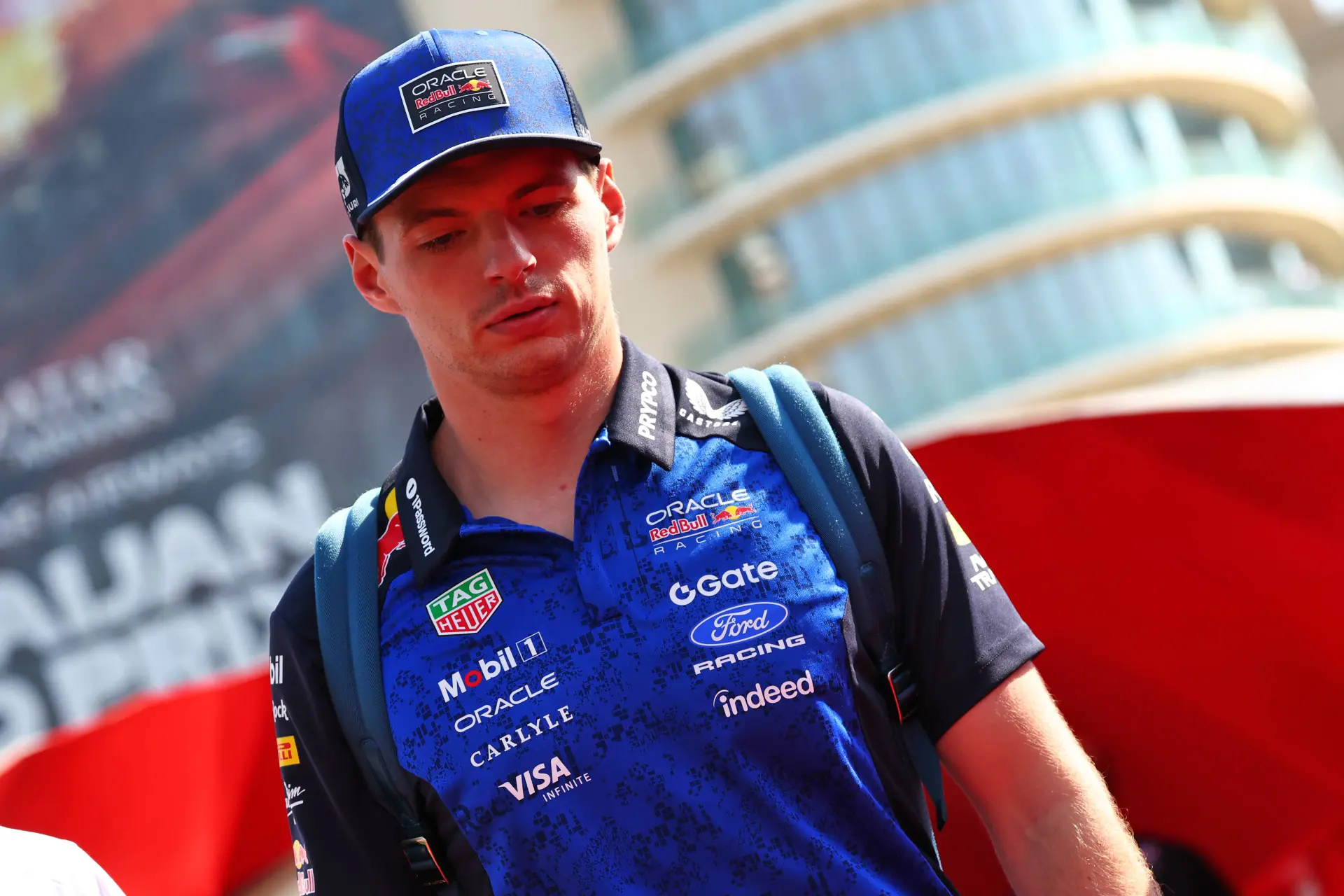
For Verstappen, it's especially relevant. The Dutchman has previously made clear that the stability of key personnel around him matters. Drivers at Verstappen’s level do not only need a fast car; they need confidence in the machinery behind them. That means confidence in development direction, race execution, internal decision-making and the people interpreting his feedback. Monaghan was one of those experienced voices who understood Red Bull’s competitive language. His exit removes another familiar reference point from Verstappen’s environment and leads to speculation that the Dutchman could look to McLaren as an option.
For Verstappen, it's especially relevant. The Dutchman has previously made clear that the stability of key personnel around him matters. Drivers at Verstappen’s level do not only need a fast car; they need confidence in the machinery behind them. That means confidence in development direction, race execution, internal decision-making and the people interpreting his feedback. Monaghan was one of those experienced voices who understood Red Bull’s competitive language. His exit removes another familiar reference point from Verstappen’s environment and leads to speculation that the Dutchman could look to McLaren as an option.
ADVERTISEMENT
The Pressure is Building on Red Bull's Turnaround as Cadillac Benefit
It also increases pressure on designer Pierre Waché and the remaining technical leadership. Waché has already carried greater responsibility since Newey’s departure, but Monaghan leaving further reduces the old guard around him. Red Bull’s challenge is not simply to replace individuals on an organisational chart. The team must preserve the decision-making culture that allowed it to dominate. If too much of that institutional knowledge leaves too quickly, mistakes can become more likely: slower correlation between factory and track, less precise set-up work, weaker race-weekend adaptation, or uncertainty over development direction.
Cadillac’s gain is therefore a significant one. A new Formula 1 project needs more than ambition and investment; it needs people who know how winning teams function under pressure. Monaghan brings experience from McLaren, Benetton, Jordan and, most importantly, Red Bull’s entire modern F1 journey. He has that detailed understanding of the standards, structures and habits that helped make teams successful.
Cadillac’s gain is therefore a significant one. A new Formula 1 project needs more than ambition and investment; it needs people who know how winning teams function under pressure. Monaghan brings experience from McLaren, Benetton, Jordan and, most importantly, Red Bull’s entire modern F1 journey. He has that detailed understanding of the standards, structures and habits that helped make teams successful.
What Next for Red Bull?
The bigger question is what this says about Red Bull’s internal direction. Teams can survive departures if there is a clear succession plan and a strong sense of momentum. But when multiple senior figures leave within a relatively short period, the narrative changes. It becomes harder to argue that everything is under control, particularly when on-track performance is no longer as dominant as it once was.
Monaghan’s departure will not automatically derail Red Bull, the team still has enormous resources and for the time being at least, Verstappen remains one of the sport’s defining talents. But this is another blow because it chips away at the structure that made Red Bull so formidable. Monaghan’s exit adds to that accumulation. For Red Bull, losing another long-serving, race-sharpened technical leader is not just inconvenient. It is a warning sign that the team which once looked immovable is being forced into a new and uncertain era.
Monaghan’s departure will not automatically derail Red Bull, the team still has enormous resources and for the time being at least, Verstappen remains one of the sport’s defining talents. But this is another blow because it chips away at the structure that made Red Bull so formidable. Monaghan’s exit adds to that accumulation. For Red Bull, losing another long-serving, race-sharpened technical leader is not just inconvenient. It is a warning sign that the team which once looked immovable is being forced into a new and uncertain era.
Read also
ADVERTISEMENT
Don’t miss GPblog in Google
Mark us as a preferred source and our articles will appear more often at the top of Top Stories.
Add as a preferred / source on GoogleRead more about:
latest news
Azerbaijan Grand Prix
Overview
Thursday 24.09.26
Practice 1
08:30 AM
Practice 2
12:00 PM
Friday 25.09.26
Practice 3
08:30 AM
Qualification
12:00 PM
Saturday 26.09.26
Race
11:00 AM
Thursday 24.09.26
Practice 1
Thu 08:30 AM
Practice 2
Thu 12:00 PM
Friday 25.09.26
Practice 3
Fri 08:30 AM
Qualification
Fri 12:00 PM
Saturday 26.09.26
Race
Sat 11:00 AM
Times are in your local timezone
Rumors
Popular on GPBlog

1
F1 Today | Russell takes monster Baku pole as Horner makes bold Ferrari admission
5956 times read
2
Azerbaijan GP starting grid gets fresh twist after FIA hands down penalties
3875 times read

3
FIA deliver double grid penalty blow after Azerbaijan GP qualifying
3047 times read
4
Ferrari struggles again - should the team call time on Vasseur's reign?
1722 times read
F1-stand 2026
Season
| Pos. | Driver | Team | Points |
|---|---|---|---|
1 | MercedesMER | 292 | |
2 | MercedesMER | 211 | |
3 | FerrariFER | 191 | |
4 | McLarenMCL | 186 | |
5 | FerrariFER | 167 | |
6 | Red Bull RacingRBR | 145 | |
7 | McLarenMCL | 120 | |
8 | Red Bull RacingRBR | 71 | |
9 | Racing BullsRCB | 59 | |
10 | AlpineALP | 41 |
Loading