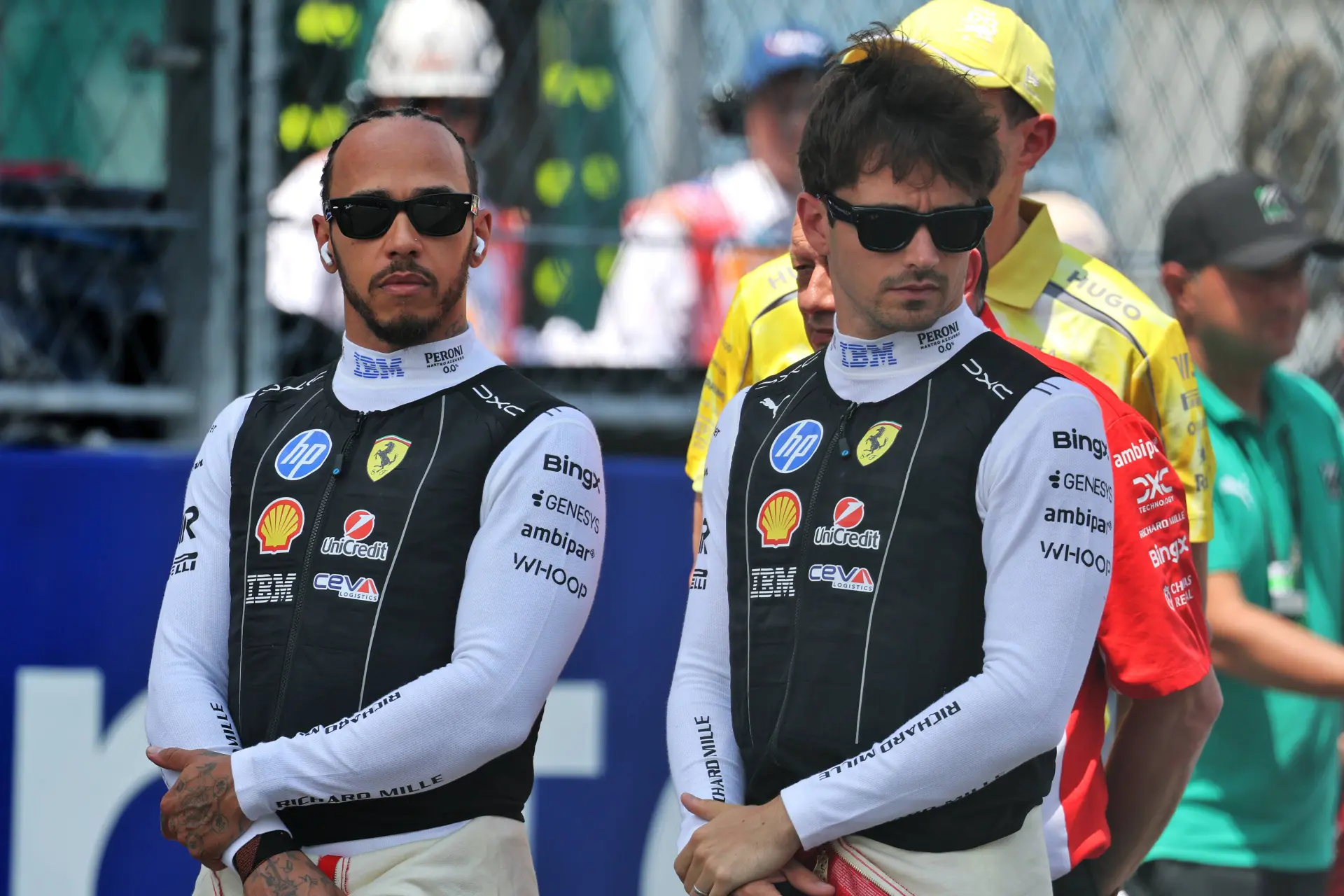
Mercedes won both titles, so why is Red Bull missing out on engine help?
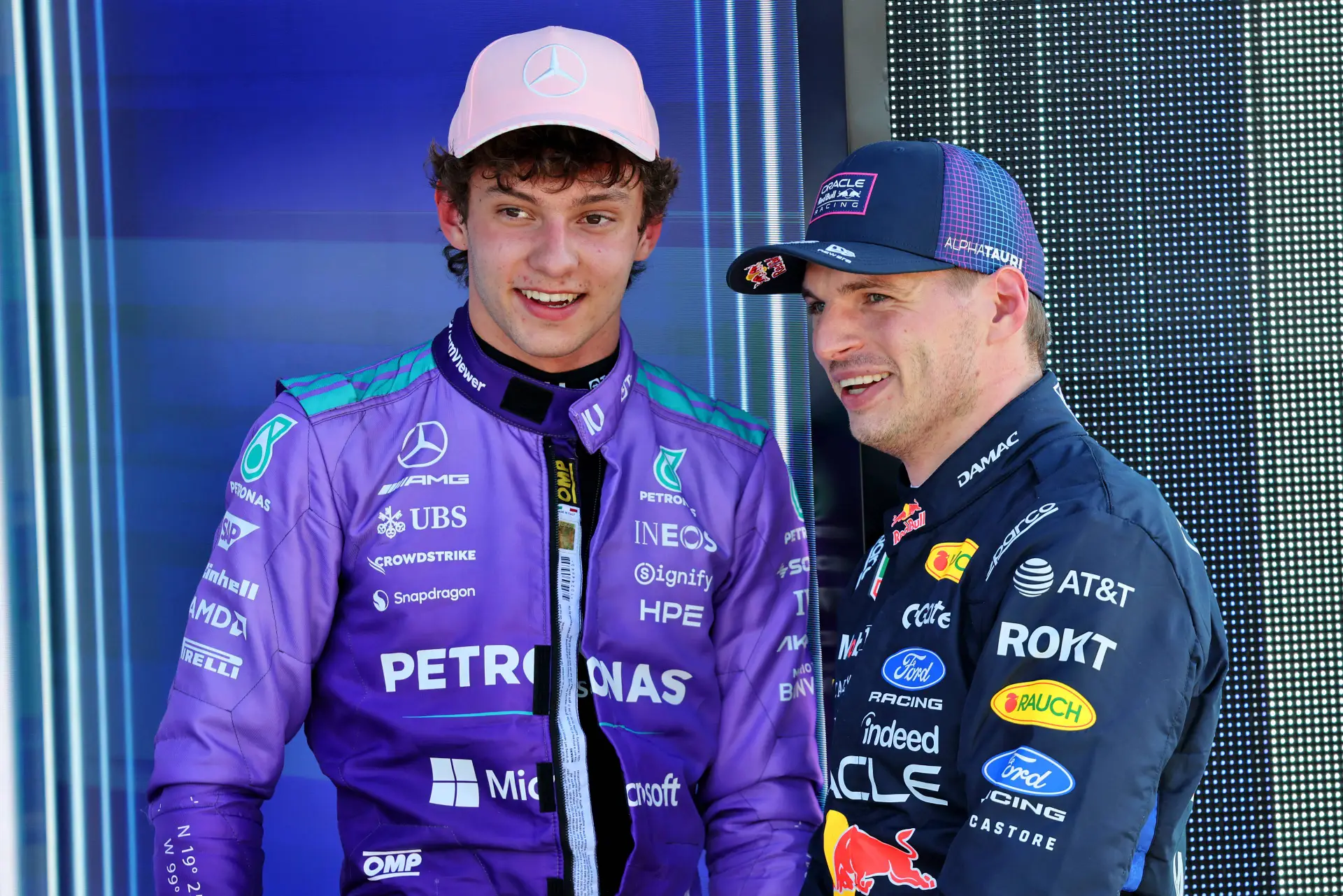
Photo: Race Pictures

Ben Hunt is an award-winning motorsport journalist with over two decades of experience in Formula 1 and international media. As a former editor-in-chief and bestselling author, he delivers in-depth analysis and strategic insight from the highest level of the sport.
Mercedes have secured both Formula 1 championships, yet Red Bull Ford remains the manufacturer without the additional engine-development opportunities awarded to its rivals earlier this year. The apparent contradiction reveals why the FIA’s engine assessment cannot be read as a ranking of the fastest cars.
The latest FIA ADUO review produced no additional homologation opportunities, following an assessment covering races 12 to 18.
That leaves an intriguing contrast with the championship picture. Mercedes have already completed the title double, while Max Verstappen and Red Bull have been unable to prevent Kimi Antonelli and his team from taking the biggest prizes.
However, those outcomes do not mean the FIA’s engine-development system has reached contradictory conclusions. They mean it is answering a different question.
Why Mercedes’ titles do not settle the engine debate
ADVERTISEMENT
ADUO - Additional Development and Upgrade Opportunities - assesses the relative performance of manufacturers’ internal combustion engines.
It does not assess the complete competitiveness of an F1 car. Under the thresholds, a manufacturer falling two per cent behind the benchmark receives an additional homologation opportunity for 2026 and another for 2027. A deficit reaching four per cent brings two additional opportunities for each season.
Following the first assessment period, Mercedes qualified in the first category. Ferrari, Audi and Honda qualified in the second. Red Bull Ford did not receive those opportunities.
The important distinction is that championship points are the product of an entire package. Aerodynamics, tyre management, reliability, energy deployment, strategy and execution all influence the result.
An assessment of the combustion engine cannot isolate every reason one team beats another on Sunday. Nor does receiving an opportunity to develop an engine guarantee that a manufacturer will find the performance it wants.
ADVERTISEMENT
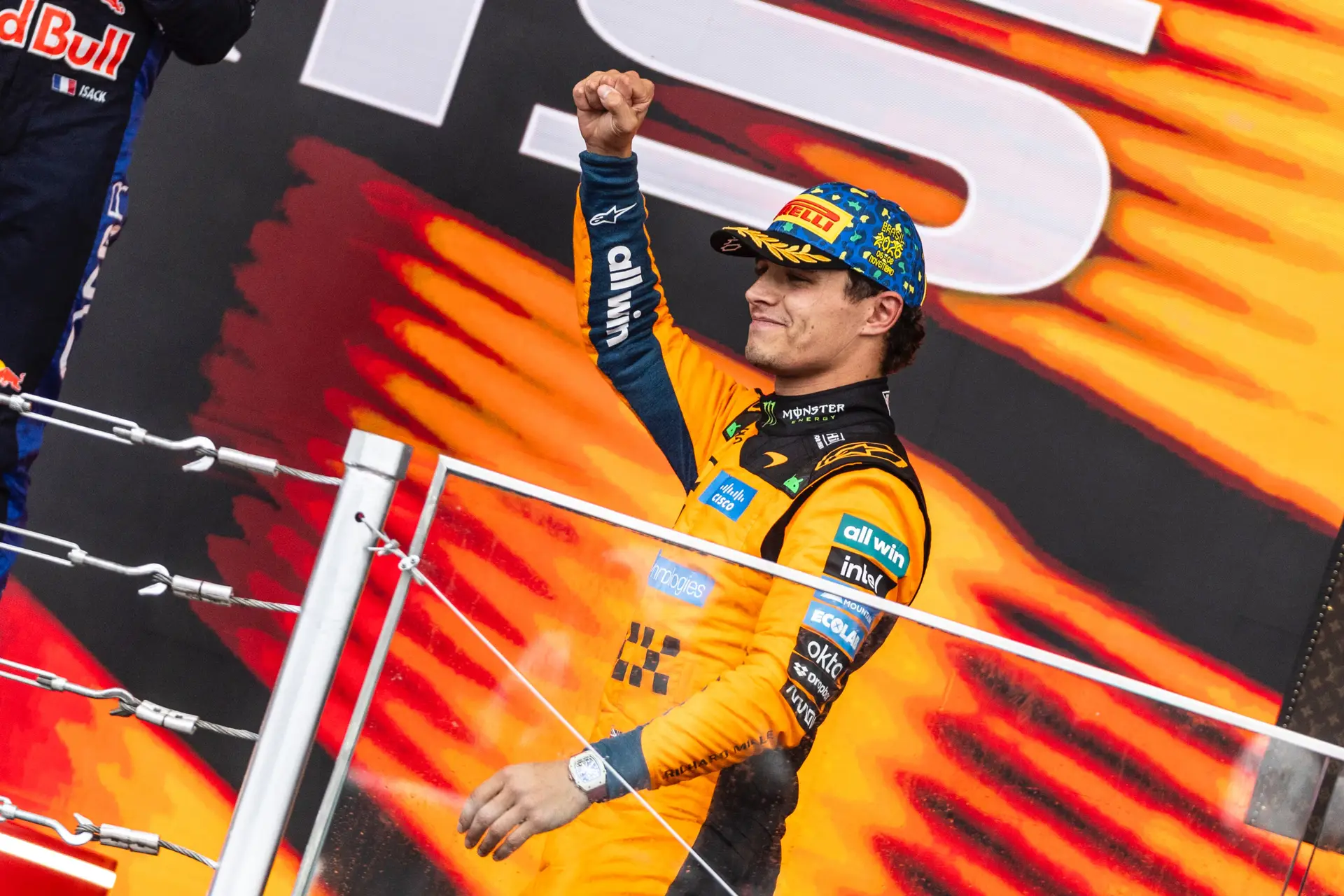
The question Red Bull’s rivals still have to answer
Mercedes’ achievement therefore offers no simple proof that its combustion engine must have been the strongest throughout the season.
Equally, Red Bull Ford’s position in the ADUO process does not establish that Red Bull possessed the best complete power unit, let alone the best car.
That distinction matters when assessing what each team needs to change for 2027. For Red Bull, the absence of additional ADUO opportunities makes it particularly important to understand where its overall deficit originates. The latest announcement alone cannot establish whether the decisive losses lie in the chassis, electrical performance, execution or a combination of factors.
ADVERTISEMENT
For Mercedes’ rivals, blaming the championship outcome entirely on engine performance risks overlooking the broader quality of the winning package.
As Toto Wolff’s reaction to Mercedes’ constructors’ triumph underlined, the team’s success followed a rebuilding effort across the organisation.
The FIA, meanwhile, says it is exploring refinements to ADUO’s methodology. That makes the next debate more substantial than whether the champions should receive development help.
The real issue is whether the system measures the intended performance gap accurately, and gives manufacturers meaningful opportunities to address it. Mercedes winning both championships does not answer that question. Red Bull missing out on extra opportunities does not answer it either.
ADVERTISEMENT
Don’t miss GPblog in Google
Mark us as a preferred source and our articles will appear more often at the top of Top Stories.
Add as a preferred / source on Google