
Francesco is a technical analyst at GPblog, specializing in the technical side of Formula 1. Through illustrations and analysis, he makes complex components and developments accessible to a wide audience.
McLaren set the pace during Friday’s practices, but Red Bull could be much closer during qualifying if they get the set-up right on Saturday.
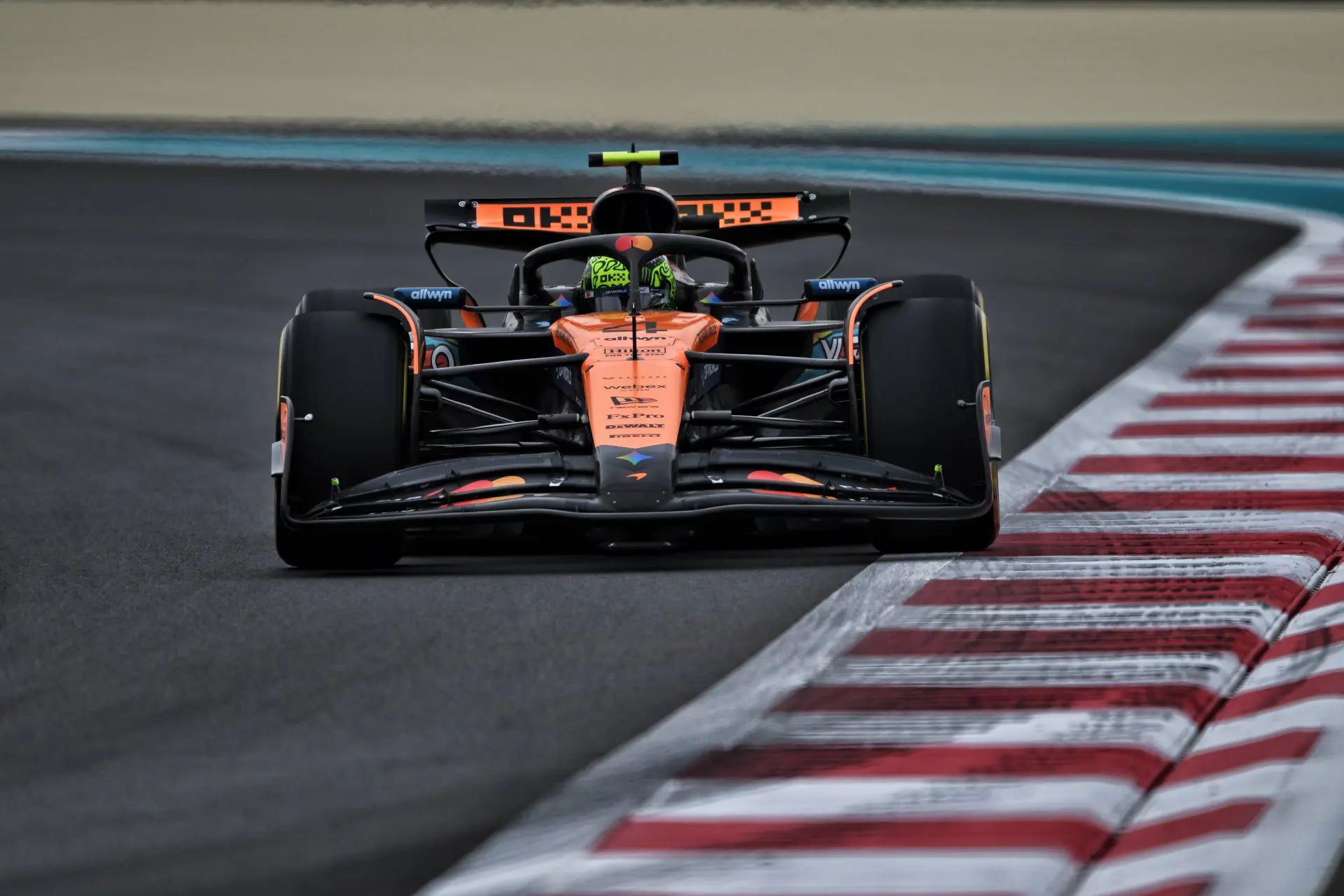
The first day of action at Yas Marina offered a very dominant McLaren, especially in Norris’s hands, able to set the quickest time both during FP1 and in FP2.
His MCL39 demonstrated to be the quickest in medium and slow speed corners, proof of its wide working window and great balance. On the other hand, Verstappen struggled a little bit more, finishing almost 4 tenths behind Norris in the qualifying simulations and accusing excessive degradation of the rear tyres during the race pace simulations.
As underlined by Helmut Marko, the team chose a set-up that is too unloaded, which provides great top speed at the end of the straights but causes a tedious understeering on the soft tyres. Let’s try to have a complete look at what happened on Friday.
ADVERTISEMENT
McLaren perfect start to the weekend
Starting to analyse McLaren’s performance, the team started the weekend as they had to, finding a very good set-up for the MCL39 straight away in FP1. The car demonstrated to have exceptional grip in the medium and slow speed corners, gaining a massive amount of time compared to the competitors through the first and third sectors.
During the first hour of practice, Norris and O’Ward (who replaced Piastri for the usual Rookie tests), ran two different rear wing specs: O’Ward ran the same specification used last time out in Qatar, which showed a very pronounced spoon in the central portion of the mainplane, while Norris tried the medium-low downforce rear wing spec, the same one adopted in Brazil, which provides a good top speed without sacrificing a bit of downforce for the traction zones.

Norris vs. O'Ward rear wing specs tested during FP1 at Yas Marina Circuit - Image: Francesco Bianchi
After these tests were conducted during the first session, the team decided to adopt the same spec used by Norris on both cars in FP2, as the data suggested this element offered the best compromise between downforce and drag.
ADVERTISEMENT
It was during FP2 that Norris demonstrated McLaren’s superiority: his MCL39 had a very strong front-end, matched with a very stable rear end, which allowed him to push through the medium speed corners (like turn 1 and turn 9), travelling less road than competitors and gaining a lot of time through those sections.
Moreover, the stable mechanical platform, together with a very precise front end, allowed him to be the quickest through the hotel section in the last sector, where he was able to extend his gap to Verstappen.
This superiority also emerged during the race pace simulations made in FP2: as shown by the table below, Norris was the quickest in terms of average, despite completing a bunch of laps fewer than Verstappen. MCL39’s balance in the last sector proved to be a great help in managing the rear tyres’ temperature and making the tyres last longer, without losing competitiveness over several laps. Particularly indicative was that, on the 7th lap of his simulation, Norris was still able to set a 1.29.095, while Verstappen was running almost three-tenths slower.
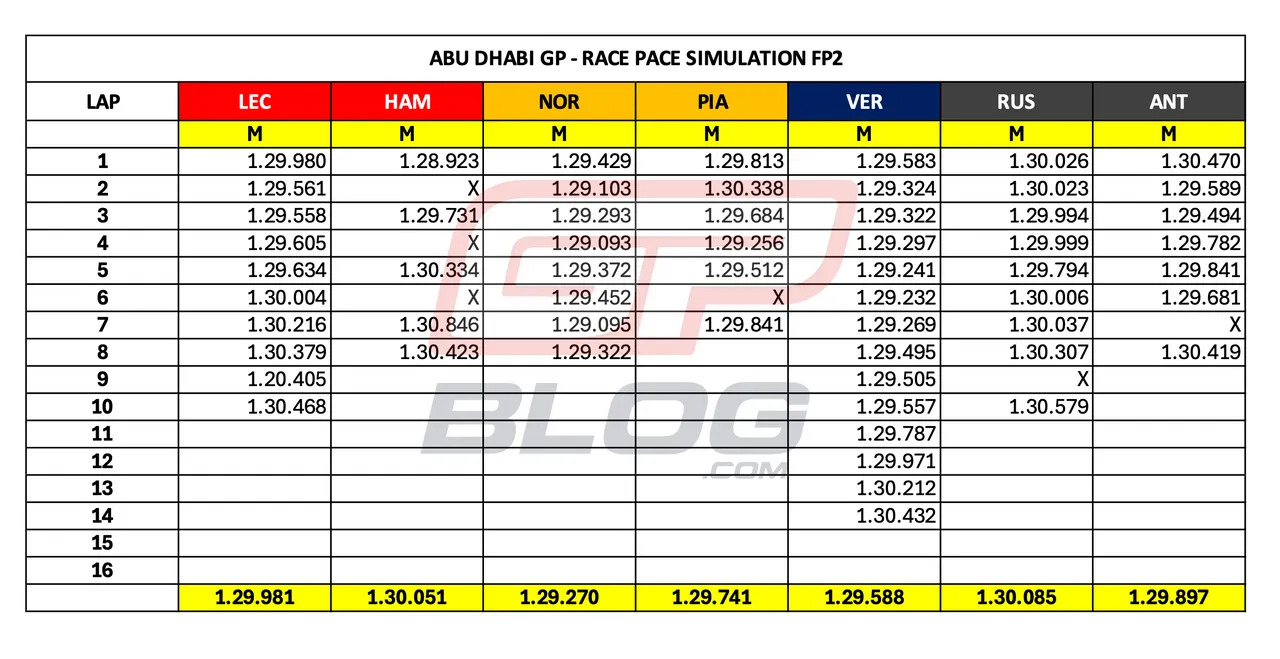
Race pace simulations done in FP2 for the Abu Dhabi Grand Prix - Image: GPblog
ADVERTISEMENT
The weekend started in the best possible way for McLaren, but for them it’ll be fundamental to improve the MCL39’s set-up as much as possible, to keep Friday’s same advantage over Verstappen and get pole position during qualifying.
Red Bull had a difficult first day due to a wrong set-up
For Red Bull, they had a difficult day on track, but still managed to finish in P2 only behind Norris. The 4-time World Champion complained of a tedious understeering in the medium and slow speed corners, which slowed him down both in the qualifying simulations and in the long runs.
The team, in fact, adopted a very low downforce set-up compared to McLaren. This made the RB21 the quickest car in the second sector, characterised by two very long straights, proving that it was much faster than other cars in terms of top speed.
However, this set-up showed its limitations in the third sector: the RB21 was losing a lot of time through the hotel sections, characterised by slow speed corners and medium speed corners, where a matched front and rear end is needed.
ADVERTISEMENT
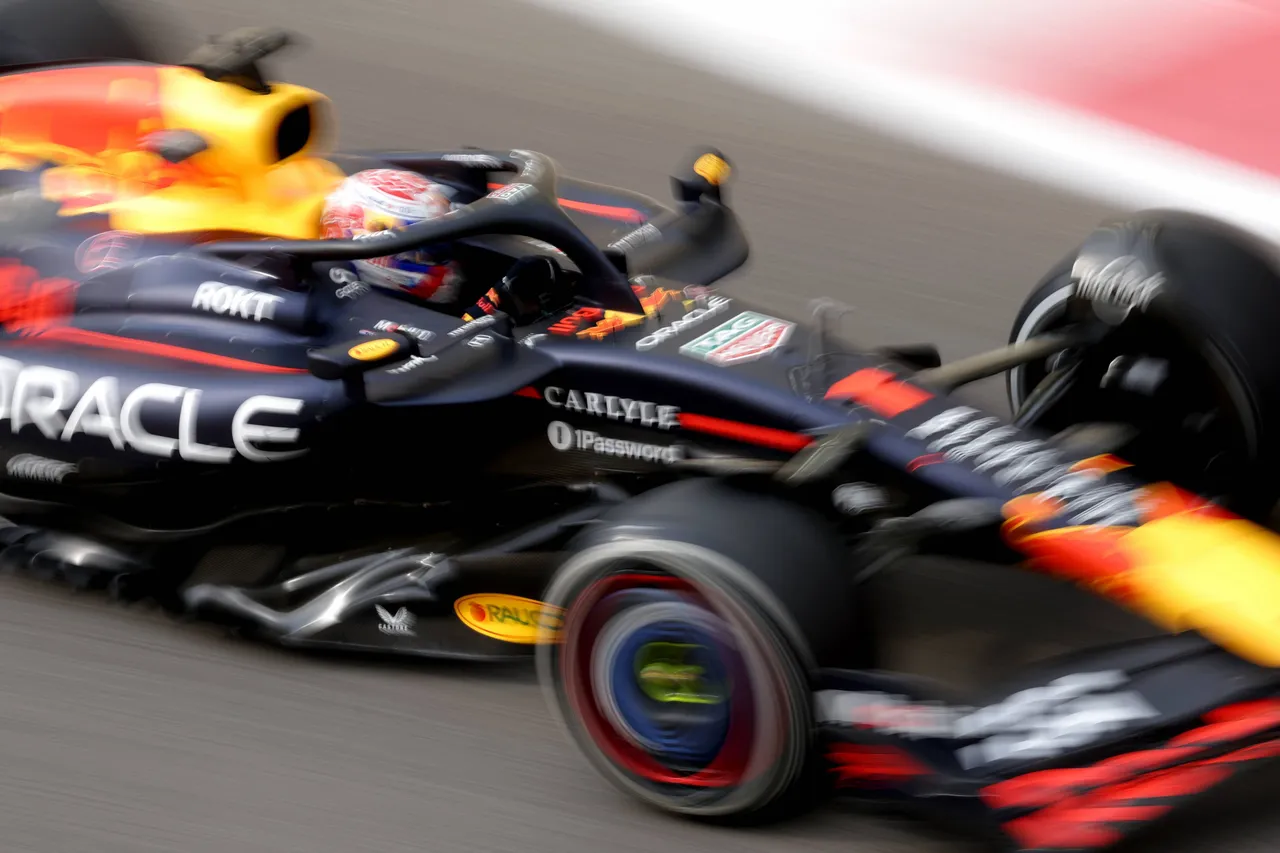
Max Verstappen during Fp1 in Abu Dhabi - Photo: Race Pictures
Verstappen, instead, suffered from understeering, which translated into oversteering at the exit, making him lose time not only mid-corner but also in traction, as he could go full throttle later than Norris. All these aspects meant that Verstappen’s qualifying simulation was good enough for a P2, 0.363 seconds behind Norris in P1.
These limitations also emerged during the long-run simulations made during FP2: for 8/9 laps, Verstappen was able to set competitive and constant lap times, but as soon as the rear and front tyres started to wear, he lost a lot of competitiveness, setting times that were almost a second slower. This excessive tyre consumption was mainly related to the very unloaded set-up, which didn’t provide enough grip to make tyres last longer.
For them, the work done both on track and back at the factory between Friday and Saturday is fundamental to challenge Norris and Piastri for pole position during qualifying: if Red Bull managed to find a good set-up for the RB21 and express a more balanced performance across the three sectors, then Verstappen may have all the cars needed to qualify at least on the front row.
From there, the team will then need to adopt a very aggressive strategy on Sunday, maybe starting the race on the soft tyre, to try and win the Championship for the fifth consecutive time.
ADVERTISEMENT
Read also
Don’t miss GPblog in Google
Mark us as a preferred source and our articles will appear more often at the top of Top Stories.
Add as a preferred / source on Google